Northrop Grumman Secures Navy Contract Modification for SEWIP Systems
Written by Emily J. Thompson, Senior Investment Analyst
Updated: 5 days ago
0mins
Should l Buy NOC?
Source: seekingalpha
- Contract Modification Details: The U.S. Navy awarded Northrop Grumman (NOC) a contract modification to produce up to nine additional Surface Electronic Warfare Improvement Program (SEWIP) Block 3 systems, including the first unit intended for installation on an aircraft carrier, highlighting the Navy's commitment to enhancing ship defense capabilities.
- System Deployment Progress: The first SEWIP Block 3 system was installed on the guided missile destroyer U.S.S. Pinckney (DDG-91) in 2023, marking the initial deployment of this technology within the fleet and significantly improving the vessels' defenses against missile threats.
- Expanded Delivery Capacity: With the latest award, Northrop Grumman is now contracted to deliver as many as 24 systems, which not only enhances the company's production capacity but also solidifies its market position in the electronic warfare sector.
- New Technology Development: The company is developing a related capability known as Scaled Onboard Electronic Attack, designed for ships that cannot accommodate the full SEWIP Block 3 system, demonstrating its foresight in technological innovation and adaptability to market demands.
Trade with 70% Backtested Accuracy
Stop guessing "Should I Buy NOC?" and start using high-conviction signals backed by rigorous historical data.
Sign up today to access powerful investing tools and make smarter, data-driven decisions.
Analyst Views on NOC
Wall Street analysts forecast NOC stock price to fall
13 Analyst Rating
10 Buy
3 Hold
0 Sell
Strong Buy
Current: 697.000

Low
630.00
Averages
684.08
High
770.00
Current: 697.000
Low
630.00
Averages
684.08
High
770.00
About NOC
Northrop Grumman Corporation is a global aerospace and defense technology company. Its segments include Aeronautics Systems, Defense Systems, Mission Systems, and Space Systems. Aeronautics Systems is engaged in the design, development, production, integration, sustainment and modernization of military aircraft systems for the United States Air Force, the United States Navy, other United States government agencies, and international customers. Defense Systems is engaged in the design, engineering, development, integration, and manufacturing of deterrent systems, advanced tactical weapons, and missile defense solutions. Mission Systems is a provider of mission solutions and multifunction systems. Its products and services include command, control, communications and computers, and reconnaissance (C4ISR) systems. Space Systems delivers end-to-end mission solutions through the design, development, integration, production and operation of space, missile defense, and launch systems.
About the author

Emily J. Thompson
Emily J. Thompson, a Chartered Financial Analyst (CFA) with 12 years in investment research, graduated with honors from the Wharton School. Specializing in industrial and technology stocks, she provides in-depth analysis for Intellectia’s earnings and market brief reports.
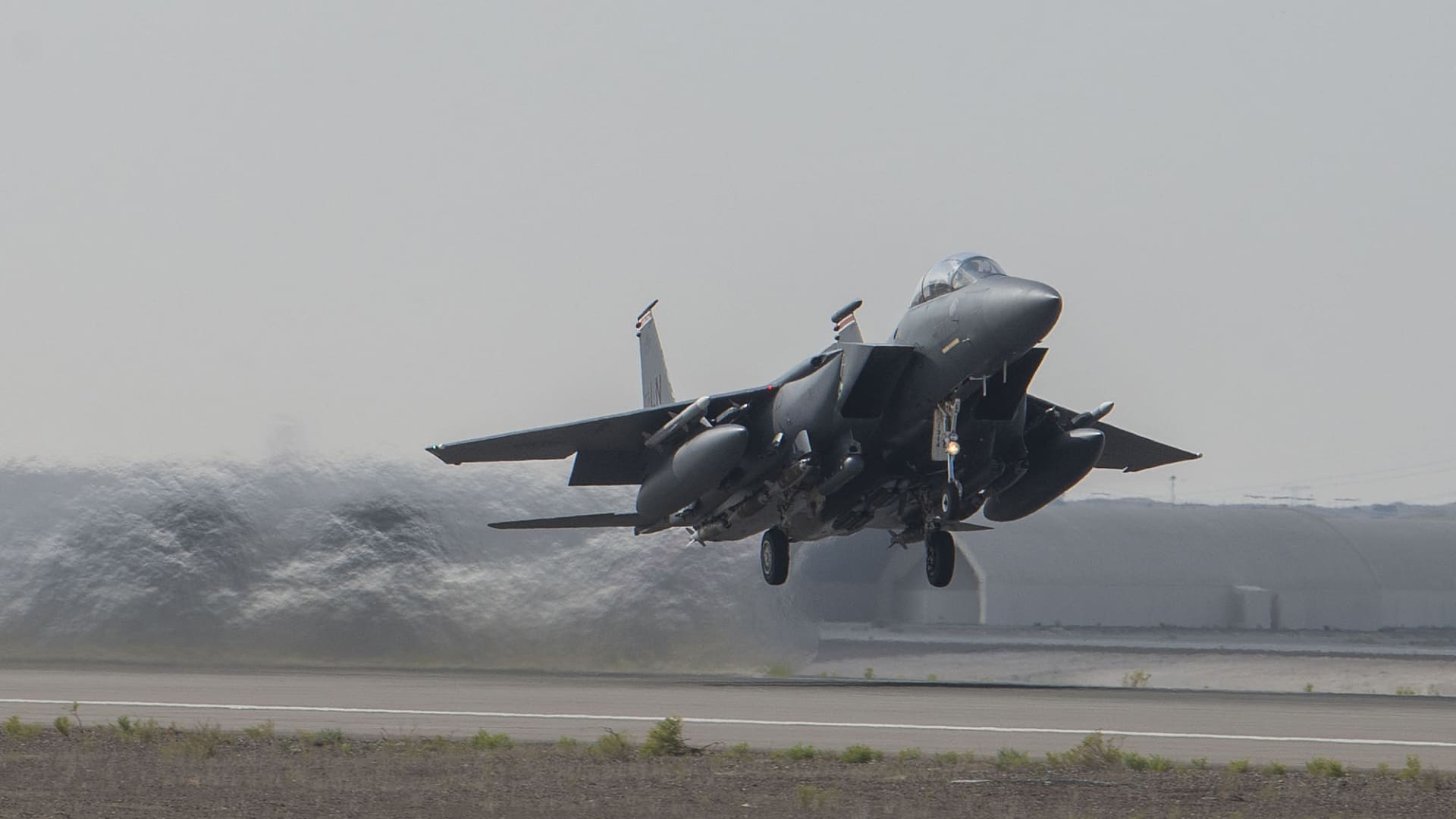
U.S. Air Force F-15E Shot Down, Successful Rescue Operation Confirmed


- Successful Rescue Operation: President Trump confirmed that two military officers missing in Iran have been rescued, showcasing the U.S. military's rapid response capabilities in complex environments and boosting public confidence in military rescue operations.
- Fighter Jet Shot Down: Iran successfully shot down a U.S. F-15E fighter jet, marking the first instance of a U.S. combat aircraft being downed since the war began, indicating an enhancement in Iran's aerial combat capabilities that could influence future military strategies.
- Oil Price Surge: The spot price for Brent crude soared to $141.36, the highest since the 2008 financial crisis, reflecting tight physical supply due to the closure of the Strait of Hormuz, which may have far-reaching implications for the global energy market.
- Trump's Pressure on Iran: Trump stated on social media that he has given Iran ten days to make a deal or open the Strait of Hormuz, demonstrating a hardline stance by the U.S. in the Middle East, which could escalate regional tensions.
See More

Escalating US-Iran Conflict: Trump’s Bold Claims vs. Ground Realities

- Discrepancy in US Claims: President Trump’s assertion of Iran being “militarily defeated” was contradicted just 48 hours later when Iranian forces downed two US planes, indicating Iran's resilience in a high-stakes war of attrition, which could sway US military strategy and public opinion.
- Limitations of Air Superiority: Despite claims of over 12,300 successful strikes, military analysts caution that the US has achieved “air superiority” only in pockets, not total dominance, which may lead to prolonged military engagement and resource depletion.
- Strategic Stalemate at Strait of Hormuz: Analysts suggest Iran now views its control over the Strait of Hormuz as a “strategic gain,” employing drones and anti-ship missiles to sustain a prolonged conflict, potentially disrupting global energy flows and increasing market uncertainty.
- Rising Market Risk Premium: As the conflict enters its sixth week, markets are pricing in a “permanent war-risk premium,” with diminishing expectations for a quick victory, shifting focus to the implications of a prolonged military engagement on the global economy.
See More

Iran Downs U.S. Warplanes, Escalating Conflict Dynamics

- Significant Military Losses: Iran has successfully shot down two U.S. warplanes, including an F-15E and an A-10, marking the first air combat losses after over 13,000 sorties; while the U.S. maintains air superiority, this incident highlights an intensifying asymmetric conflict dynamic.
- Strategic Shift: The Islamic Revolutionary Guard Corps (IRGC) has demonstrated resilience despite five weeks of bombardment, shifting focus to disrupting critical radar installations and Gulf energy infrastructure, utilizing a 'weapon of disruption' that keeps global energy prices volatile and directly impacts U.S. domestic inflation.
- Diplomatic Stalemate: Iran's refusal to participate in the scheduled peace summit in Islamabad, citing unacceptable ceasefire demands from the White House, indicates a breakdown in diplomatic efforts that could prolong the conflict, prompting investors to brace for delays in reopening vital trade routes until the second half of 2026.
- Rising Commercial Security Risks: With Iran launching daily drone and missile strikes against regional targets, multinational corporations are reassessing their presence in the Gulf, as markets are pricing in a higher 'geopolitical risk premium' for firms exposed to Middle Eastern logistics and energy production, suggesting an increasingly obscured path to a rapid resolution of the conflict.
See More
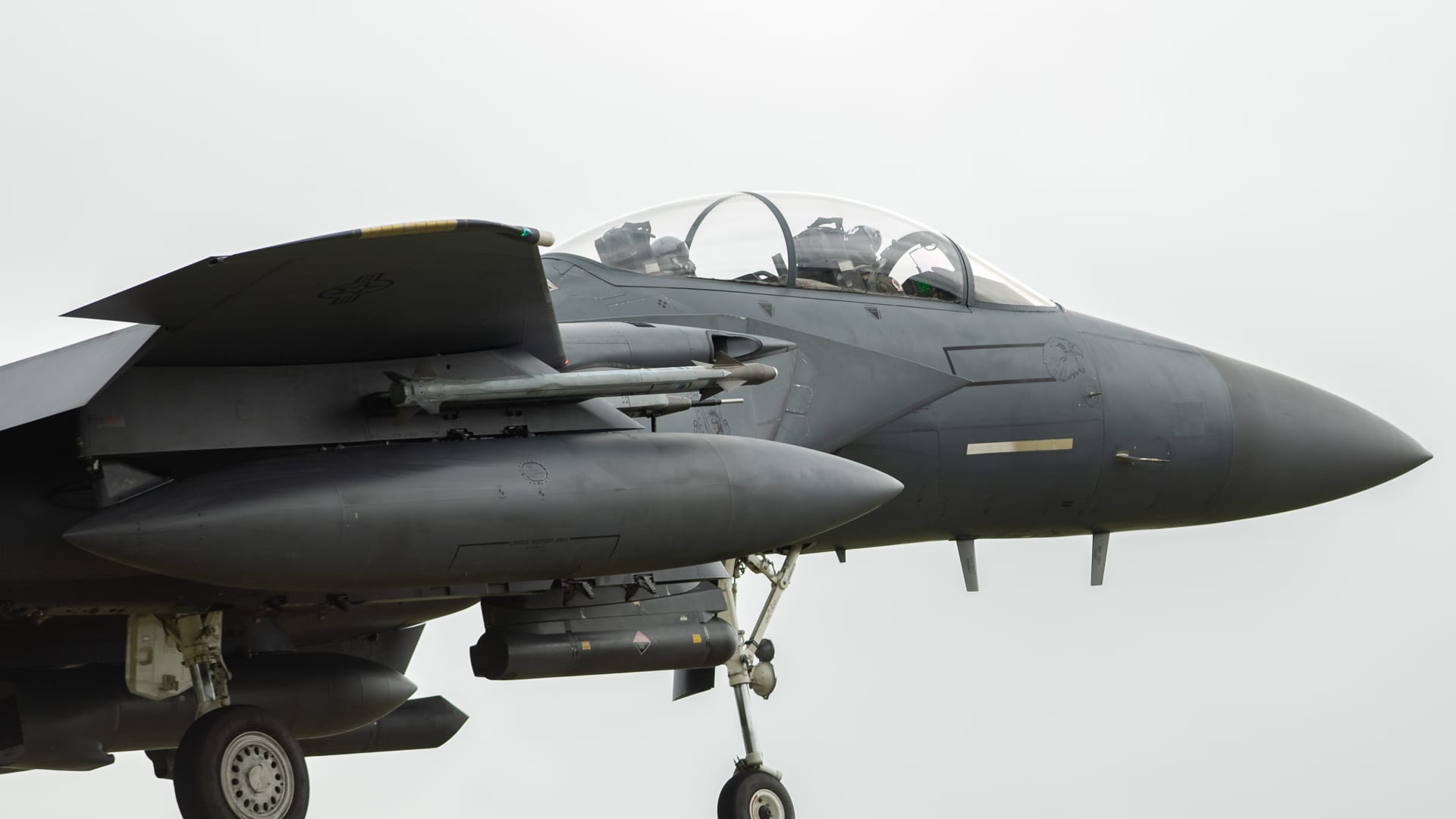
U.S. Fighter Jet Downed in Iran Amid Ongoing Conflict

- Fighter Jet Incident: An F-15 fighter jet from the U.S. Air Force crashed in Iran on July 16, 2020, with its crew members unaccounted for, and it remains unclear whether the aircraft was shot down or suffered a mechanical failure, marking the first known loss of a U.S. jet in the region since the conflict began.
- Escalating Conflict Context: This incident occurs amid escalating U.S. assaults on Iran, with reports of potential peace talks failing to yield results, contributing to a rising death toll of nearly 5,100 across the Middle East, highlighting the precarious nature of the situation.
- Strait of Hormuz Impact: The ongoing war has disrupted tanker traffic through the critical Strait of Hormuz for over a month, threatening supplies of crude oil, fertilizers, and other essential commodities, which could lead to instability in global markets.
- Trump's Aggressive Statements: President Trump claimed on social media that the U.S. could
See More
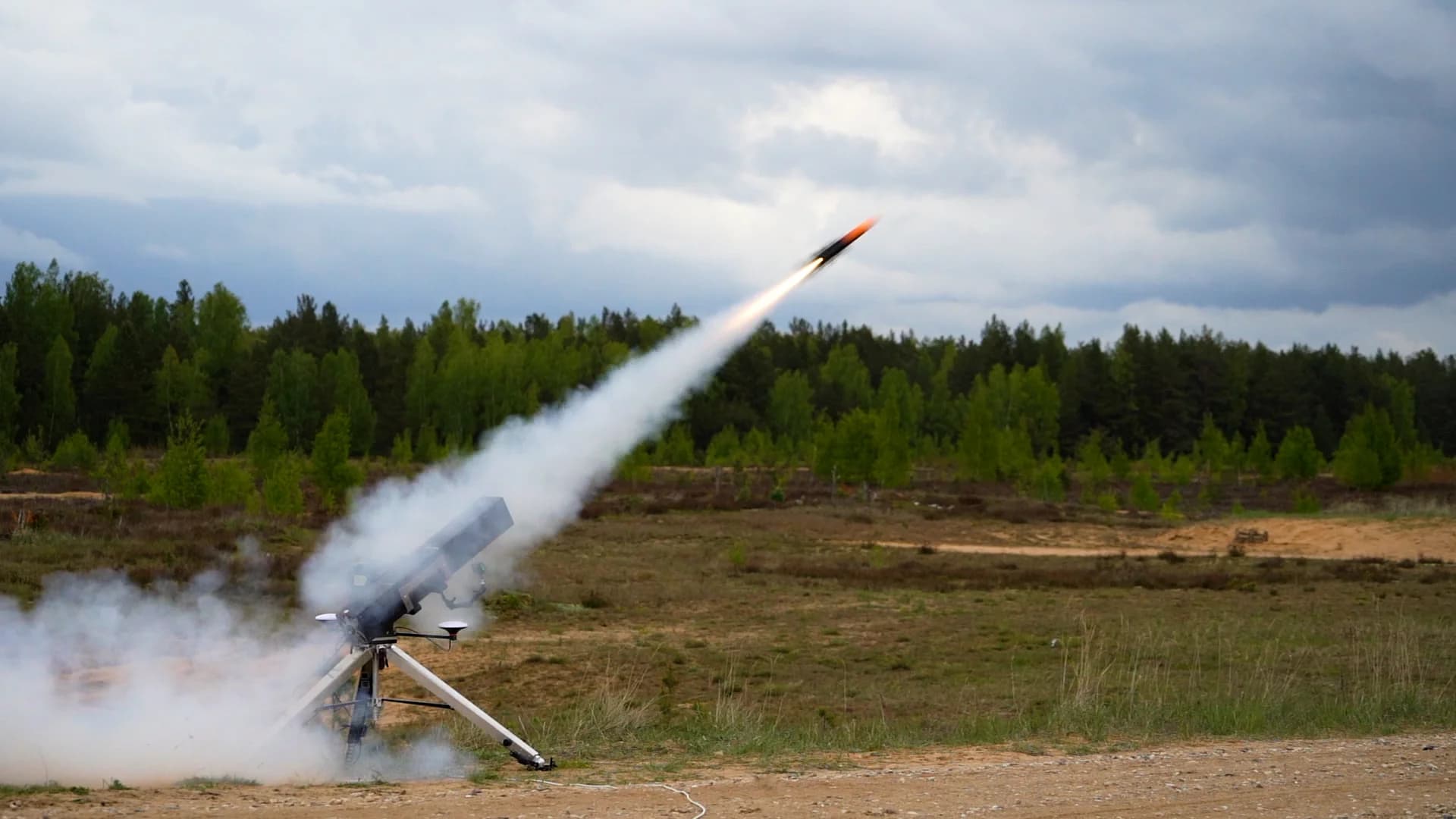
Surge in Defense Tech Investments Amid Geopolitical Tensions


- Significant Investment Growth: According to Dealroom, defense tech funding was only $869 million globally in 2020, but is projected to surge to $11.2 billion by 2025, reflecting a more than tenfold increase driven by rising geopolitical tensions and demand for defense technologies.
- Rising Demand: Since the end of February, following U.S. and Israeli military actions against Iran, defense tech startups have reported a significant uptick in demand from Department of Defense customers, with many clients offering to buy out capacity or requesting increased production, indicating a pressing market need for new technologies.
- Opportunities in the Middle East: As conflicts escalate, defense tech startups in Europe and the U.S. are accelerating commercial discussions with Middle Eastern governments, particularly as interest from Gulf states skyrockets, highlighting urgent needs for defenses against drone and missile attacks.
- Human Resource Expansion: In response to the Iran war, European-headquartered defense startups are set to increase staffing in the Middle East, with Estonian startup Frankenburg and Ukrainian-UK Uforce both indicating plans to ramp up hiring in the region to meet the surging market demand.
See More
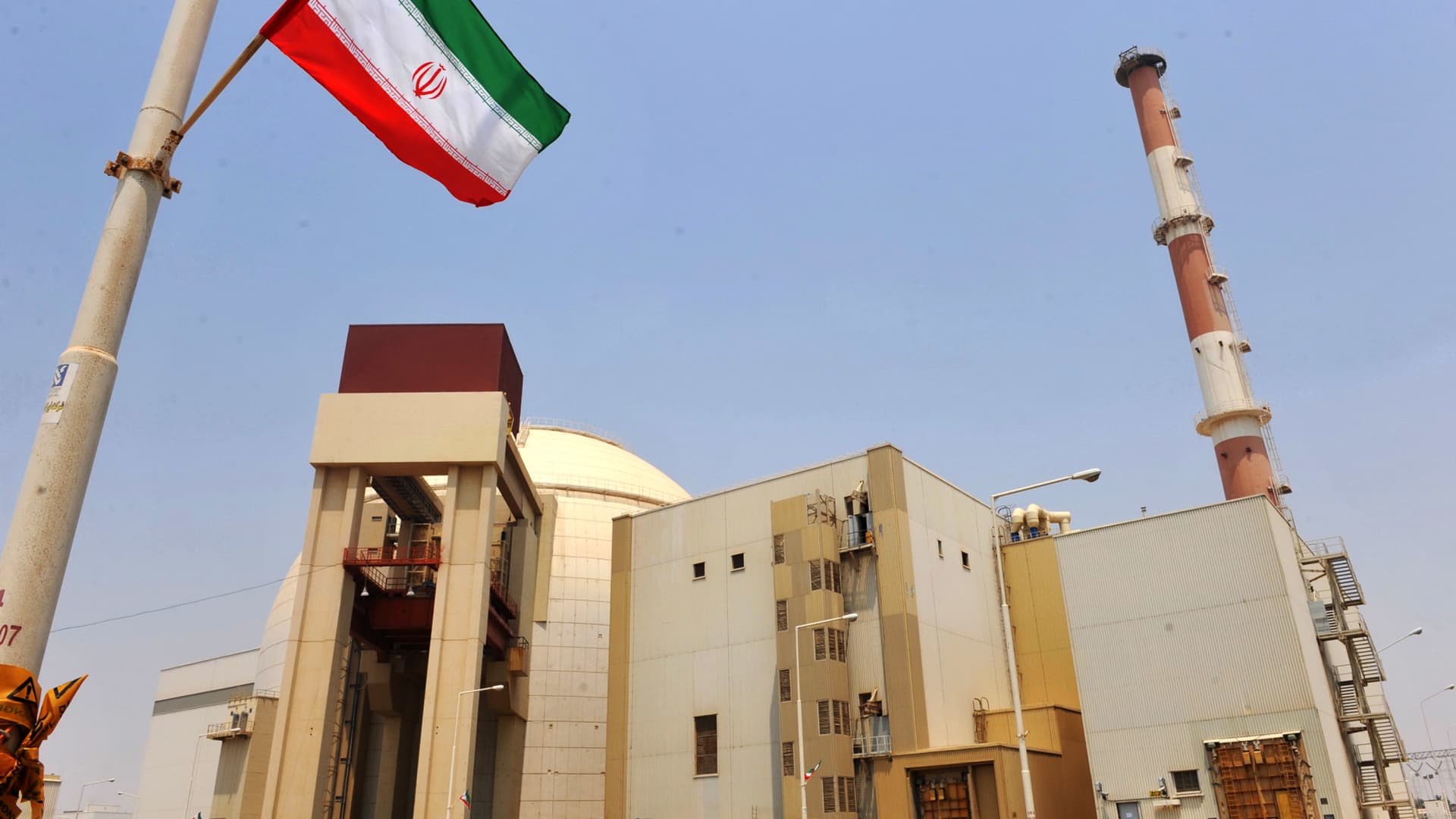
Trump Threatens to Destroy Iran's Infrastructure Amid Ongoing Conflict
- Escalating Military Threats: Trump threatened on social media to destroy Iran's bridges and power plants, claiming the U.S. hasn't even started destroying what's left in Iran, which could escalate regional tensions and provoke strong international backlash.
- Fighter Jet Downed: Reports indicate that a U.S. F-35 fighter jet was shot down over central Iran, and while the U.S. Central Command did not respond, this incident may further intensify military confrontations between the U.S. and Iran.
- Legal Controversy: Legal experts warn that Trump's threats to attack Iran's infrastructure could constitute war crimes under international law, particularly regarding attacks on essential civilian facilities, potentially leading to international condemnation and sanctions.
- Gulf Cooperation Council Response: The Gulf Cooperation Council called on the UN Security Council to take necessary measures to ensure an immediate cessation of Iranian aggressions against its member states, reflecting the heightened concern and security worries among regional nations regarding Iran's actions.
See More
U.S. Air Force F-15E Shot Down, Successful Rescue Operation Confirmed
- Successful Rescue Operation: President Trump confirmed that two military officers missing in Iran have been rescued, showcasing the U.S. military's rapid response capabilities in complex environments and boosting public confidence in military rescue operations.
- Fighter Jet Shot Down: Iran successfully shot down a U.S. F-15E fighter jet, marking the first instance of a U.S. combat aircraft being downed since the war began, indicating an enhancement in Iran's aerial combat capabilities that could influence future military strategies.
- Oil Price Surge: The spot price for Brent crude soared to $141.36, the highest since the 2008 financial crisis, reflecting tight physical supply due to the closure of the Strait of Hormuz, which may have far-reaching implications for the global energy market.
- Trump's Pressure on Iran: Trump stated on social media that he has given Iran ten days to make a deal or open the Strait of Hormuz, demonstrating a hardline stance by the U.S. in the Middle East, which could escalate regional tensions.
See More
Escalating US-Iran Conflict: Trump’s Bold Claims vs. Ground Realities
- Discrepancy in US Claims: President Trump’s assertion of Iran being “militarily defeated” was contradicted just 48 hours later when Iranian forces downed two US planes, indicating Iran's resilience in a high-stakes war of attrition, which could sway US military strategy and public opinion.
- Limitations of Air Superiority: Despite claims of over 12,300 successful strikes, military analysts caution that the US has achieved “air superiority” only in pockets, not total dominance, which may lead to prolonged military engagement and resource depletion.
- Strategic Stalemate at Strait of Hormuz: Analysts suggest Iran now views its control over the Strait of Hormuz as a “strategic gain,” employing drones and anti-ship missiles to sustain a prolonged conflict, potentially disrupting global energy flows and increasing market uncertainty.
- Rising Market Risk Premium: As the conflict enters its sixth week, markets are pricing in a “permanent war-risk premium,” with diminishing expectations for a quick victory, shifting focus to the implications of a prolonged military engagement on the global economy.
See More
Iran Downs U.S. Warplanes, Escalating Conflict Dynamics
- Significant Military Losses: Iran has successfully shot down two U.S. warplanes, including an F-15E and an A-10, marking the first air combat losses after over 13,000 sorties; while the U.S. maintains air superiority, this incident highlights an intensifying asymmetric conflict dynamic.
- Strategic Shift: The Islamic Revolutionary Guard Corps (IRGC) has demonstrated resilience despite five weeks of bombardment, shifting focus to disrupting critical radar installations and Gulf energy infrastructure, utilizing a 'weapon of disruption' that keeps global energy prices volatile and directly impacts U.S. domestic inflation.
- Diplomatic Stalemate: Iran's refusal to participate in the scheduled peace summit in Islamabad, citing unacceptable ceasefire demands from the White House, indicates a breakdown in diplomatic efforts that could prolong the conflict, prompting investors to brace for delays in reopening vital trade routes until the second half of 2026.
- Rising Commercial Security Risks: With Iran launching daily drone and missile strikes against regional targets, multinational corporations are reassessing their presence in the Gulf, as markets are pricing in a higher 'geopolitical risk premium' for firms exposed to Middle Eastern logistics and energy production, suggesting an increasingly obscured path to a rapid resolution of the conflict.
See More
U.S. Fighter Jet Downed in Iran Amid Ongoing Conflict
- Fighter Jet Incident: An F-15 fighter jet from the U.S. Air Force crashed in Iran on July 16, 2020, with its crew members unaccounted for, and it remains unclear whether the aircraft was shot down or suffered a mechanical failure, marking the first known loss of a U.S. jet in the region since the conflict began.
- Escalating Conflict Context: This incident occurs amid escalating U.S. assaults on Iran, with reports of potential peace talks failing to yield results, contributing to a rising death toll of nearly 5,100 across the Middle East, highlighting the precarious nature of the situation.
- Strait of Hormuz Impact: The ongoing war has disrupted tanker traffic through the critical Strait of Hormuz for over a month, threatening supplies of crude oil, fertilizers, and other essential commodities, which could lead to instability in global markets.
- Trump's Aggressive Statements: President Trump claimed on social media that the U.S. could
See More
Surge in Defense Tech Investments Amid Geopolitical Tensions
- Significant Investment Growth: According to Dealroom, defense tech funding was only $869 million globally in 2020, but is projected to surge to $11.2 billion by 2025, reflecting a more than tenfold increase driven by rising geopolitical tensions and demand for defense technologies.
- Rising Demand: Since the end of February, following U.S. and Israeli military actions against Iran, defense tech startups have reported a significant uptick in demand from Department of Defense customers, with many clients offering to buy out capacity or requesting increased production, indicating a pressing market need for new technologies.
- Opportunities in the Middle East: As conflicts escalate, defense tech startups in Europe and the U.S. are accelerating commercial discussions with Middle Eastern governments, particularly as interest from Gulf states skyrockets, highlighting urgent needs for defenses against drone and missile attacks.
- Human Resource Expansion: In response to the Iran war, European-headquartered defense startups are set to increase staffing in the Middle East, with Estonian startup Frankenburg and Ukrainian-UK Uforce both indicating plans to ramp up hiring in the region to meet the surging market demand.
See More
Trump Threatens to Destroy Iran's Infrastructure Amid Ongoing Conflict
- Escalating Military Threats: Trump threatened on social media to destroy Iran's bridges and power plants, claiming the U.S. hasn't even started destroying what's left in Iran, which could escalate regional tensions and provoke strong international backlash.
- Fighter Jet Downed: Reports indicate that a U.S. F-35 fighter jet was shot down over central Iran, and while the U.S. Central Command did not respond, this incident may further intensify military confrontations between the U.S. and Iran.
- Legal Controversy: Legal experts warn that Trump's threats to attack Iran's infrastructure could constitute war crimes under international law, particularly regarding attacks on essential civilian facilities, potentially leading to international condemnation and sanctions.
- Gulf Cooperation Council Response: The Gulf Cooperation Council called on the UN Security Council to take necessary measures to ensure an immediate cessation of Iranian aggressions against its member states, reflecting the heightened concern and security worries among regional nations regarding Iran's actions.
See More