Nordic American Tankers Ltd Signs Contracts for Two Suezmax Tankers at $86 Million Each
- New Ship Orders: Nordic American Tankers Ltd has signed contracts with Daehan Shipbuilding for the construction of two Suezmax tankers at $86 million each, expected to be delivered in 2028, thereby enhancing the company's competitive position in the tanker market.
- Asset Sales: The company has finalized the sale of two vessels built in 2004 and 2005, generating net cash proceeds of $50 million, which aids in optimizing asset structure and improving liquidity.
- Market Environment: The current favorable tanker market conditions allow the company to actively engage in fleet refinancing and transactions, demonstrating its solid position and growth potential within the industry.
- Strategic Adjustments: By selling four vessels and ordering two new ones, Nordic American Tankers Ltd showcases its ability to adapt to market changes, aiming to further enhance operational efficiency and increase market share.
Trade with 70% Backtested Accuracy
Analyst Views on NAT

About NAT
About the author


Latest Rating Changes on Wall Street


- Airbnb Upgrade: Wells Fargo upgraded Airbnb from equal weight to overweight, projecting revenue growth of 6% to 11% and EPS growth of 7% to 12% by 2027, indicating strong innovation and market potential.
- Positive Outlook for SharonAI: Compass Point initiated coverage on SharonAI with a buy rating, highlighting that its first major contract will drive scale and that its Australian capacity build provides a credible market base for deployment.
- Biogen's Multiple Catalysts: UBS upgraded Biogen to buy with a price target of $225, citing increasing confidence in several pipeline catalysts expected to drive stock price higher over the next 12-15 months.
- Twilio's Strategic Improvement: Bank of America upgraded Twilio from underperform to buy with a price target of $190, believing its strategic positioning in AI will lead to positive growth inflections for the company.
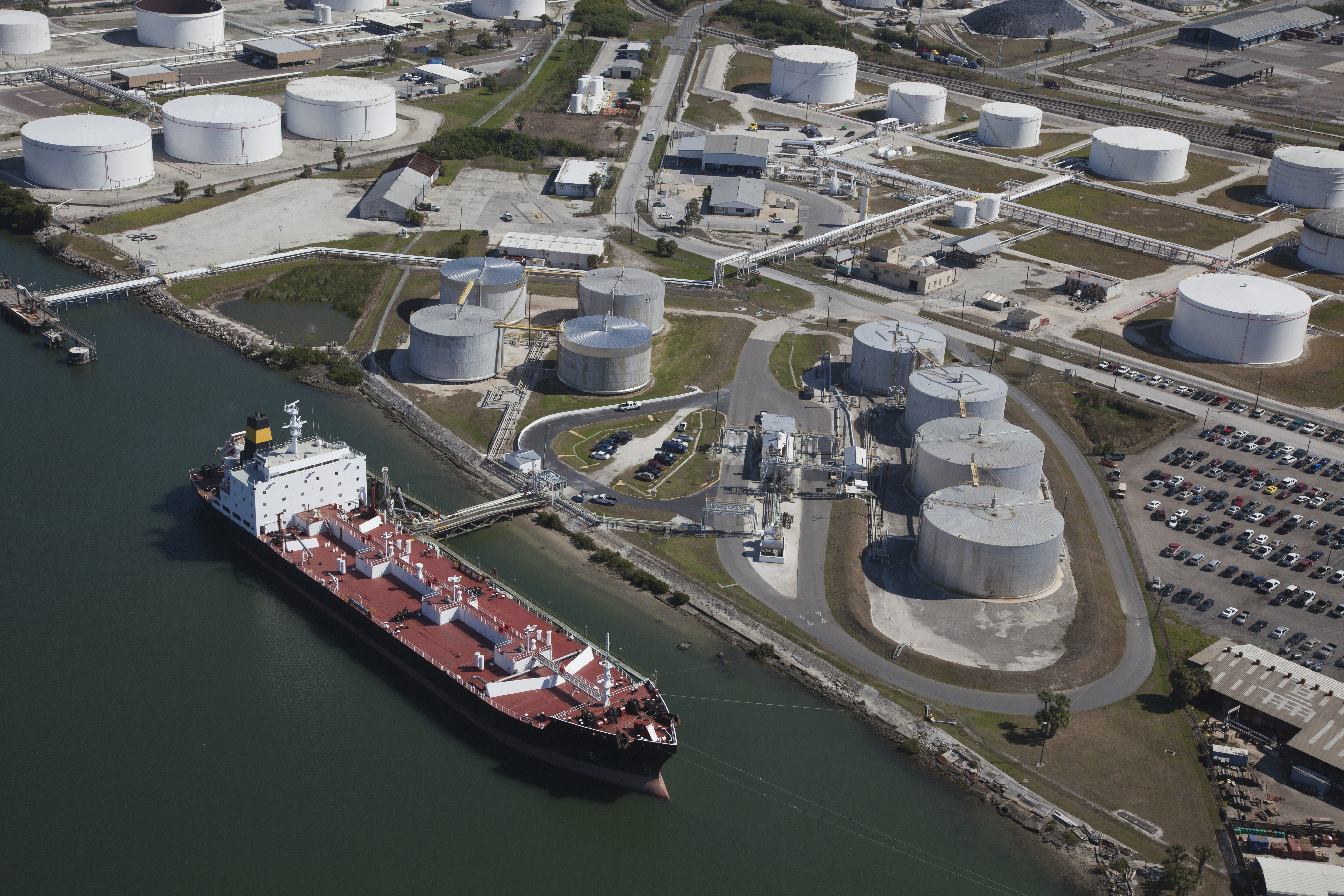
Crude Tanker Rates in Europe Fall Back to Pre-War Levels

- Rate Decline: Crude tanker rates in the European and Atlantic markets have retreated to pre-war levels, primarily due to tankers that would have returned to the Mideast Gulf now populating more liquid markets, leading to increased supply.
- Black Sea-Mediterranean Route: The Suezmax route from the Black Sea to the Mediterranean surged from WS200 ($24.08/ton) before the war to WS475 ($57.19/ton), but has plummeted nearly 50% in just two days to WS230 ($27.69/ton), indicating significant market volatility.
- Impact on U.S. Market: Suezmax rates from the U.S. Gulf Coast and Guyana have dropped to their lowest since the war began, reflecting a trend of tonnage shifting away from the Mideast Gulf, which further depresses rates.
- Aframax Rate Plunge: European Aframax rates have also seen a sharp decline, with the Ceyhan-origin cross Mediterranean route ending on April 20 at WS270, down significantly from WS655 on March 30, highlighting the market's weakness.
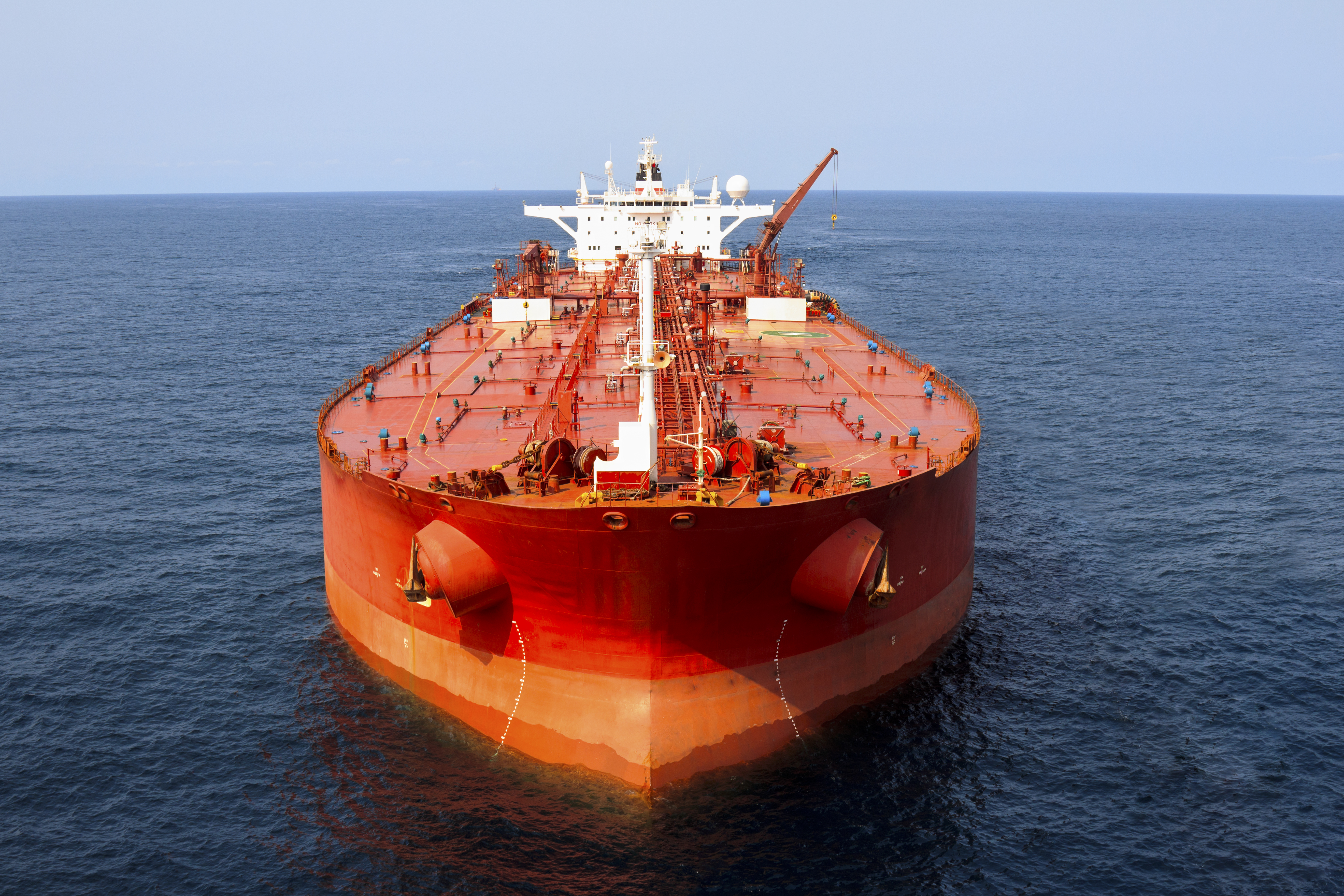
U.S. Naval Blockade on Iranian Ports Boosts Shipping Stocks Broadly
- Broad Gains in Shipping: The shipping and tanker industry saw broad gains on Monday following the U.S. naval blockade of Iranian ports, although results finished well off sharp early gains, indicating market sensitivity to geopolitical risks.
- Tanker Stock Performance: According to TradeWinds, tanker stocks gained an average of 2.8%, with clean product carriers performing slightly better than crude tankers, reflecting varying demand across different types of tankers in the current market.
- Top Gainers: Among the notable gainers, Navigator Holdings (NVGS) rose 3.7%, Torm (TRMD) increased by 3.5%, and Scorpio Tankers (STNG) climbed 2.6%, showcasing their relative strength in the current market environment.
- Market Dynamics Analysis: This rally continues the
Nordic American Tankers Reports Strong Market Demand
- Strong Market Demand: Amid increasing geopolitical uncertainty, Nordic American Tankers (NAT) reports a rise in demand for its transportation services, with major clients including Exxon, Shell, BP, Total, and Equinor, which account for over 50% of its business.
- Charter Contract Signed: NAT has secured a one-year time charter with a major customer at a rate of approximately $75,000 per day, while its operating costs are only $10,000 per day, significantly enhancing the company's profitability.
- Fleet Adjustment Strategy: In the current robust market environment, NAT has improved its financial flexibility and strengthened its overall position by selling some vessels built between 2003 and 2005 at favorable prices.
- Safety First Principle: NAT emphasizes that its top priority is the safety of its crew and states that the company remains apolitical, focusing on restoring normal business operations based on trust and integrity.

RYDE, VIAV, NAT Stocks Reach 52-Week Peaks Today: What’s Fueling the Surge?

Digital Asset Strategy Adoption: Ryde Group has gained momentum after adopting a Digital Asset Treasury strategy, allowing for potential allocations into cryptocurrencies like Bitcoin, Ethereum, and Solana, which has attracted investor attention.
Stock Performance: On a recent Tuesday, shares of Ryde Group surged by 36%, while ViaV and Nordic American Tankers saw increases of 7% and a decrease of 4%, respectively, reflecting a positive sentiment in the digital asset and infrastructure sectors.
Cybersecurity and AI Developments: ViaV has gained momentum following announcements related to cybersecurity and AI infrastructure, including the integration of its Secure µPNT STL-1000 receiver into navigation systems, enhancing operational capabilities in challenging environments.
Freight Market Conditions: Nordic American Tankers has benefited from stronger tanker market conditions due to disruptions in shipping through the Strait of Hormuz, with expectations for improved performance in the upcoming quarters compared to previous periods.
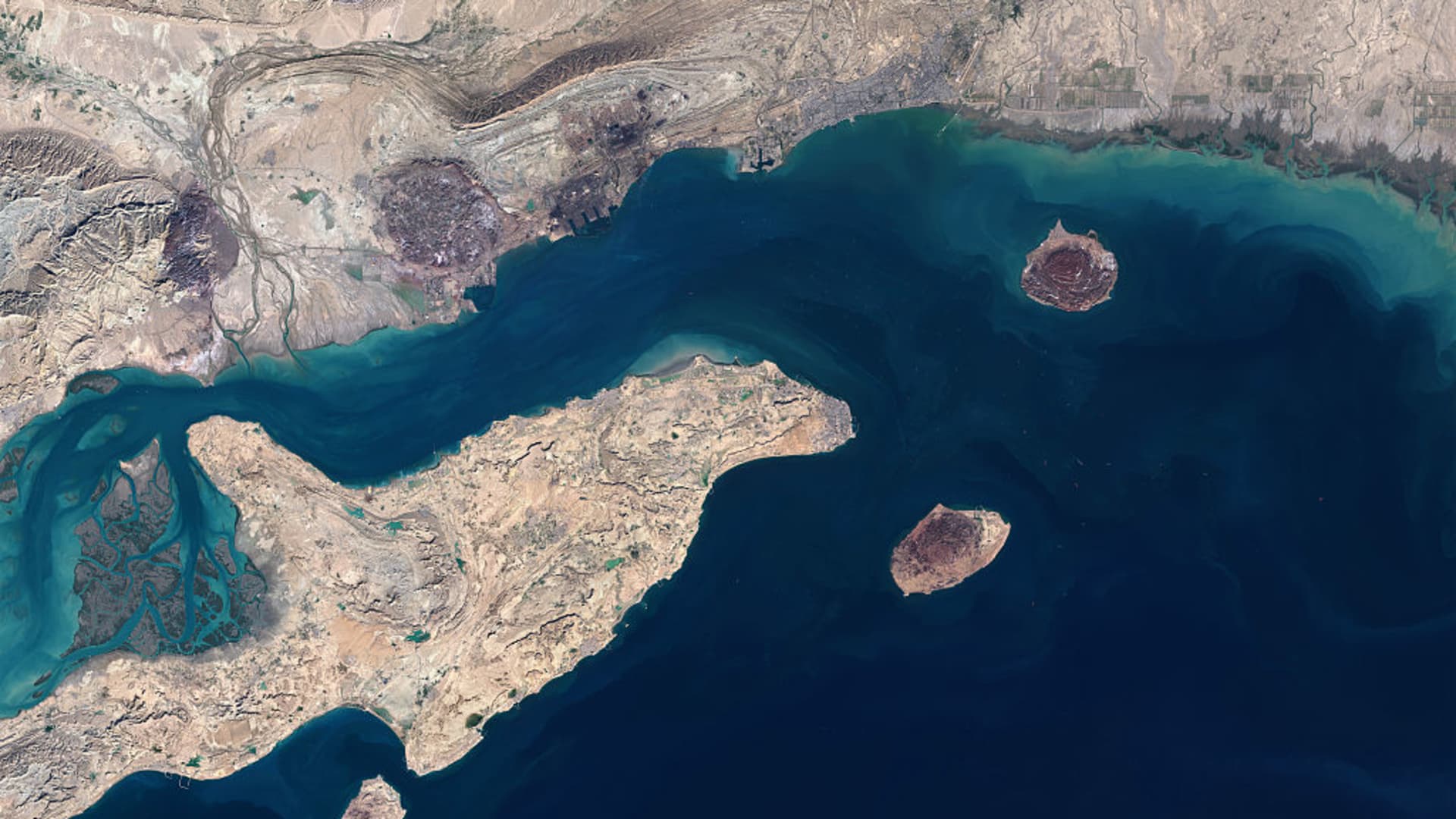
Iran Establishes Toll Corridor in Strait of Hormuz Amid Shipping Crisis
- Shipping Corridor Control: Iran has established a de facto safe shipping corridor near Larak Island in the Strait of Hormuz, resulting in a 90% drop in traffic since February 28, which has caused one of the most severe energy supply shocks globally.
- Toll System Implementation: The Iranian parliament passed a bill to impose fees on vessels transiting the strait, a move that, despite international legal disputes, would institutionalize Tehran's financial control over this critical waterway.
- Selective Passage: All 57 transits recorded since March 13 have taken the Larak detour, indicating strict vetting by the IRGC, which prioritizes vessels from countries with friendly relations, thereby increasing uncertainty in international shipping.
- International Response: While Iran claims the right to charge transit fees, legal experts argue that such unilateral measures may face strong diplomatic and legal challenges under the framework of the United Nations Convention on the Law of the Sea.
Latest Rating Changes on Wall Street
- Airbnb Upgrade: Wells Fargo upgraded Airbnb from equal weight to overweight, projecting revenue growth of 6% to 11% and EPS growth of 7% to 12% by 2027, indicating strong innovation and market potential.
- Positive Outlook for SharonAI: Compass Point initiated coverage on SharonAI with a buy rating, highlighting that its first major contract will drive scale and that its Australian capacity build provides a credible market base for deployment.
- Biogen's Multiple Catalysts: UBS upgraded Biogen to buy with a price target of $225, citing increasing confidence in several pipeline catalysts expected to drive stock price higher over the next 12-15 months.
- Twilio's Strategic Improvement: Bank of America upgraded Twilio from underperform to buy with a price target of $190, believing its strategic positioning in AI will lead to positive growth inflections for the company.
Crude Tanker Rates in Europe Fall Back to Pre-War Levels
- Rate Decline: Crude tanker rates in the European and Atlantic markets have retreated to pre-war levels, primarily due to tankers that would have returned to the Mideast Gulf now populating more liquid markets, leading to increased supply.
- Black Sea-Mediterranean Route: The Suezmax route from the Black Sea to the Mediterranean surged from WS200 ($24.08/ton) before the war to WS475 ($57.19/ton), but has plummeted nearly 50% in just two days to WS230 ($27.69/ton), indicating significant market volatility.
- Impact on U.S. Market: Suezmax rates from the U.S. Gulf Coast and Guyana have dropped to their lowest since the war began, reflecting a trend of tonnage shifting away from the Mideast Gulf, which further depresses rates.
- Aframax Rate Plunge: European Aframax rates have also seen a sharp decline, with the Ceyhan-origin cross Mediterranean route ending on April 20 at WS270, down significantly from WS655 on March 30, highlighting the market's weakness.
U.S. Naval Blockade on Iranian Ports Boosts Shipping Stocks Broadly
- Broad Gains in Shipping: The shipping and tanker industry saw broad gains on Monday following the U.S. naval blockade of Iranian ports, although results finished well off sharp early gains, indicating market sensitivity to geopolitical risks.
- Tanker Stock Performance: According to TradeWinds, tanker stocks gained an average of 2.8%, with clean product carriers performing slightly better than crude tankers, reflecting varying demand across different types of tankers in the current market.
- Top Gainers: Among the notable gainers, Navigator Holdings (NVGS) rose 3.7%, Torm (TRMD) increased by 3.5%, and Scorpio Tankers (STNG) climbed 2.6%, showcasing their relative strength in the current market environment.
- Market Dynamics Analysis: This rally continues the
Nordic American Tankers Reports Strong Market Demand
- Strong Market Demand: Amid increasing geopolitical uncertainty, Nordic American Tankers (NAT) reports a rise in demand for its transportation services, with major clients including Exxon, Shell, BP, Total, and Equinor, which account for over 50% of its business.
- Charter Contract Signed: NAT has secured a one-year time charter with a major customer at a rate of approximately $75,000 per day, while its operating costs are only $10,000 per day, significantly enhancing the company's profitability.
- Fleet Adjustment Strategy: In the current robust market environment, NAT has improved its financial flexibility and strengthened its overall position by selling some vessels built between 2003 and 2005 at favorable prices.
- Safety First Principle: NAT emphasizes that its top priority is the safety of its crew and states that the company remains apolitical, focusing on restoring normal business operations based on trust and integrity.
RYDE, VIAV, NAT Stocks Reach 52-Week Peaks Today: What’s Fueling the Surge?
Digital Asset Strategy Adoption: Ryde Group has gained momentum after adopting a Digital Asset Treasury strategy, allowing for potential allocations into cryptocurrencies like Bitcoin, Ethereum, and Solana, which has attracted investor attention.
Stock Performance: On a recent Tuesday, shares of Ryde Group surged by 36%, while ViaV and Nordic American Tankers saw increases of 7% and a decrease of 4%, respectively, reflecting a positive sentiment in the digital asset and infrastructure sectors.
Cybersecurity and AI Developments: ViaV has gained momentum following announcements related to cybersecurity and AI infrastructure, including the integration of its Secure µPNT STL-1000 receiver into navigation systems, enhancing operational capabilities in challenging environments.
Freight Market Conditions: Nordic American Tankers has benefited from stronger tanker market conditions due to disruptions in shipping through the Strait of Hormuz, with expectations for improved performance in the upcoming quarters compared to previous periods.
Iran Establishes Toll Corridor in Strait of Hormuz Amid Shipping Crisis
- Shipping Corridor Control: Iran has established a de facto safe shipping corridor near Larak Island in the Strait of Hormuz, resulting in a 90% drop in traffic since February 28, which has caused one of the most severe energy supply shocks globally.
- Toll System Implementation: The Iranian parliament passed a bill to impose fees on vessels transiting the strait, a move that, despite international legal disputes, would institutionalize Tehran's financial control over this critical waterway.
- Selective Passage: All 57 transits recorded since March 13 have taken the Larak detour, indicating strict vetting by the IRGC, which prioritizes vessels from countries with friendly relations, thereby increasing uncertainty in international shipping.
- International Response: While Iran claims the right to charge transit fees, legal experts argue that such unilateral measures may face strong diplomatic and legal challenges under the framework of the United Nations Convention on the Law of the Sea.