Nike's Post-Earnings Decline Impacts ETFs Significantly
Written by Emily J. Thompson, Senior Investment Analyst
Updated: 1 hour ago
0mins
Should l Buy NKE?
Source: seekingalpha
- Earnings Impact: Nike (NKE) shares plummeted over 10% post-earnings despite a fiscal Q3 beat, as the company projected a 2%-4% decline in Q4 sales, raising concerns about slowing demand and negatively impacting investor sentiment.
- Increased ETF Volatility: Currently, Nike is held in 310 ETFs with a total ownership of nearly 200 million shares, indicating that funds with higher allocations to Nike are likely to experience amplified volatility, highlighting concentration risk in thematic and sector-focused investments.
- Top ETF Holdings: The 10 ETFs with the largest allocations to Nike include the Invesco Dow Jones Industrial Average Dividend ETF (DJD) at 4.61% and the FT Vest DJIA Dogs 10 Target Income ETF (DOGG) at 4.57%, showcasing Nike's significant influence in the consumer discretionary sector.
- Market Reactions: Nike's guidance has prompted immediate reactions in ETFs heavily weighted in consumer discretionary and brand-heavy strategies, necessitating investor awareness of the potential impacts of Nike's stock fluctuations on related ETFs, especially in the current market climate.
Trade with 70% Backtested Accuracy
Stop guessing "Should I Buy NKE?" and start using high-conviction signals backed by rigorous historical data.
Sign up today to access powerful investing tools and make smarter, data-driven decisions.
Analyst Views on NKE
Wall Street analysts forecast NKE stock price to rise
21 Analyst Rating
14 Buy
7 Hold
0 Sell
Moderate Buy
Current: 52.820

Low
62.00
Averages
76.11
High
110.00
Current: 52.820
Low
62.00
Averages
76.11
High
110.00
About NKE
NIKE, Inc. is engaged in the designing, marketing and distributing of athletic footwear, apparel, equipment and accessories and services for sports and fitness activities. The Company's operating segments include North America; Europe, Middle East & Africa (EMEA); Greater China; and Asia Pacific & Latin America (APLA). It sells a line of equipment and accessories under the NIKE Brand name, including bags, socks, sport balls, eyewear, timepieces, digital devices, bats, gloves, protective equipment and other equipment designed for sports activities. It also designs products specifically for the Jordan Brand and Converse. The Jordan Brand designs, distributes and licenses athletic and casual footwear, apparel and accessories predominantly focused on basketball performance and culture using the Jumpman trademark. The Company also designs, distributes and licenses casual sneakers, apparel and accessories under the Chuck Taylor, All Star, One Star, Star Chevron and Jack Purcell trademarks.
About the author

Emily J. Thompson
Emily J. Thompson, a Chartered Financial Analyst (CFA) with 12 years in investment research, graduated with honors from the Wharton School. Specializing in industrial and technology stocks, she provides in-depth analysis for Intellectia’s earnings and market brief reports.

Nike's Slow Recovery in the Chinese Market
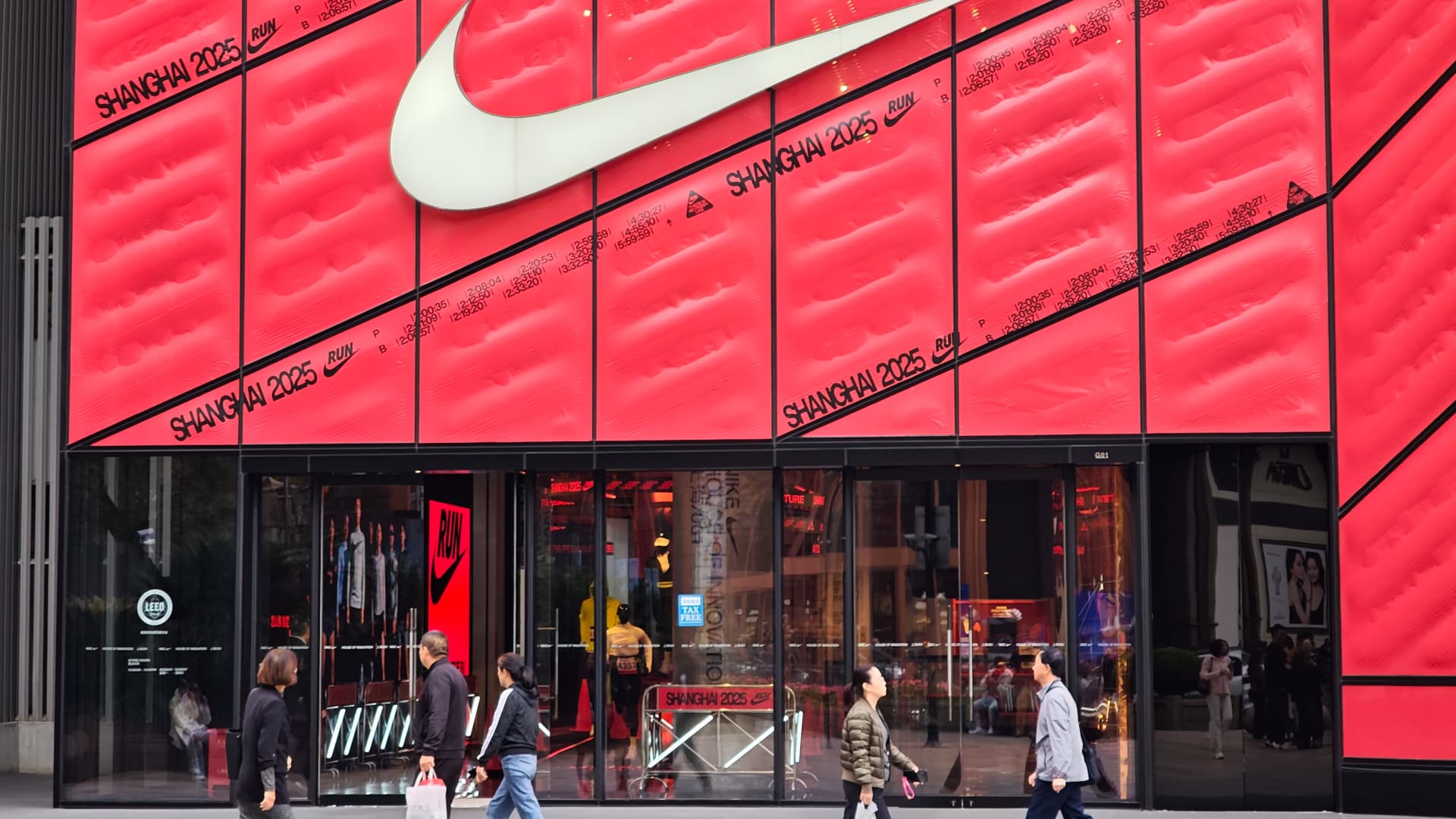
- Early Recovery Strategy: Nike CEO Elliott Hill stated that the company's turnaround strategy in Greater China is still in its early stages, with results taking longer to materialize than expected, indicating the complexities of the market environment.
- Sales Forecast Downgrade: Nike expects Q4 revenue to decline by 2% to 4% year-on-year, translating to $10.66 billion to $10.88 billion, which is below Wall Street's expectation of $11.3 billion, reflecting significant challenges in the Chinese market.
- Analyst Rating Downgrades: JPMorgan downgraded Nike from 'Overweight' to 'Neutral', lowering the price target from $86 to $52, emphasizing the slow recovery process and projecting that growth may not resume for another four quarters.
- Negative Market Reaction: Nike's stock plummeted over 11% in pre-market trading on Wednesday, down 17% year-to-date, highlighting investor concerns about the company's future performance, especially when compared to the S&P 500 ETF and Vanguard Total Stock Market Index Fund, which have shown positive gains.
See More

Nike Faces Revenue Decline in Greater China Market
- Revenue Decline in Greater China: Nike's revenue in the Greater China market fell by 7% to $1.62 billion, reflecting ongoing challenges that could impact the company's overall performance and market share.
- Inventory Management Improvement: Nike ended the quarter with $8.49 billion in inventory, down 1% year-over-year, indicating progress in clearing excess inventory, although it still faces pressure from rising product costs.
- Gross Margin Decline: The company's gross profit margin slid 130 basis points to 40.2% in Q3, primarily due to increased tariffs in North America, which may affect future profitability and investor confidence.
- CEO Turnaround Strategy: CEO Elliott Hill is implementing a multi-year turnaround strategy aimed at repairing relationships with retailers and improving overall business health, although this process may take considerable time to yield results.
See More
US Stocks Rise on Optimism Over Middle East Conflict Resolution


- Market Optimism: The S&P 500 index rose by 0.52%, the Dow Jones Industrial Average by 0.43%, and the Nasdaq 100 by 0.68%, reflecting investor optimism regarding a potential resolution to the Middle East conflict, which has fueled a continuation of Tuesday's strong rally.
- Strong Economic Data: The US ADP employment change for March increased by 62,000, surpassing expectations of 40,000, while February retail sales rose by 0.6% month-over-month, exceeding the anticipated 0.5%, bolstering market confidence in economic recovery and potentially influencing future monetary policy.
- Interest Rate Expectations: Despite hawkish comments from the St. Louis Fed President putting pressure on stocks, the market is still pricing in only a 1% chance of a 25 basis point rate hike at the upcoming FOMC meeting on April 28-29, indicating a cautious optimism regarding economic growth.
- Notable Stock Performances: Target Hospitality's stock surged over 28% after securing a multi-year contract worth over $550 million, while nCino's forecast of $569 million to $573 million in subscription revenue for 2027 exceeded market expectations, highlighting strong demand in the tech and service sectors.
See More

Nike Shares Plummet 13.3% Amid S&P 500 Decline

- Nike Stock Performance: Nike's shares are down 13.3% today, making it the worst-performing component of the S&P 500, reflecting market concerns about its future performance, which could impact investor confidence.
- Year-to-Date Decline: Year-to-date, Nike's performance has dropped approximately 28.1%, indicating challenges the company faces in the current economic environment, potentially leading to downward revisions in sales and profit expectations.
- Other Component Movements: In contrast to Nike, Aptiv's stock is down 11.8%, while Lumentum Holdings is up 7.3%, highlighting the market's varied reactions to different companies, which may influence portfolio allocations.
- Market Sentiment Fluctuations: Nike's significant decline may trigger investor concerns about the broader consumer goods sector, especially amid increasing economic uncertainty, potentially leading to wider market adjustments.
See More
Market Rally Amid Nike Downgrade and Boeing Surge

- Market Rally: Stocks rose again on Wednesday, driven by optimism that the war in Iran may be nearing resolution, with the Nasdaq Composite up approximately 1.5%, while the S&P 500 and Dow Jones Industrial Average also showed solid gains, indicating a recovery in investor confidence.
- Nike Downgrade: Following another disappointing earnings report, Nike was downgraded to a hold-equivalent 2 rating; despite beating revenue and sales expectations, the weak guidance has forced Wall Street to lower future expectations, highlighting ongoing challenges for the company.
- Boeing Share Surge: Boeing shares rallied another 5% on Wednesday after analysts initiated coverage with a buy rating and a price target of $250, reflecting market optimism about future orders, with Jim Cramer expressing strong support for the stock's recovery.
- Rapid Fire Recap: Other stocks mentioned at the end of the video included AMD, American Express, Walt Disney, RH, and Constellation Brands, indicating a focus on a diversified investment portfolio, with Jim Cramer's charitable trust holding positions in both Nike and Boeing.
See More
Small Business Hiring Surges Amid Health Care Job Growth

- Small Business Hiring Surge: According to ADP data, private sector employment grew by 62,000 jobs in March, significantly exceeding the Dow Jones consensus of 39,000, with small businesses adding 85,000 jobs, showcasing their resilience amid inflation-driven demand.
- Health Care Sector Strength: The education and health services sectors added 58,000 jobs, partly due to the resolution of a strike at Kaiser Permanente, indicating that health care is providing a defensive floor for the economy even as trade and transport face challenges.
- Manufacturing and Transportation Weakness: Despite the positive overall employment data, the manufacturing and transportation sectors shed nearly 70,000 jobs combined, highlighting a stark divergence between the strength of the service sector and the softness in industrial sectors, which could impact future economic growth.
- Positive Market Reaction: Wall Street opened higher on hopes of a Middle East resolution, although oil prices retreated to $100 per barrel; investors remain cautious ahead of a presidential address that could dictate the market's direction for the new quarter.
See More
Nike's Slow Recovery in the Chinese Market
- Early Recovery Strategy: Nike CEO Elliott Hill stated that the company's turnaround strategy in Greater China is still in its early stages, with results taking longer to materialize than expected, indicating the complexities of the market environment.
- Sales Forecast Downgrade: Nike expects Q4 revenue to decline by 2% to 4% year-on-year, translating to $10.66 billion to $10.88 billion, which is below Wall Street's expectation of $11.3 billion, reflecting significant challenges in the Chinese market.
- Analyst Rating Downgrades: JPMorgan downgraded Nike from 'Overweight' to 'Neutral', lowering the price target from $86 to $52, emphasizing the slow recovery process and projecting that growth may not resume for another four quarters.
- Negative Market Reaction: Nike's stock plummeted over 11% in pre-market trading on Wednesday, down 17% year-to-date, highlighting investor concerns about the company's future performance, especially when compared to the S&P 500 ETF and Vanguard Total Stock Market Index Fund, which have shown positive gains.
See More
Nike Faces Revenue Decline in Greater China Market
- Revenue Decline in Greater China: Nike's revenue in the Greater China market fell by 7% to $1.62 billion, reflecting ongoing challenges that could impact the company's overall performance and market share.
- Inventory Management Improvement: Nike ended the quarter with $8.49 billion in inventory, down 1% year-over-year, indicating progress in clearing excess inventory, although it still faces pressure from rising product costs.
- Gross Margin Decline: The company's gross profit margin slid 130 basis points to 40.2% in Q3, primarily due to increased tariffs in North America, which may affect future profitability and investor confidence.
- CEO Turnaround Strategy: CEO Elliott Hill is implementing a multi-year turnaround strategy aimed at repairing relationships with retailers and improving overall business health, although this process may take considerable time to yield results.
See More
US Stocks Rise on Optimism Over Middle East Conflict Resolution
- Market Optimism: The S&P 500 index rose by 0.52%, the Dow Jones Industrial Average by 0.43%, and the Nasdaq 100 by 0.68%, reflecting investor optimism regarding a potential resolution to the Middle East conflict, which has fueled a continuation of Tuesday's strong rally.
- Strong Economic Data: The US ADP employment change for March increased by 62,000, surpassing expectations of 40,000, while February retail sales rose by 0.6% month-over-month, exceeding the anticipated 0.5%, bolstering market confidence in economic recovery and potentially influencing future monetary policy.
- Interest Rate Expectations: Despite hawkish comments from the St. Louis Fed President putting pressure on stocks, the market is still pricing in only a 1% chance of a 25 basis point rate hike at the upcoming FOMC meeting on April 28-29, indicating a cautious optimism regarding economic growth.
- Notable Stock Performances: Target Hospitality's stock surged over 28% after securing a multi-year contract worth over $550 million, while nCino's forecast of $569 million to $573 million in subscription revenue for 2027 exceeded market expectations, highlighting strong demand in the tech and service sectors.
See More
Nike Shares Plummet 13.3% Amid S&P 500 Decline
- Nike Stock Performance: Nike's shares are down 13.3% today, making it the worst-performing component of the S&P 500, reflecting market concerns about its future performance, which could impact investor confidence.
- Year-to-Date Decline: Year-to-date, Nike's performance has dropped approximately 28.1%, indicating challenges the company faces in the current economic environment, potentially leading to downward revisions in sales and profit expectations.
- Other Component Movements: In contrast to Nike, Aptiv's stock is down 11.8%, while Lumentum Holdings is up 7.3%, highlighting the market's varied reactions to different companies, which may influence portfolio allocations.
- Market Sentiment Fluctuations: Nike's significant decline may trigger investor concerns about the broader consumer goods sector, especially amid increasing economic uncertainty, potentially leading to wider market adjustments.
See More
Market Rally Amid Nike Downgrade and Boeing Surge
- Market Rally: Stocks rose again on Wednesday, driven by optimism that the war in Iran may be nearing resolution, with the Nasdaq Composite up approximately 1.5%, while the S&P 500 and Dow Jones Industrial Average also showed solid gains, indicating a recovery in investor confidence.
- Nike Downgrade: Following another disappointing earnings report, Nike was downgraded to a hold-equivalent 2 rating; despite beating revenue and sales expectations, the weak guidance has forced Wall Street to lower future expectations, highlighting ongoing challenges for the company.
- Boeing Share Surge: Boeing shares rallied another 5% on Wednesday after analysts initiated coverage with a buy rating and a price target of $250, reflecting market optimism about future orders, with Jim Cramer expressing strong support for the stock's recovery.
- Rapid Fire Recap: Other stocks mentioned at the end of the video included AMD, American Express, Walt Disney, RH, and Constellation Brands, indicating a focus on a diversified investment portfolio, with Jim Cramer's charitable trust holding positions in both Nike and Boeing.
See More
Small Business Hiring Surges Amid Health Care Job Growth
- Small Business Hiring Surge: According to ADP data, private sector employment grew by 62,000 jobs in March, significantly exceeding the Dow Jones consensus of 39,000, with small businesses adding 85,000 jobs, showcasing their resilience amid inflation-driven demand.
- Health Care Sector Strength: The education and health services sectors added 58,000 jobs, partly due to the resolution of a strike at Kaiser Permanente, indicating that health care is providing a defensive floor for the economy even as trade and transport face challenges.
- Manufacturing and Transportation Weakness: Despite the positive overall employment data, the manufacturing and transportation sectors shed nearly 70,000 jobs combined, highlighting a stark divergence between the strength of the service sector and the softness in industrial sectors, which could impact future economic growth.
- Positive Market Reaction: Wall Street opened higher on hopes of a Middle East resolution, although oil prices retreated to $100 per barrel; investors remain cautious ahead of a presidential address that could dictate the market's direction for the new quarter.
See More