New Balance Sales Surge 19% to $9.2 Billion Amid Market Share Gains
Written by Emily J. Thompson, Senior Investment Analyst
Updated: Feb 19 2026
0mins

Should l Buy NKE?
Source: CNBC
- Significant Sales Growth: New Balance achieved $9.2 billion in sales for 2025, marking a 19% increase, outperforming competitors in the global footwear market and demonstrating strong market competitiveness.
- Market Share Gains: Since 2020, New Balance has seen a staggering 180% sales growth, successfully capturing market share from competitors like Nike, reflecting its successful brand positioning and market strategy.
- Store Expansion Plans: In 2025, New Balance plans to open 80 new stores globally, which, despite high costs and long return periods, will further drive revenue growth and market coverage.
- Brand Positioning Strategy: By positioning itself as a premium brand, New Balance has increased its average selling price by 30% over the past five years while avoiding excessive discounts, ensuring brand value and market competitiveness.
Trade with 70% Backtested Accuracy
Stop guessing "Should I Buy NKE?" and start using high-conviction signals backed by rigorous historical data.
Sign up today to access powerful investing tools and make smarter, data-driven decisions.
Analyst Views on NKE
Wall Street analysts forecast NKE stock price to rise
21 Analyst Rating
14 Buy
7 Hold
0 Sell
Moderate Buy
Current: 42.390

Low
62.00
Averages
76.11
High
110.00
Current: 42.390
Low
62.00
Averages
76.11
High
110.00
About NKE
NIKE, Inc. is engaged in the designing, marketing and distributing of athletic footwear, apparel, equipment and accessories and services for sports and fitness activities. The Company's operating segments include North America; Europe, Middle East & Africa (EMEA); Greater China; and Asia Pacific & Latin America (APLA). It sells a line of equipment and accessories under the NIKE Brand name, including bags, socks, sport balls, eyewear, timepieces, digital devices, bats, gloves, protective equipment and other equipment designed for sports activities. It also designs products specifically for the Jordan Brand and Converse. The Jordan Brand designs, distributes and licenses athletic and casual footwear, apparel and accessories predominantly focused on basketball performance and culture using the Jumpman trademark. The Company also designs, distributes and licenses casual sneakers, apparel and accessories under the Chuck Taylor, All Star, One Star, Star Chevron and Jack Purcell trademarks.
About the author

Emily J. Thompson
Emily J. Thompson, a Chartered Financial Analyst (CFA) with 12 years in investment research, graduated with honors from the Wharton School. Specializing in industrial and technology stocks, she provides in-depth analysis for Intellectia’s earnings and market brief reports.

Analysis of Three High-Risk Dividend Stocks

- Clorox Dividend Risk: Clorox's dividend yield stands at 5.6%, yet its projected diluted earnings per share (EPS) range of $4.78 to $4.98 suggests that its annual dividend of $4.96 may not be sustainable, especially given its free cash flow of only $380 million, which falls short of the $602 million paid out in dividends, prompting investors to exercise caution.
- Nike Earnings Decline: With a dividend yield of 3.9%, Nike's net income has plummeted by 32% to $2 billion, and its diluted EPS of $1.38 is only slightly above the declared dividend of $1.22 per share, indicating that the company may need to cut its dividend to fund its growth strategy, despite its stock price having dropped nearly 70% over the past five years.
- UPS Dividend Uncertainty: UPS offers a 6.6% dividend yield, but its diluted EPS of $1.02 is significantly below the $1.64 it pays in quarterly dividends, and the company is facing growth challenges after reducing its business with Amazon; although it recently declared a dividend, indicating temporary stability, future uncertainty remains.
- Market Reaction Tepid: Despite the attractive dividends of these three stocks, poor financial conditions have led to low investor interest, with Clorox and Nike experiencing significant stock price declines over the past five years, while UPS has also lost more than half its value, reflecting market caution towards high-risk dividend stocks.
See More

Under Armour Forecasts Another Revenue Decline
- Revenue Forecast Decline: Under Armour anticipates a slight revenue decline for fiscal year 2027, contrasting with analysts' average expectation of a 1.6% increase to $5.05 billion, indicating challenges in the North American market amid weak consumer spending and macroeconomic uncertainty.
- Profit Expectations Below Estimates: The company projects annual adjusted earnings per share between 8 and 12 cents, significantly lower than analysts' forecast of 23 cents, reflecting ongoing pressure on its core business.
- Intensified Market Competition: With fierce competition from brands like Nike, Lululemon, Adidas, and Puma, Under Armour faces threats to its market share as consumers become more selective, exacerbating the risk of declining sales.
- Negative Stock Reaction: Following the disappointing outlook, Under Armour's shares fell 12% in premarket trading, indicating investor concerns and diminished confidence in the company's future prospects.
See More
On Reports Strong Q1 Growth, Beats Expectations

- Strong Sales Growth: On reported Q1 sales of 831.9 million Swiss francs, a 14.5% increase year-over-year, surpassing analyst expectations of 823 million francs, indicating robust performance in the premium sneaker market.
- Improved Profitability Outlook: The company expects its gross profit margin to reach at least 64.5% in 2026, up from a previous forecast of 63%, demonstrating resilience amid an uncertain economic backdrop, despite a 20% tariff on imports from Vietnam.
- Strong Performance in China: On's sales in China are growing at a high double-digit percentage, with apparel penetration reaching 30%, contrasting sharply with Nike's struggles in the region, highlighting the effectiveness of its brand strategy in attracting local consumers.
- Management Changes: On announced co-founders Coppetti and Allemann as co-CEOs, replacing Martin Hoffmann, and while management has changed, Coppetti emphasized that the company's strategy will remain focused on executing its premium market approach.
See More
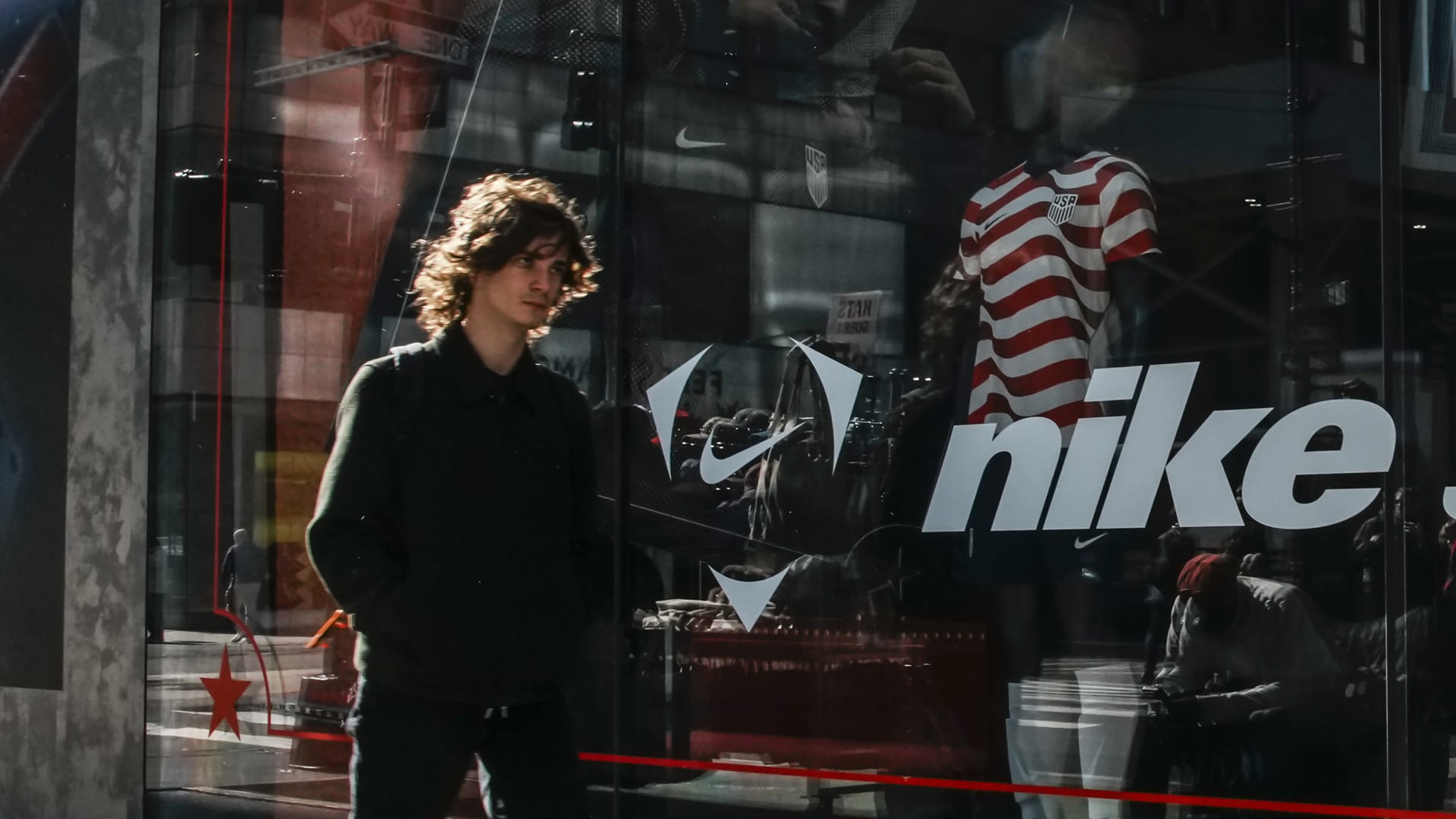
Trump Tariff Refunds Could Benefit Nike Significantly

- Tariff Refund Potential: Analysts estimate that Nike could significantly benefit from Trump tariff refunds, with expected boosts of 36% to earnings per share (EPS) and earnings before interest and taxes (EBIT), providing crucial financial support as its stock has declined over 30% this year.
- Capital Allocation Strategy: Analysts indicate that Nike plans to use the refunds for debt reduction, share buybacks, and investment spending without lowering consumer prices, demonstrating a robust capital management strategy amid market pressures.
- Legal Challenges Impact: Despite a class action lawsuit filed by consumers against Nike, arguing that the company should not retain tariff refunds passed on to consumers through higher prices, analysts still view the refunds as a positive catalyst expected to arrive in July and August.
- Market Reaction and Confidence: Nike's stock plunged 15% after a disappointing earnings report in March and is now down about 45% from its 52-week high, yet the recent $1 million stock purchases by its CEO and Apple’s CEO indicate strong management confidence in the company's future.
See More
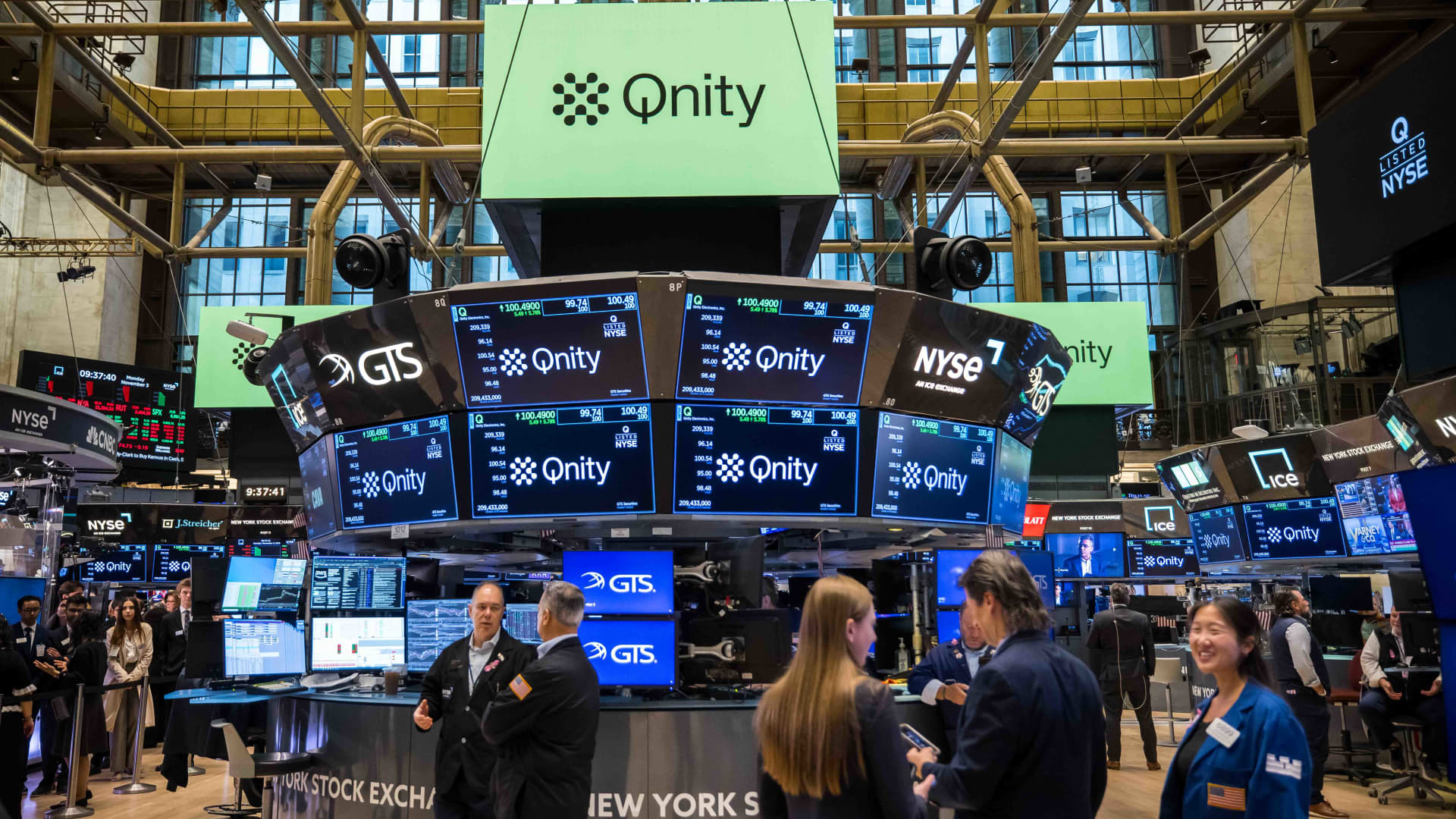
Markets Hit New Highs as Tech Stocks Surge

- Tech Stocks Surge: Stocks like Lumentum, Coherent, Corning, Western Digital, Micron, Seagate, Qualcomm, and Qnity Electronics have all risen over 5%, indicating strong market confidence in the tech sector, which may drive overall market gains further.
- Energy Stocks Rise: Energy stocks increased alongside oil prices after President Trump indicated challenges to the Iran ceasefire, reflecting market sensitivity to energy price fluctuations that could impact consumer spending and overall economic growth.
- Consumer Confidence Dips: Consumer-related stocks, including TJX Companies and Nike, faced declines, highlighting investor anxiety over the potential economic pressures from rising energy prices, which could dampen consumer spending.
- CPI Report Expectations: The upcoming Consumer Price Index report is expected to show a significant month-over-month increase, with economists predicting a 0.59% rise from March, which may prompt government actions to alleviate economic burdens on consumers, further influencing market sentiment.
See More

Nike Faces Lawsuit Over Tariff Refunds
- Customer Lawsuit: Nike is being sued by customers for allegedly failing to refund tariff-related fees, which could lead to legal liabilities and impact brand reputation and customer trust.
- Financial Risks: The lawsuit may impose additional financial burdens on Nike, and an unfavorable ruling could affect future profits and cash flow.
- Market Reaction: Nike's stock price may come under pressure due to the lawsuit news, with investor concerns about corporate governance and compliance potentially intensifying.
- Brand Image Challenge: This incident could negatively affect Nike's brand image, particularly in a context where consumers are increasingly focused on corporate social responsibility.
See More
Analysis of Three High-Risk Dividend Stocks
- Clorox Dividend Risk: Clorox's dividend yield stands at 5.6%, yet its projected diluted earnings per share (EPS) range of $4.78 to $4.98 suggests that its annual dividend of $4.96 may not be sustainable, especially given its free cash flow of only $380 million, which falls short of the $602 million paid out in dividends, prompting investors to exercise caution.
- Nike Earnings Decline: With a dividend yield of 3.9%, Nike's net income has plummeted by 32% to $2 billion, and its diluted EPS of $1.38 is only slightly above the declared dividend of $1.22 per share, indicating that the company may need to cut its dividend to fund its growth strategy, despite its stock price having dropped nearly 70% over the past five years.
- UPS Dividend Uncertainty: UPS offers a 6.6% dividend yield, but its diluted EPS of $1.02 is significantly below the $1.64 it pays in quarterly dividends, and the company is facing growth challenges after reducing its business with Amazon; although it recently declared a dividend, indicating temporary stability, future uncertainty remains.
- Market Reaction Tepid: Despite the attractive dividends of these three stocks, poor financial conditions have led to low investor interest, with Clorox and Nike experiencing significant stock price declines over the past five years, while UPS has also lost more than half its value, reflecting market caution towards high-risk dividend stocks.
See More
Under Armour Forecasts Another Revenue Decline
- Revenue Forecast Decline: Under Armour anticipates a slight revenue decline for fiscal year 2027, contrasting with analysts' average expectation of a 1.6% increase to $5.05 billion, indicating challenges in the North American market amid weak consumer spending and macroeconomic uncertainty.
- Profit Expectations Below Estimates: The company projects annual adjusted earnings per share between 8 and 12 cents, significantly lower than analysts' forecast of 23 cents, reflecting ongoing pressure on its core business.
- Intensified Market Competition: With fierce competition from brands like Nike, Lululemon, Adidas, and Puma, Under Armour faces threats to its market share as consumers become more selective, exacerbating the risk of declining sales.
- Negative Stock Reaction: Following the disappointing outlook, Under Armour's shares fell 12% in premarket trading, indicating investor concerns and diminished confidence in the company's future prospects.
See More
On Reports Strong Q1 Growth, Beats Expectations
- Strong Sales Growth: On reported Q1 sales of 831.9 million Swiss francs, a 14.5% increase year-over-year, surpassing analyst expectations of 823 million francs, indicating robust performance in the premium sneaker market.
- Improved Profitability Outlook: The company expects its gross profit margin to reach at least 64.5% in 2026, up from a previous forecast of 63%, demonstrating resilience amid an uncertain economic backdrop, despite a 20% tariff on imports from Vietnam.
- Strong Performance in China: On's sales in China are growing at a high double-digit percentage, with apparel penetration reaching 30%, contrasting sharply with Nike's struggles in the region, highlighting the effectiveness of its brand strategy in attracting local consumers.
- Management Changes: On announced co-founders Coppetti and Allemann as co-CEOs, replacing Martin Hoffmann, and while management has changed, Coppetti emphasized that the company's strategy will remain focused on executing its premium market approach.
See More
Trump Tariff Refunds Could Benefit Nike Significantly
- Tariff Refund Potential: Analysts estimate that Nike could significantly benefit from Trump tariff refunds, with expected boosts of 36% to earnings per share (EPS) and earnings before interest and taxes (EBIT), providing crucial financial support as its stock has declined over 30% this year.
- Capital Allocation Strategy: Analysts indicate that Nike plans to use the refunds for debt reduction, share buybacks, and investment spending without lowering consumer prices, demonstrating a robust capital management strategy amid market pressures.
- Legal Challenges Impact: Despite a class action lawsuit filed by consumers against Nike, arguing that the company should not retain tariff refunds passed on to consumers through higher prices, analysts still view the refunds as a positive catalyst expected to arrive in July and August.
- Market Reaction and Confidence: Nike's stock plunged 15% after a disappointing earnings report in March and is now down about 45% from its 52-week high, yet the recent $1 million stock purchases by its CEO and Apple’s CEO indicate strong management confidence in the company's future.
See More
Markets Hit New Highs as Tech Stocks Surge
- Tech Stocks Surge: Stocks like Lumentum, Coherent, Corning, Western Digital, Micron, Seagate, Qualcomm, and Qnity Electronics have all risen over 5%, indicating strong market confidence in the tech sector, which may drive overall market gains further.
- Energy Stocks Rise: Energy stocks increased alongside oil prices after President Trump indicated challenges to the Iran ceasefire, reflecting market sensitivity to energy price fluctuations that could impact consumer spending and overall economic growth.
- Consumer Confidence Dips: Consumer-related stocks, including TJX Companies and Nike, faced declines, highlighting investor anxiety over the potential economic pressures from rising energy prices, which could dampen consumer spending.
- CPI Report Expectations: The upcoming Consumer Price Index report is expected to show a significant month-over-month increase, with economists predicting a 0.59% rise from March, which may prompt government actions to alleviate economic burdens on consumers, further influencing market sentiment.
See More
Nike Faces Lawsuit Over Tariff Refunds
- Customer Lawsuit: Nike is being sued by customers for allegedly failing to refund tariff-related fees, which could lead to legal liabilities and impact brand reputation and customer trust.
- Financial Risks: The lawsuit may impose additional financial burdens on Nike, and an unfavorable ruling could affect future profits and cash flow.
- Market Reaction: Nike's stock price may come under pressure due to the lawsuit news, with investor concerns about corporate governance and compliance potentially intensifying.
- Brand Image Challenge: This incident could negatively affect Nike's brand image, particularly in a context where consumers are increasingly focused on corporate social responsibility.
See More