NEJM Publishes FRONTIER2 Trial Results
The company states: "Today, the New England Journal of Medicine, NEJM, published 26-week results from the phase 3 FRONTIER2 trial evaluating the efficacy and safety of once-monthly and once-weekly denecimig in adults and adolescents 12 years of age and older with haemophilia A, with or without FVIII inhibitors. Investigational denecimig is a bispecific antibody Factor VIIIa mimetic, designed for routine prophylaxis to help the body form blood clots. It is being studied as part of the FRONTIER program across different dosing frequencies, age groups, and severities for people living with haemophilia A, with or without inhibitors. The FRONTIER2 study measured how many bleeding episodes participants experienced each year that required treatment. People who received denecimig once-monthly had significantly fewer bleeding episodes compared to their previous treatments. Specifically, they experienced nearly 99% fewer bleeds compared to on-demand treatment, and about 43% fewer bleeds than when using their regular preventive clotting factor therapy. Similarly, people who received denecimig once-weekly also had significantly fewer bleeding episodes. They experienced approximately 96% fewer bleeds compared to on-demand treatment, and about 54% fewer bleeds than with their previous preventive therapy. In the four arms of the study, zero treated bleeds were reported in 64-95% of participants receiving denecimig, depending on the arm of the trial. In the comparator arms, zero treated bleeds were reported in 0-37% of participants depending on the arm (0% for the on-demand arm, 33% for pre-study clotting factor prophylaxis arm now on once-weekly denecimig treatment, and 37% for pre-study clotting factor prophylaxis arm now on once-monthly denecimig treatment)."
Trade with 70% Backtested Accuracy
Analyst Views on NVO

About NVO
About the author

Canada Approves Generic Semaglutide Injection by Dr. Reddy's

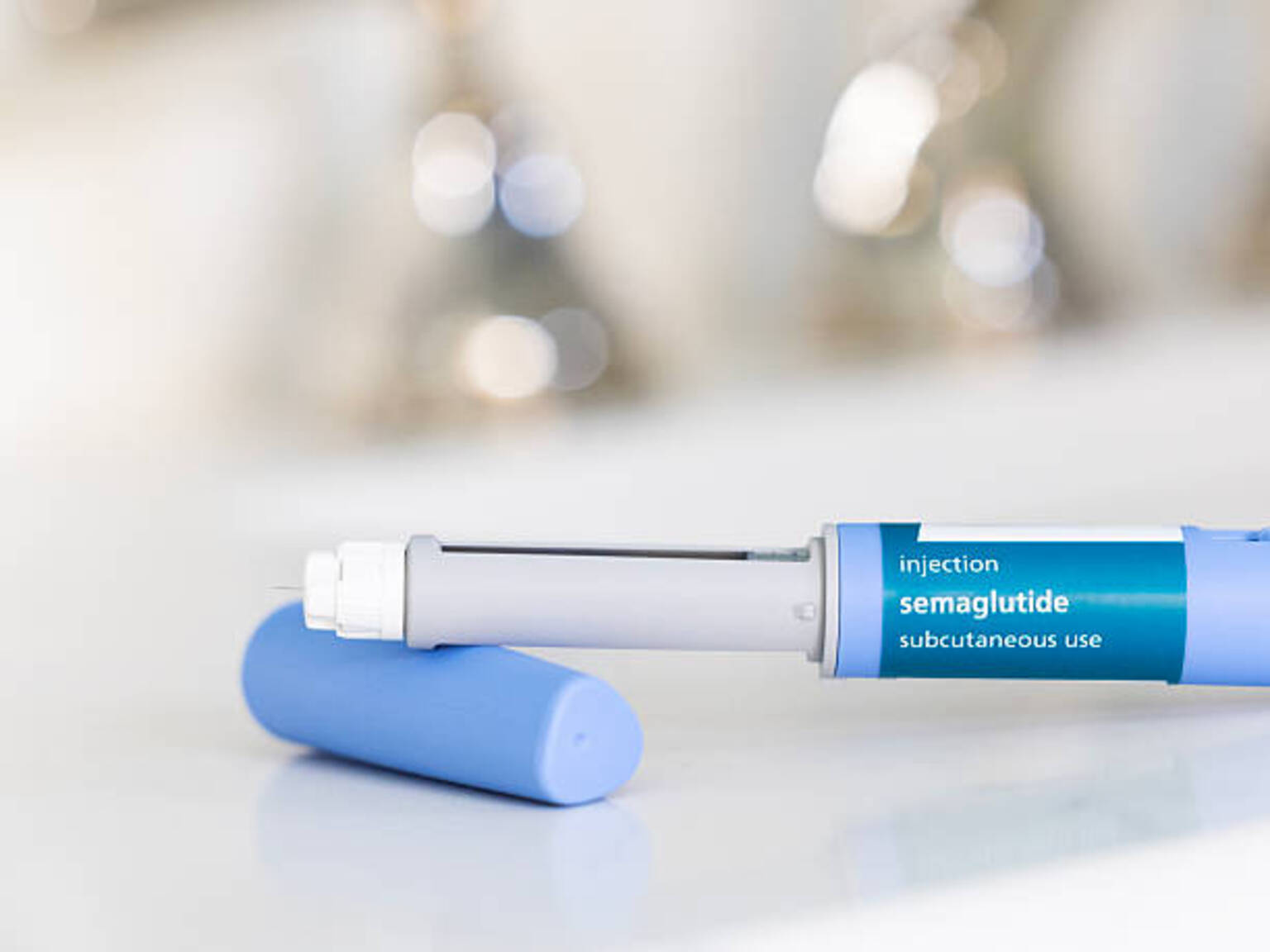
- Generic Approval: Health Canada approved a generic version of Novo Nordisk's GLP-1 drug semaglutide by Dr. Reddy's Laboratories, making Canada the first G7 country to do so, which is expected to enhance market competition and reduce patient costs.
- Indication Limitation: The approval is limited to the treatment of type 2 diabetes and does not include the weight loss indication for Wegovy, which may impact Dr. Reddy's potential revenue in the weight loss market, although the diabetes market remains substantial.
- Pending Applications: Health Canada noted that eight other applications for generic semaglutide are under review, including those from Teva Canada and Sandoz Canada, indicating strong market demand and competitive dynamics for this class of drugs.
- Market Outlook: With the introduction of generics, Novo Nordisk may face intensified competition, particularly within the GLP-1 duopoly, which could affect its future market share and profitability.
Novo Nordisk Launches Oral GLP-1 Drug Ozempic
- New Drug Launch: Novo Nordisk announced the launch of its oral GLP-1 receptor agonist semaglutide, branded as Ozempic, starting next week for adults with type 2 diabetes, marking a significant expansion in the diabetes treatment sector.
- Multiple Dosage Options: Ozempic will be available in 1.5 mg, 4 mg, and 9 mg doses, set to hit over 70,000 U.S. pharmacies on Monday, with insured patients able to access a 3-month prescription for as low as $25, significantly easing patient costs.
- Self-Pay Purchase Channels: Self-pay patients can acquire Ozempic through NovoCare Pharmacy or select telehealth providers, with the starting dose of 1.5 mg priced at $149 per month, reflecting Novo Nordisk's flexible pricing strategy in a competitive market.
- Increased Market Competition: Concurrently, WW International and GoodRx have launched offerings that provide customers access to this once-daily therapy, indicating a growing demand for oral semaglutide and potential impacts on Novo Nordisk's market share.
Apple Surpasses Earnings Expectations, Boosts Stock Price

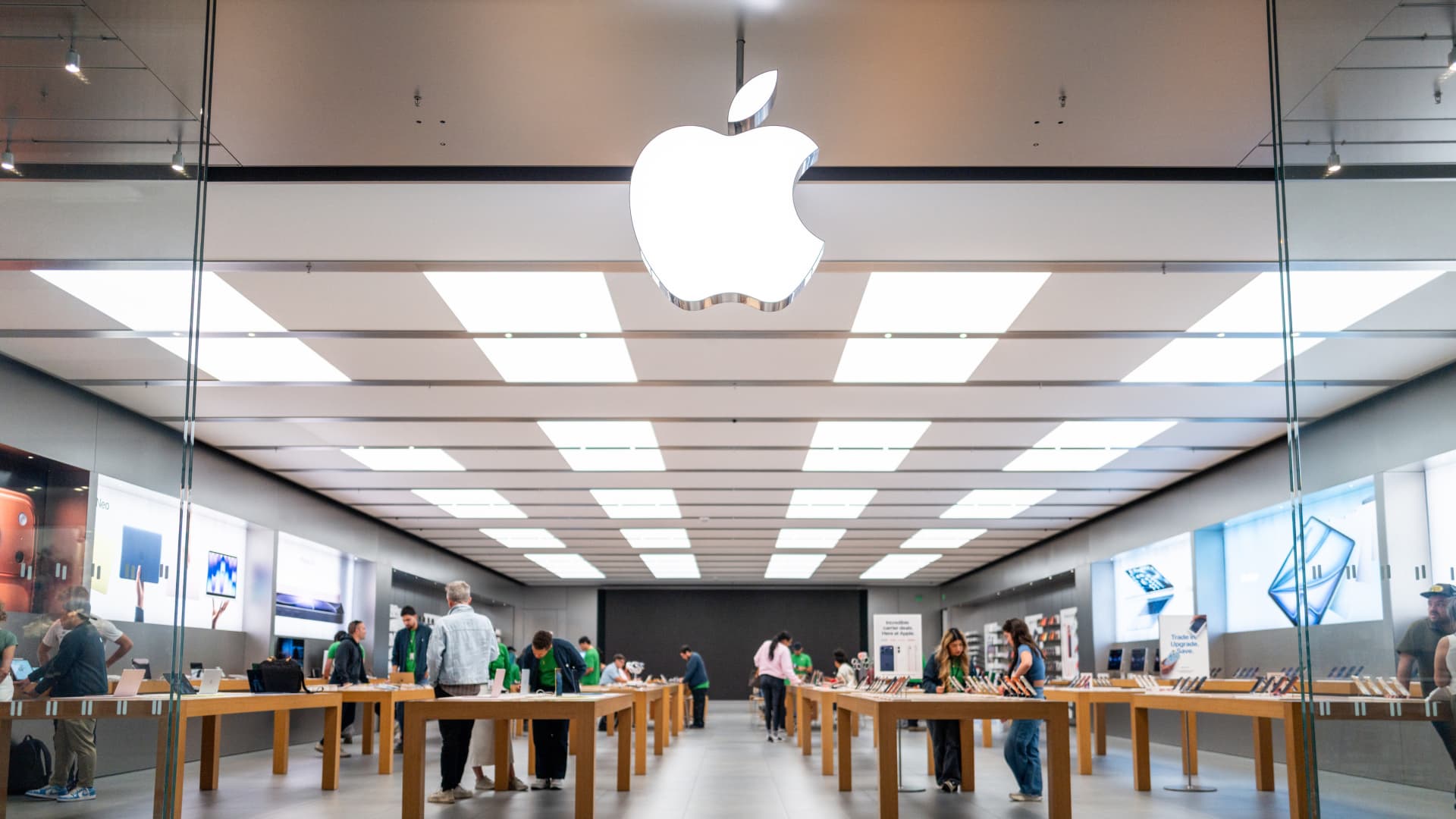
- Apple's Earnings Beat: Apple exceeded analysts' expectations for both earnings and revenue in Q2, resulting in a stock price increase of over 3%, despite iPhone sales falling short, as phone revenue rose 22% from the same period in 2025, indicating strong market demand.
- Supply Chain Challenges: While overall revenue surpassed estimates, CEO Tim Cook warned that the global memory shortage will increasingly impact the business, highlighting the need for the company to remain agile in response to cost pressures.
- Positive Market Reaction: Following the strong earnings report, Apple's stock performed well at market open, reflecting investor confidence in the company's future growth potential, particularly against the backdrop of upcoming product launches.
- Industry Trend Impact: Apple's success also mirrors the recovery of the broader tech sector, with both the Nasdaq Composite and S&P 500 indices reaching all-time highs, showcasing strong demand for tech stocks and investor optimism.
Apple's Earnings Beat Boosts Stock Market Rally
- Market Rally: The S&P 500 and Nasdaq Composite both reached record highs yesterday, marking their largest monthly gains since 2020, reflecting increased investor confidence in the economic outlook despite geopolitical tensions.
- Apple's Earnings Beat: Apple exceeded analysts' expectations for second-quarter earnings and revenue, with overall revenue rising 22% from the same period in 2025, despite iPhone sales falling short, indicating strong market demand.
- Surging Energy Prices: California's average gas price topped $6 per gallon for the first time since 2023, marking a 30% increase since the onset of the Iran war, which could significantly pressure consumers and impact spending.
- Booming Functional Snacks: Demand for Hershey's gum and mint products is surging as GLP-1 drug users seek
Eli Lilly Reports Strong Q1 Performance with Revenue Surge

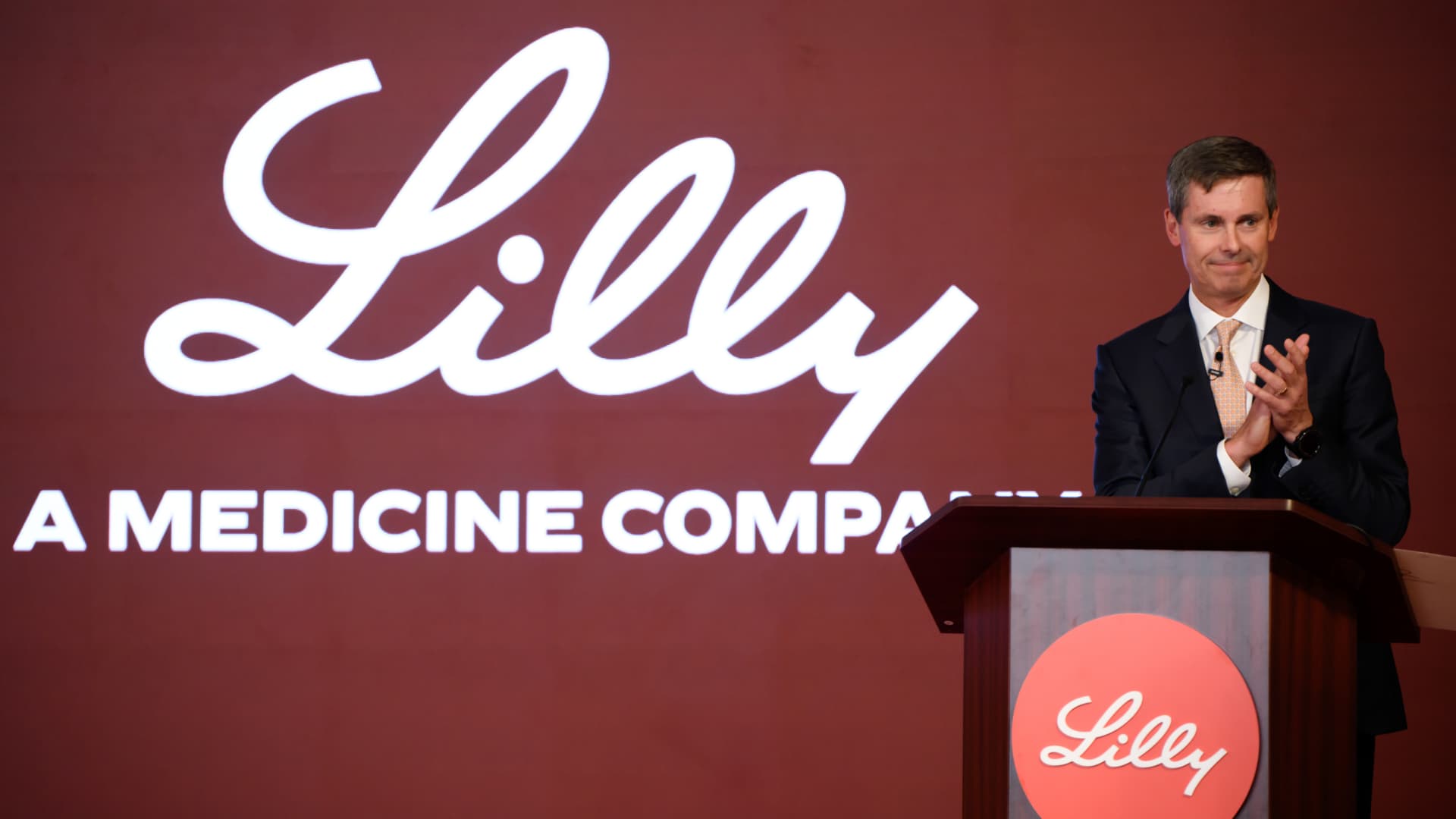
- Significant Revenue Growth: Eli Lilly reported Q1 revenue of $19.8 billion, a 56% year-over-year increase that surpassed the market expectation of $17.6 billion, demonstrating strong performance in the obesity drug market and reinforcing investor confidence in the stock.
- Earnings Surge: Adjusted earnings per share reached $8.55, more than doubling from last year and exceeding the consensus estimate of $6.66, indicating the company's ability to achieve profitability despite declining drug prices.
- Competitive Market Dynamics: Despite competition from Novo Nordisk, CEO David Ricks emphasized that the company can overcome price declines through higher volumes, with U.S. drug prices down 7% but volumes up 49%, showcasing strong demand for its GLP-1 products.
- New Drug Launch and Market Outlook: The recently launched obesity drug Foundayo received FDA approval and became available quickly; although initial growth has been slow, 80% of prescriptions are from patients who had not previously used GLP-1 drugs, suggesting potential to expand the market size.
FDA Proposes Exclusion of Weight Loss Drug Ingredients

- FDA Proposal: The U.S. Food and Drug Administration (FDA) has proposed to exclude Semaglutide and Tirzepatide from the 503B bulk list, limiting the compounding capabilities of outsourcing facilities, which may impact the market supply and accessibility of these drugs.
- Insufficient Clinical Need: The FDA stated that after reviewing available data, it found no clear clinical need to allow compounding of these drugs from raw ingredients, emphasizing patient safety and medical necessity, which could lead to restrictions on the use of related medications.
- Quality and Safety Concerns: The FDA has expressed concerns regarding the quality and safety of compounded weight-loss drugs, noting that these drugs are not reviewed by the FDA, which may pose risks such as improper storage, dosing errors, and counterfeit products, thereby affecting patient health.
- Market Reaction: Following the FDA proposal, shares of Eli Lilly and Novo Nordisk rose by 9% and 5%, respectively, indicating increased market confidence in the FDA-approved drugs from these companies, while Hims & Hers and Teladoc Health saw slight declines, reflecting market concerns over compounded medications.
Canada Approves Generic Semaglutide Injection by Dr. Reddy's
- Generic Approval: Health Canada approved a generic version of Novo Nordisk's GLP-1 drug semaglutide by Dr. Reddy's Laboratories, making Canada the first G7 country to do so, which is expected to enhance market competition and reduce patient costs.
- Indication Limitation: The approval is limited to the treatment of type 2 diabetes and does not include the weight loss indication for Wegovy, which may impact Dr. Reddy's potential revenue in the weight loss market, although the diabetes market remains substantial.
- Pending Applications: Health Canada noted that eight other applications for generic semaglutide are under review, including those from Teva Canada and Sandoz Canada, indicating strong market demand and competitive dynamics for this class of drugs.
- Market Outlook: With the introduction of generics, Novo Nordisk may face intensified competition, particularly within the GLP-1 duopoly, which could affect its future market share and profitability.
Novo Nordisk Launches Oral GLP-1 Drug Ozempic
- New Drug Launch: Novo Nordisk announced the launch of its oral GLP-1 receptor agonist semaglutide, branded as Ozempic, starting next week for adults with type 2 diabetes, marking a significant expansion in the diabetes treatment sector.
- Multiple Dosage Options: Ozempic will be available in 1.5 mg, 4 mg, and 9 mg doses, set to hit over 70,000 U.S. pharmacies on Monday, with insured patients able to access a 3-month prescription for as low as $25, significantly easing patient costs.
- Self-Pay Purchase Channels: Self-pay patients can acquire Ozempic through NovoCare Pharmacy or select telehealth providers, with the starting dose of 1.5 mg priced at $149 per month, reflecting Novo Nordisk's flexible pricing strategy in a competitive market.
- Increased Market Competition: Concurrently, WW International and GoodRx have launched offerings that provide customers access to this once-daily therapy, indicating a growing demand for oral semaglutide and potential impacts on Novo Nordisk's market share.
Apple Surpasses Earnings Expectations, Boosts Stock Price
- Apple's Earnings Beat: Apple exceeded analysts' expectations for both earnings and revenue in Q2, resulting in a stock price increase of over 3%, despite iPhone sales falling short, as phone revenue rose 22% from the same period in 2025, indicating strong market demand.
- Supply Chain Challenges: While overall revenue surpassed estimates, CEO Tim Cook warned that the global memory shortage will increasingly impact the business, highlighting the need for the company to remain agile in response to cost pressures.
- Positive Market Reaction: Following the strong earnings report, Apple's stock performed well at market open, reflecting investor confidence in the company's future growth potential, particularly against the backdrop of upcoming product launches.
- Industry Trend Impact: Apple's success also mirrors the recovery of the broader tech sector, with both the Nasdaq Composite and S&P 500 indices reaching all-time highs, showcasing strong demand for tech stocks and investor optimism.
Apple's Earnings Beat Boosts Stock Market Rally
- Market Rally: The S&P 500 and Nasdaq Composite both reached record highs yesterday, marking their largest monthly gains since 2020, reflecting increased investor confidence in the economic outlook despite geopolitical tensions.
- Apple's Earnings Beat: Apple exceeded analysts' expectations for second-quarter earnings and revenue, with overall revenue rising 22% from the same period in 2025, despite iPhone sales falling short, indicating strong market demand.
- Surging Energy Prices: California's average gas price topped $6 per gallon for the first time since 2023, marking a 30% increase since the onset of the Iran war, which could significantly pressure consumers and impact spending.
- Booming Functional Snacks: Demand for Hershey's gum and mint products is surging as GLP-1 drug users seek
Eli Lilly Reports Strong Q1 Performance with Revenue Surge
- Significant Revenue Growth: Eli Lilly reported Q1 revenue of $19.8 billion, a 56% year-over-year increase that surpassed the market expectation of $17.6 billion, demonstrating strong performance in the obesity drug market and reinforcing investor confidence in the stock.
- Earnings Surge: Adjusted earnings per share reached $8.55, more than doubling from last year and exceeding the consensus estimate of $6.66, indicating the company's ability to achieve profitability despite declining drug prices.
- Competitive Market Dynamics: Despite competition from Novo Nordisk, CEO David Ricks emphasized that the company can overcome price declines through higher volumes, with U.S. drug prices down 7% but volumes up 49%, showcasing strong demand for its GLP-1 products.
- New Drug Launch and Market Outlook: The recently launched obesity drug Foundayo received FDA approval and became available quickly; although initial growth has been slow, 80% of prescriptions are from patients who had not previously used GLP-1 drugs, suggesting potential to expand the market size.
FDA Proposes Exclusion of Weight Loss Drug Ingredients
- FDA Proposal: The U.S. Food and Drug Administration (FDA) has proposed to exclude Semaglutide and Tirzepatide from the 503B bulk list, limiting the compounding capabilities of outsourcing facilities, which may impact the market supply and accessibility of these drugs.
- Insufficient Clinical Need: The FDA stated that after reviewing available data, it found no clear clinical need to allow compounding of these drugs from raw ingredients, emphasizing patient safety and medical necessity, which could lead to restrictions on the use of related medications.
- Quality and Safety Concerns: The FDA has expressed concerns regarding the quality and safety of compounded weight-loss drugs, noting that these drugs are not reviewed by the FDA, which may pose risks such as improper storage, dosing errors, and counterfeit products, thereby affecting patient health.
- Market Reaction: Following the FDA proposal, shares of Eli Lilly and Novo Nordisk rose by 9% and 5%, respectively, indicating increased market confidence in the FDA-approved drugs from these companies, while Hims & Hers and Teladoc Health saw slight declines, reflecting market concerns over compounded medications.