Nasdaq Halts Trading in MaxsMaking (MAMK) at $13 Amid Information Request
Written by Emily J. Thompson, Senior Investment Analyst
Updated: Dec 02 2025
0mins
The Nasdaq Stock Market (NDAQ) announced that trading is halted in MaxsMaking (MAMK) for additional information requested from the company. Previously, the SEC effected a trading suspension in MAMK from 04:00:00 on November 17, 2025 to 23:59:00 on December 1, 2025. The last sale price of the company's shares was $13.00. Trading will remain halted until MaxsMaking has fully satisfied Nasdaq's request for additional information.
Trade with 70% Backtested Accuracy
Stop guessing "Should I Buy NDAQ?" and start using high-conviction signals backed by rigorous historical data.
Sign up today to access powerful investing tools and make smarter, data-driven decisions.
Analyst Views on NDAQ
Wall Street analysts forecast NDAQ stock price to rise
10 Analyst Rating
9 Buy
1 Hold
0 Sell
Strong Buy
Current: 88.450

Low
101.00
Averages
111.50
High
123.00
Current: 88.450
Low
101.00
Averages
111.50
High
123.00
About NDAQ
Nasdaq, Inc. is a global technology company serving corporate clients, investment managers, banks, brokers, and exchange operators as they navigate and interact with the global capital markets and the broader financial system. The Company manages, operates and provides its products and services in three business segments: Capital Access Platforms, Financial Technology and Market Services. Its Capital Access Platforms segment comprises Data & Listing Services, Index and Workflow & Insights. The Financial Technology segment comprises Financial Crime Management Technology, Regulatory Technology and Capital Markets Technology businesses. Its Market Services segment includes its equity derivative trading and clearing, cash equity trading, fixed income, currency and commodities trading. It operates over 19 exchanges across several asset classes, including derivatives, commodities, cash equity, debt, structured products and exchange-traded products (ETPs).
About the author

Emily J. Thompson
Emily J. Thompson, a Chartered Financial Analyst (CFA) with 12 years in investment research, graduated with honors from the Wharton School. Specializing in industrial and technology stocks, she provides in-depth analysis for Intellectia’s earnings and market brief reports.

SEC Plans Vote to Repeal 20-Year Trade Rule


- Rule Change Proposal: The SEC plans to vote next week on a proposal to completely repeal a 20-year-old rule that prevents exchanges and alternative trading systems from executing trades that ignore the national best bid or offer, which could significantly impact fair treatment for individual investors.
- Concerns Over Market Impact: SEC Chairman Paul Atkins has opposed the repeal, fearing unintended consequences on the long-term growth of financial markets, particularly regarding increased transaction costs and execution speed.
- Scheduled Meeting: The SEC meeting is set for June 11 at 10:00 AM ET, where the vote on the repeal will take place, highlighting the market's keen interest in this policy shift.
- Industry Insights: At a fintech conference, SEC Trading and Markets Division Director Jamie Selway noted that the vote on repealing the rule is “genuinely on the table,” emphasizing that Atkins' perspectives will guide the SEC's future direction.
See More

Analysis of PWB Stock's 52-Week Highs and Lows

- Price Range Analysis: PWB's stock has a 52-week low of $110.71 and a high of $164.31, with the latest trade at $158.50, indicating stability near its high and reflecting market confidence in the stock.
- Technical Analysis Tool: Comparing the latest stock price to the 200-day moving average provides valuable insights for investors, helping to assess price trends and potential buy or sell opportunities.
- ETF Trading Mechanism: Exchange-traded funds (ETFs) trade like stocks, where investors buy and sell 'units' that can be created or destroyed based on demand, impacting the underlying holdings of the ETF.
- Inflows and Outflows Monitoring: Weekly monitoring of changes in shares outstanding helps identify ETFs with significant inflows or outflows, where inflows necessitate purchasing underlying assets, while outflows may lead to selling, thus affecting individual component performance.
See More

SpaceX IPO Set to Become Largest in Wall Street History

- Record IPO Size: SpaceX is targeting a June 12 debut, aiming to raise $75 billion and achieve a valuation of at least $1.8 trillion, making it the largest IPO in Wall Street history and generating significant market buzz.
- Nasdaq Rule Changes: In an effort to attract SpaceX to list, Nasdaq has shortened the inclusion window from three months to just 15 trading days and shelved low-float rules, forcing over $30 trillion in passive investment funds to buy SpaceX shares at IPO valuations.
- Fast-Track Index Inclusion: The S&P 500 is considering relaxing its inclusion criteria, potentially waiving the GAAP profitability requirement, which could accelerate SpaceX's entry into the benchmark index, leading to billions in passive fund inflows in the short term.
- Staggered Lockup Period: SpaceX is implementing a staggered lockup schedule, allowing insiders to sell shares much sooner, with other insiders able to sell after the second trading day post-first quarterly earnings report, effectively using retail investors as exit liquidity.
See More

SpaceX IPO Set to Trigger Massive Passive Buying
- Record-Breaking IPO: SpaceX is targeting a June 12 debut, aiming to raise $75 billion and achieve a valuation of at least $1.8 trillion, making it one of the most anticipated IPOs in history, which could significantly influence market indices.
- Fast-Track Inclusion Changes: Recent rule changes by Nasdaq and U.S. Russell Indexes will force trillions in passive investment funds to buy SpaceX shares shortly after the IPO, potentially leading to tens of billions in short-term buying pressure that could affect stock liquidity.
- Staggered Lockup Period: SpaceX's staggered lockup schedule allows insiders to sell shares as early as the second trading day after the first quarterly earnings report, which may position retail investors as exit liquidity for insiders, increasing market risk.
- Retail Investor Risks: The combination of new rules and lockup arrangements may leave retail investors holding shares of a historically expensive, capital-intensive, and money-losing business, masking potential investment pitfalls amid the excitement surrounding SpaceX.
See More
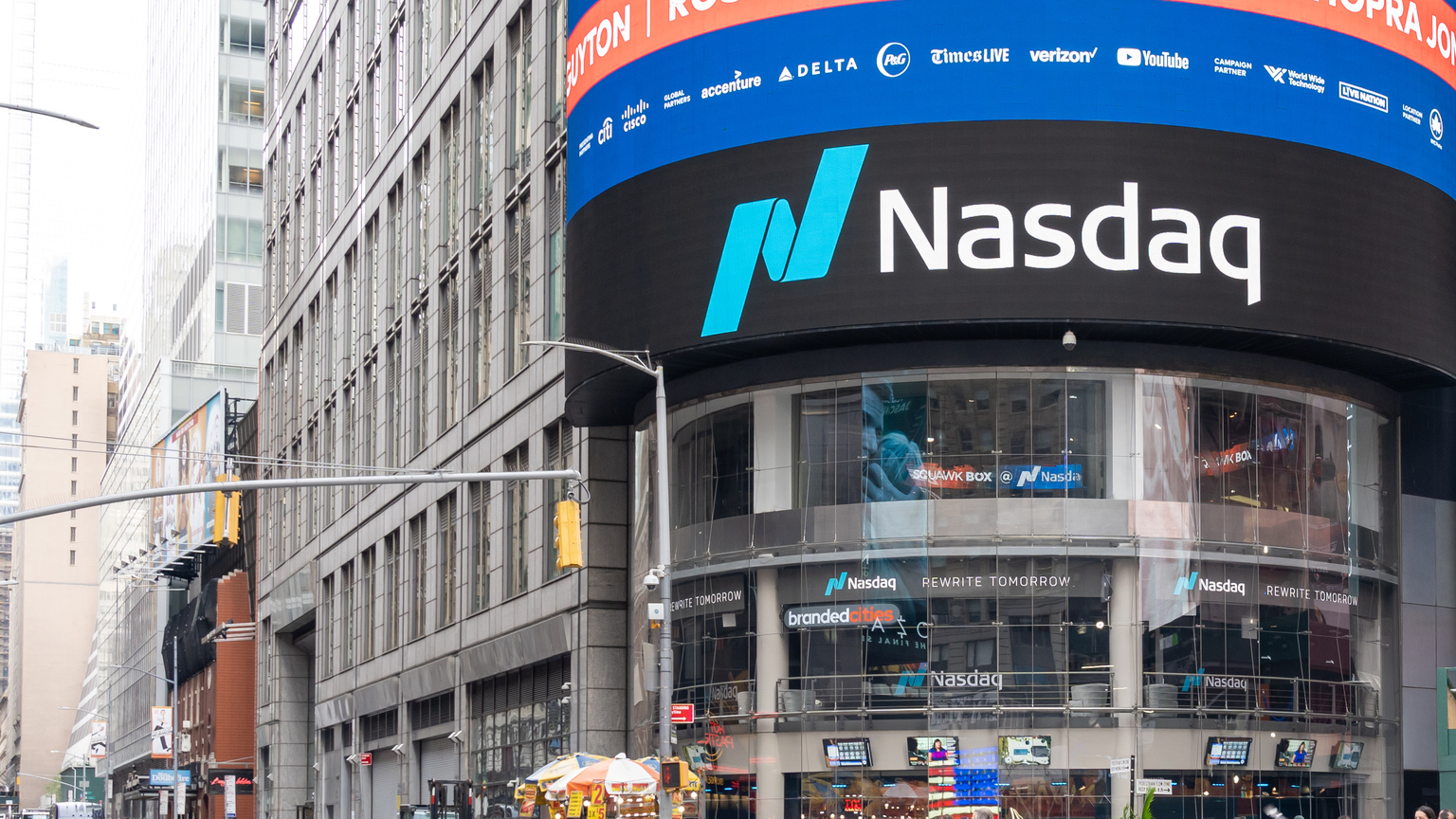
Nasdaq Trading Volume Sees Significant Growth
- U.S. Equity Volume Growth: Nasdaq's U.S. equity trading volume reached 57.8 billion shares in May, reflecting a 6.6% increase from April's 54.2 billion and a 17% rise from May 2025, indicating heightened market activity that may attract more investors.
- European Equity Volume Rise: European equity trading volume totaled $95.5 billion, marking a 6.8% month-over-month increase and a 19% year-over-year growth, suggesting increased investor confidence in the European market that could drive future capital inflows.
- Stable Options Trading: U.S. equity options volume stood at 389 million contracts, up 1.8% month-over-month and 23% year-over-year, indicating sustained demand for options trading, which may enhance market liquidity.
- Decline in European Options and Futures: In contrast to the strong U.S. performance, European options and futures volume fell to 4.3 million contracts, down 2.3% month-over-month and 12% year-over-year, reflecting potential uncertainties that may affect investor trading decisions.
See More

SpaceX Sets Fixed IPO Price at $135, Valuing Company at $1.75 Trillion

- IPO Pricing Strategy: SpaceX plans to issue 555.6 million shares at a fixed price of $135 each in its IPO, aiming for a fundraising size of $75 billion, a strategy that diverges from the typical price range approach, indicating strong confidence in market demand.
- Company Valuation: At the $135 price point, SpaceX would be valued at $1.75 trillion, making it the seventh-largest company in the U.S. and surpassing Tesla's $1.6 trillion market cap, further solidifying its leadership position in the aerospace industry.
- Market Impact: This IPO is expected to be the largest in history, exceeding Alibaba's IPO size, marking a significant breakthrough for SpaceX in the capital markets while also drawing attention to AI companies like Anthropic and OpenAI.
- Employee Stock Program: SpaceX plans to reserve up to 5% of its IPO shares for
See More
SEC Plans Vote to Repeal 20-Year Trade Rule
- Rule Change Proposal: The SEC plans to vote next week on a proposal to completely repeal a 20-year-old rule that prevents exchanges and alternative trading systems from executing trades that ignore the national best bid or offer, which could significantly impact fair treatment for individual investors.
- Concerns Over Market Impact: SEC Chairman Paul Atkins has opposed the repeal, fearing unintended consequences on the long-term growth of financial markets, particularly regarding increased transaction costs and execution speed.
- Scheduled Meeting: The SEC meeting is set for June 11 at 10:00 AM ET, where the vote on the repeal will take place, highlighting the market's keen interest in this policy shift.
- Industry Insights: At a fintech conference, SEC Trading and Markets Division Director Jamie Selway noted that the vote on repealing the rule is “genuinely on the table,” emphasizing that Atkins' perspectives will guide the SEC's future direction.
See More
Analysis of PWB Stock's 52-Week Highs and Lows
- Price Range Analysis: PWB's stock has a 52-week low of $110.71 and a high of $164.31, with the latest trade at $158.50, indicating stability near its high and reflecting market confidence in the stock.
- Technical Analysis Tool: Comparing the latest stock price to the 200-day moving average provides valuable insights for investors, helping to assess price trends and potential buy or sell opportunities.
- ETF Trading Mechanism: Exchange-traded funds (ETFs) trade like stocks, where investors buy and sell 'units' that can be created or destroyed based on demand, impacting the underlying holdings of the ETF.
- Inflows and Outflows Monitoring: Weekly monitoring of changes in shares outstanding helps identify ETFs with significant inflows or outflows, where inflows necessitate purchasing underlying assets, while outflows may lead to selling, thus affecting individual component performance.
See More
SpaceX IPO Set to Become Largest in Wall Street History
- Record IPO Size: SpaceX is targeting a June 12 debut, aiming to raise $75 billion and achieve a valuation of at least $1.8 trillion, making it the largest IPO in Wall Street history and generating significant market buzz.
- Nasdaq Rule Changes: In an effort to attract SpaceX to list, Nasdaq has shortened the inclusion window from three months to just 15 trading days and shelved low-float rules, forcing over $30 trillion in passive investment funds to buy SpaceX shares at IPO valuations.
- Fast-Track Index Inclusion: The S&P 500 is considering relaxing its inclusion criteria, potentially waiving the GAAP profitability requirement, which could accelerate SpaceX's entry into the benchmark index, leading to billions in passive fund inflows in the short term.
- Staggered Lockup Period: SpaceX is implementing a staggered lockup schedule, allowing insiders to sell shares much sooner, with other insiders able to sell after the second trading day post-first quarterly earnings report, effectively using retail investors as exit liquidity.
See More
SpaceX IPO Set to Trigger Massive Passive Buying
- Record-Breaking IPO: SpaceX is targeting a June 12 debut, aiming to raise $75 billion and achieve a valuation of at least $1.8 trillion, making it one of the most anticipated IPOs in history, which could significantly influence market indices.
- Fast-Track Inclusion Changes: Recent rule changes by Nasdaq and U.S. Russell Indexes will force trillions in passive investment funds to buy SpaceX shares shortly after the IPO, potentially leading to tens of billions in short-term buying pressure that could affect stock liquidity.
- Staggered Lockup Period: SpaceX's staggered lockup schedule allows insiders to sell shares as early as the second trading day after the first quarterly earnings report, which may position retail investors as exit liquidity for insiders, increasing market risk.
- Retail Investor Risks: The combination of new rules and lockup arrangements may leave retail investors holding shares of a historically expensive, capital-intensive, and money-losing business, masking potential investment pitfalls amid the excitement surrounding SpaceX.
See More
Nasdaq Trading Volume Sees Significant Growth
- U.S. Equity Volume Growth: Nasdaq's U.S. equity trading volume reached 57.8 billion shares in May, reflecting a 6.6% increase from April's 54.2 billion and a 17% rise from May 2025, indicating heightened market activity that may attract more investors.
- European Equity Volume Rise: European equity trading volume totaled $95.5 billion, marking a 6.8% month-over-month increase and a 19% year-over-year growth, suggesting increased investor confidence in the European market that could drive future capital inflows.
- Stable Options Trading: U.S. equity options volume stood at 389 million contracts, up 1.8% month-over-month and 23% year-over-year, indicating sustained demand for options trading, which may enhance market liquidity.
- Decline in European Options and Futures: In contrast to the strong U.S. performance, European options and futures volume fell to 4.3 million contracts, down 2.3% month-over-month and 12% year-over-year, reflecting potential uncertainties that may affect investor trading decisions.
See More
SpaceX Sets Fixed IPO Price at $135, Valuing Company at $1.75 Trillion
- IPO Pricing Strategy: SpaceX plans to issue 555.6 million shares at a fixed price of $135 each in its IPO, aiming for a fundraising size of $75 billion, a strategy that diverges from the typical price range approach, indicating strong confidence in market demand.
- Company Valuation: At the $135 price point, SpaceX would be valued at $1.75 trillion, making it the seventh-largest company in the U.S. and surpassing Tesla's $1.6 trillion market cap, further solidifying its leadership position in the aerospace industry.
- Market Impact: This IPO is expected to be the largest in history, exceeding Alibaba's IPO size, marking a significant breakthrough for SpaceX in the capital markets while also drawing attention to AI companies like Anthropic and OpenAI.
- Employee Stock Program: SpaceX plans to reserve up to 5% of its IPO shares for
See More