Musk's Chip Factory Concept: A Potential Connection Between Tesla, SpaceX, and xAI
Chip Manufacturing Plans: Elon Musk hinted at Tesla potentially building its own chip manufacturing plant, which could supply chips for Tesla products and other ventures, including SpaceX data centers.
Optimus and Cybercab Developments: Musk aims to integrate Tesla's Optimus humanoid robot with the Cybercab autonomous vehicle for deliveries, despite production delays until 2026 and the need for redesigns.
Cybercab Production Challenges: The Cybercab is set to begin production in April, but its design lacks traditional controls, requiring regulatory exemptions for legal sales, which may limit initial production.
Analyst Ratings on TSLA Stock: Analysts maintain a Hold consensus on TSLA stock, with an average price target suggesting a potential downside risk of 6.1%.
Trade with 70% Backtested Accuracy
Analyst Views on TSLA

About TSLA
About the author


Tesla Sales Decline Raises Concerns Over Future Products

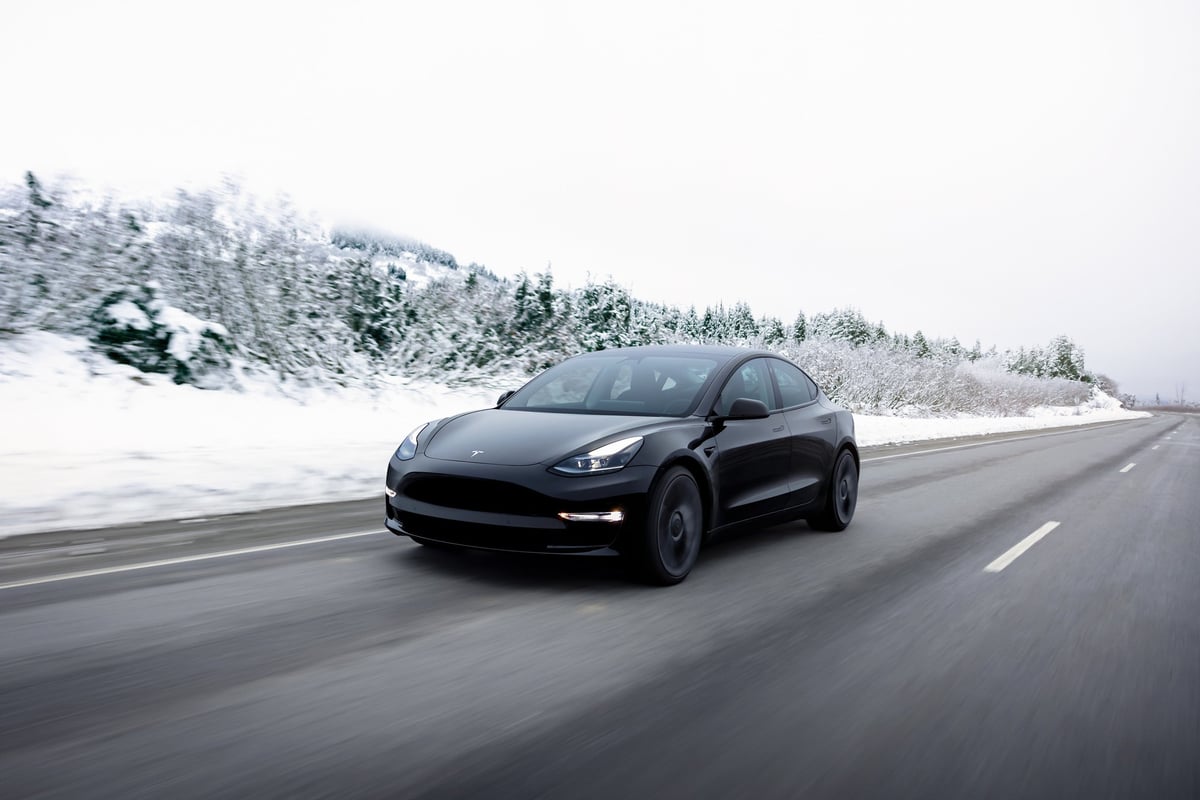
- Declining Sales: Tesla delivered 1.79 million EVs in 2024, a 1% decline from the previous year, and further dropped to 1.63 million in 2025, marking a 9% year-over-year decrease, which led to a 10% drop in automotive revenue and a staggering 47% plunge in earnings per share (EPS) for 2025.
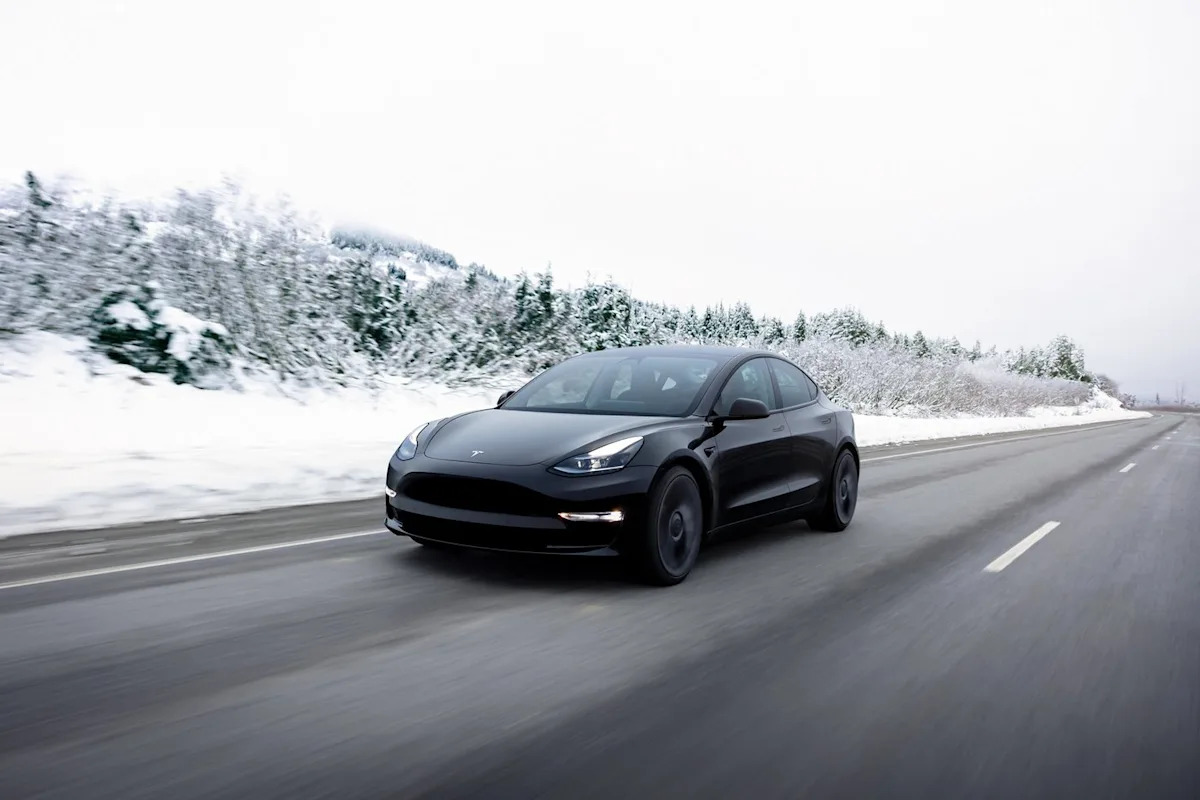
- Increased Market Competition: Tesla plans to discontinue the Model X and Model S in 2026 to focus on higher-volume models like the Model Y and Model 3, yet faces intensified competition from low-cost manufacturers like BYD, which has rapidly gained market share.
- Future Product Uncertainty: While Tesla's Cybercab robotaxi and Optimus humanoid robot are seen as promising future products, the current approval of FSD technology only in Texas poses significant delays for broader rollout, potentially impacting future revenue streams.
- Valuation Concerns: With a price-to-earnings ratio of 377, Tesla's stock is significantly overvalued compared to other trillion-dollar companies, and if EV sales continue to decline or if there are delays in new product launches, a 34% drop in stock price could lead to Tesla exiting the $1 trillion club by 2026.
Tesla Faces Valuation Crisis Amid Declining Sales
- Declining Sales: Tesla delivered 1.79 million EVs in 2024, a 1% decline, followed by a sharper 9% drop to 1.63 million in 2025, leading to a 10% decrease in automotive revenue and a staggering 47% plunge in earnings per share (EPS), highlighting the weakness in its core business.
- Increased Market Competition: Tesla plans to discontinue the Model X and Model S in 2026 to focus on more competitive, lower-priced models like the Model Y and Model 3, in response to market encroachment from low-cost manufacturers like BYD, which outsold Tesla globally for the first time in 2025.
- Future Product Uncertainty: While Tesla's Cybercab and Optimus robots are seen as future growth opportunities, the FSD technology is currently only approved for use in Austin, Texas, and broader rollout faces strict regulations, potentially delaying product launches and impacting investor confidence.
- Significant Valuation Risks: With a price-to-earnings ratio of 377, Tesla's stock is vastly overvalued compared to the Nasdaq-100 index; a 34% decline in stock price would drop it out of the $1 trillion club, with significant risks of adjustment if EV sales continue to decline or product rollouts are delayed.
Tesla and Alphabet Collaborate on Energy Affordability Initiative

- Collaborative Energy Initiative: Tesla and Alphabet have formed a new coalition called Utilize, aimed at leveraging underused electricity grid capacity to tackle growing concerns over energy affordability, indicating a strategic partnership in the sustainable energy sector.
- Positive Market Reaction: Tesla's shares rose nearly 1% in Tuesday's pre-market trading, reflecting investor optimism regarding the collaboration with Alphabet, as retail sentiment around TSLA stock trended towards 'extremely bullish' on trading platforms.
- Alphabet's Stock Fluctuation: In contrast, Alphabet's Class A shares experienced a slight decline of about 0.3% during the same period, suggesting a cautious market outlook on its role and potential benefits from the partnership, which may impact its short-term stock performance.
- Future Energy Market Implications: This collaboration not only enhances the influence of both companies in the energy sector but also has the potential to drive broader industry changes, promoting the use of renewable energy and improving grid efficiency, thereby laying the groundwork for future sustainable development.

Tesla Shares Climb as Battery Supplier Reports Strong Earnings.

Tesla Stock Performance: Tesla's stock experienced an increase early Tuesday.
Battery Supplier Earnings: The rise in Tesla's stock coincided with positive earnings reports from its battery supplier, which exceeded expectations.
Tesla May Drop Out of $1 Trillion Club by 2026

- Declining Sales: Tesla delivered 1.63 million EVs in 2025, a 9% drop from 2024, leading to a 10% decline in automotive revenue and a significant 47% impact on earnings, highlighting the vulnerability of its core business.
- Intensifying Competition: By phasing out the Model X and Model S, Tesla aims to focus on higher-volume models like the Model Y and Model 3 to counter competition from low-cost manufacturers like BYD, which outsold Tesla globally for the first time in 2025.
- Future Product Potential: While Tesla's Cybercab and Optimus robots could generate high-margin revenue streams, regulatory hurdles for FSD technology may delay the Cybercab's rollout, impacting future revenue growth.
- Significant Valuation Risks: With a P/E ratio of 377, Tesla's stock is heavily overvalued compared to other trillion-dollar companies, and if EV sales continue to decline, a 34% drop in stock price could lead to its exit from the trillion-dollar club.

Wood Predicts Major Shift in Global Markets

- Iran Situation Eases: Wood highlights a 90% drop in Iranian missile and drone activity, indicating a significant weakening of the regime, which is expected to ease geopolitical tensions and stabilize global markets.
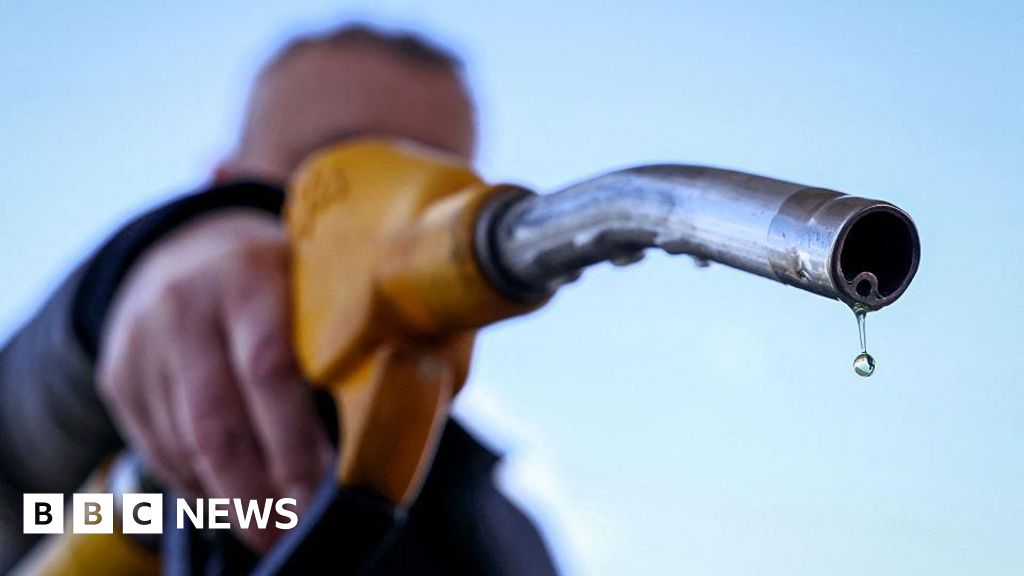
- Oil Price Forecast Drop: Wood predicts that as the Middle East transitions into the electric vehicle realm, oil prices could plummet from the current $90 to below $50 per barrel, potentially disrupting traditional energy markets significantly.
- Tech Economy Rise: Wood views Iran's young, educated population as a 'coiled spring' ready to join the global tech economy once freed from repression, which could drive rapid advancements in technology and innovation.
- Tesla and Palantir Performance: Tesla's stock has declined 11.35% year-to-date, while Palantir has dropped 11.99%, indicating both companies face short-term price trend challenges despite strong long-term performance outlooks.
Tesla Sales Decline Raises Concerns Over Future Products
- Declining Sales: Tesla delivered 1.79 million EVs in 2024, a 1% decline from the previous year, and further dropped to 1.63 million in 2025, marking a 9% year-over-year decrease, which led to a 10% drop in automotive revenue and a staggering 47% plunge in earnings per share (EPS) for 2025.
- Increased Market Competition: Tesla plans to discontinue the Model X and Model S in 2026 to focus on higher-volume models like the Model Y and Model 3, yet faces intensified competition from low-cost manufacturers like BYD, which has rapidly gained market share.
- Future Product Uncertainty: While Tesla's Cybercab robotaxi and Optimus humanoid robot are seen as promising future products, the current approval of FSD technology only in Texas poses significant delays for broader rollout, potentially impacting future revenue streams.
- Valuation Concerns: With a price-to-earnings ratio of 377, Tesla's stock is significantly overvalued compared to other trillion-dollar companies, and if EV sales continue to decline or if there are delays in new product launches, a 34% drop in stock price could lead to Tesla exiting the $1 trillion club by 2026.
Tesla Faces Valuation Crisis Amid Declining Sales
- Declining Sales: Tesla delivered 1.79 million EVs in 2024, a 1% decline, followed by a sharper 9% drop to 1.63 million in 2025, leading to a 10% decrease in automotive revenue and a staggering 47% plunge in earnings per share (EPS), highlighting the weakness in its core business.
- Increased Market Competition: Tesla plans to discontinue the Model X and Model S in 2026 to focus on more competitive, lower-priced models like the Model Y and Model 3, in response to market encroachment from low-cost manufacturers like BYD, which outsold Tesla globally for the first time in 2025.
- Future Product Uncertainty: While Tesla's Cybercab and Optimus robots are seen as future growth opportunities, the FSD technology is currently only approved for use in Austin, Texas, and broader rollout faces strict regulations, potentially delaying product launches and impacting investor confidence.
- Significant Valuation Risks: With a price-to-earnings ratio of 377, Tesla's stock is vastly overvalued compared to the Nasdaq-100 index; a 34% decline in stock price would drop it out of the $1 trillion club, with significant risks of adjustment if EV sales continue to decline or product rollouts are delayed.
Tesla and Alphabet Collaborate on Energy Affordability Initiative
- Collaborative Energy Initiative: Tesla and Alphabet have formed a new coalition called Utilize, aimed at leveraging underused electricity grid capacity to tackle growing concerns over energy affordability, indicating a strategic partnership in the sustainable energy sector.
- Positive Market Reaction: Tesla's shares rose nearly 1% in Tuesday's pre-market trading, reflecting investor optimism regarding the collaboration with Alphabet, as retail sentiment around TSLA stock trended towards 'extremely bullish' on trading platforms.
- Alphabet's Stock Fluctuation: In contrast, Alphabet's Class A shares experienced a slight decline of about 0.3% during the same period, suggesting a cautious market outlook on its role and potential benefits from the partnership, which may impact its short-term stock performance.
- Future Energy Market Implications: This collaboration not only enhances the influence of both companies in the energy sector but also has the potential to drive broader industry changes, promoting the use of renewable energy and improving grid efficiency, thereby laying the groundwork for future sustainable development.
Tesla Shares Climb as Battery Supplier Reports Strong Earnings.
Tesla Stock Performance: Tesla's stock experienced an increase early Tuesday.
Battery Supplier Earnings: The rise in Tesla's stock coincided with positive earnings reports from its battery supplier, which exceeded expectations.
Tesla May Drop Out of $1 Trillion Club by 2026
- Declining Sales: Tesla delivered 1.63 million EVs in 2025, a 9% drop from 2024, leading to a 10% decline in automotive revenue and a significant 47% impact on earnings, highlighting the vulnerability of its core business.
- Intensifying Competition: By phasing out the Model X and Model S, Tesla aims to focus on higher-volume models like the Model Y and Model 3 to counter competition from low-cost manufacturers like BYD, which outsold Tesla globally for the first time in 2025.
- Future Product Potential: While Tesla's Cybercab and Optimus robots could generate high-margin revenue streams, regulatory hurdles for FSD technology may delay the Cybercab's rollout, impacting future revenue growth.
- Significant Valuation Risks: With a P/E ratio of 377, Tesla's stock is heavily overvalued compared to other trillion-dollar companies, and if EV sales continue to decline, a 34% drop in stock price could lead to its exit from the trillion-dollar club.
Wood Predicts Major Shift in Global Markets
- Iran Situation Eases: Wood highlights a 90% drop in Iranian missile and drone activity, indicating a significant weakening of the regime, which is expected to ease geopolitical tensions and stabilize global markets.
- Oil Price Forecast Drop: Wood predicts that as the Middle East transitions into the electric vehicle realm, oil prices could plummet from the current $90 to below $50 per barrel, potentially disrupting traditional energy markets significantly.
- Tech Economy Rise: Wood views Iran's young, educated population as a 'coiled spring' ready to join the global tech economy once freed from repression, which could drive rapid advancements in technology and innovation.
- Tesla and Palantir Performance: Tesla's stock has declined 11.35% year-to-date, while Palantir has dropped 11.99%, indicating both companies face short-term price trend challenges despite strong long-term performance outlooks.