MP Materials: Leading the U.S. Rare Earth Market
- Market Opportunity: MP Materials operates the only large-scale rare earth mining site in the U.S. at Mountain Pass, crucial for supply chain security as China is projected to dominate 69% of global rare earth production by 2025, highlighting MP's strategic importance.
- Strategic Investment: The U.S. government has entered a $400 million partnership with MP Materials, guaranteeing a price floor of $110 per kilogram for its core product, neodymium-praseodymium, which not only provides capital but also enhances its competitive position in the market.
- Future Capacity Expansion: MP plans to open its second magnet factory in 2028, with an expected output of 10,000 metric tons per year, aligning with U.S. magnet consumption needs projected to exceed 20,000 metric tons by 2028 and 50,000 metric tons by 2035.
- Valuation Analysis: Currently, MP Materials has a market valuation of approximately $9 billion against $225 million in annual revenue, and with a forward P/E ratio of 1,430, the market's high expectations for its future performance necessitate caution from investors despite its long-term growth potential.
Trade with 70% Backtested Accuracy
Analyst Views on MP

About MP
About the author


Kraig Biocraft Labs Leads Materials Revolution

- Frontier of Material Innovation: Kraig Biocraft Laboratories is advancing a materials revolution by developing recombinant spider silk fibers that combine strength, elasticity, and lightweight characteristics, which are expected to significantly enhance product performance across industries such as aerospace, medical, and defense.
- Eco-Friendly Manufacturing: The company leverages genetically modified silkworms to establish a scalable biological manufacturing platform, addressing manufacturability and durability issues of high-performance materials under everyday conditions, thus transitioning spider silk from theoretical promise to practical application, initially in apparel.
- Strategic Market Positioning: The technological advancements at Kraig Labs align with the growing demand in defense and aerospace sectors, which is expected to create new market opportunities for the company, particularly in the production of lightweight armor and composites.
- Industry Integration Trend: Within the materials ecosystem, Kraig Labs collaborates with companies like 3M, Hexcel, and MP Materials to drive cross-industry applications of materials science, forming an interconnected innovation network that enhances overall market competitiveness.
MP Materials: Leading the U.S. Rare Earth Market


- Market Opportunity: MP Materials operates the only large-scale rare earth mining site in the U.S. at Mountain Pass, crucial for supply chain security as China is projected to dominate 69% of global rare earth production by 2025, highlighting MP's strategic importance.
- Strategic Investment: The U.S. government has entered a $400 million partnership with MP Materials, guaranteeing a price floor of $110 per kilogram for its core product, neodymium-praseodymium, which not only provides capital but also enhances its competitive position in the market.
- Future Capacity Expansion: MP plans to open its second magnet factory in 2028, with an expected output of 10,000 metric tons per year, aligning with U.S. magnet consumption needs projected to exceed 20,000 metric tons by 2028 and 50,000 metric tons by 2035.
- Valuation Analysis: Currently, MP Materials has a market valuation of approximately $9 billion against $225 million in annual revenue, and with a forward P/E ratio of 1,430, the market's high expectations for its future performance necessitate caution from investors despite its long-term growth potential.

MP Materials Benefits from U.S. Rare Earth Supply Chain Push
- Rare Earth Supply Chain Policy: MP Materials is benefiting from the U.S. government's push for a domestic rare earth supply chain, with its second magnet factory expected to produce 10,000 metric tons annually by 2028, meeting U.S. magnet consumption needs for 2024.
- Market Opportunity Analysis: With a market valuation of approximately $9 billion based on $225 million in revenue over the past 12 months, MP Materials shows long-term growth potential despite its current stock price nearing $50, especially as demand for rare earth elements continues to rise.
- Strategic Partnership Agreement: The partnership with Apple includes a $400 million investment and a guaranteed price floor of $110 per kilogram for neodymium-praseodymium, providing financial backing for MP Materials' expansion and ensuring competitiveness in the future market.
- Future Growth Expectations: By 2035, U.S. demand for magnets is projected to exceed 50,000 metric tons, and if MP Materials can meet this demand, its market position will significantly strengthen, although the current high valuation implies increased risk.
Indian Businesses Visit China to Strengthen Cooperation

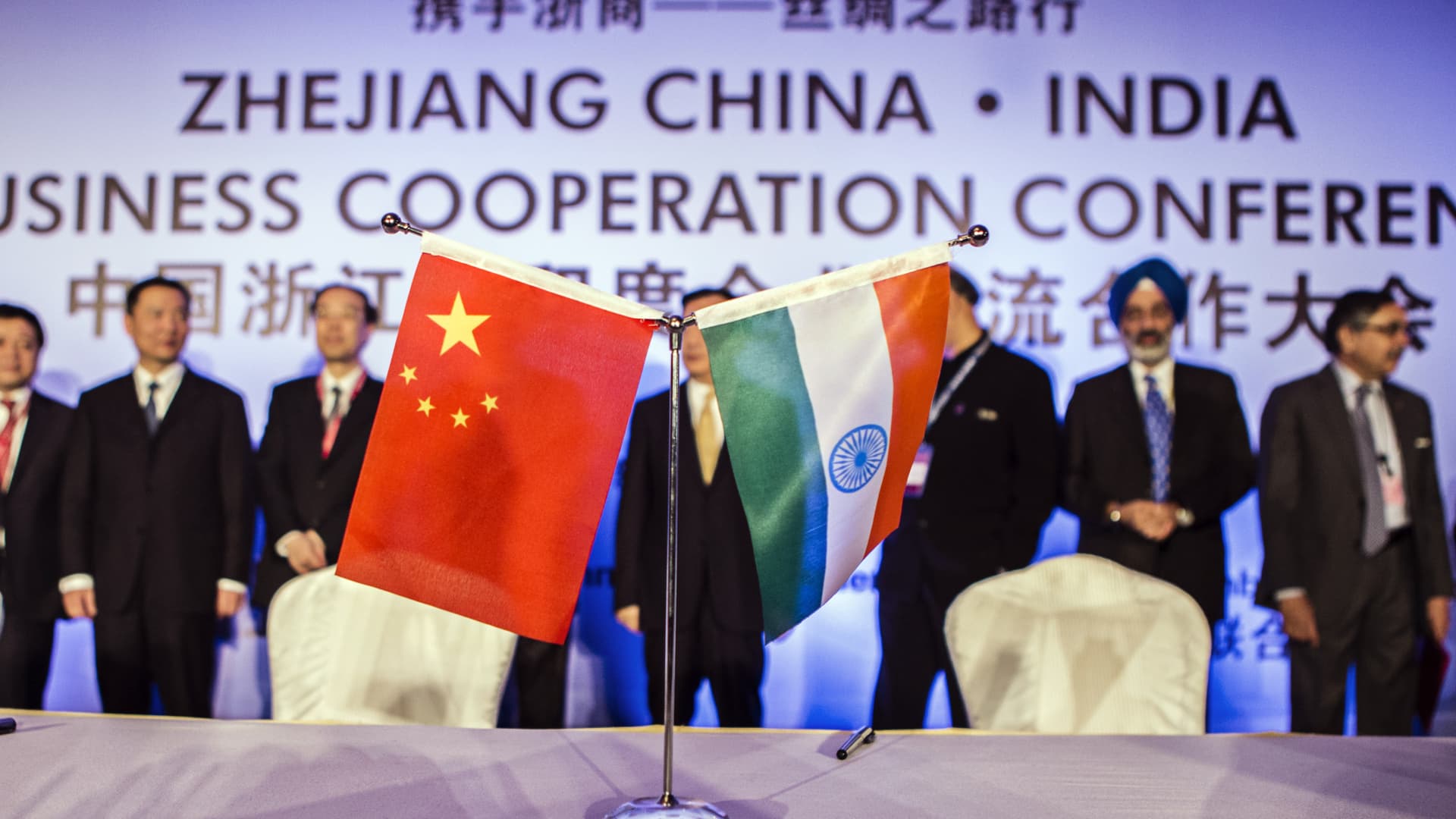
- First Delegation Visit: For the first time in over five years, an Indian business delegation visited China, meeting with eight Chinese firms from Shanghai, Zhejiang, and Wuxi, highlighting potential collaborations in electric vehicle charging and renewable energy sectors.
- Energy Security Focus: As the world's third-largest oil importer, India faces energy supply risks from Middle Eastern conflicts, prompting companies to seek technological partnerships with China to enhance EV charging infrastructure, aiming for electric vehicles to constitute 30% of total sales by 2030.
- Investment Policy Easing: The Indian government has recently relaxed restrictions on Chinese investments, marking a gradual improvement in bilateral relations, although this progress remains cautious and incremental, reflecting mutual interest in technology transfer and joint ventures.
- Complementary Market Potential: With China's strengths in rare earth elements and battery technology, India recognizes that commercial engagement with China is crucial for competitiveness in emerging tech sectors, establishing a foundation for future collaboration based on market complementarity.

REalloys Appoints Defense Executive to Drive Rare Earth Strategy


- Executive Appointment: REalloys has appointed Joe Kasper, former Chief of Staff to the U.S. Secretary of Defense, as chair of its advisory board, aiming to strengthen its strategic positioning in the rare earth metals sector to meet the urgent requirement of eliminating Chinese-sourced materials by 2027 for U.S. defense systems.
- Supply Chain Challenges: The U.S. still faces significant bottlenecks in its capacity to produce rare earth metals, and Kasper's involvement is expected to help address the critical step of converting rare earth oxides into metals and alloys, ensuring the security and stability of defense supply chains.
- Market Dynamics: With rising demand from electrification and defense procurement, the need for rare earth materials is projected to double or triple by 2030, while China's export volumes are decreasing due to increased domestic consumption, leading to a tightening global market and rising prices.
- Production Capacity Expansion: REalloys plans to produce 525 tonnes of NdPr metal annually starting in 2027, with subsequent phases expanding to 3,500 tonnes, ensuring a qualified supply of rare earth metals for U.S. defense and industrial systems to meet the growing market demand.

USA Rare Earth: Operational Advancements Take Precedence Amid Increasing Losses
Company Overview: USA Rare Earth (NASDAQ: USAR) is focused on reducing the U.S. reliance on China for rare earth elements (REEs) and is the only U.S. firm producing and processing REEs at scale, including permanent magnets essential for various technologies.
Market Performance: The company's shares have surged approximately 150% over the past year, although its basic materials stock remains volatile, with significant losses reported in earnings, leading to increased adjusted losses per share.
Strategic Goals: USA Rare Earth aims to become a fully integrated producer of mine-to-magnet products in the U.S., with recent developments indicating progress towards this goal, including the acquisition of Less Common Metals to support manufacturing steps for magnet production.
Funding and Risks: The company has generated substantial gross proceeds from private offerings and is seeking additional funding from the Department of Commerce, but faces significant risks, including reliance on government support and potential delays in revenue generation due to construction setbacks.
Kraig Biocraft Labs Leads Materials Revolution
- Frontier of Material Innovation: Kraig Biocraft Laboratories is advancing a materials revolution by developing recombinant spider silk fibers that combine strength, elasticity, and lightweight characteristics, which are expected to significantly enhance product performance across industries such as aerospace, medical, and defense.
- Eco-Friendly Manufacturing: The company leverages genetically modified silkworms to establish a scalable biological manufacturing platform, addressing manufacturability and durability issues of high-performance materials under everyday conditions, thus transitioning spider silk from theoretical promise to practical application, initially in apparel.
- Strategic Market Positioning: The technological advancements at Kraig Labs align with the growing demand in defense and aerospace sectors, which is expected to create new market opportunities for the company, particularly in the production of lightweight armor and composites.
- Industry Integration Trend: Within the materials ecosystem, Kraig Labs collaborates with companies like 3M, Hexcel, and MP Materials to drive cross-industry applications of materials science, forming an interconnected innovation network that enhances overall market competitiveness.
MP Materials: Leading the U.S. Rare Earth Market
- Market Opportunity: MP Materials operates the only large-scale rare earth mining site in the U.S. at Mountain Pass, crucial for supply chain security as China is projected to dominate 69% of global rare earth production by 2025, highlighting MP's strategic importance.
- Strategic Investment: The U.S. government has entered a $400 million partnership with MP Materials, guaranteeing a price floor of $110 per kilogram for its core product, neodymium-praseodymium, which not only provides capital but also enhances its competitive position in the market.
- Future Capacity Expansion: MP plans to open its second magnet factory in 2028, with an expected output of 10,000 metric tons per year, aligning with U.S. magnet consumption needs projected to exceed 20,000 metric tons by 2028 and 50,000 metric tons by 2035.
- Valuation Analysis: Currently, MP Materials has a market valuation of approximately $9 billion against $225 million in annual revenue, and with a forward P/E ratio of 1,430, the market's high expectations for its future performance necessitate caution from investors despite its long-term growth potential.
MP Materials Benefits from U.S. Rare Earth Supply Chain Push
- Rare Earth Supply Chain Policy: MP Materials is benefiting from the U.S. government's push for a domestic rare earth supply chain, with its second magnet factory expected to produce 10,000 metric tons annually by 2028, meeting U.S. magnet consumption needs for 2024.
- Market Opportunity Analysis: With a market valuation of approximately $9 billion based on $225 million in revenue over the past 12 months, MP Materials shows long-term growth potential despite its current stock price nearing $50, especially as demand for rare earth elements continues to rise.
- Strategic Partnership Agreement: The partnership with Apple includes a $400 million investment and a guaranteed price floor of $110 per kilogram for neodymium-praseodymium, providing financial backing for MP Materials' expansion and ensuring competitiveness in the future market.
- Future Growth Expectations: By 2035, U.S. demand for magnets is projected to exceed 50,000 metric tons, and if MP Materials can meet this demand, its market position will significantly strengthen, although the current high valuation implies increased risk.
Indian Businesses Visit China to Strengthen Cooperation
- First Delegation Visit: For the first time in over five years, an Indian business delegation visited China, meeting with eight Chinese firms from Shanghai, Zhejiang, and Wuxi, highlighting potential collaborations in electric vehicle charging and renewable energy sectors.
- Energy Security Focus: As the world's third-largest oil importer, India faces energy supply risks from Middle Eastern conflicts, prompting companies to seek technological partnerships with China to enhance EV charging infrastructure, aiming for electric vehicles to constitute 30% of total sales by 2030.
- Investment Policy Easing: The Indian government has recently relaxed restrictions on Chinese investments, marking a gradual improvement in bilateral relations, although this progress remains cautious and incremental, reflecting mutual interest in technology transfer and joint ventures.
- Complementary Market Potential: With China's strengths in rare earth elements and battery technology, India recognizes that commercial engagement with China is crucial for competitiveness in emerging tech sectors, establishing a foundation for future collaboration based on market complementarity.
REalloys Appoints Defense Executive to Drive Rare Earth Strategy
- Executive Appointment: REalloys has appointed Joe Kasper, former Chief of Staff to the U.S. Secretary of Defense, as chair of its advisory board, aiming to strengthen its strategic positioning in the rare earth metals sector to meet the urgent requirement of eliminating Chinese-sourced materials by 2027 for U.S. defense systems.
- Supply Chain Challenges: The U.S. still faces significant bottlenecks in its capacity to produce rare earth metals, and Kasper's involvement is expected to help address the critical step of converting rare earth oxides into metals and alloys, ensuring the security and stability of defense supply chains.
- Market Dynamics: With rising demand from electrification and defense procurement, the need for rare earth materials is projected to double or triple by 2030, while China's export volumes are decreasing due to increased domestic consumption, leading to a tightening global market and rising prices.
- Production Capacity Expansion: REalloys plans to produce 525 tonnes of NdPr metal annually starting in 2027, with subsequent phases expanding to 3,500 tonnes, ensuring a qualified supply of rare earth metals for U.S. defense and industrial systems to meet the growing market demand.
USA Rare Earth: Operational Advancements Take Precedence Amid Increasing Losses
Company Overview: USA Rare Earth (NASDAQ: USAR) is focused on reducing the U.S. reliance on China for rare earth elements (REEs) and is the only U.S. firm producing and processing REEs at scale, including permanent magnets essential for various technologies.
Market Performance: The company's shares have surged approximately 150% over the past year, although its basic materials stock remains volatile, with significant losses reported in earnings, leading to increased adjusted losses per share.
Strategic Goals: USA Rare Earth aims to become a fully integrated producer of mine-to-magnet products in the U.S., with recent developments indicating progress towards this goal, including the acquisition of Less Common Metals to support manufacturing steps for magnet production.
Funding and Risks: The company has generated substantial gross proceeds from private offerings and is seeking additional funding from the Department of Commerce, but faces significant risks, including reliance on government support and potential delays in revenue generation due to construction setbacks.