Morgan Stanley CEO Predicts Strong M&A Activity in 2026
Written by Emily J. Thompson, Senior Investment Analyst
Updated: Jan 16 2026
0mins


Source: Fool
- Optimistic M&A Outlook: Morgan Stanley CEO Ted Pick forecasts a prosperous year for M&A and capital markets in 2026, driven by interest rate cuts and geopolitical volatility, with the five major banks reporting a 15% increase in trading revenue for 2025, marking the largest jump in five years.
- Walmart International CEO Resignation: Walmart International CEO Kathryn McLay announced her resignation at the end of the month, despite an 11% sales growth in overseas markets, highlighting potential strategic shifts following her failure to secure the group CEO role.
- Taiwan Trade Agreement Signed: President Trump confirmed a trade deal with Taiwan, reducing tariffs on imports from 20% to 15%, with Taiwanese tech firms pledging at least $250 billion in U.S. investments, aiming to enhance U.S. semiconductor self-sufficiency.
- Decline in Skier Visits: Vail Resorts reported a 20% drop in skier visits compared to last year, and despite a 6.26% dividend yield, analysts suggest management should consider cutting dividends to strengthen the balance sheet.
Trade with 70% Backtested Accuracy
Stop guessing "Should I Buy MS?" and start using high-conviction signals backed by rigorous historical data.
Sign up today to access powerful investing tools and make smarter, data-driven decisions.
Analyst Views on MS
Wall Street analysts forecast MS stock price to fall
14 Analyst Rating
7 Buy
7 Hold
0 Sell
Moderate Buy
Current: 197.770

Low
132.00
Averages
185.00
High
219.00
Current: 197.770
Low
132.00
Averages
185.00
High
219.00
About MS
Morgan Stanley is a global financial services company. The Company is engaged in providing a range of investment banking, securities, wealth management and investment management services. Its segments include Institutional Securities, Wealth Management and Investment Management. Its Institutional Securities segment provides a variety of products and services to corporations, governments, financial institutions and ultra-high net worth clients. Its Wealth Management segment provides an array of financial services and solutions to individual investors and small to medium-sized businesses and institutions. Its Investment Management segment provides a range of investment strategies and products that span geographies, asset classes, and public and private markets to a diverse group of clients across institutional and intermediary channels. Its investment banking services consist of capital raising and financial advisory services, including the underwriting of debt and other products.
About the author

Emily J. Thompson
Emily J. Thompson, a Chartered Financial Analyst (CFA) with 12 years in investment research, graduated with honors from the Wharton School. Specializing in industrial and technology stocks, she provides in-depth analysis for Intellectia’s earnings and market brief reports.
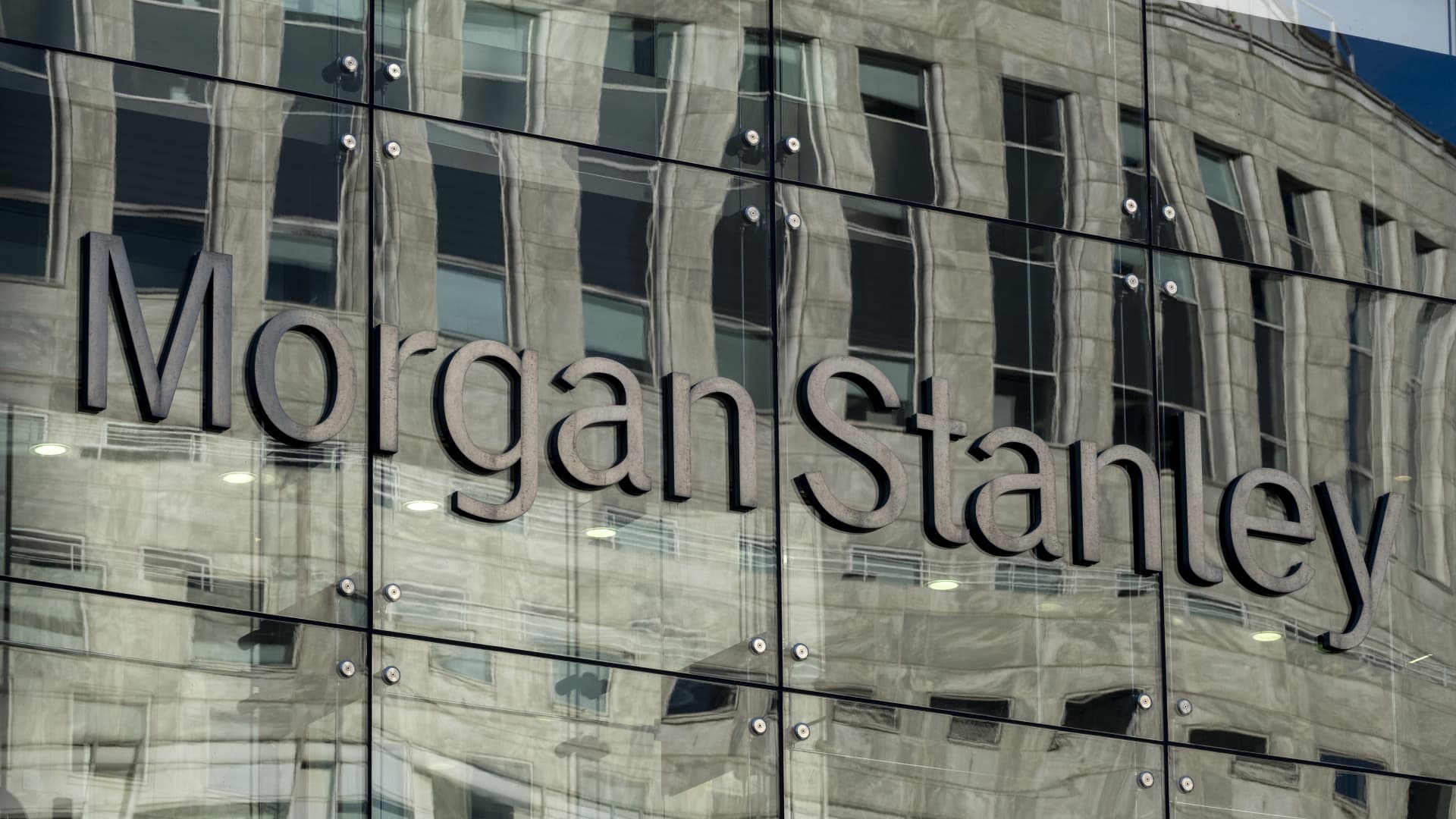
Morgan Stanley's Wealth Management Sees Strong Growth


- Wealth Management Growth: Over the past five years, Morgan Stanley has attracted more than $1.6 trillion in net new assets, serving over 20 million client relationships, with wealth management client assets reaching $7.4 trillion and generating $31.8 billion in annual revenue at a 29.3% pre-tax margin, showcasing its robust performance in the wealth management sector.
- Strong Investment Banking: In Q1, Morgan Stanley's investment banking revenues hit $10.7 billion, up 19% year-over-year, with advisory revenues surging 74% to $978 million, reflecting a rebound in M&A activity particularly in technology and industrial sectors, further solidifying its market position.
- Outstanding Market Performance: Morgan Stanley has outperformed Citigroup, Wells Fargo, and Bank of America in annualized total returns over the past 15 years, demonstrating its competitive edge in the financial markets, especially in the current bullish environment.
- Risk Management Strategy: The stock has steadily risen over the past year, currently approaching the key psychological level of $200, and if it can break through effectively, it will provide greater upside potential for investors, indicating its strength in a healthy equity market.
See More

Japanese Banks Report Record Profits Amidst Uncertain Outlook

- Significant Profit Growth: Japan's three major banks—Mitsubishi UFJ, Sumitomo Mitsui, and Mizuho—reported record annual profits, with Mitsubishi UFJ's net profit rising 30% year-over-year to 2.4 trillion yen, reflecting strong profitability; however, analysts warn that future earnings growth may slow.
- Impact of Rising Rates: Higher yen rates are improving lending margins and supporting net interest income, with Sumitomo Mitsui and Mizuho seeing profit increases of 34% and 41%, respectively, indicating that healthy corporate funding demand and stronger fee income are driving revenue growth.
- Sustainability Challenges: Despite strong current earnings, analysts note that rising credit costs and geopolitical risks could pressure future profitability, especially as global interest rates change, requiring banks to allocate more capital to support balance sheet expansion.
- Monitoring External Environment: Japanese banks are closely monitoring developments in the Middle East, with Mitsubishi UFJ's CEO stating that ongoing tensions could negatively impact earnings, while further rises in oil prices may also affect global economic growth.
See More

SpaceX Aims for Record $75 Billion IPO on Nasdaq


- Record IPO Size: SpaceX's planned Nasdaq debut aims to raise approximately $75 billion, more than triple Alibaba's $22 billion IPO in 2014, marking a significant revival for the U.S. IPO market.
- Market Impact: This IPO is expected to inject new life into a market that has seen muted activity since late 2021, with investors hoping SpaceX's success will encourage other tech firms like OpenAI and Anthropic to go public, thus revitalizing the overall market.
- Increased Industry Competition: With SpaceX's unprecedented fundraising, other major tech companies may reassess their IPO timing and funding strategies, particularly in the AI and space exploration sectors, leading to intensified competition.
- Boosted Investor Confidence: A successful SpaceX IPO will not only enhance investor confidence in high-risk tech stocks but may also draw attention to other potential high-value companies, further stimulating capital flow within the tech industry.
See More
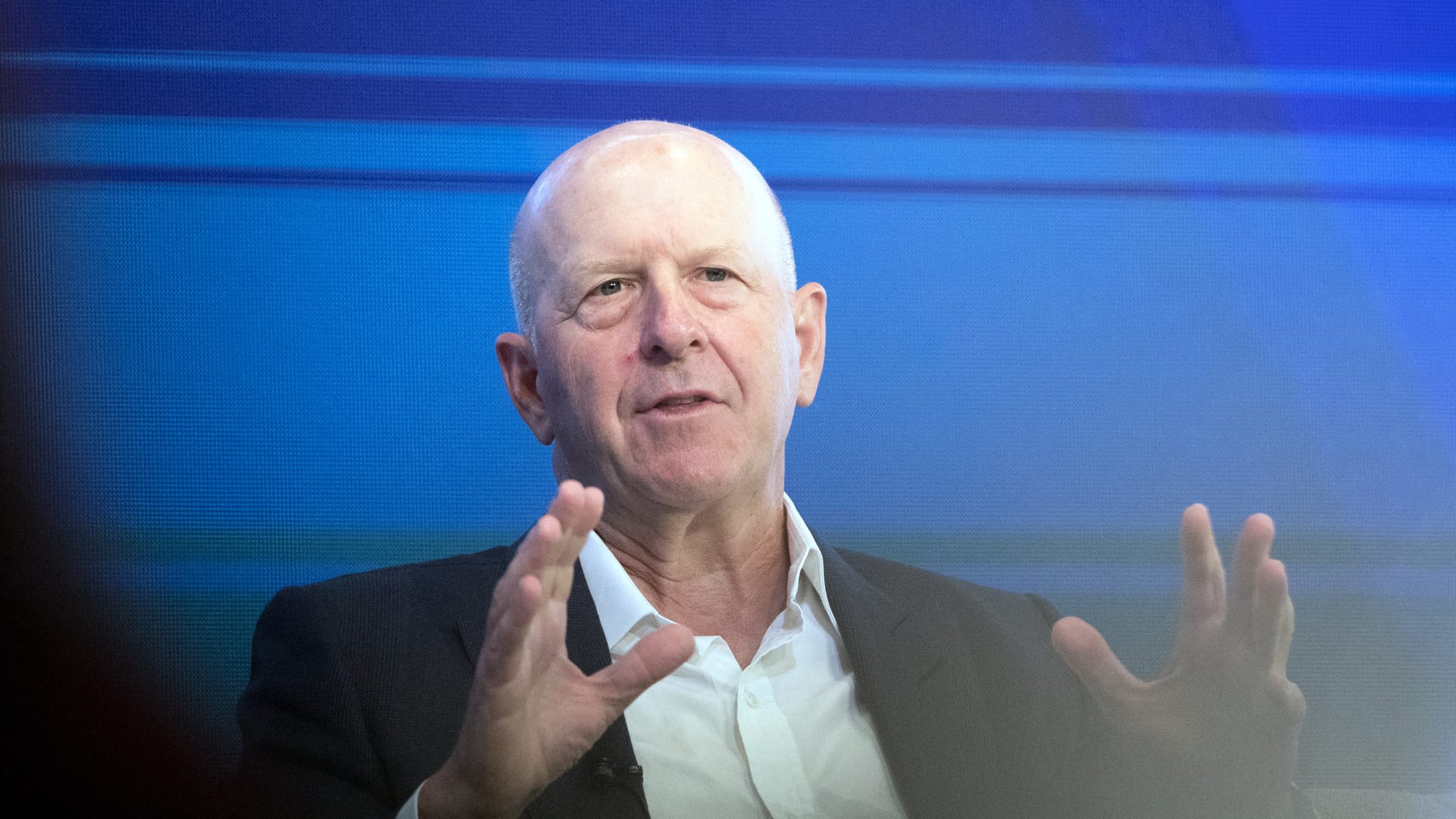
Goldman Sachs Secures Key Role in SpaceX's Historic IPO

- Confirmed IPO Role: Goldman Sachs has been selected as the lead underwriter for SpaceX's historic IPO, which is expected to be the largest ever, with the company's valuation reaching $1.25 trillion, showcasing Goldman's leadership in major IPOs.
- Significant Revenue Potential: The SpaceX IPO is projected to generate over $500 million in underwriting fees, distributed among participating banks, which will significantly boost Goldman's investment banking revenue and further solidify its market position.
- Positive Market Reaction: Shares of Goldman Sachs rose nearly 6% following the announcement, reflecting investor optimism regarding its future performance, particularly in the context of a rebound in IPO and M&A activities.
- Enhanced Competitive Edge: Successfully underwriting the SpaceX IPO will bolster Goldman's competitiveness in future large IPOs like OpenAI and Anthropic, further enhancing its reputation and market share in the investment banking sector.
See More

Goldman Sachs to Lead SpaceX IPO, Stock Rises 5.8%
- Lead Underwriter Role: Goldman Sachs has been appointed as the lead underwriter for SpaceX's upcoming IPO in June, resulting in a 5.8% stock price increase, nearing $1,000 per share, reflecting strong market confidence in its underwriting capabilities.
- Competitive Advantage: This underwriting position not only enhances Goldman’s prestige but also gives it a competitive edge over Morgan Stanley, which is also a lead underwriter but occupies a less favorable position on the IPO prospectus.
- Lucrative Underwriting Fees: With SpaceX aiming to raise $80 billion, a 1% underwriting fee would yield Goldman $800 million, and even though it must share this with 20 other investment banks, its lead role ensures a significant portion of the fee.
- Positive Market Reaction: Investors are optimistic about Goldman’s future profitability due to its leading role in the SpaceX IPO, and its prominent position on the prospectus further boosts investor confidence in the company’s financial outlook.
See More

Goldman Sachs to Lead SpaceX IPO with Fees Exceeding $1 Billion
- Lead Underwriter: Goldman Sachs is set to be the lead underwriter for SpaceX's IPO next month, with fees expected to exceed $1 billion, showcasing Goldman’s significant influence in the capital markets as it collaborates with 21 underwriting banks.
- Stock Surge: Following the Wall Street Journal's report on Goldman’s lead role in the SpaceX IPO, its stock rose 5.8% on Wednesday, nearing $1,000 per share, reflecting market confidence in its underwriting capabilities and investor optimism.
- Historic Earnings: With SpaceX aiming to raise $80 billion, a 1% underwriting fee would yield Goldman $800 million, and although this fee will be shared with 20 other investment banks, Goldman’s lead position ensures a substantial portion, further solidifying its market standing.
- Competitive Edge: By leading the SpaceX IPO, Goldman Sachs surpasses rival Morgan Stanley, enhancing its prestige in the investment banking sector and laying a strong foundation for future underwriting projects.
See More
Morgan Stanley's Wealth Management Sees Strong Growth
- Wealth Management Growth: Over the past five years, Morgan Stanley has attracted more than $1.6 trillion in net new assets, serving over 20 million client relationships, with wealth management client assets reaching $7.4 trillion and generating $31.8 billion in annual revenue at a 29.3% pre-tax margin, showcasing its robust performance in the wealth management sector.
- Strong Investment Banking: In Q1, Morgan Stanley's investment banking revenues hit $10.7 billion, up 19% year-over-year, with advisory revenues surging 74% to $978 million, reflecting a rebound in M&A activity particularly in technology and industrial sectors, further solidifying its market position.
- Outstanding Market Performance: Morgan Stanley has outperformed Citigroup, Wells Fargo, and Bank of America in annualized total returns over the past 15 years, demonstrating its competitive edge in the financial markets, especially in the current bullish environment.
- Risk Management Strategy: The stock has steadily risen over the past year, currently approaching the key psychological level of $200, and if it can break through effectively, it will provide greater upside potential for investors, indicating its strength in a healthy equity market.
See More
Japanese Banks Report Record Profits Amidst Uncertain Outlook
- Significant Profit Growth: Japan's three major banks—Mitsubishi UFJ, Sumitomo Mitsui, and Mizuho—reported record annual profits, with Mitsubishi UFJ's net profit rising 30% year-over-year to 2.4 trillion yen, reflecting strong profitability; however, analysts warn that future earnings growth may slow.
- Impact of Rising Rates: Higher yen rates are improving lending margins and supporting net interest income, with Sumitomo Mitsui and Mizuho seeing profit increases of 34% and 41%, respectively, indicating that healthy corporate funding demand and stronger fee income are driving revenue growth.
- Sustainability Challenges: Despite strong current earnings, analysts note that rising credit costs and geopolitical risks could pressure future profitability, especially as global interest rates change, requiring banks to allocate more capital to support balance sheet expansion.
- Monitoring External Environment: Japanese banks are closely monitoring developments in the Middle East, with Mitsubishi UFJ's CEO stating that ongoing tensions could negatively impact earnings, while further rises in oil prices may also affect global economic growth.
See More
SpaceX Aims for Record $75 Billion IPO on Nasdaq
- Record IPO Size: SpaceX's planned Nasdaq debut aims to raise approximately $75 billion, more than triple Alibaba's $22 billion IPO in 2014, marking a significant revival for the U.S. IPO market.
- Market Impact: This IPO is expected to inject new life into a market that has seen muted activity since late 2021, with investors hoping SpaceX's success will encourage other tech firms like OpenAI and Anthropic to go public, thus revitalizing the overall market.
- Increased Industry Competition: With SpaceX's unprecedented fundraising, other major tech companies may reassess their IPO timing and funding strategies, particularly in the AI and space exploration sectors, leading to intensified competition.
- Boosted Investor Confidence: A successful SpaceX IPO will not only enhance investor confidence in high-risk tech stocks but may also draw attention to other potential high-value companies, further stimulating capital flow within the tech industry.
See More
Goldman Sachs Secures Key Role in SpaceX's Historic IPO
- Confirmed IPO Role: Goldman Sachs has been selected as the lead underwriter for SpaceX's historic IPO, which is expected to be the largest ever, with the company's valuation reaching $1.25 trillion, showcasing Goldman's leadership in major IPOs.
- Significant Revenue Potential: The SpaceX IPO is projected to generate over $500 million in underwriting fees, distributed among participating banks, which will significantly boost Goldman's investment banking revenue and further solidify its market position.
- Positive Market Reaction: Shares of Goldman Sachs rose nearly 6% following the announcement, reflecting investor optimism regarding its future performance, particularly in the context of a rebound in IPO and M&A activities.
- Enhanced Competitive Edge: Successfully underwriting the SpaceX IPO will bolster Goldman's competitiveness in future large IPOs like OpenAI and Anthropic, further enhancing its reputation and market share in the investment banking sector.
See More
Goldman Sachs to Lead SpaceX IPO, Stock Rises 5.8%
- Lead Underwriter Role: Goldman Sachs has been appointed as the lead underwriter for SpaceX's upcoming IPO in June, resulting in a 5.8% stock price increase, nearing $1,000 per share, reflecting strong market confidence in its underwriting capabilities.
- Competitive Advantage: This underwriting position not only enhances Goldman’s prestige but also gives it a competitive edge over Morgan Stanley, which is also a lead underwriter but occupies a less favorable position on the IPO prospectus.
- Lucrative Underwriting Fees: With SpaceX aiming to raise $80 billion, a 1% underwriting fee would yield Goldman $800 million, and even though it must share this with 20 other investment banks, its lead role ensures a significant portion of the fee.
- Positive Market Reaction: Investors are optimistic about Goldman’s future profitability due to its leading role in the SpaceX IPO, and its prominent position on the prospectus further boosts investor confidence in the company’s financial outlook.
See More
Goldman Sachs to Lead SpaceX IPO with Fees Exceeding $1 Billion
- Lead Underwriter: Goldman Sachs is set to be the lead underwriter for SpaceX's IPO next month, with fees expected to exceed $1 billion, showcasing Goldman’s significant influence in the capital markets as it collaborates with 21 underwriting banks.
- Stock Surge: Following the Wall Street Journal's report on Goldman’s lead role in the SpaceX IPO, its stock rose 5.8% on Wednesday, nearing $1,000 per share, reflecting market confidence in its underwriting capabilities and investor optimism.
- Historic Earnings: With SpaceX aiming to raise $80 billion, a 1% underwriting fee would yield Goldman $800 million, and although this fee will be shared with 20 other investment banks, Goldman’s lead position ensures a substantial portion, further solidifying its market standing.
- Competitive Edge: By leading the SpaceX IPO, Goldman Sachs surpasses rival Morgan Stanley, enhancing its prestige in the investment banking sector and laying a strong foundation for future underwriting projects.
See More