Molson Coors Q1 2026 Earnings Call Insights
Written by Emily J. Thompson, Senior Investment Analyst
Updated: Apr 30 2026
0mins
Should l Buy TAP?
Source: seekingalpha
- Strategic Planning Launch: Molson Coors unveiled its 'Horizon 2030' strategy in Q1, aimed at enhancing long-term value creation through acquisitions and investments, reflecting the company's confidence in future growth prospects.
- Acquisition Activity: The company announced the acquisition of Atomic Brands, expecting Monaco Cocktails to contribute approximately 1% to global net sales revenue over the next 12 months while delivering incremental profitability in the first year, thereby enriching its ready-to-drink product line.
- Financial Performance: In Q1, consolidated net sales revenue rose by 0.1%, while underlying pretax income surged by 16.2%, demonstrating the company's effectiveness in cost control and market adaptability, despite a 1.6% decline in the overall U.S. beer industry.
- Future Outlook: While reaffirming its 2026 financial guidance, the company anticipates a 6% to 9% decline in shipments for Q2, primarily due to supply chain challenges, which may exert short-term pressure on performance, yet the long-term strategy remains robust.
Trade with 70% Backtested Accuracy
Stop guessing "Should I Buy TAP?" and start using high-conviction signals backed by rigorous historical data.
Sign up today to access powerful investing tools and make smarter, data-driven decisions.
Analyst Views on TAP
Wall Street analysts forecast TAP stock price to rise
15 Analyst Rating
5 Buy
9 Hold
1 Sell
Moderate Buy
Current: 40.810

Low
46.00
Averages
52.00
High
72.00
Current: 40.810
Low
46.00
Averages
52.00
High
72.00
About TAP
Molson Coors Beverage Company is a holding company. The Company operates in two segments: Americas and EMEA&APAC. The Americas segment consists of the production, importing, marketing, distribution and sales of its owned brands and partner brands and licensed brands in the United States, Canada and various countries in Latin America. It operates nine primary breweries, three craft breweries and two container operations. It also includes partnership arrangements for the distribution of beer in Ontario and the western provinces of Canada. The EMEA&APAC segment consists of the production, marketing and sales of its primary brands as well as other owned and licensed brands in Bulgaria, Croatia, Czech Republic, Hungary, Montenegro, the Republic of Ireland, Romania, Serbia, the United Kingdom, various other European countries and certain countries within the Middle East, Africa and Asia Pacific regions. It operates approximately 10 primary breweries, three craft breweries and one cidery.
About the author

Emily J. Thompson
Emily J. Thompson, a Chartered Financial Analyst (CFA) with 12 years in investment research, graduated with honors from the Wharton School. Specializing in industrial and technology stocks, she provides in-depth analysis for Intellectia’s earnings and market brief reports.
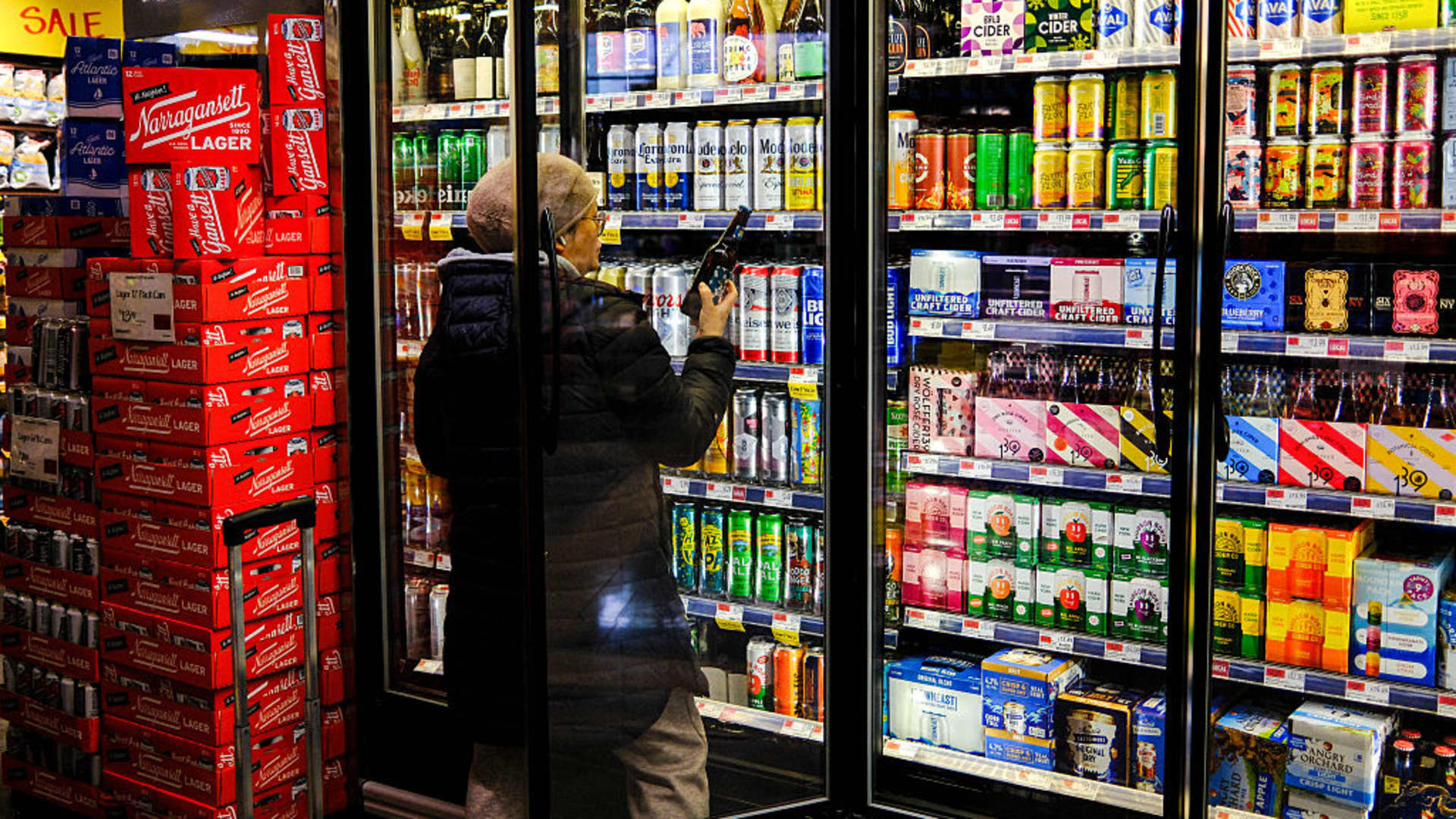
U.S. Beer Sales Decline Unexpectedly Amid Rising Gas Prices


- Sales Decline: U.S. beer, full malt beverages, and cider volumes fell 6.3% year-over-year through the week ending May 2, according to Nielsen data, indicating significant consumer spending pressure amid rising costs.
- Convenience Store Struggles: Sales in convenience stores like 7-Eleven and Wawa dropped approximately 9% year-over-year in the two weeks since April 26, highlighting the adverse effects of high gas prices on impulse purchases, particularly as average gas prices reached $4.51 per gallon.
- High Gas Price Markets: California, the state with the highest gas prices at about $6.16 per gallon, experienced a 16% decline in beer volume from the four weeks ending April 4 to the four weeks ending May 2, with Arizona and Texas also seeing notable declines of 10% and nearly 7%, respectively.
- Consumer Sentiment Decline: U.S. consumer sentiment hit a record low in May, with one-third of respondents citing gas prices as their primary concern, indicating that while brands like Michelob Ultra remain stable, the overall market faces significant challenges.
See More

U.S. Beer Sales Plummet 6.3% Amid Rising Gas Prices
- Sales Decline: U.S. beer, full malt beverage, and cider volumes fell 6.3% year-over-year through the week ending May 2, reflecting a significant drop in consumer confidence to multi-year lows, with the decline exceeding expectations and indicating market fragility.
- Convenience Store Pressure: The convenience channel has seen a notable 9% year-over-year drop in volumes over the two weeks since April 26, closely tied to reduced gas station traffic and impulse purchases, suggesting that rising gas prices are impacting consumer spending behavior.
- High Gas Price Impact: Average U.S. gasoline prices have surged approximately 52% since the onset of the Iran conflict, with California's prices reaching $6.16 per gallon, leading to a 16% decline in beer volumes over four weeks, highlighting the intensifying consumer pressure in high fuel cost markets.
- Brand Performance Divergence: While overall sales are declining, AB InBev's Michelob Ultra remains stable, whereas Bud Light and Budweiser are experiencing double-digit volume declines, with Boston Beer performing the worst, Molson Coors losing market share, and Constellation Brands gaining traction against competitors.
See More

Molson Coors Declares Quarterly Dividend of $0.48
- Quarterly Dividend Announcement: Molson Coors has declared a quarterly dividend of $0.48 per share, consistent with previous payouts, demonstrating the company's ongoing ability to maintain stable cash flow, which is likely to attract income-seeking investors.
- Dividend Yield: The forward yield of 4.45% reflects the company's attractiveness in the current market environment, potentially increasing investor interest in its stock.
- Shareholder Record Date: The dividend will be payable on June 12, with a record date of May 29 and an ex-dividend date also on May 29, providing investors with a clear timeline for their investment decisions.
- Future Outlook: Despite Molson Coors expecting a 6% to 9% decline in U.S. shipments for Q2, the company reaffirms its 2026 guidance, indicating confidence in its long-term growth prospects.
See More
Molson Coors Declares Quarterly Dividend
- Quarterly Dividend Declaration: The Board of Directors of Molson Coors Beverage Company has declared a quarterly dividend of $0.48 per share on its common stock, payable on June 12, 2026, reflecting the company's commitment to shareholder returns and stable cash flow.
- Canadian Subsidiary Dividend: Molson Coors Canada Inc. has also declared a quarterly dividend of approximately CAD$0.65 per share, payable on June 12, 2026, enhancing its attractiveness to shareholders in the Canadian market.
- Shareholder Record Date: Both dividends require shareholders to be on record by May 29, 2026, ensuring that shareholder rights are protected and demonstrating the company's focus on its investors.
- Diversified Product Portfolio: Molson Coors is not only focused on beer but has expanded into flavored beverages, spirits, and non-alcoholic drinks, showcasing its strategic positioning in a diverse market to meet varying consumer demands.
See More
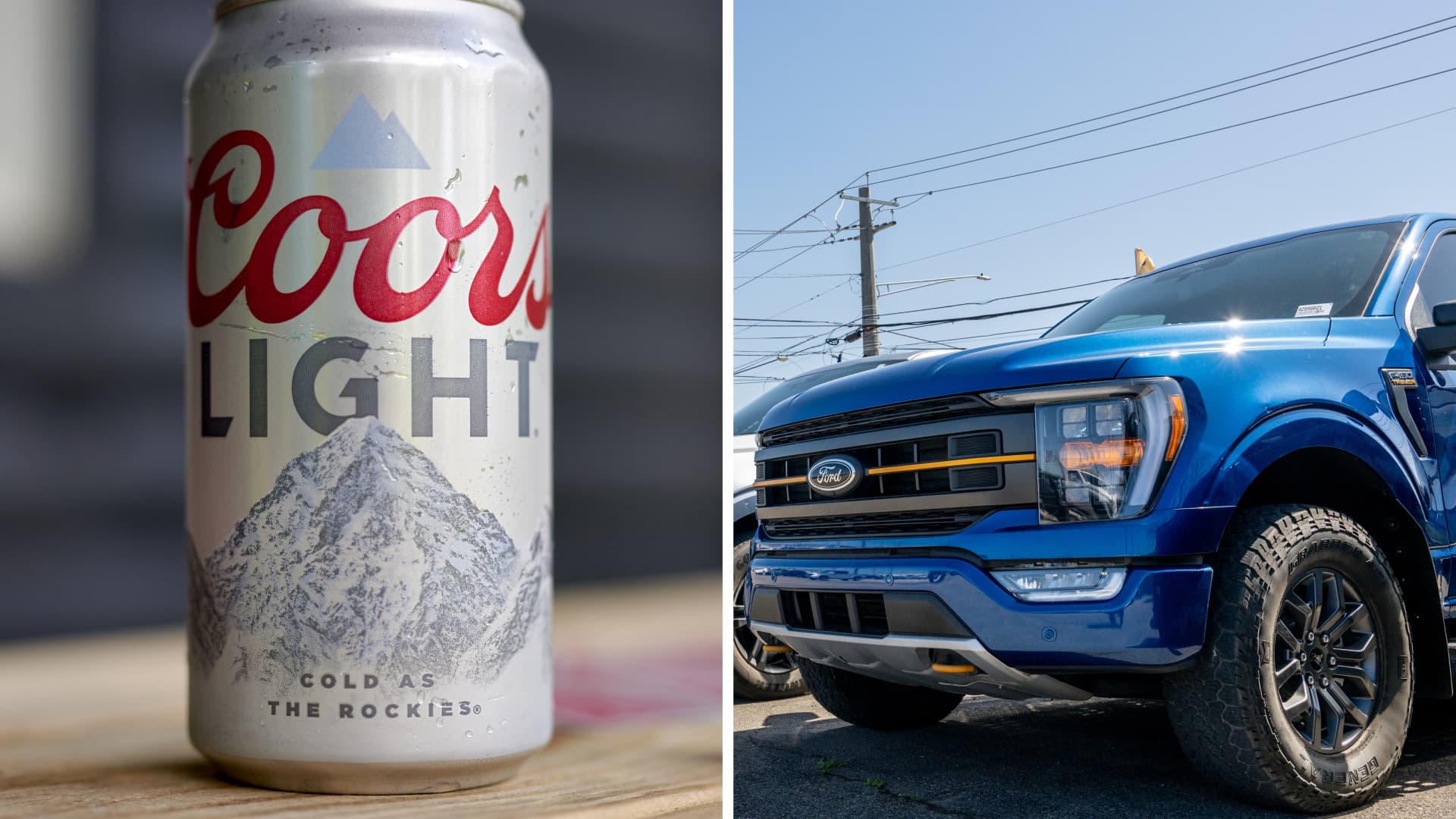
Surge in Aluminum Prices Significantly Impacts Business Costs

- Aluminum Price Surge: Since the U.S.-Israeli strikes on Iran on February 28, aluminum prices on the London Metal Exchange have surged over 13%, with a year-to-date increase of approximately 19% in 2026, creating cost pressures for manufacturers of cars and beer cans.
- Ford's Uncertain Outlook: Ford's CFO indicated that the surge in aluminum prices is leading the company to expect commodity cost pressures to exceed $2 billion, nearly double previous estimates, highlighting the impact of the Middle East situation on automotive manufacturing.
- Molson Coors Cost Increase: Molson Coors' CFO disclosed that rising aluminum prices added around $30 million to the cost of goods sold in the first quarter, with expectations of continued inflationary pressures in the current quarter.
- Bleak Market Outlook: UBS forecasts aluminum supply growth of only 0.3% in 2026, significantly down from a prior estimate of 2.4%, indicating ongoing impacts from the Middle East situation on the aluminum supply chain, with prices also driven by rising natural gas and coal costs.
See More

Aluminum Price Surge Impacts Business Costs
- Aluminum Price Surge: Since the onset of the U.S.-Iran war, aluminum prices on the London Metal Exchange have surged over 13%, with a year-to-date increase of approximately 19% in 2026, significantly impacting manufacturing costs for industries ranging from automotive to beverage cans.
- Ford's Cost Warning: Ford's CFO indicated that the soaring aluminum prices are clouding the outlook for its F-150 production, with commodity cost pressures expected to exceed $2 billion in 2026, nearly double previous estimates, highlighting the volatility in the market.
- Molson Coors Cost Increase: The CFO of Molson Coors reported that rising aluminum prices added around $30 million to the cost of goods sold in the first quarter, with expectations of further inflation in the current quarter, which could adversely affect profit margins.
- Supply Growth Slowdown: UBS forecasts that aluminum supply will grow only 0.3% in 2026, down from a prior estimate of 2.4%, primarily due to disruptions in the Middle East and limited capacity increases in Europe, exacerbating market tensions.
See More
U.S. Beer Sales Decline Unexpectedly Amid Rising Gas Prices
- Sales Decline: U.S. beer, full malt beverages, and cider volumes fell 6.3% year-over-year through the week ending May 2, according to Nielsen data, indicating significant consumer spending pressure amid rising costs.
- Convenience Store Struggles: Sales in convenience stores like 7-Eleven and Wawa dropped approximately 9% year-over-year in the two weeks since April 26, highlighting the adverse effects of high gas prices on impulse purchases, particularly as average gas prices reached $4.51 per gallon.
- High Gas Price Markets: California, the state with the highest gas prices at about $6.16 per gallon, experienced a 16% decline in beer volume from the four weeks ending April 4 to the four weeks ending May 2, with Arizona and Texas also seeing notable declines of 10% and nearly 7%, respectively.
- Consumer Sentiment Decline: U.S. consumer sentiment hit a record low in May, with one-third of respondents citing gas prices as their primary concern, indicating that while brands like Michelob Ultra remain stable, the overall market faces significant challenges.
See More
U.S. Beer Sales Plummet 6.3% Amid Rising Gas Prices
- Sales Decline: U.S. beer, full malt beverage, and cider volumes fell 6.3% year-over-year through the week ending May 2, reflecting a significant drop in consumer confidence to multi-year lows, with the decline exceeding expectations and indicating market fragility.
- Convenience Store Pressure: The convenience channel has seen a notable 9% year-over-year drop in volumes over the two weeks since April 26, closely tied to reduced gas station traffic and impulse purchases, suggesting that rising gas prices are impacting consumer spending behavior.
- High Gas Price Impact: Average U.S. gasoline prices have surged approximately 52% since the onset of the Iran conflict, with California's prices reaching $6.16 per gallon, leading to a 16% decline in beer volumes over four weeks, highlighting the intensifying consumer pressure in high fuel cost markets.
- Brand Performance Divergence: While overall sales are declining, AB InBev's Michelob Ultra remains stable, whereas Bud Light and Budweiser are experiencing double-digit volume declines, with Boston Beer performing the worst, Molson Coors losing market share, and Constellation Brands gaining traction against competitors.
See More
Molson Coors Declares Quarterly Dividend of $0.48
- Quarterly Dividend Announcement: Molson Coors has declared a quarterly dividend of $0.48 per share, consistent with previous payouts, demonstrating the company's ongoing ability to maintain stable cash flow, which is likely to attract income-seeking investors.
- Dividend Yield: The forward yield of 4.45% reflects the company's attractiveness in the current market environment, potentially increasing investor interest in its stock.
- Shareholder Record Date: The dividend will be payable on June 12, with a record date of May 29 and an ex-dividend date also on May 29, providing investors with a clear timeline for their investment decisions.
- Future Outlook: Despite Molson Coors expecting a 6% to 9% decline in U.S. shipments for Q2, the company reaffirms its 2026 guidance, indicating confidence in its long-term growth prospects.
See More
Molson Coors Declares Quarterly Dividend
- Quarterly Dividend Declaration: The Board of Directors of Molson Coors Beverage Company has declared a quarterly dividend of $0.48 per share on its common stock, payable on June 12, 2026, reflecting the company's commitment to shareholder returns and stable cash flow.
- Canadian Subsidiary Dividend: Molson Coors Canada Inc. has also declared a quarterly dividend of approximately CAD$0.65 per share, payable on June 12, 2026, enhancing its attractiveness to shareholders in the Canadian market.
- Shareholder Record Date: Both dividends require shareholders to be on record by May 29, 2026, ensuring that shareholder rights are protected and demonstrating the company's focus on its investors.
- Diversified Product Portfolio: Molson Coors is not only focused on beer but has expanded into flavored beverages, spirits, and non-alcoholic drinks, showcasing its strategic positioning in a diverse market to meet varying consumer demands.
See More
Surge in Aluminum Prices Significantly Impacts Business Costs
- Aluminum Price Surge: Since the U.S.-Israeli strikes on Iran on February 28, aluminum prices on the London Metal Exchange have surged over 13%, with a year-to-date increase of approximately 19% in 2026, creating cost pressures for manufacturers of cars and beer cans.
- Ford's Uncertain Outlook: Ford's CFO indicated that the surge in aluminum prices is leading the company to expect commodity cost pressures to exceed $2 billion, nearly double previous estimates, highlighting the impact of the Middle East situation on automotive manufacturing.
- Molson Coors Cost Increase: Molson Coors' CFO disclosed that rising aluminum prices added around $30 million to the cost of goods sold in the first quarter, with expectations of continued inflationary pressures in the current quarter.
- Bleak Market Outlook: UBS forecasts aluminum supply growth of only 0.3% in 2026, significantly down from a prior estimate of 2.4%, indicating ongoing impacts from the Middle East situation on the aluminum supply chain, with prices also driven by rising natural gas and coal costs.
See More
Aluminum Price Surge Impacts Business Costs
- Aluminum Price Surge: Since the onset of the U.S.-Iran war, aluminum prices on the London Metal Exchange have surged over 13%, with a year-to-date increase of approximately 19% in 2026, significantly impacting manufacturing costs for industries ranging from automotive to beverage cans.
- Ford's Cost Warning: Ford's CFO indicated that the soaring aluminum prices are clouding the outlook for its F-150 production, with commodity cost pressures expected to exceed $2 billion in 2026, nearly double previous estimates, highlighting the volatility in the market.
- Molson Coors Cost Increase: The CFO of Molson Coors reported that rising aluminum prices added around $30 million to the cost of goods sold in the first quarter, with expectations of further inflation in the current quarter, which could adversely affect profit margins.
- Supply Growth Slowdown: UBS forecasts that aluminum supply will grow only 0.3% in 2026, down from a prior estimate of 2.4%, primarily due to disruptions in the Middle East and limited capacity increases in Europe, exacerbating market tensions.
See More