Middle East Conflict Drives Oil and Gas Price Volatility
Written by Emily J. Thompson, Senior Investment Analyst
Updated: Apr 09 2026
0mins

Source: NASDAQ.COM
- Market Volatility: The geopolitical conflict in the Middle East has driven oil prices higher, and despite significant fluctuations, integrated energy giants like ExxonMobil and Chevron are expected to benefit from elevated prices in the near term, likely for several quarters.
- Financial Resilience: With ExxonMobil's debt-to-equity ratio at 0.19 and Chevron's at 0.25, both companies are positioned to utilize cash for stock buybacks or debt repayment, thereby strengthening their financial positions in preparation for a future with lower oil prices.
- Infrastructure Damage: Damage to energy infrastructure due to the conflict will take time to repair, creating bottlenecks that won't be resolved overnight, which is likely to positively impact the earnings of both companies in the coming quarters.
- Long-Term Strategy: The majority of Exxon and Chevron's assets are not located in the Middle East, and both companies are increasing their investments in the onshore U.S. oil sector to shield themselves from any lingering impacts from the region, demonstrating their long-term thinking approach that spans decades.
Trade with 70% Backtested Accuracy
Stop guessing "Should I Buy CVX?" and start using high-conviction signals backed by rigorous historical data.
Sign up today to access powerful investing tools and make smarter, data-driven decisions.
Analyst Views on CVX
Wall Street analysts forecast CVX stock price to fall
19 Analyst Rating
15 Buy
4 Hold
0 Sell
Strong Buy
Current: 184.780

Low
158.00
Averages
176.95
High
206.00
Current: 184.780
Low
158.00
Averages
176.95
High
206.00
About CVX
Chevron Corporation is an integrated energy company. The Company produces crude oil and natural gas; manufactures transportation fuels, lubricants, petrochemicals and additives; and develops technologies that enhance its business and industry. The Company’s segments include Upstream and Downstream. Upstream operations consist primarily of exploring for, developing, producing and transporting crude oil and natural gas; liquefaction, transportation and regasification associated with LNG; transporting crude oil by major international oil export pipelines; processing, transporting, storage and marketing of natural gas; carbon capture and storage; and a gas-to-liquids plant. Downstream operations consist primarily of the refining of crude oil into petroleum products; marketing crude oil, refined products, and lubricants; manufacturing and marketing of renewable fuels, and transporting of crude oil and refined products by pipeline, marine vessel, motor equipment and rail car.
About the author

Emily J. Thompson
Emily J. Thompson, a Chartered Financial Analyst (CFA) with 12 years in investment research, graduated with honors from the Wharton School. Specializing in industrial and technology stocks, she provides in-depth analysis for Intellectia’s earnings and market brief reports.
Eneos Bids for Chevron's Asian Assets Valued Over $2B

- Bidding Progress: Japan's Eneos Holdings emerges as the last bidder for Chevron's Asian assets, with a deal potentially exceeding $2 billion, aiming for an agreement this quarter, indicating Eneos's aggressive expansion in the global energy market.
- Asset Scope: The transaction includes stakes in refineries and gas stations across Singapore, Malaysia, the Philippines, and Australia, particularly with Eneos leading the bid for a 50% stake in Chevron's 290K bbl/day Singapore refinery against competitors like Glencore and Vitol, reflecting its market competitiveness.
- Operational Challenges: The Singapore refinery is currently operating at only 60% capacity due to significant crude supply reductions from the Middle East conflict, posing potential risks to Eneos's acquisition decision and future profitability while highlighting vulnerabilities in the global energy supply chain.
- Libya Collaboration: Libya's National Oil Corporation has signed a memorandum of understanding with Chevron to assess shale oil and gas reserves in the country's sedimentary basins, with preliminary estimates showing approximately 123 Tcf of natural gas and 18 billion barrels of oil, providing new growth opportunities for Chevron.
See More
Eni Signs Agreement to Relaunch Heavy Crude Project in Venezuela
- Project Relaunch: Italy's Eni has signed an agreement with Venezuela's oil ministry and PDVSA to relaunch a heavy crude project in the Orinoco Belt, indicating a deepening collaboration in the oil and gas sector.
- Investment Plan Development: Eni's CEO Claudio Descalzi stated that the company's investment plan is being drafted and should be completed by year-end, which will inject new vitality into Venezuela's energy industry.
- Industry Collaboration Trend: PDVSA has recently signed similar agreements with major international oil companies like Chevron, Shell, and Repsol, demonstrating Venezuela's commitment and confidence in attracting foreign investment amid oil sector reforms.
- Significant Resource Potential: The Junin 5 project holds approximately 35 billion barrels of certified oil reserves, with Eni's production in Venezuela at 64,000 barrels of oil equivalent per day, highlighting the country's crucial role in the global energy market.
See More

Key Earnings Reports This Week Could Move Markets


- Robinhood Earnings Focus: Robinhood Markets is set to report earnings on April 28, and while a slowdown in cryptocurrency trading may weigh on results, the trading volume in prediction markets reached 3.4 billion contracts in January, indicating ongoing growth potential in fintech.
- AI Giants Earnings Day: On April 29, Alphabet, Meta, Amazon, and Microsoft will release their earnings, with plans to invest $700 billion in AI infrastructure; however, declining free cash flow due to increased capital expenditures will be closely monitored by investors.
- Apple Sales Growth: Apple is scheduled to report earnings on April 30, with iPhone sales jumping 23% year-over-year and revenue from China hitting $25.52 billion, a 37% increase, showcasing strong performance in a competitive market.
- Oil Giants Earnings Preview: ExxonMobil and Chevron will report earnings on May 1, with oil prices soaring to $100 per barrel due to the Iran war, potentially leading to massive profits, making management's outlook a key focus for investors.
See More

Major Tech Giants Set to Report Earnings
- Earnings Season Arrival: This week marks a significant moment in the spring earnings season, with over 900 companies, including Microsoft, Amazon, Meta, and Alphabet, set to report quarterly results, which are expected to have a substantial market impact.
- Surge in AI Investment: These four companies announced a combined $700 billion investment in AI infrastructure over the past three months, with capital expenditure budgets increasing by over 60% from 2025, which will affect their free cash flow; investors should closely monitor their spending and cash flow data in the earnings reports.
- Oil Price Surge Impact: Due to the Iran war and difficulties in transporting oil through the Strait of Hormuz, oil prices have soared to $100 per barrel, and ExxonMobil and Chevron are expected to benefit from this trend in their earnings reports on May 1, with stock prices rising about 25% this year.
- Apple Sales Highlights: Apple is set to report earnings on April 30, with investors focusing on the sales performance of its iPhone 17 series, which saw a 23% year-over-year increase last quarter, while strong performance in China will also be a focal point despite increased competition from local brands.
See More
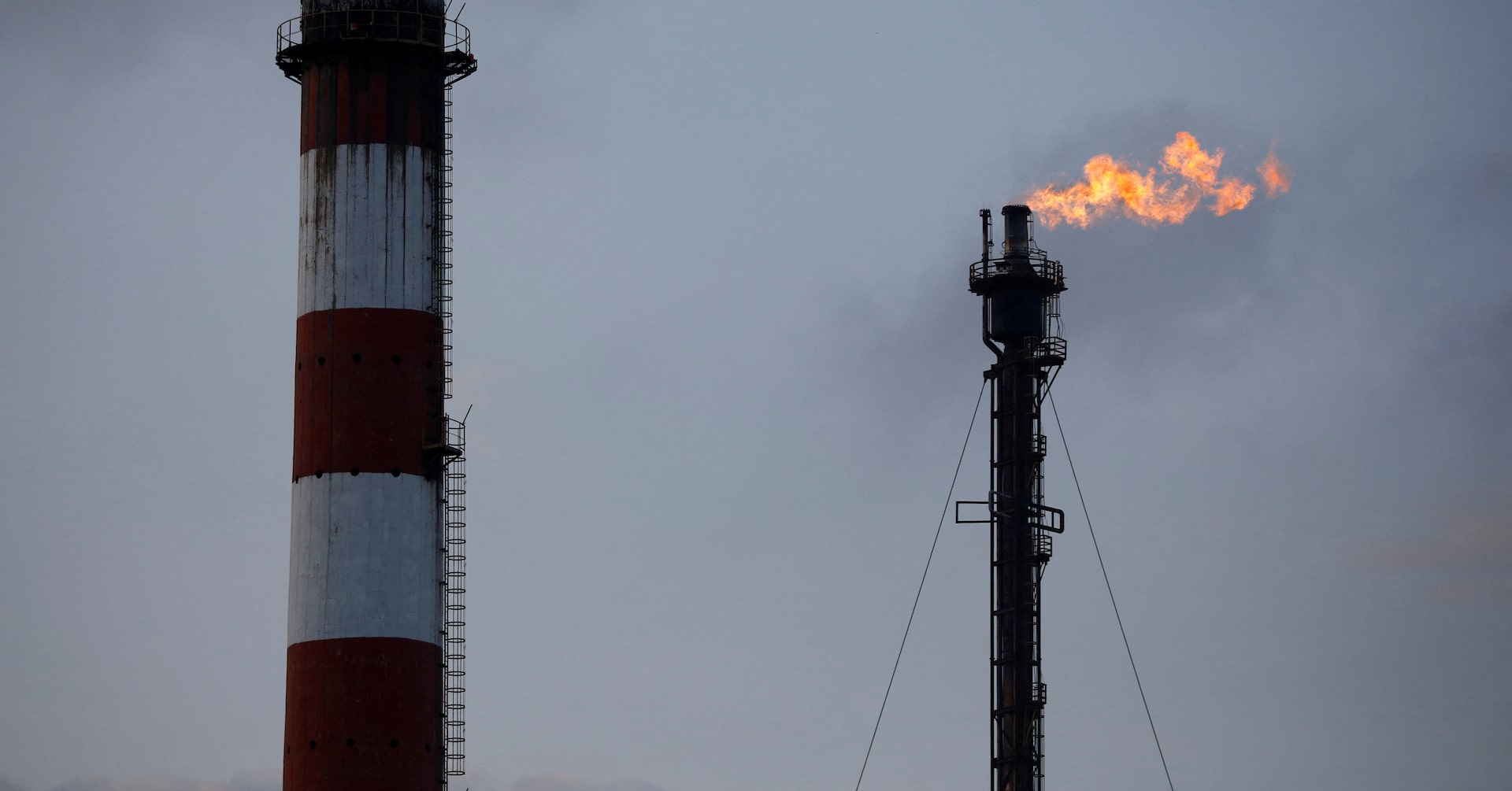
ENEOS REPORTEDLY IN FINAL DISCUSSIONS TO ACQUIRE CHEVRON'S ASIAN ASSETS - BLOOMBERG NEWS

- Final Talks for Chevron: Eneos is reportedly in final discussions to acquire Chevron's Asian assets.
- Bloomberg News Source: The information regarding the negotiations has been sourced from Bloomberg News.
See More
Chevron CEO Warns of Jet Fuel Supply Strains in Aviation Industry
- Jet Fuel Supply Strain: Chevron CEO Mike Wirth warned that the aviation industry will face increasing pressure in the coming weeks due to tightening jet fuel supplies caused by the Middle East conflict, particularly affecting Europe and Asia where airlines are adjusting flight schedules.
- Low Inventory Levels: Wirth noted that jet fuel inventories were already at seasonally low levels before the conflict, leaving markets vulnerable, and indicated that airlines might raise fares and reduce flight availability as a result of these supply constraints.
- Venezuela Policy Progress: Wirth mentioned that changes in Venezuela's oil policy show positive movement towards attracting foreign investment, but emphasized that more actions are necessary to achieve the desired level of investment, highlighting ongoing challenges in the country's oil sector recovery.
- Labor Shortages: He pointed out that the loss of skilled workers to emigration poses a significant barrier to large-scale recovery in Venezuela's oil industry, stressing that the return of expatriates will be crucial for revitalizing the sector and addressing labor shortages.
See More
Eneos Bids for Chevron's Asian Assets Valued Over $2B
- Bidding Progress: Japan's Eneos Holdings emerges as the last bidder for Chevron's Asian assets, with a deal potentially exceeding $2 billion, aiming for an agreement this quarter, indicating Eneos's aggressive expansion in the global energy market.
- Asset Scope: The transaction includes stakes in refineries and gas stations across Singapore, Malaysia, the Philippines, and Australia, particularly with Eneos leading the bid for a 50% stake in Chevron's 290K bbl/day Singapore refinery against competitors like Glencore and Vitol, reflecting its market competitiveness.
- Operational Challenges: The Singapore refinery is currently operating at only 60% capacity due to significant crude supply reductions from the Middle East conflict, posing potential risks to Eneos's acquisition decision and future profitability while highlighting vulnerabilities in the global energy supply chain.
- Libya Collaboration: Libya's National Oil Corporation has signed a memorandum of understanding with Chevron to assess shale oil and gas reserves in the country's sedimentary basins, with preliminary estimates showing approximately 123 Tcf of natural gas and 18 billion barrels of oil, providing new growth opportunities for Chevron.
See More
Eni Signs Agreement to Relaunch Heavy Crude Project in Venezuela
- Project Relaunch: Italy's Eni has signed an agreement with Venezuela's oil ministry and PDVSA to relaunch a heavy crude project in the Orinoco Belt, indicating a deepening collaboration in the oil and gas sector.
- Investment Plan Development: Eni's CEO Claudio Descalzi stated that the company's investment plan is being drafted and should be completed by year-end, which will inject new vitality into Venezuela's energy industry.
- Industry Collaboration Trend: PDVSA has recently signed similar agreements with major international oil companies like Chevron, Shell, and Repsol, demonstrating Venezuela's commitment and confidence in attracting foreign investment amid oil sector reforms.
- Significant Resource Potential: The Junin 5 project holds approximately 35 billion barrels of certified oil reserves, with Eni's production in Venezuela at 64,000 barrels of oil equivalent per day, highlighting the country's crucial role in the global energy market.
See More
Key Earnings Reports This Week Could Move Markets
- Robinhood Earnings Focus: Robinhood Markets is set to report earnings on April 28, and while a slowdown in cryptocurrency trading may weigh on results, the trading volume in prediction markets reached 3.4 billion contracts in January, indicating ongoing growth potential in fintech.
- AI Giants Earnings Day: On April 29, Alphabet, Meta, Amazon, and Microsoft will release their earnings, with plans to invest $700 billion in AI infrastructure; however, declining free cash flow due to increased capital expenditures will be closely monitored by investors.
- Apple Sales Growth: Apple is scheduled to report earnings on April 30, with iPhone sales jumping 23% year-over-year and revenue from China hitting $25.52 billion, a 37% increase, showcasing strong performance in a competitive market.
- Oil Giants Earnings Preview: ExxonMobil and Chevron will report earnings on May 1, with oil prices soaring to $100 per barrel due to the Iran war, potentially leading to massive profits, making management's outlook a key focus for investors.
See More
Major Tech Giants Set to Report Earnings
- Earnings Season Arrival: This week marks a significant moment in the spring earnings season, with over 900 companies, including Microsoft, Amazon, Meta, and Alphabet, set to report quarterly results, which are expected to have a substantial market impact.
- Surge in AI Investment: These four companies announced a combined $700 billion investment in AI infrastructure over the past three months, with capital expenditure budgets increasing by over 60% from 2025, which will affect their free cash flow; investors should closely monitor their spending and cash flow data in the earnings reports.
- Oil Price Surge Impact: Due to the Iran war and difficulties in transporting oil through the Strait of Hormuz, oil prices have soared to $100 per barrel, and ExxonMobil and Chevron are expected to benefit from this trend in their earnings reports on May 1, with stock prices rising about 25% this year.
- Apple Sales Highlights: Apple is set to report earnings on April 30, with investors focusing on the sales performance of its iPhone 17 series, which saw a 23% year-over-year increase last quarter, while strong performance in China will also be a focal point despite increased competition from local brands.
See More
ENEOS REPORTEDLY IN FINAL DISCUSSIONS TO ACQUIRE CHEVRON'S ASIAN ASSETS - BLOOMBERG NEWS
- Final Talks for Chevron: Eneos is reportedly in final discussions to acquire Chevron's Asian assets.
- Bloomberg News Source: The information regarding the negotiations has been sourced from Bloomberg News.
See More
Chevron CEO Warns of Jet Fuel Supply Strains in Aviation Industry
- Jet Fuel Supply Strain: Chevron CEO Mike Wirth warned that the aviation industry will face increasing pressure in the coming weeks due to tightening jet fuel supplies caused by the Middle East conflict, particularly affecting Europe and Asia where airlines are adjusting flight schedules.
- Low Inventory Levels: Wirth noted that jet fuel inventories were already at seasonally low levels before the conflict, leaving markets vulnerable, and indicated that airlines might raise fares and reduce flight availability as a result of these supply constraints.
- Venezuela Policy Progress: Wirth mentioned that changes in Venezuela's oil policy show positive movement towards attracting foreign investment, but emphasized that more actions are necessary to achieve the desired level of investment, highlighting ongoing challenges in the country's oil sector recovery.
- Labor Shortages: He pointed out that the loss of skilled workers to emigration poses a significant barrier to large-scale recovery in Venezuela's oil industry, stressing that the return of expatriates will be crucial for revitalizing the sector and addressing labor shortages.
See More