Microsoft Stock Pullback Amid Strong Cloud Growth
Written by Emily J. Thompson, Senior Investment Analyst
Updated: 2 days ago
0mins
Should l Buy MSFT?
Source: Fool
- Stock Volatility: Microsoft's shares fell as much as 36% in late March before rebounding, yet are still down about 23% from their peak, reflecting market rotation out of AI stocks despite the company's strong fundamentals.
- Cloud Service Growth: Revenue from Azure, Microsoft 365, and other cloud services rose 26% year-over-year, reaching an annual run rate of $204 billion, highlighting the support of high-growth subscription models, particularly with Azure's revenue up 39% year-over-year.
- Increased Capital Expenditures: Microsoft's capital expenditures have nearly tripled to $83 billion over the past three years, with about one-third allocated to long-lived assets like data centers, investments expected to monetize over the next 15 years, laying the groundwork for higher margins.
- Investment Opportunity: While near-term profits may face pressure from upfront costs, Microsoft's current lower earnings multiple presents a compelling entry point for investors, especially as AI services scale across the infrastructure.
Trade with 70% Backtested Accuracy
Stop guessing "Should I Buy MSFT?" and start using high-conviction signals backed by rigorous historical data.
Sign up today to access powerful investing tools and make smarter, data-driven decisions.
Analyst Views on MSFT
Wall Street analysts forecast MSFT stock price to rise
34 Analyst Rating
32 Buy
2 Hold
0 Sell
Strong Buy
Current: 424.160

Low
500.00
Averages
631.36
High
678.00
Current: 424.160
Low
500.00
Averages
631.36
High
678.00
About MSFT
Microsoft Corporation is a technology company. The Company develops and supports software, services, devices, and solutions. The Company’s segments include Productivity and Business Processes, Intelligent Cloud, and More Personal Computing. The Productivity and Business Processes segment consists of products and services in its portfolio of productivity, communication, and information services. This segment primarily comprises: Office Commercial, Office Consumer, LinkedIn, and Dynamics business solutions. The Intelligent Cloud segment consists of server products and cloud services, including Azure and other cloud services, SQL Server, Windows Server, Visual Studio, System Center, and related Client Access Licenses (CALs), and Nuance and GitHub; and Enterprise Services, including enterprise support services, industry solutions and Nuance professional services. The More Personal Computing segment primarily comprises Windows, Devices, Gaming, and search and news advertising.
About the author

Emily J. Thompson
Emily J. Thompson, a Chartered Financial Analyst (CFA) with 12 years in investment research, graduated with honors from the Wharton School. Specializing in industrial and technology stocks, she provides in-depth analysis for Intellectia’s earnings and market brief reports.

Citi Optimistic on Microsoft's Q3 Performance

- Investor Confidence Rebound: Citi analyst Tyler Radke noted that ahead of Microsoft's upcoming Q3 earnings report, investor sentiment is relatively low; however, positive feedback from reseller surveys and the AI Summit indicates improving fundamentals, with expectations for accelerating growth in FY27.
- Earnings Forecast Upgrade: Citi raised its Azure growth estimates by three percentage points, and despite facing near-term growth constraints, the anticipated growth in Office 365 is expected to drive an increase in capital expenditure forecasts, further enhancing the company's financial performance.
- Price Target Adjustment: While Radke reiterated a 'Buy' rating on Microsoft, he lowered the price target from $635 to $600, reflecting market concerns over multiple compression and a cautious outlook on future growth.
- Earnings Report Outlook: Microsoft is set to report its Q3 earnings on April 29 after market close, with analysts expecting earnings of $4.07 per share and revenue of $81.39 billion, indicating a growing focus on the company's performance in the market.
See More

Microsoft Cuts Xbox Game Pass Prices Amid Industry Trends
- Price Adjustment: Microsoft has announced a reduction in the Xbox Game Pass Ultimate monthly fee from $29.99 to $22.99, while the PC version will drop from $16.49 to $13.99, a move that counters the broader industry trend of price increases, aiming to attract more users and enhance market competitiveness.
- Game Availability Change: Despite the price cuts, Microsoft stated that future 'Call of Duty' titles will no longer be available on the subscription service on their release day, instead launching about a year later, which may affect players' immediate access to new games and potentially impact the attractiveness of the subscription service.
- Management Change Impact: This price adjustment marks the first major decision from new Microsoft Gaming CEO Asha Sharma, aimed at winning goodwill from gamers, especially following the departure of the beloved former CEO Phil Spencer, and Sharma's decisions may influence the company's brand image moving forward.
- Market Environment Comparison: In a context where game consoles and games are generally becoming more expensive, Microsoft's pricing strategy stands out, particularly as competitors like Sony and Nintendo are also raising prices, which may help Microsoft differentiate itself and attract price-sensitive consumers.
See More
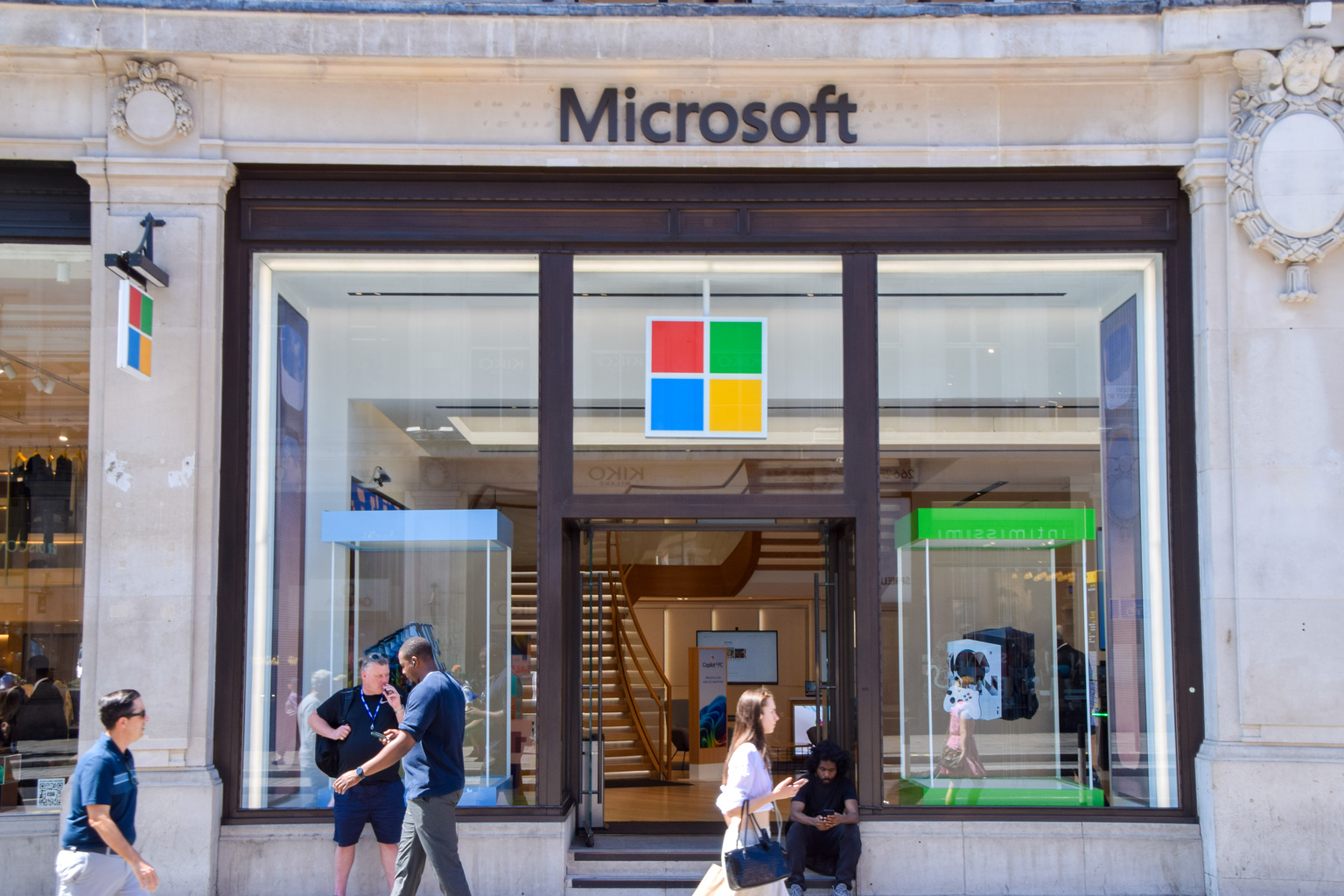
Microsoft Faces Mass Lawsuit in the U.K. Over Pricing Allegations
- Class Action Initiated: A U.K. tribunal has ruled that Microsoft faces a mass lawsuit for allegedly overcharging around 60,000 businesses for Windows Server on competing cloud services, with claims potentially reaching £2.1 billion (approximately $2.8 billion), which could significantly impact Microsoft's reputation and financial health.
- Competition Law Dispute: Competition lawyer Maria Luisa Stasi is representing affected businesses, alleging that Microsoft's wholesale prices exceed those for Azure, resulting in additional costs for customers using AWS and Google Cloud, which may undermine Microsoft's competitive position in the cloud market.
- Court Ruling Implications: The U.K. Competition Appeal Tribunal determined that Stasi's lawsuit meets the Pro-Sys Test criteria, allowing her to proceed as the proposed class representative, a decision that may prompt more businesses to scrutinize Microsoft's pricing strategies and market conduct.
- Microsoft's Response: Microsoft plans to appeal the ruling and disputes Stasi's allegations, asserting that its business model fosters competition; however, the case's progression could trigger broader regulatory scrutiny, affecting its future market strategies.
See More

Google Unveils Next-Gen TPU Chips for AI


- TPU Chip Separation: Google announced the division of its eighth-generation Tensor Processing Unit (TPU) into distinct chips for training and inference, set to launch later this year, aiming to enhance the efficiency and responsiveness of AI models, thereby strengthening its competitive position in the AI hardware market.
- Significant Performance Boost: The new training chip boasts a 2.8 times performance increase over the seventh-generation Ironwood TPU, while the inference processor shows an 80% improvement, enabling companies using Google Cloud services to achieve greater computational efficiency at the same cost, further driving TPU adoption.
- Growing Market Demand: Google's AI chips utilize 384MB of SRAM, tripling the amount in Ironwood, and are designed to support the concurrent operation of millions of AI agents, addressing the increasing demand for AI applications and showcasing Google's forward-looking strategy in the AI sector.
- Expanded Partnerships: Google's TPUs have been adopted by key clients, including Citadel Securities and all 17 U.S. Department of Energy national laboratories, demonstrating their broad application potential in AI and further solidifying Google's leadership in the AI hardware market.
See More

Google Launches Dedicated AI Chips to Compete with Nvidia

- Dedicated Chip Development: Google announced the launch of its eighth-generation Tensor Processing Unit (TPU), which separates training and inference tasks to enhance the efficiency of AI model operations, expected to be available later this year, thereby strengthening its competitive position in the AI hardware market.
- Performance Enhancement: The new training chip boasts a 2.8 times performance increase over the seventh-generation Ironwood TPU, while the inference processor sees an 80% performance boost, making Google more attractive in providing cloud services, especially in the context of competition with Nvidia.
- Growing Market Demand: Google's AI chips feature 384MB of static random access memory (SRAM), tripling that of Ironwood, designed to support the concurrent operation of millions of AI agents, addressing the increasing market demand, particularly in applications within the energy sector.
- Industry Collaboration Expansion: Google's TPUs have been adopted by all 17 U.S. Department of Energy national laboratories, and Anthropic has committed to using multiple gigawatts of Google TPUs, indicating that Google's influence in the AI field is expanding, further solidifying its market position.
See More

Google Accelerates Push into Enterprise Software with AI Agents

- Strategic AI Shift: CEO Sundar Pichai emphasized at the annual cloud conference that AI agents will be pivotal for monetizing artificial intelligence, indicating Google's intensified focus on enterprise software to meet growing market demands.
- Launch of Gemini Enterprise: Google announced the unification of its AI products under the name “Gemini Enterprise” and revamped Vertex AI, allowing cloud customers to choose from various AI models for business purposes, thereby enhancing its competitiveness in the enterprise market.
- Enhanced Security and Governance: Google introduced new governance and security features to address safety and reliability concerns regarding AI agents' autonomous decision-making and actions, demonstrating the company's commitment to AI technology and customer trust.
- Market Share Growth: Google's cloud market share is projected to reach 14% by the end of 2025, and although it still lags behind Amazon and Microsoft, significant investments in AI and infrastructure are gradually narrowing the gap with competitors.
See More
Citi Optimistic on Microsoft's Q3 Performance
- Investor Confidence Rebound: Citi analyst Tyler Radke noted that ahead of Microsoft's upcoming Q3 earnings report, investor sentiment is relatively low; however, positive feedback from reseller surveys and the AI Summit indicates improving fundamentals, with expectations for accelerating growth in FY27.
- Earnings Forecast Upgrade: Citi raised its Azure growth estimates by three percentage points, and despite facing near-term growth constraints, the anticipated growth in Office 365 is expected to drive an increase in capital expenditure forecasts, further enhancing the company's financial performance.
- Price Target Adjustment: While Radke reiterated a 'Buy' rating on Microsoft, he lowered the price target from $635 to $600, reflecting market concerns over multiple compression and a cautious outlook on future growth.
- Earnings Report Outlook: Microsoft is set to report its Q3 earnings on April 29 after market close, with analysts expecting earnings of $4.07 per share and revenue of $81.39 billion, indicating a growing focus on the company's performance in the market.
See More
Microsoft Cuts Xbox Game Pass Prices Amid Industry Trends
- Price Adjustment: Microsoft has announced a reduction in the Xbox Game Pass Ultimate monthly fee from $29.99 to $22.99, while the PC version will drop from $16.49 to $13.99, a move that counters the broader industry trend of price increases, aiming to attract more users and enhance market competitiveness.
- Game Availability Change: Despite the price cuts, Microsoft stated that future 'Call of Duty' titles will no longer be available on the subscription service on their release day, instead launching about a year later, which may affect players' immediate access to new games and potentially impact the attractiveness of the subscription service.
- Management Change Impact: This price adjustment marks the first major decision from new Microsoft Gaming CEO Asha Sharma, aimed at winning goodwill from gamers, especially following the departure of the beloved former CEO Phil Spencer, and Sharma's decisions may influence the company's brand image moving forward.
- Market Environment Comparison: In a context where game consoles and games are generally becoming more expensive, Microsoft's pricing strategy stands out, particularly as competitors like Sony and Nintendo are also raising prices, which may help Microsoft differentiate itself and attract price-sensitive consumers.
See More
Microsoft Faces Mass Lawsuit in the U.K. Over Pricing Allegations
- Class Action Initiated: A U.K. tribunal has ruled that Microsoft faces a mass lawsuit for allegedly overcharging around 60,000 businesses for Windows Server on competing cloud services, with claims potentially reaching £2.1 billion (approximately $2.8 billion), which could significantly impact Microsoft's reputation and financial health.
- Competition Law Dispute: Competition lawyer Maria Luisa Stasi is representing affected businesses, alleging that Microsoft's wholesale prices exceed those for Azure, resulting in additional costs for customers using AWS and Google Cloud, which may undermine Microsoft's competitive position in the cloud market.
- Court Ruling Implications: The U.K. Competition Appeal Tribunal determined that Stasi's lawsuit meets the Pro-Sys Test criteria, allowing her to proceed as the proposed class representative, a decision that may prompt more businesses to scrutinize Microsoft's pricing strategies and market conduct.
- Microsoft's Response: Microsoft plans to appeal the ruling and disputes Stasi's allegations, asserting that its business model fosters competition; however, the case's progression could trigger broader regulatory scrutiny, affecting its future market strategies.
See More
Google Unveils Next-Gen TPU Chips for AI
- TPU Chip Separation: Google announced the division of its eighth-generation Tensor Processing Unit (TPU) into distinct chips for training and inference, set to launch later this year, aiming to enhance the efficiency and responsiveness of AI models, thereby strengthening its competitive position in the AI hardware market.
- Significant Performance Boost: The new training chip boasts a 2.8 times performance increase over the seventh-generation Ironwood TPU, while the inference processor shows an 80% improvement, enabling companies using Google Cloud services to achieve greater computational efficiency at the same cost, further driving TPU adoption.
- Growing Market Demand: Google's AI chips utilize 384MB of SRAM, tripling the amount in Ironwood, and are designed to support the concurrent operation of millions of AI agents, addressing the increasing demand for AI applications and showcasing Google's forward-looking strategy in the AI sector.
- Expanded Partnerships: Google's TPUs have been adopted by key clients, including Citadel Securities and all 17 U.S. Department of Energy national laboratories, demonstrating their broad application potential in AI and further solidifying Google's leadership in the AI hardware market.
See More
Google Launches Dedicated AI Chips to Compete with Nvidia
- Dedicated Chip Development: Google announced the launch of its eighth-generation Tensor Processing Unit (TPU), which separates training and inference tasks to enhance the efficiency of AI model operations, expected to be available later this year, thereby strengthening its competitive position in the AI hardware market.
- Performance Enhancement: The new training chip boasts a 2.8 times performance increase over the seventh-generation Ironwood TPU, while the inference processor sees an 80% performance boost, making Google more attractive in providing cloud services, especially in the context of competition with Nvidia.
- Growing Market Demand: Google's AI chips feature 384MB of static random access memory (SRAM), tripling that of Ironwood, designed to support the concurrent operation of millions of AI agents, addressing the increasing market demand, particularly in applications within the energy sector.
- Industry Collaboration Expansion: Google's TPUs have been adopted by all 17 U.S. Department of Energy national laboratories, and Anthropic has committed to using multiple gigawatts of Google TPUs, indicating that Google's influence in the AI field is expanding, further solidifying its market position.
See More
Google Accelerates Push into Enterprise Software with AI Agents
- Strategic AI Shift: CEO Sundar Pichai emphasized at the annual cloud conference that AI agents will be pivotal for monetizing artificial intelligence, indicating Google's intensified focus on enterprise software to meet growing market demands.
- Launch of Gemini Enterprise: Google announced the unification of its AI products under the name “Gemini Enterprise” and revamped Vertex AI, allowing cloud customers to choose from various AI models for business purposes, thereby enhancing its competitiveness in the enterprise market.
- Enhanced Security and Governance: Google introduced new governance and security features to address safety and reliability concerns regarding AI agents' autonomous decision-making and actions, demonstrating the company's commitment to AI technology and customer trust.
- Market Share Growth: Google's cloud market share is projected to reach 14% by the end of 2025, and although it still lags behind Amazon and Microsoft, significant investments in AI and infrastructure are gradually narrowing the gap with competitors.
See More