Microsoft and OpenAI Agreement Major Changes
Written by Emily J. Thompson, Senior Investment Analyst
Updated: 1 hour ago
0mins
Should l Buy MSFT?
Source: stocktwits
- Revenue Share Adjustment: Microsoft will no longer pay a revenue share to OpenAI, and the revenue share will now be capped, marking a significant shift from the October 2025 agreement, which could impact Microsoft's future earnings outlook.
- Loss of Exclusivity: Microsoft has lost exclusive access to OpenAI's models, allowing OpenAI to license its models to other companies, which may challenge Microsoft's competitive edge in the AI sector and potentially affect its market share.
- Cloud Provider Freedom: OpenAI is now free to choose other cloud providers for its products, although it will continue to launch them first on Azure, indicating potential pressure on Microsoft's dominance in the cloud services market.
- Earnings Outlook: Against the backdrop of these agreement changes, Microsoft is set to report its Q3 earnings, with an expected EPS of $4.06 on revenue of $81.43 billion, raising market attention on its future performance.
Trade with 70% Backtested Accuracy
Stop guessing "Should I Buy MSFT?" and start using high-conviction signals backed by rigorous historical data.
Sign up today to access powerful investing tools and make smarter, data-driven decisions.
Analyst Views on MSFT
Wall Street analysts forecast MSFT stock price to rise
34 Analyst Rating
32 Buy
2 Hold
0 Sell
Strong Buy
Current: 424.620

Low
500.00
Averages
631.36
High
678.00
Current: 424.620
Low
500.00
Averages
631.36
High
678.00
About MSFT
Microsoft Corporation is a technology company. The Company develops and supports software, services, devices, and solutions. The Company’s segments include Productivity and Business Processes, Intelligent Cloud, and More Personal Computing. The Productivity and Business Processes segment consists of products and services in its portfolio of productivity, communication, and information services. This segment primarily comprises: Office Commercial, Office Consumer, LinkedIn, and Dynamics business solutions. The Intelligent Cloud segment consists of server products and cloud services, including Azure and other cloud services, SQL Server, Windows Server, Visual Studio, System Center, and related Client Access Licenses (CALs), and Nuance and GitHub; and Enterprise Services, including enterprise support services, industry solutions and Nuance professional services. The More Personal Computing segment primarily comprises Windows, Devices, Gaming, and search and news advertising.
About the author

Emily J. Thompson
Emily J. Thompson, a Chartered Financial Analyst (CFA) with 12 years in investment research, graduated with honors from the Wharton School. Specializing in industrial and technology stocks, she provides in-depth analysis for Intellectia’s earnings and market brief reports.
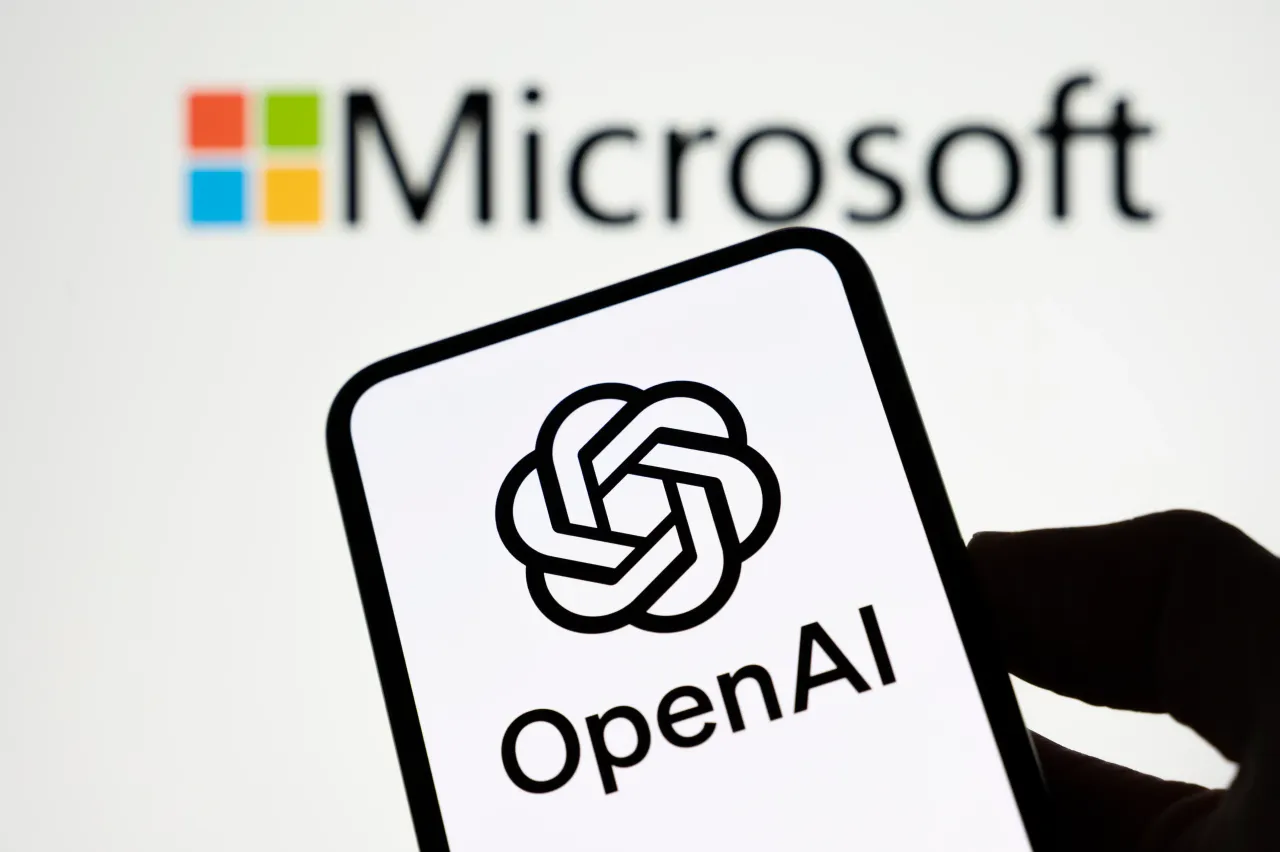
Microsoft and OpenAI Agreement Major Changes

- Revenue Share Adjustment: Microsoft will no longer pay a revenue share to OpenAI, and the revenue share will now be capped, marking a significant shift from the October 2025 agreement, which could impact Microsoft's future earnings outlook.
- Loss of Exclusivity: Microsoft has lost exclusive access to OpenAI's models, allowing OpenAI to license its models to other companies, which may challenge Microsoft's competitive edge in the AI sector and potentially affect its market share.
- Cloud Provider Freedom: OpenAI is now free to choose other cloud providers for its products, although it will continue to launch them first on Azure, indicating potential pressure on Microsoft's dominance in the cloud services market.
- Earnings Outlook: Against the backdrop of these agreement changes, Microsoft is set to report its Q3 earnings, with an expected EPS of $4.06 on revenue of $81.43 billion, raising market attention on its future performance.
See More

Nebius Signs Major AI Cloud Deals, Growth Prospects Under Scrutiny

- AI Cloud Deal Signing: Nebius has recently signed massive AI cloud deals that could potentially transform the company's growth narrative, highlighting its potential in the rapidly expanding cloud computing market.
- Market Reaction Cautious: Despite the signing of significant agreements, the market's reaction to Nebius's stock has been cautious, reflecting investor concerns about whether management can scale quickly enough to meet market expectations.
- Growth Story Challenges: A critical question facing management is whether they can rapidly expand in a competitive market to justify the current market enthusiasm or if expectations have already become overly optimistic.
- Uncertain Future Outlook: With the fast-changing landscape of the AI cloud market, Nebius's future growth prospects are filled with uncertainty, prompting investors to closely monitor management's execution capabilities and market dynamics.
See More

Market Volatility Amid Rising Oil Prices


- Oil Price Impact: The S&P 500 and Nasdaq 100 indices are under pressure today, with the former unchanged and the latter down 0.10%, as WTI crude oil prices surged over 2%, indicating market sensitivity to rising energy costs.
- Mixed Tech Stock Performance: Qualcomm's stock rose more than 3% due to reports of collaboration with OpenAI and MediaTek on smartphone processors, while Microsoft fell after announcing it would cease revenue payments to OpenAI, highlighting intensifying competition within the tech sector.
- Geopolitical Tensions: President Trump's cancellation of negotiations with Iran has led to a spike in oil prices, exacerbating the global energy crisis and raising concerns about the ongoing struggle for control over the Strait of Hormuz, which could impact future oil prices and supply chain stability.
- Economic Data and Expectations: The German consumer confidence index fell to a 3.25-year low, indicating economic weakness, while markets expect the Federal Reserve to keep interest rates unchanged this week, reflecting a cautious stance amid inflation and oil price fluctuations.
See More
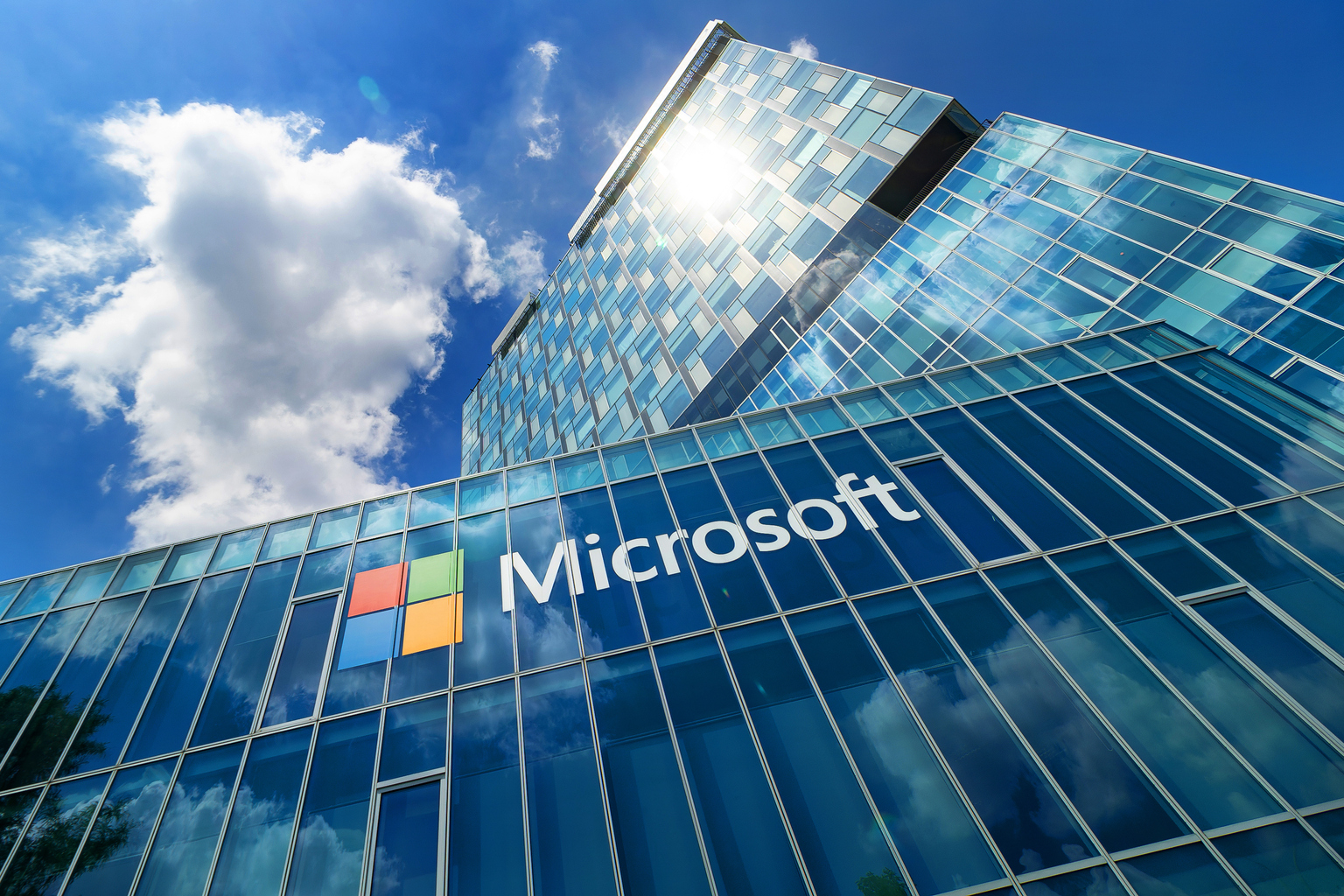
Microsoft and OpenAI Adjust Partnership Agreement
- Partnership Simplification: Microsoft and OpenAI announced an amended agreement aimed at simplifying their collaboration through flexibility and certainty, thereby enhancing their joint capability to build and operate AI platforms at scale.
- Non-Exclusive License Impact: The revised agreement makes OpenAI's license non-exclusive, allowing OpenAI to bring products to other cloud providers like Amazon AWS, which could affect Microsoft's competitive position in the cloud computing market.
- Revenue Share Adjustment: Microsoft will no longer pay a revenue share to OpenAI but will continue to receive revenue share payments from OpenAI through 2030, a change that may impact Microsoft's long-term earnings outlook.
- Ongoing Equity Relationship: Despite the adjustments, Microsoft remains a major shareholder of OpenAI, indicating that its investment in the AI sector continues to hold strategic significance, especially in the context of competition with other cloud services.
See More

Meta Signs Landmark Solar Power Deal with Overview Energy

- Solar Power Agreement: Meta has signed a deal with start-up Overview Energy to secure 1 gigawatt of solar capacity, with commercial delivery expected by 2030, aimed at powering its extensive AI infrastructure and enhancing its competitive edge in the AI sector.
- Funding Strategy: To finance the $50 billion Hyperion project, Meta has reportedly secured a $29 billion financing package from PIMCO and Blue Owl Capital, highlighting the immense capital required to sustain its position in the AI arms race.
- Challenges in China: Meta faces significant hurdles as China's National Development and Reform Commission mandates the unwinding of its $2 billion acquisition of Manus, reflecting regulatory pressures on foreign investments in the AI sector and potentially hindering Meta's autonomous AI ambitions.
- Market Outlook: Despite these challenges, Meta is actively expanding its AI technology, striving to maintain a leading position in the global AI market, particularly in competition with Microsoft and Alphabet, ensuring its technological innovations remain at the forefront.
See More

Corporate Earnings Season Shows Strong Performance

- Earnings Beat: So far, about 28% of S&P 500 companies have reported Q1 results, with over 81% exceeding analyst expectations, indicating strong profitability and market confidence.
- Growth Rate Surge: The blended S&P 500 earnings growth rate stands at 15.1%, surpassing the five-year average of 13%, marking the sixth consecutive quarter of double-digit profit growth, reflecting resilience in a challenging macroeconomic environment.
- Outperformance Margin: S&P 500 companies are exceeding earnings estimates by an average of 12.3%, significantly above the five-year average of 7.3%, showcasing remarkable revenue and net income growth that boosts investor confidence.
- Optimistic Market Outlook: Despite geopolitical tensions between the U.S. and Iran keeping oil prices elevated, with West Texas Intermediate futures rising 2% to trade above $96 per barrel, the optimistic outlook for corporate earnings may drive the index to new highs.
See More
Microsoft and OpenAI Agreement Major Changes
- Revenue Share Adjustment: Microsoft will no longer pay a revenue share to OpenAI, and the revenue share will now be capped, marking a significant shift from the October 2025 agreement, which could impact Microsoft's future earnings outlook.
- Loss of Exclusivity: Microsoft has lost exclusive access to OpenAI's models, allowing OpenAI to license its models to other companies, which may challenge Microsoft's competitive edge in the AI sector and potentially affect its market share.
- Cloud Provider Freedom: OpenAI is now free to choose other cloud providers for its products, although it will continue to launch them first on Azure, indicating potential pressure on Microsoft's dominance in the cloud services market.
- Earnings Outlook: Against the backdrop of these agreement changes, Microsoft is set to report its Q3 earnings, with an expected EPS of $4.06 on revenue of $81.43 billion, raising market attention on its future performance.
See More
Nebius Signs Major AI Cloud Deals, Growth Prospects Under Scrutiny
- AI Cloud Deal Signing: Nebius has recently signed massive AI cloud deals that could potentially transform the company's growth narrative, highlighting its potential in the rapidly expanding cloud computing market.
- Market Reaction Cautious: Despite the signing of significant agreements, the market's reaction to Nebius's stock has been cautious, reflecting investor concerns about whether management can scale quickly enough to meet market expectations.
- Growth Story Challenges: A critical question facing management is whether they can rapidly expand in a competitive market to justify the current market enthusiasm or if expectations have already become overly optimistic.
- Uncertain Future Outlook: With the fast-changing landscape of the AI cloud market, Nebius's future growth prospects are filled with uncertainty, prompting investors to closely monitor management's execution capabilities and market dynamics.
See More
Market Volatility Amid Rising Oil Prices
- Oil Price Impact: The S&P 500 and Nasdaq 100 indices are under pressure today, with the former unchanged and the latter down 0.10%, as WTI crude oil prices surged over 2%, indicating market sensitivity to rising energy costs.
- Mixed Tech Stock Performance: Qualcomm's stock rose more than 3% due to reports of collaboration with OpenAI and MediaTek on smartphone processors, while Microsoft fell after announcing it would cease revenue payments to OpenAI, highlighting intensifying competition within the tech sector.
- Geopolitical Tensions: President Trump's cancellation of negotiations with Iran has led to a spike in oil prices, exacerbating the global energy crisis and raising concerns about the ongoing struggle for control over the Strait of Hormuz, which could impact future oil prices and supply chain stability.
- Economic Data and Expectations: The German consumer confidence index fell to a 3.25-year low, indicating economic weakness, while markets expect the Federal Reserve to keep interest rates unchanged this week, reflecting a cautious stance amid inflation and oil price fluctuations.
See More
Microsoft and OpenAI Adjust Partnership Agreement
- Partnership Simplification: Microsoft and OpenAI announced an amended agreement aimed at simplifying their collaboration through flexibility and certainty, thereby enhancing their joint capability to build and operate AI platforms at scale.
- Non-Exclusive License Impact: The revised agreement makes OpenAI's license non-exclusive, allowing OpenAI to bring products to other cloud providers like Amazon AWS, which could affect Microsoft's competitive position in the cloud computing market.
- Revenue Share Adjustment: Microsoft will no longer pay a revenue share to OpenAI but will continue to receive revenue share payments from OpenAI through 2030, a change that may impact Microsoft's long-term earnings outlook.
- Ongoing Equity Relationship: Despite the adjustments, Microsoft remains a major shareholder of OpenAI, indicating that its investment in the AI sector continues to hold strategic significance, especially in the context of competition with other cloud services.
See More
Meta Signs Landmark Solar Power Deal with Overview Energy
- Solar Power Agreement: Meta has signed a deal with start-up Overview Energy to secure 1 gigawatt of solar capacity, with commercial delivery expected by 2030, aimed at powering its extensive AI infrastructure and enhancing its competitive edge in the AI sector.
- Funding Strategy: To finance the $50 billion Hyperion project, Meta has reportedly secured a $29 billion financing package from PIMCO and Blue Owl Capital, highlighting the immense capital required to sustain its position in the AI arms race.
- Challenges in China: Meta faces significant hurdles as China's National Development and Reform Commission mandates the unwinding of its $2 billion acquisition of Manus, reflecting regulatory pressures on foreign investments in the AI sector and potentially hindering Meta's autonomous AI ambitions.
- Market Outlook: Despite these challenges, Meta is actively expanding its AI technology, striving to maintain a leading position in the global AI market, particularly in competition with Microsoft and Alphabet, ensuring its technological innovations remain at the forefront.
See More
Corporate Earnings Season Shows Strong Performance
- Earnings Beat: So far, about 28% of S&P 500 companies have reported Q1 results, with over 81% exceeding analyst expectations, indicating strong profitability and market confidence.
- Growth Rate Surge: The blended S&P 500 earnings growth rate stands at 15.1%, surpassing the five-year average of 13%, marking the sixth consecutive quarter of double-digit profit growth, reflecting resilience in a challenging macroeconomic environment.
- Outperformance Margin: S&P 500 companies are exceeding earnings estimates by an average of 12.3%, significantly above the five-year average of 7.3%, showcasing remarkable revenue and net income growth that boosts investor confidence.
- Optimistic Market Outlook: Despite geopolitical tensions between the U.S. and Iran keeping oil prices elevated, with West Texas Intermediate futures rising 2% to trade above $96 per barrel, the optimistic outlook for corporate earnings may drive the index to new highs.
See More