Micron Invests $50B to Expand Boise Campus
Written by Emily J. Thompson, Senior Investment Analyst
Updated: Feb 17 2026
0mins
Micron is spending $50B in Boise to more than double the size of its 450-acre campus, including the construction of two new chip factories, Robbie Whelan of The Wall Street Journal reports. The first factory's silicon wafers are expected to roll off the factory line in mid-2027. Each factory will be 600,000 square feet. Additionally, Micron recently broke ground on a $100B factory complex, representing New York's largest private investment, and announced a $9.6B investment in Japan
Trade with 70% Backtested Accuracy
Stop guessing "Should I Buy MU?" and start using high-conviction signals backed by rigorous historical data.
Sign up today to access powerful investing tools and make smarter, data-driven decisions.
Analyst Views on MU
Wall Street analysts forecast MU stock price to fall
26 Analyst Rating
24 Buy
2 Hold
0 Sell
Strong Buy
Current: 762.100

Low
235.00
Averages
336.12
High
500.00
Current: 762.100
Low
235.00
Averages
336.12
High
500.00
About MU
Micron Technology, Inc. provides memory and storage solutions. The Company delivers a portfolio of high-performance dynamic random-access memory (DRAM), NAND, and NOR memory and storage products through its Micron and Crucial brands. The Company's products enable advancing in artificial intelligence (AI) and compute-intensive applications. Its segments include Cloud Memory Business Unit (CMBU), Core Data Center Business Unit (CDBU), Mobile and Client Business Unit (MCBU) and Automotive and Embedded Business Unit (AEBU). CMBU is focused on memory solutions for large hyperscale cloud customers, and high bandwidth memory (HBM) for all data center customers. CDBU is focused on memory solutions for mid-tier cloud, enterprise, and OEM data center customers and storage solutions for all data center customers. MCBU is focused on memory and storage solutions for mobile and client segments. AEBU is focused on memory and storage solutions for the automotive, industrial, and consumer segments.
About the author

Emily J. Thompson
Emily J. Thompson, a Chartered Financial Analyst (CFA) with 12 years in investment research, graduated with honors from the Wharton School. Specializing in industrial and technology stocks, she provides in-depth analysis for Intellectia’s earnings and market brief reports.

Micron Technology's Low Valuation Amidst Strong Growth

- Significant Revenue Growth: Micron Technology's fiscal Q2 2026 revenue surged nearly 200% year-over-year to $23.86 billion, demonstrating strong performance amid skyrocketing demand for generative AI infrastructure, further solidifying its market position.
- Demand Outstrips Supply: The demand for high-bandwidth memory chips significantly exceeds supply, and this trend is expected to persist, although cyclical fluctuations in the industry may impact future profitability, necessitating caution from investors.
- Expansion Investment Plans: Micron announced plans to invest $200 billion over several years to expand semiconductor manufacturing capabilities and R&D, which will gradually increase the supply of high-bandwidth memory in the market, potentially leading to future supply-demand imbalances.
- Attractive Valuation: With a forward P/E ratio of just 7.8, significantly lower than the S&P 500's 22, Micron's stock reflects the market's pricing in of future memory demand slowdown risks, although the likelihood of a stock crash in the near term remains low.
See More

Micron Technology Benefits from Surge in AI Demand
- Surging Market Demand: Micron Technology's entire 2026 capacity for high-bandwidth memory (HBM) and advanced DRAM is sold out under long-term fixed-price contracts, reflecting explosive demand from hyperscalers like Microsoft, Alphabet, Amazon, and Meta, thereby solidifying its market position in AI infrastructure.
- Price Increase Trend: According to TrendForce, DRAM prices are rising between 58% and 63%, while NAND flash prices are climbing even more dramatically by 70% to 75%, granting Micron pricing power in a historically oversupplied market, enhancing its profitability.
- Supply Chain Security Advantage: Amid geopolitical tensions, American hyperscalers and government-linked AI projects prefer Micron as a domestic supplier, which could lead to more preferred supplier contracts and CHIPS Act support, increasing its strategic value throughout the AI infrastructure era.
- Market Expansion Potential: Micron is quietly expanding its total addressable market into AI inference, edge computing, and consumer devices, which will help diversify revenue sources, reduce cyclicality, and create a broader ecosystem for the next phase of AI infrastructure growth.
See More

AI Investment Still Holds Opportunities

- Nvidia's Growth Potential: Nvidia (NVDA) is projected to achieve a 73% revenue growth in 2023, with global data center capital expenditures expected to reach $3 trillion to $4 trillion by 2030, highlighting its strong demand and market leadership in AI infrastructure.
- Meta's AI Exploration: Meta Platforms (META), while currently focused on advertising, is developing a personal superintelligence platform and AI-enabled smart glasses, which could drive future growth, supported by a 33% year-over-year increase in advertising revenue.
- Micron's Market Opportunities: Micron (MU) is benefiting from skyrocketing demand for memory chips, with revenues expected to rise by 193% in 2023, as the ongoing memory shortage will continue to impact the market and ensure profitability in the coming years.
- Long-term AI Industry Outlook: As AI technology evolves, investor interest in AI-related companies is rising, particularly in Nvidia, Meta, and Micron, which are expected to continue attracting capital inflows and driving stock price increases.
See More

Analysis of Investment Opportunities in AI Stocks


- Alphabet AI Growth: Alphabet (GOOGL) is at the forefront of the AI boom, with Google Services sales increasing by 16% year-over-year in Q1, while Google Cloud surged by 63% due to AI enterprise demand, indicating strong revenue acceleration potential.
- Silicon Motion Performance: Silicon Motion Technology (SIMO) has rallied over 170% year-to-date, reporting 23% sequential revenue growth and 105% year-over-year growth in Q1, with Q2 guidance suggesting up to 107% year-over-year revenue growth, reflecting strong long-term demand for AI and memory chips.
- Marvell Revenue Milestone: Marvell Technology (MRVL) achieved a record $2.22 billion in revenue for fiscal Q4 2026, marking a 22% year-over-year growth, with the CEO indicating expectations for accelerated revenue growth in fiscal 2027, showcasing robust market demand.
- AI Infrastructure Investment: The growth of Marvell and Silicon Motion highlights the accelerating investment in AI infrastructure, as rising demand for data center solutions and memory products positions these companies to benefit from this trend in the coming years.
See More

Alphabet's AI Enhances Business Growth
- AI-Driven Growth: Alphabet enhances every part of its business with AI, as Google Cloud reports a 63% year-over-year growth in Q1, indicating strong enterprise demand that is expected to continue driving revenue acceleration.
- Significant Sales Growth: Silicon Motion Technology's stock has surged over 170% year-to-date, with Q1 showing a 23% sequential revenue growth and 105% year-over-year growth, indicating robust performance in the memory chip market that is likely to persist.
- Record Financial Performance: Marvell Technology achieved a 22% year-over-year growth rate in Q4 of fiscal 2026, generating $2.22 billion in revenue, with the CEO projecting accelerated growth for each quarter of fiscal 2027, underscoring the company's critical role in AI infrastructure.
- Huge Market Potential: With rising long-term demand for AI and memory chips, Silicon Motion Technology's Q2 guidance suggests up to 107% year-over-year growth potential, indicating that the company is poised for sustained strong performance in the coming years.
See More
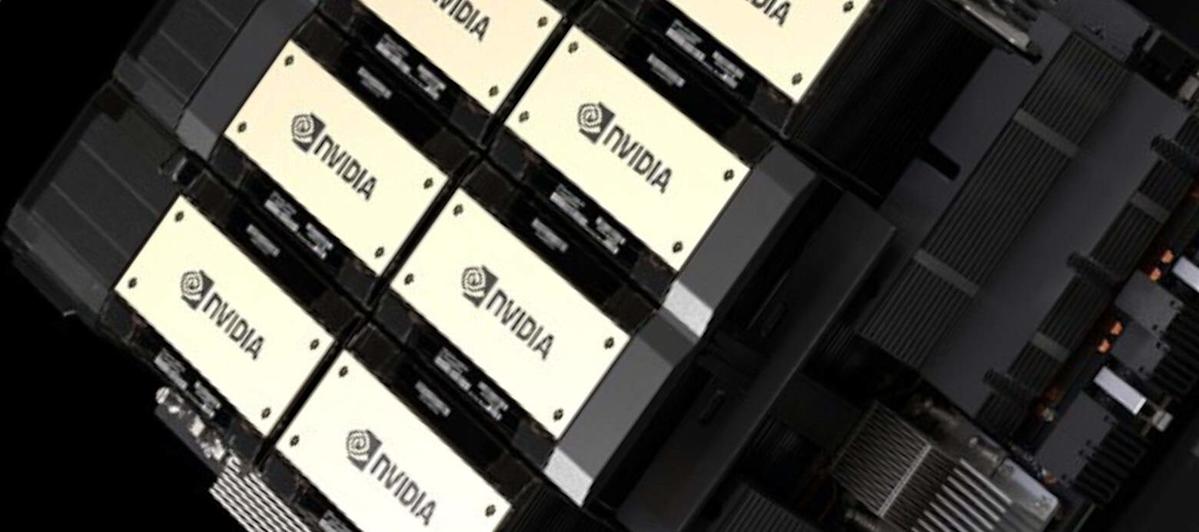
Nvidia Achieves Record Earnings for Third Consecutive Quarter
- Triple Play Achievement: Nvidia's latest earnings report not only surpassed Wall Street's revenue expectations but also raised future guidance, showcasing robust growth driven by hundreds of billions in spending from hyperscalers like Microsoft and Amazon on AI infrastructure.
- Rising GPU Rental Prices: CFO Colette Kress revealed that rental prices for Nvidia's H100 GPUs increased by 20% in 2026, while A100 GPUs rose by 15%, indicating severe chip shortages across the AI compute stack, which could impact profitability and market competitiveness.
- Chip Cycle Rewritten: The accelerated demand for AI infrastructure has led to a situation where even older chips are appreciating in value, contradicting traditional semiconductor cycles and highlighting a critical supply-demand imbalance that may affect future production and investment strategies.
- Market Risks and Opportunities: While the current demand surge is highly profitable for Nvidia, a slowdown in hyperscaler spending could quickly shift the market from shortage to oversupply, prompting investors to remain vigilant about increasing competition and potential market volatility.
See More
Micron Technology's Low Valuation Amidst Strong Growth
- Significant Revenue Growth: Micron Technology's fiscal Q2 2026 revenue surged nearly 200% year-over-year to $23.86 billion, demonstrating strong performance amid skyrocketing demand for generative AI infrastructure, further solidifying its market position.
- Demand Outstrips Supply: The demand for high-bandwidth memory chips significantly exceeds supply, and this trend is expected to persist, although cyclical fluctuations in the industry may impact future profitability, necessitating caution from investors.
- Expansion Investment Plans: Micron announced plans to invest $200 billion over several years to expand semiconductor manufacturing capabilities and R&D, which will gradually increase the supply of high-bandwidth memory in the market, potentially leading to future supply-demand imbalances.
- Attractive Valuation: With a forward P/E ratio of just 7.8, significantly lower than the S&P 500's 22, Micron's stock reflects the market's pricing in of future memory demand slowdown risks, although the likelihood of a stock crash in the near term remains low.
See More
Micron Technology Benefits from Surge in AI Demand
- Surging Market Demand: Micron Technology's entire 2026 capacity for high-bandwidth memory (HBM) and advanced DRAM is sold out under long-term fixed-price contracts, reflecting explosive demand from hyperscalers like Microsoft, Alphabet, Amazon, and Meta, thereby solidifying its market position in AI infrastructure.
- Price Increase Trend: According to TrendForce, DRAM prices are rising between 58% and 63%, while NAND flash prices are climbing even more dramatically by 70% to 75%, granting Micron pricing power in a historically oversupplied market, enhancing its profitability.
- Supply Chain Security Advantage: Amid geopolitical tensions, American hyperscalers and government-linked AI projects prefer Micron as a domestic supplier, which could lead to more preferred supplier contracts and CHIPS Act support, increasing its strategic value throughout the AI infrastructure era.
- Market Expansion Potential: Micron is quietly expanding its total addressable market into AI inference, edge computing, and consumer devices, which will help diversify revenue sources, reduce cyclicality, and create a broader ecosystem for the next phase of AI infrastructure growth.
See More
AI Investment Still Holds Opportunities
- Nvidia's Growth Potential: Nvidia (NVDA) is projected to achieve a 73% revenue growth in 2023, with global data center capital expenditures expected to reach $3 trillion to $4 trillion by 2030, highlighting its strong demand and market leadership in AI infrastructure.
- Meta's AI Exploration: Meta Platforms (META), while currently focused on advertising, is developing a personal superintelligence platform and AI-enabled smart glasses, which could drive future growth, supported by a 33% year-over-year increase in advertising revenue.
- Micron's Market Opportunities: Micron (MU) is benefiting from skyrocketing demand for memory chips, with revenues expected to rise by 193% in 2023, as the ongoing memory shortage will continue to impact the market and ensure profitability in the coming years.
- Long-term AI Industry Outlook: As AI technology evolves, investor interest in AI-related companies is rising, particularly in Nvidia, Meta, and Micron, which are expected to continue attracting capital inflows and driving stock price increases.
See More
Analysis of Investment Opportunities in AI Stocks
- Alphabet AI Growth: Alphabet (GOOGL) is at the forefront of the AI boom, with Google Services sales increasing by 16% year-over-year in Q1, while Google Cloud surged by 63% due to AI enterprise demand, indicating strong revenue acceleration potential.
- Silicon Motion Performance: Silicon Motion Technology (SIMO) has rallied over 170% year-to-date, reporting 23% sequential revenue growth and 105% year-over-year growth in Q1, with Q2 guidance suggesting up to 107% year-over-year revenue growth, reflecting strong long-term demand for AI and memory chips.
- Marvell Revenue Milestone: Marvell Technology (MRVL) achieved a record $2.22 billion in revenue for fiscal Q4 2026, marking a 22% year-over-year growth, with the CEO indicating expectations for accelerated revenue growth in fiscal 2027, showcasing robust market demand.
- AI Infrastructure Investment: The growth of Marvell and Silicon Motion highlights the accelerating investment in AI infrastructure, as rising demand for data center solutions and memory products positions these companies to benefit from this trend in the coming years.
See More
Alphabet's AI Enhances Business Growth
- AI-Driven Growth: Alphabet enhances every part of its business with AI, as Google Cloud reports a 63% year-over-year growth in Q1, indicating strong enterprise demand that is expected to continue driving revenue acceleration.
- Significant Sales Growth: Silicon Motion Technology's stock has surged over 170% year-to-date, with Q1 showing a 23% sequential revenue growth and 105% year-over-year growth, indicating robust performance in the memory chip market that is likely to persist.
- Record Financial Performance: Marvell Technology achieved a 22% year-over-year growth rate in Q4 of fiscal 2026, generating $2.22 billion in revenue, with the CEO projecting accelerated growth for each quarter of fiscal 2027, underscoring the company's critical role in AI infrastructure.
- Huge Market Potential: With rising long-term demand for AI and memory chips, Silicon Motion Technology's Q2 guidance suggests up to 107% year-over-year growth potential, indicating that the company is poised for sustained strong performance in the coming years.
See More
Nvidia Achieves Record Earnings for Third Consecutive Quarter
- Triple Play Achievement: Nvidia's latest earnings report not only surpassed Wall Street's revenue expectations but also raised future guidance, showcasing robust growth driven by hundreds of billions in spending from hyperscalers like Microsoft and Amazon on AI infrastructure.
- Rising GPU Rental Prices: CFO Colette Kress revealed that rental prices for Nvidia's H100 GPUs increased by 20% in 2026, while A100 GPUs rose by 15%, indicating severe chip shortages across the AI compute stack, which could impact profitability and market competitiveness.
- Chip Cycle Rewritten: The accelerated demand for AI infrastructure has led to a situation where even older chips are appreciating in value, contradicting traditional semiconductor cycles and highlighting a critical supply-demand imbalance that may affect future production and investment strategies.
- Market Risks and Opportunities: While the current demand surge is highly profitable for Nvidia, a slowdown in hyperscaler spending could quickly shift the market from shortage to oversupply, prompting investors to remain vigilant about increasing competition and potential market volatility.
See More