McKesson Enters Agreement with Apollo to Sell 13% Stake in Medical-Surgical Solutions
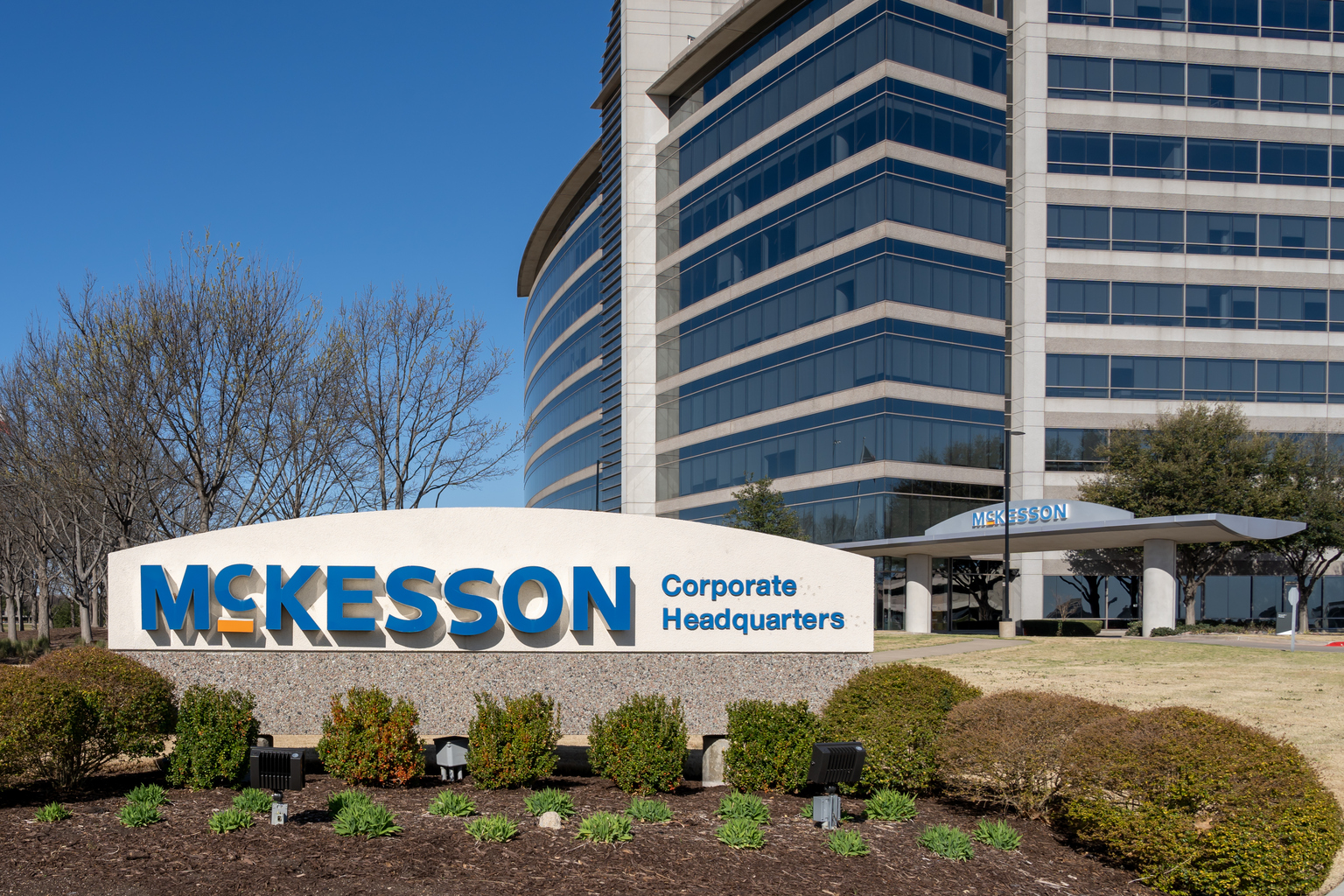
McKesson Corporation (MCK) has entered into a definitive agreement with funds managed by affiliates of Apollo (APO), under which Apollo Funds will acquire a minority ownership interest in McKesson's Medical-Surgical Solutions business. This transaction represents a meaningful milestone as McKesson executes its separation strategy of MMS in preparation of a planned initial public offering. Apollo Funds will invest $1.25B in convertible preferred equity of MMS to acquire an approximately 13% minority interest in MMS. The transaction values MMS at approximately $13 billion total enterprise valuation. McKesson will retain operating control and majority ownership of MMS and consolidate the results for financial reporting. The transaction is subject to regulatory approvals and customary closing conditions.
Trade with 70% Backtested Accuracy
Analyst Views on MCK

About MCK
About the author


Apollo Funds to Invest $1.25 Billion for 13% Minority Stake in McKesson Corp's MMS

- Investment Announcement: MCKESSON CORP has announced a significant investment of $1.25 billion.
- Focus on Minority Interest: The investment is aimed at acquiring a 13% minority interest in a company referred to as MMS.
Apollo to Acquire 13% Stake in McKesson's Medical-Surgical Solutions

- Investment Scale: Apollo Global Management's affiliated funds are set to invest $1.25 billion in convertible preferred equity in McKesson's Medical-Surgical Solutions unit, valuing it at approximately $13 billion, reflecting strong confidence in the healthcare sector.
- Strategic Milestone: McKesson CEO Brian Tyler stated that this transaction marks a key milestone in the company's planned separation of the Medical-Surgical Solutions unit, potentially laying the groundwork for future independent operations.
- Market Reaction: Following the announcement, Apollo's stock fell 1.66% to $122.55 in pre-market trading, while McKesson's stock rose 0.30% to $869.00, indicating a cautious market response to the deal.
- Industry Outlook: This investment not only strengthens Apollo's positioning in the healthcare sector but may also provide McKesson with additional capital support, thereby driving further expansion in the medical solutions market.

Trump Announces U.S.-Iran Ceasefire Agreement
- Market Surge: Following Trump's announcement of a two-week ceasefire between the U.S. and Iran, stocks soared, with S&P 500 futures rising sharply, reflecting market optimism about the potential end of the conflict.
- Crude Price Plunge: The ceasefire led to an 18% drop in West Texas Intermediate futures to around $92 per barrel, while Brent oil fell 16.7%, alleviating inflationary pressures and potentially boosting consumer spending.
- Airline Stocks Rally: Lower crude prices resulted in significant gains for airlines, with United Airlines up over 12% and Delta Air Lines rising about 11%, indicating that reduced fuel costs could enhance profitability and stimulate travel demand.
- Tech Stocks Strengthen: Stocks like Sandisk and On Semiconductor, identified by JPMorgan as inversely correlated with WTI, saw premarket gains of 9% and 5% respectively, suggesting renewed investor confidence in technology amid the positive market sentiment.

McKesson Reports Strong Q3 Fiscal 2026 Results Driven by Specialty Growth


- Core Business Growth: McKesson achieved an 11% revenue growth and a 13% operating profit growth in Q3, primarily driven by broad momentum in oncology, multispecialty, and pharmaceutical distribution, showcasing the company's strong competitiveness in high-growth healthcare sectors.
- Specialty Drug Boost: Revenues from GLP-1 therapies rose 26% year-over-year to $14 billion, indicating the company's significant advantage in distributing high-cost, complex therapies, which enhances margins and market share.
- Acquisition-Driven Profitability: The oncology and multispecialty segment saw a 57% operating profit growth, supported by acquisitions like PRISM Vision and Florida Cancer Specialists, reinforcing McKesson's strategic position in high-margin service platforms.
- Medical-Surgical Segment Challenges: The Medical-Surgical segment reported only 1% revenue growth and a 10% decline in operating profit, reflecting its sensitivity to external factors, which may limit overall growth potential and impact consolidated performance.

Stocks Decline as Oil Prices Surge Following Iran's Attack

- Oil Price Surge Impact: Stocks fell as Brent crude briefly hit $119 per barrel following Iran's attack on a key LNG facility in Qatar, causing the S&P 500 to slip below its 200-day moving average for the first time since last May, raising concerns among long-term investors.
- Eli Lilly Drug Study Update: Eli Lilly reported that its Phase 3 study of retatrutide for type 2 diabetes showed superior weight loss compared to Mounjaro over 40 weeks, yet the stock remained stagnant as investors are more focused on the anticipated approval of its new GLP-1 pill next month.
- Nvidia Stock Analysis: Jim Cramer reiterated his
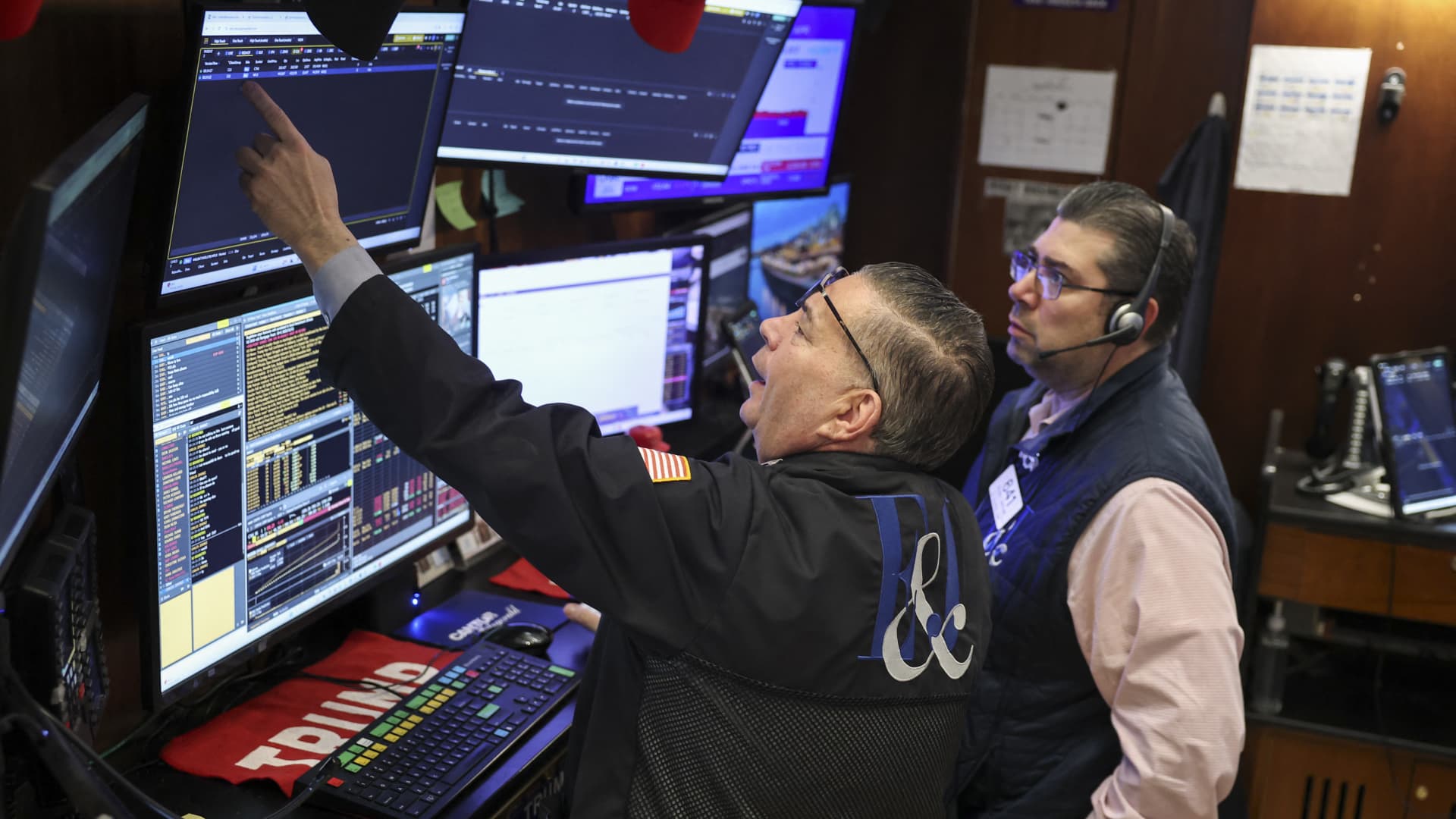
Jim Cramer's Trust Increases Stake in Cardinal Health
- Increased Stake: Jim Cramer's Charitable Trust purchased 50 shares of Cardinal Health (CAH) at approximately $214 each on Wednesday, raising its total holdings to 450 shares and increasing the portfolio weighting from 2.27% to 2.55%, reflecting confidence in the company.
- Market Reaction: Since the onset of the Middle East conflict, energy prices and stocks have shown an inverse relationship, with rising oil prices leading to stock sell-offs and concerns about inflation, as evidenced by the S&P 500's decline of over 0.5%.
- Financial Outlook: Cardinal Health generates nearly 100% of its revenue in the U.S., and management indicated that the recent commodity price spike will have an immaterial impact on its fiscal year 2026 earnings, showcasing its resilience and prompting investors to accumulate shares during market weakness.
- Industry Dynamics: Despite the healthcare sector's poor performance this month and the retirement of two CFOs raising concerns, Cencora's reaffirmation of its financial guidance has alleviated fears of an impending shortfall, indicating stability within the industry.
Apollo Funds to Invest $1.25 Billion for 13% Minority Stake in McKesson Corp's MMS
- Investment Announcement: MCKESSON CORP has announced a significant investment of $1.25 billion.
- Focus on Minority Interest: The investment is aimed at acquiring a 13% minority interest in a company referred to as MMS.
Apollo to Acquire 13% Stake in McKesson's Medical-Surgical Solutions
- Investment Scale: Apollo Global Management's affiliated funds are set to invest $1.25 billion in convertible preferred equity in McKesson's Medical-Surgical Solutions unit, valuing it at approximately $13 billion, reflecting strong confidence in the healthcare sector.
- Strategic Milestone: McKesson CEO Brian Tyler stated that this transaction marks a key milestone in the company's planned separation of the Medical-Surgical Solutions unit, potentially laying the groundwork for future independent operations.
- Market Reaction: Following the announcement, Apollo's stock fell 1.66% to $122.55 in pre-market trading, while McKesson's stock rose 0.30% to $869.00, indicating a cautious market response to the deal.
- Industry Outlook: This investment not only strengthens Apollo's positioning in the healthcare sector but may also provide McKesson with additional capital support, thereby driving further expansion in the medical solutions market.
Trump Announces U.S.-Iran Ceasefire Agreement
- Market Surge: Following Trump's announcement of a two-week ceasefire between the U.S. and Iran, stocks soared, with S&P 500 futures rising sharply, reflecting market optimism about the potential end of the conflict.
- Crude Price Plunge: The ceasefire led to an 18% drop in West Texas Intermediate futures to around $92 per barrel, while Brent oil fell 16.7%, alleviating inflationary pressures and potentially boosting consumer spending.
- Airline Stocks Rally: Lower crude prices resulted in significant gains for airlines, with United Airlines up over 12% and Delta Air Lines rising about 11%, indicating that reduced fuel costs could enhance profitability and stimulate travel demand.
- Tech Stocks Strengthen: Stocks like Sandisk and On Semiconductor, identified by JPMorgan as inversely correlated with WTI, saw premarket gains of 9% and 5% respectively, suggesting renewed investor confidence in technology amid the positive market sentiment.
McKesson Reports Strong Q3 Fiscal 2026 Results Driven by Specialty Growth
- Core Business Growth: McKesson achieved an 11% revenue growth and a 13% operating profit growth in Q3, primarily driven by broad momentum in oncology, multispecialty, and pharmaceutical distribution, showcasing the company's strong competitiveness in high-growth healthcare sectors.
- Specialty Drug Boost: Revenues from GLP-1 therapies rose 26% year-over-year to $14 billion, indicating the company's significant advantage in distributing high-cost, complex therapies, which enhances margins and market share.
- Acquisition-Driven Profitability: The oncology and multispecialty segment saw a 57% operating profit growth, supported by acquisitions like PRISM Vision and Florida Cancer Specialists, reinforcing McKesson's strategic position in high-margin service platforms.
- Medical-Surgical Segment Challenges: The Medical-Surgical segment reported only 1% revenue growth and a 10% decline in operating profit, reflecting its sensitivity to external factors, which may limit overall growth potential and impact consolidated performance.
Stocks Decline as Oil Prices Surge Following Iran's Attack
- Oil Price Surge Impact: Stocks fell as Brent crude briefly hit $119 per barrel following Iran's attack on a key LNG facility in Qatar, causing the S&P 500 to slip below its 200-day moving average for the first time since last May, raising concerns among long-term investors.
- Eli Lilly Drug Study Update: Eli Lilly reported that its Phase 3 study of retatrutide for type 2 diabetes showed superior weight loss compared to Mounjaro over 40 weeks, yet the stock remained stagnant as investors are more focused on the anticipated approval of its new GLP-1 pill next month.
- Nvidia Stock Analysis: Jim Cramer reiterated his
Jim Cramer's Trust Increases Stake in Cardinal Health
- Increased Stake: Jim Cramer's Charitable Trust purchased 50 shares of Cardinal Health (CAH) at approximately $214 each on Wednesday, raising its total holdings to 450 shares and increasing the portfolio weighting from 2.27% to 2.55%, reflecting confidence in the company.
- Market Reaction: Since the onset of the Middle East conflict, energy prices and stocks have shown an inverse relationship, with rising oil prices leading to stock sell-offs and concerns about inflation, as evidenced by the S&P 500's decline of over 0.5%.
- Financial Outlook: Cardinal Health generates nearly 100% of its revenue in the U.S., and management indicated that the recent commodity price spike will have an immaterial impact on its fiscal year 2026 earnings, showcasing its resilience and prompting investors to accumulate shares during market weakness.
- Industry Dynamics: Despite the healthcare sector's poor performance this month and the retirement of two CFOs raising concerns, Cencora's reaffirmation of its financial guidance has alleviated fears of an impending shortfall, indicating stability within the industry.