McDonald's CEO Emphasizes Customer First, Driving Future Growth
McDonald's chairman and CEO, Chris Kempczinski said in a statement, "Over the last several years, we've made this System stronger. We built one of the largest loyalty programs in the world. Connected our brand to culture like never before. We created capabilities few companies can match. And when you've built what we've built, there's no better time to ask the question that has driven this company through every era: what's NEXT? The competitive landscape is changing and with it, customers' expectations. Traditional competitors are upgrading their menus, and a new wave of specialists are emerging and redefining taste and quality across chicken, beef, and beverages. As more of the customer journey becomes automated, there are fewer opportunities for guests to connect with crew. With fewer interactions, the bar for hospitality that makes people feel seen, welcomed, and valued only goes up. Customers also depend on us for compelling, predictable value, and even more so with unprecedented inflation. While perceptions of our value have rebounded in most markets, it's a reminder that we need to earn, and re-earn, each and every visit. We can't ask our customers to choose. Hospitality or speed. Great taste or convenience. Value or quality. They want what Ray called the total of everything. They won't trade one for another because they don't have to. In a world where every restaurant is a swipe away, there is no such thing as second place. Which begs the question: are we our customer's first choice? For most it's an unequivocal "yes," every time. For some, "not yet." And "not yet" is something we refuse to live with. So, we're going to earn it the way we always have: by rededicating ourselves to Ray's promise, built for the way customers and crew live today. Our ambition is simple: Be our customer's first choice. Every time. We're calling it, McDonald's greater than NEXT. McDonald's greater than NEXT is how we'll unlock our next phase of growth and productivity, by bringing in more customers more often and improving unit economics. NEXT is the what. Our shared destination. You'll write the how, with your own path shaped by your market, your customers, and your crew. Time and again, we've looked at a changing world, taken what made us great, and brought it to the next level. When we're aligned as a System, we are unstoppable. That's how we've always earned our customers. NEXT starts now."
Trade with 70% Backtested Accuracy
Analyst Views on MCD

About MCD
About the author


KFC Revamps Menu to Compete in Chicken Market
- Menu Innovation: KFC is set to attract consumers by introducing boneless chicken options and improving its existing tender recipes, which is expected to enhance customer satisfaction and strengthen its competitive position in the market.
- Global Expansion: The new tenders and nine new sauces will roll out this month in the UK and Ireland, followed by launches in Australia and the US, aiming to meet global consumer demand for diverse flavors.
- Beverage Diversification: KFC is launching a new sub-brand called Kwench, adding boba refreshers, sparkling lemonades, and iced coffees, which is expected to attract younger consumers and boost overall sales.
- Brand Image Update: The new logo and restaurant designs will enhance customer experience, particularly with the upcoming new concept restaurants in Texas and the UAE, aimed at improving in-person dining engagement.
World Cup in the U.S. Expected to Drive $7.5 Billion in Consumer Spending

- Massive Consumer Potential: The upcoming World Cup in the U.S. is projected to drive consumer spending to $7.5 billion, slightly surpassing the Winter Olympics' $7.2 billion but falling short of the Super Bowl's $11.5 billion, highlighting the event's strong appeal in the American market.
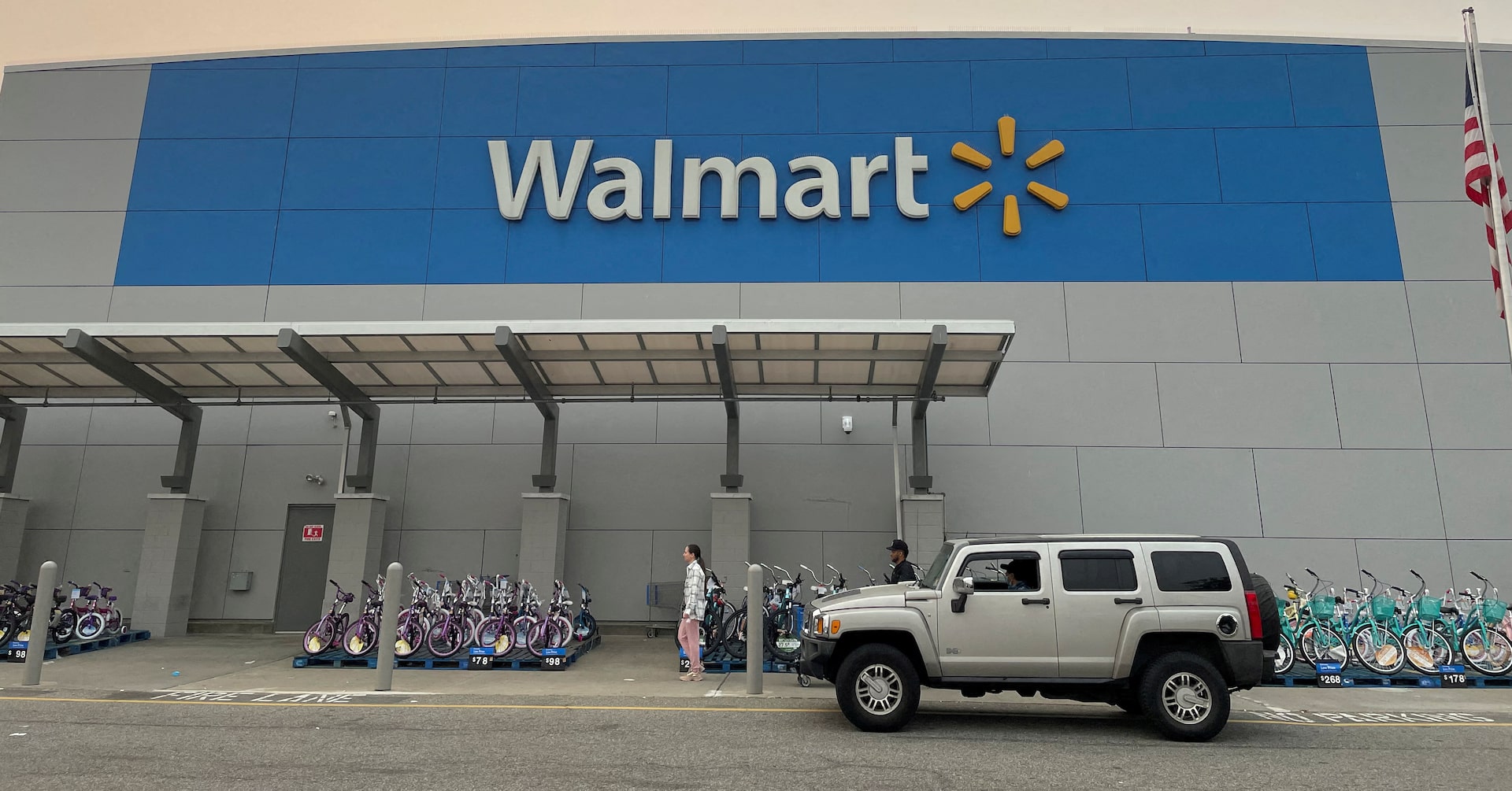
- Walmart's Long-Term Strategy: Walmart has partnered with Major League Soccer (MLS) to launch promotional activities aimed at enhancing fan experiences through multi-channel engagement across stadiums, screens, and stores, thereby increasing its influence among the young and diverse fan base.
- McDonald's Global Promotion: McDonald's is offering the FIFA World Cup 26 Meal, featuring a Big Mac or Chicken McNuggets, along with collectible cups tied to global soccer stars, aiming to attract family consumers and enhance brand recognition through this global event.
- Brand Marketing Opportunity: The 2026 World Cup is seen as a significant opportunity for brand marketing, with experts noting that the event's ability to concentrate attention provides brands a natural opening to engage effectively in an increasingly competitive digital landscape.
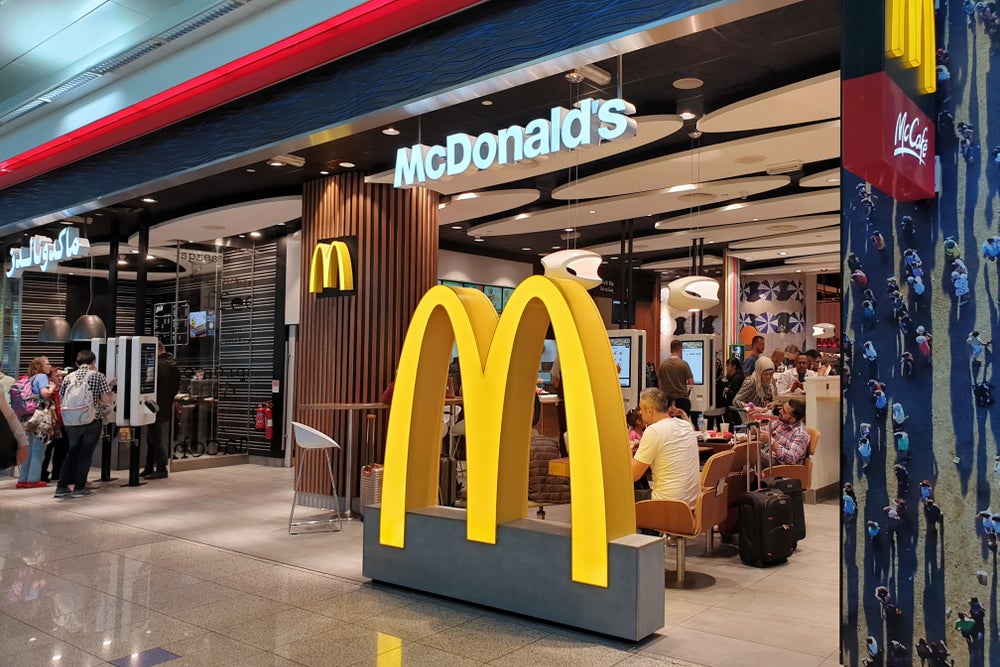
McDonald's and Coca-Cola Partnership Evolution

- Beverage Innovation Strategy: McDonald's is expanding its beverage offerings with custom sodas, refreshers, and upcoming energy drinks featuring Red Bull, aiming to capture a larger share of the rapidly growing beverage market as traditional burger sales mature.
- Young Consumer Preferences: As younger consumers increasingly favor customizable drinks and social media-friendly concoctions, Coca-Cola faces challenges; despite innovations like Freestyle soda machines, many initiatives have failed to gain traction in McDonald's restaurants.
- Strategic Priority Shift: Under CEO Chris Kempczinski, beverage innovation has become a strategic priority for McDonald's, which has incorporated lessons from its short-lived CosMc's beverage concept into a broader menu strategy to enhance growth potential.
- Partnership Restructuring: The partnership between McDonald's and Coca-Cola, established in 1955, remains strong, yet McDonald's seeks to introduce a broader range of beverage suppliers to drive growth, indicating a renegotiation of their long-standing alliance in response to changing consumer tastes.
Investment Opportunities Arising from the 2026 World Cup


- Event Scale and Economic Impact: The 2026 World Cup, hosted in North America, is expected to attract over 6.5 million fans, generating approximately $14 billion in event-related spending and contributing $17.2 billion to the U.S. GDP, highlighting its significant economic impact.
- Investment Return Potential: Historical data indicates that host-country equities have delivered median returns of about 10% during World Cup years, driven by increased tourism spending and consumer sentiment, making related stocks attractive for investors.
- Surge in Advertising Spending: Digital advertising is projected to be a major beneficiary, with an estimated $5 billion increase in global advertising spending, 73% of which is expected to flow through digital channels, showcasing the World Cup's strong influence on the advertising market.
- Recommended Investment Basket: JPMorgan advises investors to consider the 2026 World Cup Beneficiaries Basket, which includes companies like Alphabet, Booking Holdings, and Coca-Cola, anticipating strong performance during the tournament.
Analysis of S&P 500 Index Fund Investments

- Investment Recommendation: Most financial advisors recommend low-fee S&P 500 index funds like the Vanguard S&P 500 ETF (VOO) and SPDR S&P 500 ETF (SPY) for their convenience, although they are not perfect, they remain a top choice for many investors.
- Concentration Risk: The top 10 components of the S&P 500 account for 39% of its total market value, with weights of 7.43% for Nvidia, 6.59% for Alphabet, and 6.48% for Apple, indicating a high concentration of investor funds in a few companies, which increases market volatility risk.
- Alternative Investment Options: The Invesco S&P 500 Equal Weight ETF (RSP) offers a more balanced investment approach compared to standard market-cap-weighted funds, with a 15-year average annual return of 12%, lower than Vanguard's 14.4%, but may hold its value better during market downturns.
- Long-Term Return Potential: While the Vanguard S&P 500 ETF has higher long-term returns, the Motley Fool analyst team suggests that there are currently 10 other stocks that could provide higher returns, prompting investors to consider these potential high-yield opportunities when making investment decisions.
Analysis of S&P 500 ETF Investments
- Concentration Risk: Standard S&P 500 ETFs like Vanguard and SPDR have their top 10 components accounting for 39% of total market value, despite representing only 2% of the index, indicating a high concentration of funds in a few companies, which may pose greater risks during market volatility.
- Alternative Investment Options: The Invesco S&P 500 Equal Weight ETF offers a balanced investment approach, with quarterly rebalancing that equalizes stock weights; although it has averaged annual gains of 12%, lower than Vanguard's 14.4%, it may provide better resilience during market downturns.
- Market Performance Comparison: The Vanguard S&P 500 ETF is currently priced at $681.95, with a 52-week range of $545.75 to $699.15, while the Invesco ETF is priced at $211.65, highlighting performance differences that investors should consider based on their risk tolerance.
- Long-term Investment Strategy: While S&P 500 ETFs have shown strong performance in recent years, investors should be mindful of concentration risks, especially during market corrections, and consider balanced ETFs as part of a long-term investment strategy for more stable returns.
KFC Revamps Menu to Compete in Chicken Market
- Menu Innovation: KFC is set to attract consumers by introducing boneless chicken options and improving its existing tender recipes, which is expected to enhance customer satisfaction and strengthen its competitive position in the market.
- Global Expansion: The new tenders and nine new sauces will roll out this month in the UK and Ireland, followed by launches in Australia and the US, aiming to meet global consumer demand for diverse flavors.
- Beverage Diversification: KFC is launching a new sub-brand called Kwench, adding boba refreshers, sparkling lemonades, and iced coffees, which is expected to attract younger consumers and boost overall sales.
- Brand Image Update: The new logo and restaurant designs will enhance customer experience, particularly with the upcoming new concept restaurants in Texas and the UAE, aimed at improving in-person dining engagement.
World Cup in the U.S. Expected to Drive $7.5 Billion in Consumer Spending
- Massive Consumer Potential: The upcoming World Cup in the U.S. is projected to drive consumer spending to $7.5 billion, slightly surpassing the Winter Olympics' $7.2 billion but falling short of the Super Bowl's $11.5 billion, highlighting the event's strong appeal in the American market.
- Walmart's Long-Term Strategy: Walmart has partnered with Major League Soccer (MLS) to launch promotional activities aimed at enhancing fan experiences through multi-channel engagement across stadiums, screens, and stores, thereby increasing its influence among the young and diverse fan base.
- McDonald's Global Promotion: McDonald's is offering the FIFA World Cup 26 Meal, featuring a Big Mac or Chicken McNuggets, along with collectible cups tied to global soccer stars, aiming to attract family consumers and enhance brand recognition through this global event.
- Brand Marketing Opportunity: The 2026 World Cup is seen as a significant opportunity for brand marketing, with experts noting that the event's ability to concentrate attention provides brands a natural opening to engage effectively in an increasingly competitive digital landscape.
McDonald's and Coca-Cola Partnership Evolution
- Beverage Innovation Strategy: McDonald's is expanding its beverage offerings with custom sodas, refreshers, and upcoming energy drinks featuring Red Bull, aiming to capture a larger share of the rapidly growing beverage market as traditional burger sales mature.
- Young Consumer Preferences: As younger consumers increasingly favor customizable drinks and social media-friendly concoctions, Coca-Cola faces challenges; despite innovations like Freestyle soda machines, many initiatives have failed to gain traction in McDonald's restaurants.
- Strategic Priority Shift: Under CEO Chris Kempczinski, beverage innovation has become a strategic priority for McDonald's, which has incorporated lessons from its short-lived CosMc's beverage concept into a broader menu strategy to enhance growth potential.
- Partnership Restructuring: The partnership between McDonald's and Coca-Cola, established in 1955, remains strong, yet McDonald's seeks to introduce a broader range of beverage suppliers to drive growth, indicating a renegotiation of their long-standing alliance in response to changing consumer tastes.
Investment Opportunities Arising from the 2026 World Cup
- Event Scale and Economic Impact: The 2026 World Cup, hosted in North America, is expected to attract over 6.5 million fans, generating approximately $14 billion in event-related spending and contributing $17.2 billion to the U.S. GDP, highlighting its significant economic impact.
- Investment Return Potential: Historical data indicates that host-country equities have delivered median returns of about 10% during World Cup years, driven by increased tourism spending and consumer sentiment, making related stocks attractive for investors.
- Surge in Advertising Spending: Digital advertising is projected to be a major beneficiary, with an estimated $5 billion increase in global advertising spending, 73% of which is expected to flow through digital channels, showcasing the World Cup's strong influence on the advertising market.
- Recommended Investment Basket: JPMorgan advises investors to consider the 2026 World Cup Beneficiaries Basket, which includes companies like Alphabet, Booking Holdings, and Coca-Cola, anticipating strong performance during the tournament.
Analysis of S&P 500 Index Fund Investments
- Investment Recommendation: Most financial advisors recommend low-fee S&P 500 index funds like the Vanguard S&P 500 ETF (VOO) and SPDR S&P 500 ETF (SPY) for their convenience, although they are not perfect, they remain a top choice for many investors.
- Concentration Risk: The top 10 components of the S&P 500 account for 39% of its total market value, with weights of 7.43% for Nvidia, 6.59% for Alphabet, and 6.48% for Apple, indicating a high concentration of investor funds in a few companies, which increases market volatility risk.
- Alternative Investment Options: The Invesco S&P 500 Equal Weight ETF (RSP) offers a more balanced investment approach compared to standard market-cap-weighted funds, with a 15-year average annual return of 12%, lower than Vanguard's 14.4%, but may hold its value better during market downturns.
- Long-Term Return Potential: While the Vanguard S&P 500 ETF has higher long-term returns, the Motley Fool analyst team suggests that there are currently 10 other stocks that could provide higher returns, prompting investors to consider these potential high-yield opportunities when making investment decisions.
Analysis of S&P 500 ETF Investments
- Concentration Risk: Standard S&P 500 ETFs like Vanguard and SPDR have their top 10 components accounting for 39% of total market value, despite representing only 2% of the index, indicating a high concentration of funds in a few companies, which may pose greater risks during market volatility.
- Alternative Investment Options: The Invesco S&P 500 Equal Weight ETF offers a balanced investment approach, with quarterly rebalancing that equalizes stock weights; although it has averaged annual gains of 12%, lower than Vanguard's 14.4%, it may provide better resilience during market downturns.
- Market Performance Comparison: The Vanguard S&P 500 ETF is currently priced at $681.95, with a 52-week range of $545.75 to $699.15, while the Invesco ETF is priced at $211.65, highlighting performance differences that investors should consider based on their risk tolerance.
- Long-term Investment Strategy: While S&P 500 ETFs have shown strong performance in recent years, investors should be mindful of concentration risks, especially during market corrections, and consider balanced ETFs as part of a long-term investment strategy for more stable returns.