Market Reactions Following Iran Conflict
Written by Emily J. Thompson, Senior Investment Analyst
Updated: Mar 02 2026
0mins
Should l Buy PLTR?
Source: seekingalpha
- Market Reaction: The assassination of Iranian Supreme Leader Khamenei and other top officials has led to significant market shifts, with stocks declining, the dollar strengthening, oil prices surging 8% to over $72 per barrel, and gold exceeding $5,400, indicating heightened market sensitivity to Middle Eastern tensions.
- Escalating Geopolitical Tensions: Following the loss of its top command structure, Iran has retaliated by launching ballistic missiles at civilian and military targets in Israel and neighboring countries, while Hezbollah has joined the conflict, raising concerns about global energy supply disruptions.
- Increased Demand for Safe Havens: In the short term, there is a strong demand for safe assets like gold and the dollar as investors seek protection amid geopolitical uncertainty, a trend likely to persist until the situation stabilizes.
- Long-Term Investment Outlook: As the situation evolves, nations and companies capable of safeguarding their interests and providing security for others, particularly in defense, cybersecurity, and energy independence sectors, are expected to attract investor interest and potential growth opportunities.
Trade with 70% Backtested Accuracy
Stop guessing "Should I Buy PLTR?" and start using high-conviction signals backed by rigorous historical data.
Sign up today to access powerful investing tools and make smarter, data-driven decisions.
Analyst Views on PLTR
Wall Street analysts forecast PLTR stock price to rise
17 Analyst Rating
5 Buy
10 Hold
2 Sell
Hold
Current: 146.490

Low
50.00
Averages
192.88
High
255.00
Current: 146.490
Low
50.00
Averages
192.88
High
255.00
About PLTR
Palantir Technologies Inc. is engaged in building software to assist in counterterrorism investigations and operations. The Company has built four principal software platforms, including Palantir Gotham (Gotham), Palantir Foundry (Foundry), Palantir Apollo (Apollo), and Palantir Artificial Intelligence Platform (AIP). Apollo is a cloud-agnostic, single control layer that coordinates ongoing delivery of new features, security updates, and platform configurations, helping to ensure the continuous operation of critical systems. Gotham enables users to identify patterns hidden deep within datasets, ranging from signals intelligence sources to reports from confidential informants. Foundry transforms the ways organizations operate by creating a central operating system for their data. AIP enables responsible artificial intelligence (AI)-advantage across the enterprise by using primary, core components built to effectively activate large language models and other AI within any organization.
About the author

Emily J. Thompson
Emily J. Thompson, a Chartered Financial Analyst (CFA) with 12 years in investment research, graduated with honors from the Wharton School. Specializing in industrial and technology stocks, she provides in-depth analysis for Intellectia’s earnings and market brief reports.
Claude CoWork Launch Sparks SaaS Stock Sell-Off

- Launch of Claude CoWork: Anthropic's introduction of Claude CoWork represents a significant advancement in agentic AI, enabling large language models to proactively plan, execute, and deliver complex workflows, potentially diminishing the demand for specialized SaaS tools.
- Market Reaction: The launch has triggered a sell-off in SaaS stocks as investors fear that AI could replace dedicated subscription tools, leading to concerns about these companies' pricing power and future revenue streams.
- Threat to Palantir: While Claude CoWork excels in desktop operations, its lack of governance and audit capabilities may not pose a direct threat to Palantir's Artificial Intelligence Platform (AIP), which is structurally resilient in mission-critical environments.
- Unique Value of AIP: Palantir's AIP transforms chaotic data silos into a cohesive knowledge graph, providing reliable high-stakes intelligence, demonstrating its irreplaceability in the market, even as CoWork shows potential for revolutionizing routine office tasks.
See More

Analysis of Palantir and Sandisk Stock Market Dynamics


- Palantir Stock Fluctuations: Palantir's stock surged 167% in 2023 and 340% in 2024, but has since dropped about 30% since peaking in October last year, indicating market concerns over its high valuation despite a 70% year-over-year revenue growth in Q4.
- Future Growth Expectations: Palantir anticipates over 60% revenue growth in 2026, projecting revenues between $7.18 billion and $7.19 billion, with adjusted operating income targeted at $4.126 billion, reflecting sustained strong demand in the AI sector.
- Sandisk Market Performance: Sandisk's stock skyrocketed 1,067% over the past 12 months and is up 141% year-to-date in 2024, benefiting from surging AI data storage demand, although it recently fell 25% due to high valuations and market uncertainties.
- Investor Sentiment Shift: Palantir's high P/E ratio (currently at 289) contrasts sharply with Sandisk's forward P/E ratio of just 18, reflecting differing investor perceptions, with Sandisk viewed as a more attractive investment despite its robust revenue growth.
See More

Analysis of Palantir and Sandisk Stock Performance
- Palantir Stock Volatility: Palantir's stock surged 167% in 2023 and 340% in 2024, yet it has since dropped about 30% from its peak last October, indicating market adjustment risks due to high valuation.
- Accelerated Revenue Growth: Despite the stock decline, Palantir's revenue grew 70% year-over-year in Q4 2023, with a full-year increase of 56%, and it anticipates over 60% growth in 2026, reaching between $7.18 billion and $7.19 billion.
- Sandisk Stock Performance: Sandisk has skyrocketed 1,067% over the past 12 months since its February 2025 IPO, currently priced at $575, showcasing its robust performance amid surging AI data storage demand.
- Market Outlook and Valuation: Sandisk's net income surged 617% year-over-year to $803 million last quarter, with a forward P/E ratio of just 18; despite a recent 25% drop, it remains an attractive investment option.
See More

Investors Face Profitability Pressure in AI Sector

- Profitability Challenges: Despite Palantir Technologies reporting a net income of $1.6 billion last year, its market cap of $330 billion raises concerns about profitability, leading to a stock price decline of over 30% since November.
- Strong Data Center Performance: Digital Realty achieved a 10% revenue increase and nearly 40% growth in operating profits last year, reflecting robust demand in the AI data center market, with expectations for similar growth this year emphasizing the market's focus on efficient data processing.
- Value Discrimination in AI Solutions: A survey indicates that 56% of CEOs have yet to see financial benefits from AI investments, highlighting the market's increasing scrutiny of AI solution value, with companies favoring technologies that deliver tangible benefits.
- Power Consumption Pressure: The International Energy Agency forecasts a 15% annual increase in data center electricity consumption through 2030, significantly outpacing overall energy growth, prompting the industry to adopt more efficient power systems, such as the upcoming 800-volt DC systems, to reduce operational costs.
See More

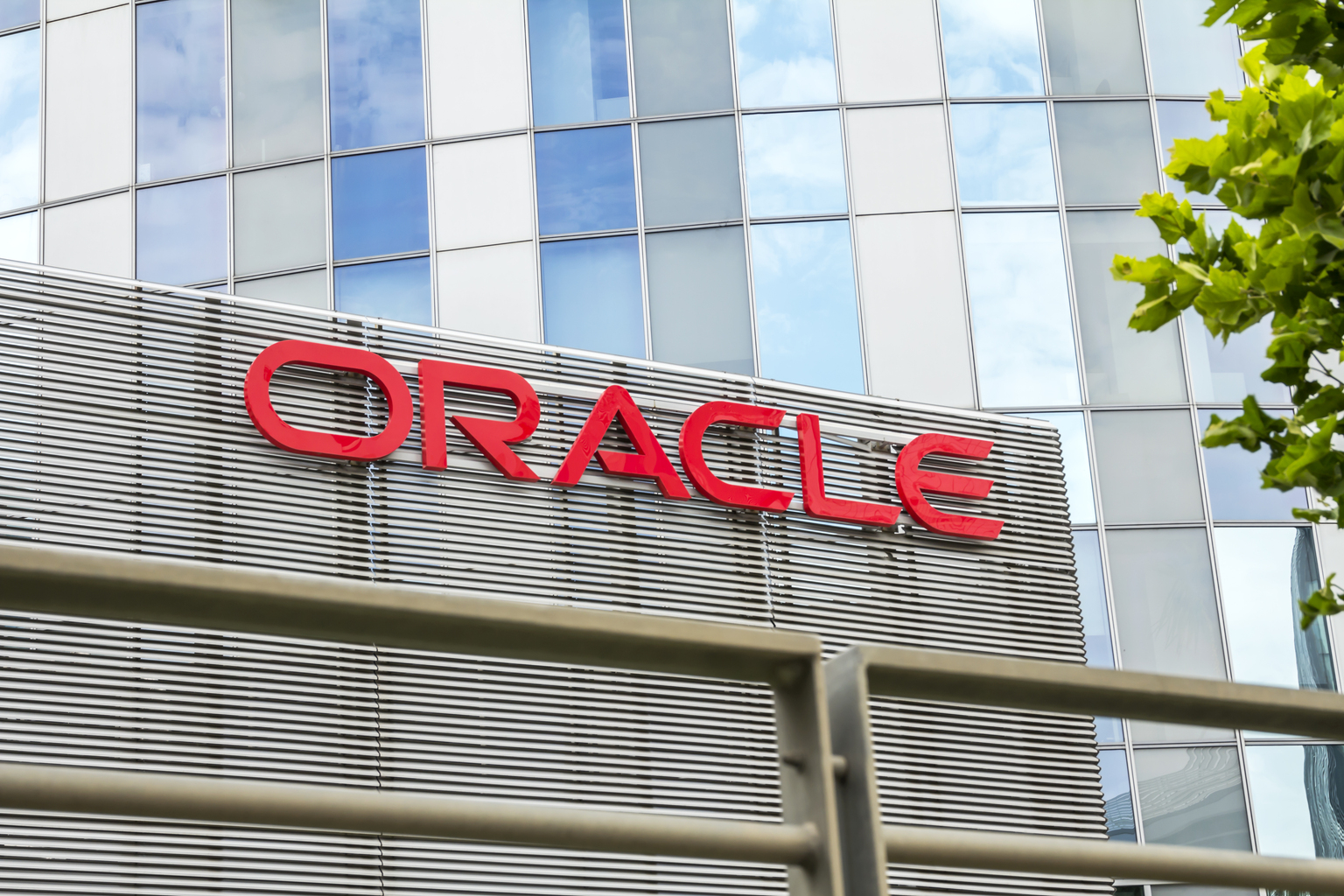
Oracle's Dubai Office Damaged Amid Rising Tensions in the Middle East


- Incident Overview: Oracle's office in Dubai was damaged by debris from an aerial interception, although no injuries were reported, highlighting the escalating tensions in the Middle East.
- Escalating Security Threats: Iran's Revolutionary Guard has designated 18 tech companies, including Oracle, as 'legitimate targets' in retaliation for U.S. and Israeli strikes, indicating the increasing significance of tech assets in conflicts.
- Industry Impact: James Henderson, CEO of risk management firm Healix, noted that the threats against tech companies are part of a sustained pattern, suggesting that future crises may target data centers and cloud platforms as much as traditional strategic sites.
- Historical Context: In March, Iran attacked Amazon Web Services data centers, causing outages in several apps and digital services in the UAE, underscoring the serious cybersecurity landscape in the region.
See More
Iran Threatens Attacks on U.S. Tech Firms Including Oracle
- Incident Overview: Oracle's building in Dubai sustained minor damage from debris due to an aerial interception, with no injuries reported; however, this incident highlights escalating tensions in the Middle East that could impact Oracle's operational safety in the region.
- Threats to Tech Companies: Iran's Revolutionary Guard has designated 18 U.S. tech firms, including Oracle, as 'legitimate targets' in retaliation for U.S. and Israeli strikes, which raises the operational risks for these companies in the Middle East.
- Rising Cybersecurity Risks: As threats against tech companies escalate, risk management expert James Henderson notes that tech assets are now viewed as integral to the conflict, suggesting future attacks may target data centers and cloud platforms, increasing security vulnerabilities in the industry.
- Historical Context: Iran previously attacked Amazon Web Services data centers in early March, causing outages in various apps and digital services in the UAE, and a repeat of such incidents could severely impact Oracle and other tech firms' operations.
See More
Claude CoWork Launch Sparks SaaS Stock Sell-Off
- Launch of Claude CoWork: Anthropic's introduction of Claude CoWork represents a significant advancement in agentic AI, enabling large language models to proactively plan, execute, and deliver complex workflows, potentially diminishing the demand for specialized SaaS tools.
- Market Reaction: The launch has triggered a sell-off in SaaS stocks as investors fear that AI could replace dedicated subscription tools, leading to concerns about these companies' pricing power and future revenue streams.
- Threat to Palantir: While Claude CoWork excels in desktop operations, its lack of governance and audit capabilities may not pose a direct threat to Palantir's Artificial Intelligence Platform (AIP), which is structurally resilient in mission-critical environments.
- Unique Value of AIP: Palantir's AIP transforms chaotic data silos into a cohesive knowledge graph, providing reliable high-stakes intelligence, demonstrating its irreplaceability in the market, even as CoWork shows potential for revolutionizing routine office tasks.
See More
Analysis of Palantir and Sandisk Stock Market Dynamics
- Palantir Stock Fluctuations: Palantir's stock surged 167% in 2023 and 340% in 2024, but has since dropped about 30% since peaking in October last year, indicating market concerns over its high valuation despite a 70% year-over-year revenue growth in Q4.
- Future Growth Expectations: Palantir anticipates over 60% revenue growth in 2026, projecting revenues between $7.18 billion and $7.19 billion, with adjusted operating income targeted at $4.126 billion, reflecting sustained strong demand in the AI sector.
- Sandisk Market Performance: Sandisk's stock skyrocketed 1,067% over the past 12 months and is up 141% year-to-date in 2024, benefiting from surging AI data storage demand, although it recently fell 25% due to high valuations and market uncertainties.
- Investor Sentiment Shift: Palantir's high P/E ratio (currently at 289) contrasts sharply with Sandisk's forward P/E ratio of just 18, reflecting differing investor perceptions, with Sandisk viewed as a more attractive investment despite its robust revenue growth.
See More
Analysis of Palantir and Sandisk Stock Performance
- Palantir Stock Volatility: Palantir's stock surged 167% in 2023 and 340% in 2024, yet it has since dropped about 30% from its peak last October, indicating market adjustment risks due to high valuation.
- Accelerated Revenue Growth: Despite the stock decline, Palantir's revenue grew 70% year-over-year in Q4 2023, with a full-year increase of 56%, and it anticipates over 60% growth in 2026, reaching between $7.18 billion and $7.19 billion.
- Sandisk Stock Performance: Sandisk has skyrocketed 1,067% over the past 12 months since its February 2025 IPO, currently priced at $575, showcasing its robust performance amid surging AI data storage demand.
- Market Outlook and Valuation: Sandisk's net income surged 617% year-over-year to $803 million last quarter, with a forward P/E ratio of just 18; despite a recent 25% drop, it remains an attractive investment option.
See More
Investors Face Profitability Pressure in AI Sector
- Profitability Challenges: Despite Palantir Technologies reporting a net income of $1.6 billion last year, its market cap of $330 billion raises concerns about profitability, leading to a stock price decline of over 30% since November.
- Strong Data Center Performance: Digital Realty achieved a 10% revenue increase and nearly 40% growth in operating profits last year, reflecting robust demand in the AI data center market, with expectations for similar growth this year emphasizing the market's focus on efficient data processing.
- Value Discrimination in AI Solutions: A survey indicates that 56% of CEOs have yet to see financial benefits from AI investments, highlighting the market's increasing scrutiny of AI solution value, with companies favoring technologies that deliver tangible benefits.
- Power Consumption Pressure: The International Energy Agency forecasts a 15% annual increase in data center electricity consumption through 2030, significantly outpacing overall energy growth, prompting the industry to adopt more efficient power systems, such as the upcoming 800-volt DC systems, to reduce operational costs.
See More
Oracle's Dubai Office Damaged Amid Rising Tensions in the Middle East
- Incident Overview: Oracle's office in Dubai was damaged by debris from an aerial interception, although no injuries were reported, highlighting the escalating tensions in the Middle East.
- Escalating Security Threats: Iran's Revolutionary Guard has designated 18 tech companies, including Oracle, as 'legitimate targets' in retaliation for U.S. and Israeli strikes, indicating the increasing significance of tech assets in conflicts.
- Industry Impact: James Henderson, CEO of risk management firm Healix, noted that the threats against tech companies are part of a sustained pattern, suggesting that future crises may target data centers and cloud platforms as much as traditional strategic sites.
- Historical Context: In March, Iran attacked Amazon Web Services data centers, causing outages in several apps and digital services in the UAE, underscoring the serious cybersecurity landscape in the region.
See More
Iran Threatens Attacks on U.S. Tech Firms Including Oracle
- Incident Overview: Oracle's building in Dubai sustained minor damage from debris due to an aerial interception, with no injuries reported; however, this incident highlights escalating tensions in the Middle East that could impact Oracle's operational safety in the region.
- Threats to Tech Companies: Iran's Revolutionary Guard has designated 18 U.S. tech firms, including Oracle, as 'legitimate targets' in retaliation for U.S. and Israeli strikes, which raises the operational risks for these companies in the Middle East.
- Rising Cybersecurity Risks: As threats against tech companies escalate, risk management expert James Henderson notes that tech assets are now viewed as integral to the conflict, suggesting future attacks may target data centers and cloud platforms, increasing security vulnerabilities in the industry.
- Historical Context: Iran previously attacked Amazon Web Services data centers in early March, causing outages in various apps and digital services in the UAE, and a repeat of such incidents could severely impact Oracle and other tech firms' operations.
See More