Major US Indices Close Marginally Lower, Nasdaq Down 0.24%


The major averages closed marginally lower on the penultimate trading day of the year as markets contend with light year-end volumes and a pullback in heavyweight tech and AI names that stalled last week's strong rally. In Fed news, minutes from the latest FOMC meeting show that "most" on the committee have judged that further rate cuts would likely be appropriate if inflation declines over time as expected. In addition, FOMC members have generally judged that upside risks to inflation remained elevated and that downside risks to employment were elevated and had increased since the middle of 2025.Looking to commodities, gold edged higher following yesterday's sharp losses, while oil was fractionally lower ahead of the API crude numbers set for release this afternoon.Get caught up quickly on the top news and calls moving stocks with this Midday Fly By.1. STOCK NEWS:Meta PlatformsAI startup Manus, with the Wall Street Journal reporting that Meta is paying over $2B for the businessApplied Digitalits cloud computing business with Ekso BionicsOn24by Cvent for $8.10 per share in cashCiti'sboard approved a plan toAccording to, "most" on the FOMC have judged that further rate cuts would likely be appropriate if inflation declines over time as expected2. WALL STREET CALLS:ArgusBHP Groupto Buy on "firming" commodity pricesMereo BioPharmato Hold at JefferiesBenchmarkLindblad Expeditionswith a Buy on high growth visibilityStephensof Rubrik, Commvault, and AvePointwith Overweight ratings and Varonisat Equal Weight3. AROUND THE WEB:SMICintends to acquire the remaining 49% stake in unit SMNC for Y40.6B, or $5.79B, giving the company full control of the subsidiary,The U.S. government has granted Samsung Electronicsand SK Hynixan annual license to bring chip manufacturing equipment to their Chinese facilities for 2026,Power-hungry AI projects are benefiting Caterpillaras a range of customers looks to purchase the company's engines and generators,Softbankhas completed its $40B investment in OpenAI,Warner Bros. Discoveryplans to reject Paramount Skydance'sbid next week,4. MOVERS:Hycroft Miningincreases after filing aBoeinggains after being awarded afor the F-15 Israel Program and a ceiling $4.2B modification to a previously awarded Air Force contract for E-4B contractor logistic serviceEnergy Fuelsfalls after Roth Capital said shares of the companyTruth Medialower after Yorkville America launchedon the New York Stock Exchange5. EARNINGS/GUIDANCE:Ree Automotivereported, with EPS higher year-over-yearEtoiles CapitalreportedCemtrexreported, with revenue higher year-over-yearAMTD IDEA Groupreported, with CFO Xavier Zee commenting, "We are proud to deliver another half year of strong performance"INDEXES:The Dow fell 94.87, or 0.20%, to 48,367.06, the Nasdaq lost 55.27, or 0.24%, to 23,419.08, and the S&P 500 declined 9.50, or 0.14%, to 6,896.24.
Trade with 70% Backtested Accuracy
Analyst Views on META

About META
About the author


Meta Platforms Stock Cheap Yet Growing Rapidly

- Stock Performance: Meta Platforms' stock is currently down 20% from its all-time high in July 2025, indicating a lack of investor enthusiasm despite the broader market reaching new highs.
- Revenue Growth: In Q1 2026, Meta reported a 33% year-over-year revenue increase, primarily driven by rising ad impressions and prices, showcasing its strong performance in the advertising sector.
- Valuation Advantage: Trading at less than 20 times forward earnings, Meta is cheaper than the S&P 500's 21.8 times, highlighting its attractive valuation amidst rapid growth, appealing to value investors.
- AI Strategy: Meta aims to leverage AI technology in its products, with plans to launch a superintelligence platform, which, if successful, could significantly enhance its market position and drive future growth.

Amazon's Investment Opportunities and Market Outlook

- AI Opportunities: Amazon's expansion into artificial intelligence has positioned it favorably during the generative AI boom in 2022, with the Kiro tool seeing a tenfold increase in enterprise customer usage in Q1, showcasing its leadership in technological innovation.
- Cloud Growth: AWS achieved a 28% sales growth in Q1, the highest in 15 quarters, indicating that businesses are rapidly transitioning to cloud services, benefiting Amazon and further solidifying its market leadership.
- E-commerce Momentum: Despite its massive scale, Amazon's e-commerce business continues to grow at double-digit rates, with the addition of 600 new brands and three-hour delivery services enhancing market share, reinforcing its position as the second-largest grocer in the U.S.
- Satellite Business Outlook: Amazon's broadband satellite business is set to launch soon, having already deployed 10 satellites and planning to deploy 20 more next year, with deals in place with Delta Airlines and Apple, highlighting its competitive potential in emerging markets.
SpaceX Plans IPO, Signaling Market Shift in Private Funding
- Delayed IPO Timeline: SpaceX is targeting a public listing approximately 24 years after its founding, making it one of the latest entrants among recent IPOs, which underscores a growing reliance on private funding and may alter how future investors engage with new companies.
- Comparison with Peers: Unlike early public companies like Amazon, Apple, and Netflix that went public within 3 to 6 years of their founding, SpaceX's extended timeline could reshape investor expectations regarding the timing of new market entrants.
- Shifting Market Trends: The trend of companies like Palantir and Reddit, which waited 17 to 19 years before going public, highlights that IPOs are increasingly viewed as a means for early investors to cash out rather than a starting point for new ventures, as exemplified by SpaceX's anticipated listing.
- Investor Strategy Reevaluation: As IPOs evolve into cash-out opportunities for early investors and employees, investors may need to reassess their strategies to adapt to this market shift, particularly when seeking investment opportunities in emerging tech companies.

Alphabet's TPUs Could Capture 20% of AI Infrastructure Market


- Market Share Forecast: Gil Luria from DA Davidson estimates that Alphabet's TPUs could capture 20% of the AI infrastructure market, which is projected to reach $900 billion, highlighting Alphabet's potential and strategic significance in the AI sector.
- Sales Model Shift: Alphabet plans to transition from historically renting TPUs through Google Cloud to directly selling them to select customers, a strategic change that will expand its addressable market and further drive cloud revenue growth.
- Competitive Landscape Analysis: While Alphabet's TPUs offer cost advantages, Nvidia still dominates with over 80% of the AI accelerator market share due to its robust software ecosystem and developer base, underscoring its leading position in the industry.
- Future Growth Expectations: Morgan Stanley anticipates that Alphabet's TPU sales will grow at an annual rate of 60% through 2028, reflecting strong market demand for its AI accelerators and indicating Alphabet's strategic positioning in the AI infrastructure space.
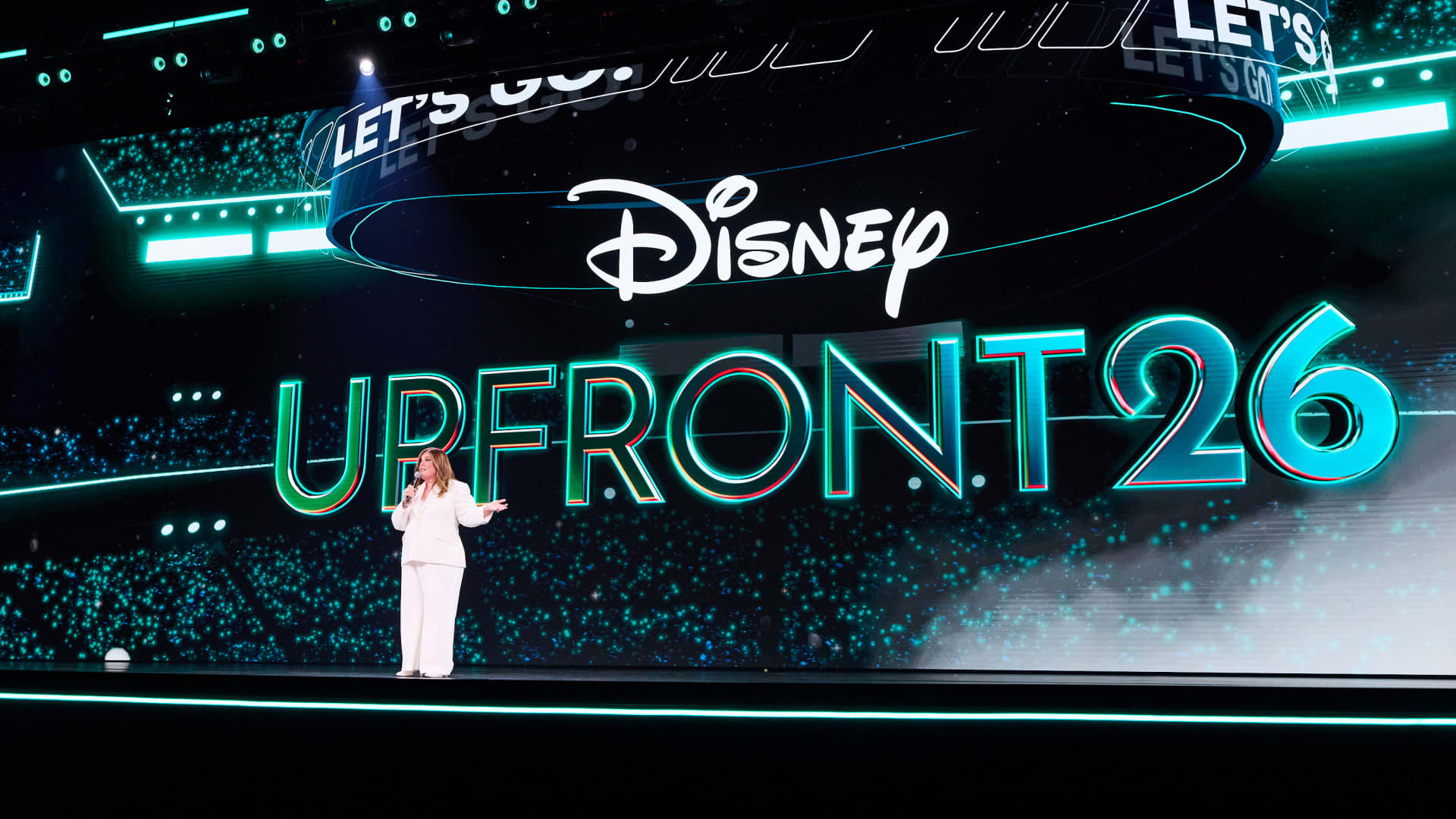
Rita Ferro Takes Charge of Disney's Global Advertising


- Leadership in Advertising: Rita Ferro, as President of Global Advertising at Disney, leverages her 29 years of industry experience to enhance the company's advertising sales across traditional TV, streaming, and digital platforms, thereby strengthening its position in a competitive media landscape.
- Strategic Integration: Ferro emphasizes the 'One Disney' strategy, creating more compelling advertising opportunities by integrating brand partnerships with movie studios and park activations, which enhances customer engagement and brand loyalty.
- International Expansion: Ferro plans to promote ad-supported streaming business internationally, particularly focusing on local content investments for Disney+, aiming to capitalize on the diversity and growth potential of international markets to drive global business development.
- Tech-Driven Approach: Ferro has spearheaded the restructuring of Disney's ad tech stack, enabling advertisers to target more effectively and improving measurement capabilities, thus enhancing the company's competitiveness in the digital advertising space.
Alphabet and Nvidia's Competitive Landscape in AI
- Market Share Competition: With a market cap of $4.6 trillion for Alphabet and $5.1 trillion for Nvidia, both companies have deep roots in AI, but Alphabet's expansion into the TPU market poses a significant threat to Nvidia's dominance.
- TPU Market Potential: Alphabet's TPUs are projected to account for 20% of AI infrastructure sales, potentially creating a $900 billion market, highlighting Alphabet's growth potential in AI hardware.
- Cloud Revenue Growth: Alphabet's cloud revenue has accelerated for four consecutive quarters, driven by strong demand for TPUs and Gemini models, indicating the company's increasing competitiveness in the AI market.
- Investor Sentiment: While Nvidia maintains an advantage in its CUDA software ecosystem, analysts believe Nvidia's stock is undervalued with an expected earnings growth of 43% over the next three years, compared to Alphabet's anticipated 16% growth.
Meta Platforms Stock Cheap Yet Growing Rapidly
- Stock Performance: Meta Platforms' stock is currently down 20% from its all-time high in July 2025, indicating a lack of investor enthusiasm despite the broader market reaching new highs.
- Revenue Growth: In Q1 2026, Meta reported a 33% year-over-year revenue increase, primarily driven by rising ad impressions and prices, showcasing its strong performance in the advertising sector.
- Valuation Advantage: Trading at less than 20 times forward earnings, Meta is cheaper than the S&P 500's 21.8 times, highlighting its attractive valuation amidst rapid growth, appealing to value investors.
- AI Strategy: Meta aims to leverage AI technology in its products, with plans to launch a superintelligence platform, which, if successful, could significantly enhance its market position and drive future growth.
Amazon's Investment Opportunities and Market Outlook
- AI Opportunities: Amazon's expansion into artificial intelligence has positioned it favorably during the generative AI boom in 2022, with the Kiro tool seeing a tenfold increase in enterprise customer usage in Q1, showcasing its leadership in technological innovation.
- Cloud Growth: AWS achieved a 28% sales growth in Q1, the highest in 15 quarters, indicating that businesses are rapidly transitioning to cloud services, benefiting Amazon and further solidifying its market leadership.
- E-commerce Momentum: Despite its massive scale, Amazon's e-commerce business continues to grow at double-digit rates, with the addition of 600 new brands and three-hour delivery services enhancing market share, reinforcing its position as the second-largest grocer in the U.S.
- Satellite Business Outlook: Amazon's broadband satellite business is set to launch soon, having already deployed 10 satellites and planning to deploy 20 more next year, with deals in place with Delta Airlines and Apple, highlighting its competitive potential in emerging markets.
SpaceX Plans IPO, Signaling Market Shift in Private Funding
- Delayed IPO Timeline: SpaceX is targeting a public listing approximately 24 years after its founding, making it one of the latest entrants among recent IPOs, which underscores a growing reliance on private funding and may alter how future investors engage with new companies.
- Comparison with Peers: Unlike early public companies like Amazon, Apple, and Netflix that went public within 3 to 6 years of their founding, SpaceX's extended timeline could reshape investor expectations regarding the timing of new market entrants.
- Shifting Market Trends: The trend of companies like Palantir and Reddit, which waited 17 to 19 years before going public, highlights that IPOs are increasingly viewed as a means for early investors to cash out rather than a starting point for new ventures, as exemplified by SpaceX's anticipated listing.
- Investor Strategy Reevaluation: As IPOs evolve into cash-out opportunities for early investors and employees, investors may need to reassess their strategies to adapt to this market shift, particularly when seeking investment opportunities in emerging tech companies.
Alphabet's TPUs Could Capture 20% of AI Infrastructure Market
- Market Share Forecast: Gil Luria from DA Davidson estimates that Alphabet's TPUs could capture 20% of the AI infrastructure market, which is projected to reach $900 billion, highlighting Alphabet's potential and strategic significance in the AI sector.
- Sales Model Shift: Alphabet plans to transition from historically renting TPUs through Google Cloud to directly selling them to select customers, a strategic change that will expand its addressable market and further drive cloud revenue growth.
- Competitive Landscape Analysis: While Alphabet's TPUs offer cost advantages, Nvidia still dominates with over 80% of the AI accelerator market share due to its robust software ecosystem and developer base, underscoring its leading position in the industry.
- Future Growth Expectations: Morgan Stanley anticipates that Alphabet's TPU sales will grow at an annual rate of 60% through 2028, reflecting strong market demand for its AI accelerators and indicating Alphabet's strategic positioning in the AI infrastructure space.
Rita Ferro Takes Charge of Disney's Global Advertising
- Leadership in Advertising: Rita Ferro, as President of Global Advertising at Disney, leverages her 29 years of industry experience to enhance the company's advertising sales across traditional TV, streaming, and digital platforms, thereby strengthening its position in a competitive media landscape.
- Strategic Integration: Ferro emphasizes the 'One Disney' strategy, creating more compelling advertising opportunities by integrating brand partnerships with movie studios and park activations, which enhances customer engagement and brand loyalty.
- International Expansion: Ferro plans to promote ad-supported streaming business internationally, particularly focusing on local content investments for Disney+, aiming to capitalize on the diversity and growth potential of international markets to drive global business development.
- Tech-Driven Approach: Ferro has spearheaded the restructuring of Disney's ad tech stack, enabling advertisers to target more effectively and improving measurement capabilities, thus enhancing the company's competitiveness in the digital advertising space.
Alphabet and Nvidia's Competitive Landscape in AI
- Market Share Competition: With a market cap of $4.6 trillion for Alphabet and $5.1 trillion for Nvidia, both companies have deep roots in AI, but Alphabet's expansion into the TPU market poses a significant threat to Nvidia's dominance.
- TPU Market Potential: Alphabet's TPUs are projected to account for 20% of AI infrastructure sales, potentially creating a $900 billion market, highlighting Alphabet's growth potential in AI hardware.
- Cloud Revenue Growth: Alphabet's cloud revenue has accelerated for four consecutive quarters, driven by strong demand for TPUs and Gemini models, indicating the company's increasing competitiveness in the AI market.
- Investor Sentiment: While Nvidia maintains an advantage in its CUDA software ecosystem, analysts believe Nvidia's stock is undervalued with an expected earnings growth of 43% over the next three years, compared to Alphabet's anticipated 16% growth.