Major Grocery Stores Closed on Christmas Day, Convenience Stores Open
Written by Emily J. Thompson, Senior Investment Analyst
Updated: Dec 25 2025
0mins
Source: Yahoo Finance
- Grocery Store Closures: Major grocery retailers like Walmart, Kroger, and Trader Joe's are closed on Christmas Day, allowing employees a much-needed break, which highlights the retail industry's focus on employee welfare during holidays.
- Convenience Store Operations: Stores such as 7-Eleven, CVS, and Walgreens remain open on Christmas Day, catering to last-minute consumer needs, demonstrating the significance of convenience retail during holiday periods.
- Varied Operating Hours: While most grocery stores may close early on Christmas Eve, a few like Save Mart still open on Christmas Day, providing limited shopping options to meet urgent customer demands.
- Consumer Choices: With limited store options available on Christmas Day, the operation of convenience stores offers essential goods to consumers, reflecting a shift in shopping patterns during the holiday season.
Trade with 70% Backtested Accuracy
Stop guessing "Should I Buy COST?" and start using high-conviction signals backed by rigorous historical data.
Sign up today to access powerful investing tools and make smarter, data-driven decisions.
Analyst Views on COST
Wall Street analysts forecast COST stock price to fall
24 Analyst Rating
19 Buy
4 Hold
1 Sell
Strong Buy
Current: 1074.010

Low
769.00
Averages
1061
High
1205
Current: 1074.010
Low
769.00
Averages
1061
High
1205
About COST
Costco Wholesale Corporation (Costco) operates membership warehouses and e-commerce sites that offer a selection of nationally branded and private-label products in a wide range of categories. The Company buys the majority of its merchandise directly from suppliers and route it to cross-docking consolidation points (depots) or directly to its warehouses. It operates 891 warehouses, including 614 in the United States and Puerto Rico, 108 in Canada, 40 in Mexico, 35 in Japan, 29 in the United Kingdom, 19 in Korea, 15 in Australia, 14 in Taiwan, seven in China, five in Spain, two in France, and one each in Iceland, New Zealand and Sweden. It also operates e-commerce sites in the United States, Canada, the United Kingdom, Mexico, Korea, Taiwan, Japan and Australia. The Company provides wide selection of merchandise, plus the convenience of specialty departments and exclusive member services.
About the author

Emily J. Thompson
Emily J. Thompson, a Chartered Financial Analyst (CFA) with 12 years in investment research, graduated with honors from the Wharton School. Specializing in industrial and technology stocks, she provides in-depth analysis for Intellectia’s earnings and market brief reports.
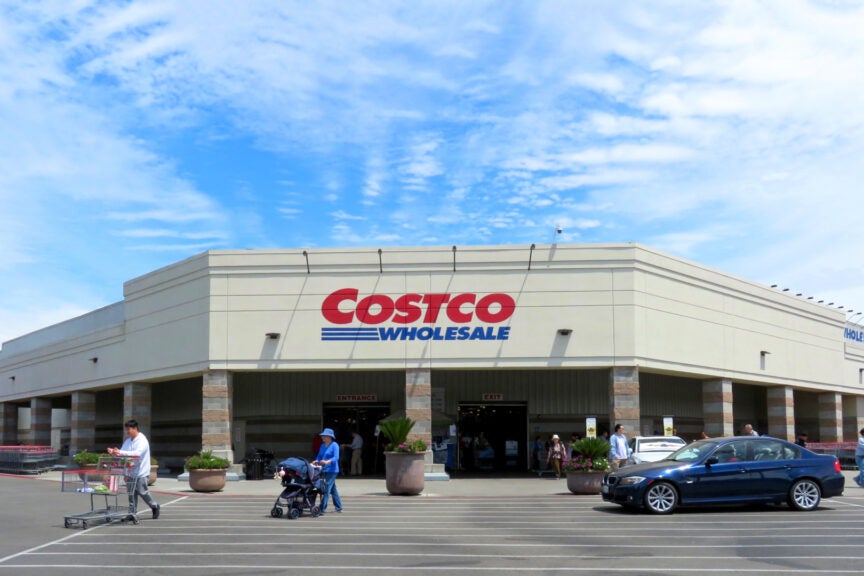
Costco Shares End Six-Session Gain
- Stock Fluctuation: Costco (COST) shares fell 1.3% to $1,080 on Friday after six consecutive days of gains, indicating market caution regarding its short-term performance.
- Year-to-Date Performance: So far this year, COST shares have risen over 25%, significantly outperforming the S&P 500 Index's 8% increase, highlighting its strong position in the retail sector.
- Analyst Ratings: According to Seeking Alpha's Quant Rating, COST holds a 3.4 Hold rating, receiving an A+ for profitability prospects but only a C for growth factors, indicating concerns about its growth potential.
- Market Expectations: Among 22 Wall Street analysts, 12 have rated the stock as Hold and 2 as Sell, reflecting a cautious outlook ahead of the upcoming Q3 earnings report.
See More
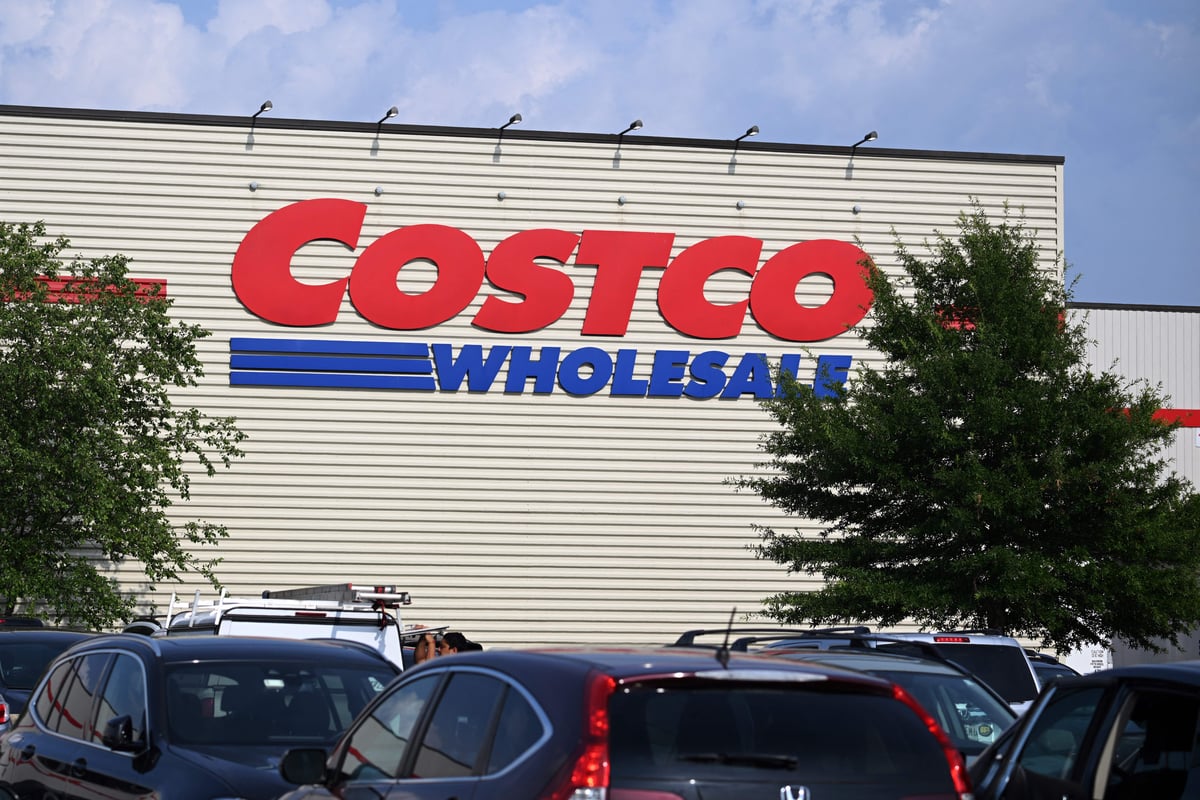
Costco Faces Price Cut Challenge from Kroger


- Price Competition Threat: Kroger's new CEO Greg Foran announced plans for significant price cuts to enhance competitiveness, although the specifics remain vague, this move could pose a potential threat to Costco, especially in a price-sensitive market environment.
- New Store Expansion Plan: Kroger aims to open 70 to 80 new stores by 2027, which is intended to increase market coverage and customer engagement, potentially exerting pressure on Costco's market share.
- Consumer Trust Comparison: An Axios poll ranked Costco as the fifth most trusted company in America, while Kroger was ranked 27th, indicating Costco's strong brand influence among consumers, which may mitigate the negative impact of Kroger's pricing strategy.
- Market Reaction: Costco's stock fell 2.6% following the news of Kroger's price cuts, reflecting market concerns over increased competition; however, the overall business model remains robust, indicating continued investor confidence in Costco.
See More
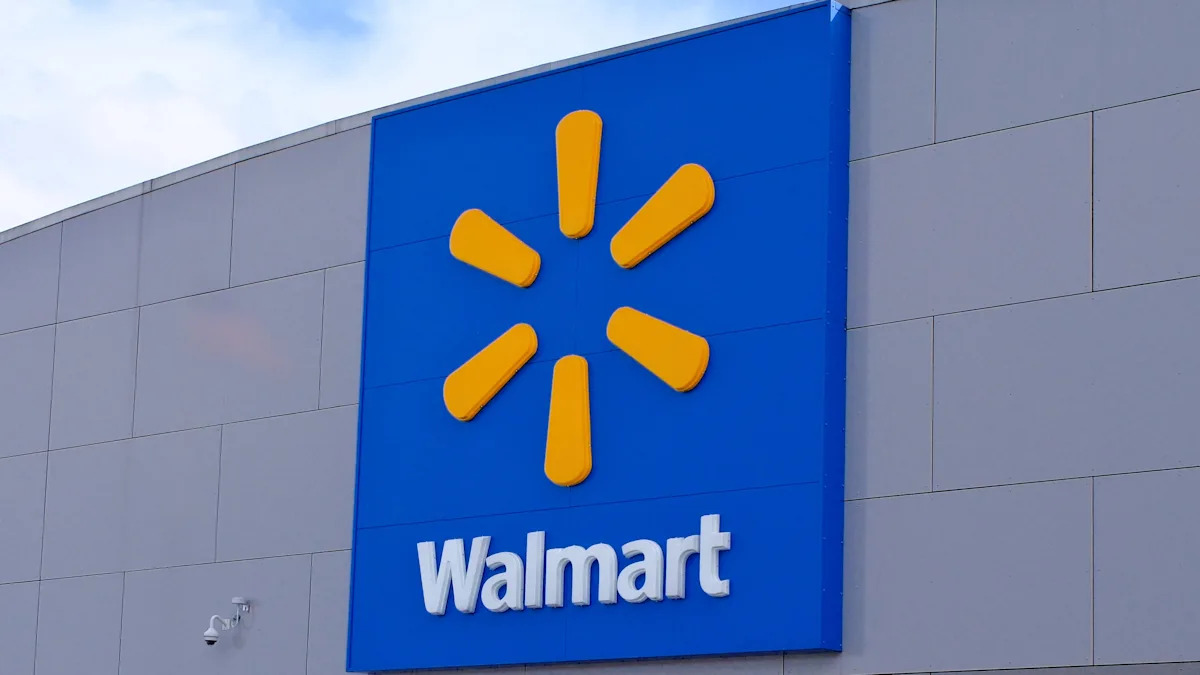
Walmart's Q1 Results Meet Expectations Amidst Consumer Pressure

- Performance Overview: Walmart reported $177.8 billion in revenue and adjusted earnings of $0.66 per share for Q1, which met Wall Street expectations; however, the stock dipped, indicating concerns over high valuations.
- Same-Store Sales Growth: The company achieved a 4.1% increase in U.S. same-store sales, demonstrating its ability to attract customers despite rising prices, which underscores its competitive position in the retail market.
- Technology and Delivery Advantage: Walmart leverages technology to enhance delivery efficiency, with 90% of Americans living within 10 miles able to receive deliveries in under 30 minutes, a rapid delivery model that boosts customer loyalty and market share.
- Value-Driven Strategy: By implementing 7,200 rollback measures, Walmart attracts middle and lower-income consumers, particularly under high fuel prices, as shoppers increasingly seek value, allowing Walmart to capitalize on its low-price strategy and high customer satisfaction.
See More

Quantum Computing Stocks Surge on $2 Billion Grants Report
- Quantum Stock Surge: Shares of quantum computing companies soared following a Wall Street Journal report that the government plans to award $2 billion in grants to nine firms, with Rigetti Computing jumping over 30%, D-Wave Quantum rising 22%, and Quantum Computing increasing 13%, indicating strong market confidence in the future of quantum technology.
- Rare Earth Rebound: Rare earth stocks extended their rebound amid concerns over export restrictions from China, with USA Rare Earth rising 7% after securing $19.3 million in funding from the Department of Energy for rare earth separation development, and Critical Metals gaining 3% after signing a 15-year offtake agreement with Greenland's Tanbreez, reflecting robust demand for rare earth resources.
- Spotify's Strong Outlook: Spotify provided a strong growth forecast at its first investor day since 2022, expecting revenue to grow at a compound annual growth rate in the mid-teens and aiming for 1 billion subscribers, leading to a 14% rise in shares, showcasing optimistic market sentiment regarding its long-term growth potential.
- Walmart's Disappointing Outlook: Walmart's shares fell nearly 7% after issuing a disappointing outlook, expecting adjusted earnings per share between $2.75 and $2.85, below the $2.91 expected by the market, despite meeting first-quarter adjusted EPS expectations, which may undermine investor confidence.
See More

Trump Delays EPA Refrigerant Rules to Cut Costs
- Cost Savings: The Trump administration announced a delay to two Biden-era EPA refrigerant rules, estimating over $2.4 billion in savings for American families and businesses, aimed at alleviating consumer spending pressures at grocery stores.
- Policy Impact: EPA Administrator Lee Zeldin stated that this move allows businesses to choose the most suitable refrigeration systems, potentially saving billions, yet it remains unclear if grocers will pass these savings onto consumers.
- Compliance Delay: The new regulations will postpone compliance requirements from 2023 and 2024, despite the EPA's previous expectation that these rules would save consumers and businesses $4.5 billion through enhanced energy efficiency and lower refrigerant costs.
- Market Reaction: While large chains like Walmart and Costco have invested in
See More
Kroger Plans Major Price Cuts to Compete
- Price Cut Strategy: Kroger's new CEO Greg Foran announced plans to cut prices on 'thousands' of products to compete with rivals like Walmart, Costco, and Amazon, which is expected to lead to a short-term decline in revenue and profits, but aims to offset losses through increased sales volume.
- Employee Incentives: Foran also plans to encourage employees to work more efficiently and be friendlier, aiming to enhance the customer shopping experience and attract more shoppers, although the actual effectiveness of this strategy remains to be seen.
- Accelerated Store Openings: Kroger intends to open 70 to 80 new stores in 2027, doubling the rate from 2026, reflecting a positive outlook for market expansion, although this will require significant capital investment.
- Cost Reduction Plans: Foran mentioned plans to cut costs by directly importing merchandise and utilizing technology more effectively, which may require initial investments but could help alleviate profit pressures caused by the price cuts in the long run.
See More
Costco Shares End Six-Session Gain
- Stock Fluctuation: Costco (COST) shares fell 1.3% to $1,080 on Friday after six consecutive days of gains, indicating market caution regarding its short-term performance.
- Year-to-Date Performance: So far this year, COST shares have risen over 25%, significantly outperforming the S&P 500 Index's 8% increase, highlighting its strong position in the retail sector.
- Analyst Ratings: According to Seeking Alpha's Quant Rating, COST holds a 3.4 Hold rating, receiving an A+ for profitability prospects but only a C for growth factors, indicating concerns about its growth potential.
- Market Expectations: Among 22 Wall Street analysts, 12 have rated the stock as Hold and 2 as Sell, reflecting a cautious outlook ahead of the upcoming Q3 earnings report.
See More
Costco Faces Price Cut Challenge from Kroger
- Price Competition Threat: Kroger's new CEO Greg Foran announced plans for significant price cuts to enhance competitiveness, although the specifics remain vague, this move could pose a potential threat to Costco, especially in a price-sensitive market environment.
- New Store Expansion Plan: Kroger aims to open 70 to 80 new stores by 2027, which is intended to increase market coverage and customer engagement, potentially exerting pressure on Costco's market share.
- Consumer Trust Comparison: An Axios poll ranked Costco as the fifth most trusted company in America, while Kroger was ranked 27th, indicating Costco's strong brand influence among consumers, which may mitigate the negative impact of Kroger's pricing strategy.
- Market Reaction: Costco's stock fell 2.6% following the news of Kroger's price cuts, reflecting market concerns over increased competition; however, the overall business model remains robust, indicating continued investor confidence in Costco.
See More
Walmart's Q1 Results Meet Expectations Amidst Consumer Pressure
- Performance Overview: Walmart reported $177.8 billion in revenue and adjusted earnings of $0.66 per share for Q1, which met Wall Street expectations; however, the stock dipped, indicating concerns over high valuations.
- Same-Store Sales Growth: The company achieved a 4.1% increase in U.S. same-store sales, demonstrating its ability to attract customers despite rising prices, which underscores its competitive position in the retail market.
- Technology and Delivery Advantage: Walmart leverages technology to enhance delivery efficiency, with 90% of Americans living within 10 miles able to receive deliveries in under 30 minutes, a rapid delivery model that boosts customer loyalty and market share.
- Value-Driven Strategy: By implementing 7,200 rollback measures, Walmart attracts middle and lower-income consumers, particularly under high fuel prices, as shoppers increasingly seek value, allowing Walmart to capitalize on its low-price strategy and high customer satisfaction.
See More
Quantum Computing Stocks Surge on $2 Billion Grants Report
- Quantum Stock Surge: Shares of quantum computing companies soared following a Wall Street Journal report that the government plans to award $2 billion in grants to nine firms, with Rigetti Computing jumping over 30%, D-Wave Quantum rising 22%, and Quantum Computing increasing 13%, indicating strong market confidence in the future of quantum technology.
- Rare Earth Rebound: Rare earth stocks extended their rebound amid concerns over export restrictions from China, with USA Rare Earth rising 7% after securing $19.3 million in funding from the Department of Energy for rare earth separation development, and Critical Metals gaining 3% after signing a 15-year offtake agreement with Greenland's Tanbreez, reflecting robust demand for rare earth resources.
- Spotify's Strong Outlook: Spotify provided a strong growth forecast at its first investor day since 2022, expecting revenue to grow at a compound annual growth rate in the mid-teens and aiming for 1 billion subscribers, leading to a 14% rise in shares, showcasing optimistic market sentiment regarding its long-term growth potential.
- Walmart's Disappointing Outlook: Walmart's shares fell nearly 7% after issuing a disappointing outlook, expecting adjusted earnings per share between $2.75 and $2.85, below the $2.91 expected by the market, despite meeting first-quarter adjusted EPS expectations, which may undermine investor confidence.
See More
Trump Delays EPA Refrigerant Rules to Cut Costs
- Cost Savings: The Trump administration announced a delay to two Biden-era EPA refrigerant rules, estimating over $2.4 billion in savings for American families and businesses, aimed at alleviating consumer spending pressures at grocery stores.
- Policy Impact: EPA Administrator Lee Zeldin stated that this move allows businesses to choose the most suitable refrigeration systems, potentially saving billions, yet it remains unclear if grocers will pass these savings onto consumers.
- Compliance Delay: The new regulations will postpone compliance requirements from 2023 and 2024, despite the EPA's previous expectation that these rules would save consumers and businesses $4.5 billion through enhanced energy efficiency and lower refrigerant costs.
- Market Reaction: While large chains like Walmart and Costco have invested in
See More
Kroger Plans Major Price Cuts to Compete
- Price Cut Strategy: Kroger's new CEO Greg Foran announced plans to cut prices on 'thousands' of products to compete with rivals like Walmart, Costco, and Amazon, which is expected to lead to a short-term decline in revenue and profits, but aims to offset losses through increased sales volume.
- Employee Incentives: Foran also plans to encourage employees to work more efficiently and be friendlier, aiming to enhance the customer shopping experience and attract more shoppers, although the actual effectiveness of this strategy remains to be seen.
- Accelerated Store Openings: Kroger intends to open 70 to 80 new stores in 2027, doubling the rate from 2026, reflecting a positive outlook for market expansion, although this will require significant capital investment.
- Cost Reduction Plans: Foran mentioned plans to cut costs by directly importing merchandise and utilizing technology more effectively, which may require initial investments but could help alleviate profit pressures caused by the price cuts in the long run.
See More