Magnificent Seven Drives Market Recovery
Written by Emily J. Thompson, Senior Investment Analyst
Updated: 6 hours ago
0mins


Should l Buy NVDA?
Source: Fool
- Significant Market Cap Growth: Since April 2023, the combined market cap of the Magnificent Seven has increased by $4.8 trillion, accounting for about 7% of the total S&P 500 market cap, highlighting their dominant position and robust profitability in the market.
- Earnings-Driven Growth: As of May 14, 2026, companies like Nvidia, Alphabet, and Apple saw their market caps rise by 35.2%, 39.7%, and 17.6% respectively, indicating that their stock prices are propelled by sustained revenue growth and high margins.
- Concentration Risk: As of April 30, 35% of the S&P 500 is composed of tech stocks, reflecting a heavy reliance on a few companies, which could lead to increased market volatility, especially if the AI investment narrative cools down.
- Investment Strategy Adjustment: Investors should consider alternative investment vehicles like equal-weight ETFs to reduce excessive exposure to growth stocks, thereby protecting portfolio stability during market fluctuations.
Trade with 70% Backtested Accuracy
Stop guessing "Should I Buy NVDA?" and start using high-conviction signals backed by rigorous historical data.
Sign up today to access powerful investing tools and make smarter, data-driven decisions.
Analyst Views on NVDA
Wall Street analysts forecast NVDA stock price to rise
41 Analyst Rating
39 Buy
1 Hold
1 Sell
Strong Buy
Current: 225.830

Low
200.00
Averages
264.97
High
352.00
Current: 225.830
Low
200.00
Averages
264.97
High
352.00
About NVDA
NVIDIA Corporation is an artificial intelligence (AI) infrastructure company. The Company is engaged in accelerated computing to help solve the challenging computational problems. Its segments include Compute & Networking and Graphics. The Compute & Networking segment includes its Data Center accelerated computing and networking platforms and AI solutions and software, and automotive platforms and autonomous and electric vehicle solutions, including software. The Graphics segment includes GeForce GPUs for gaming and personal computers (PCs), and Quadro/NVIDIA RTX GPUs for enterprise workstation graphics. Its technology stack includes the foundational NVIDIA CUDA development platform that runs on all NVIDIA GPUs, as well as hundreds of domain-specific software libraries, frameworks, algorithms, software development kits (SDKs), and application programming interfaces (APIs). Its platforms address four markets, which include Data Center, Gaming, Professional Visualization, and Automotive.
About the author

Emily J. Thompson
Emily J. Thompson, a Chartered Financial Analyst (CFA) with 12 years in investment research, graduated with honors from the Wharton School. Specializing in industrial and technology stocks, she provides in-depth analysis for Intellectia’s earnings and market brief reports.
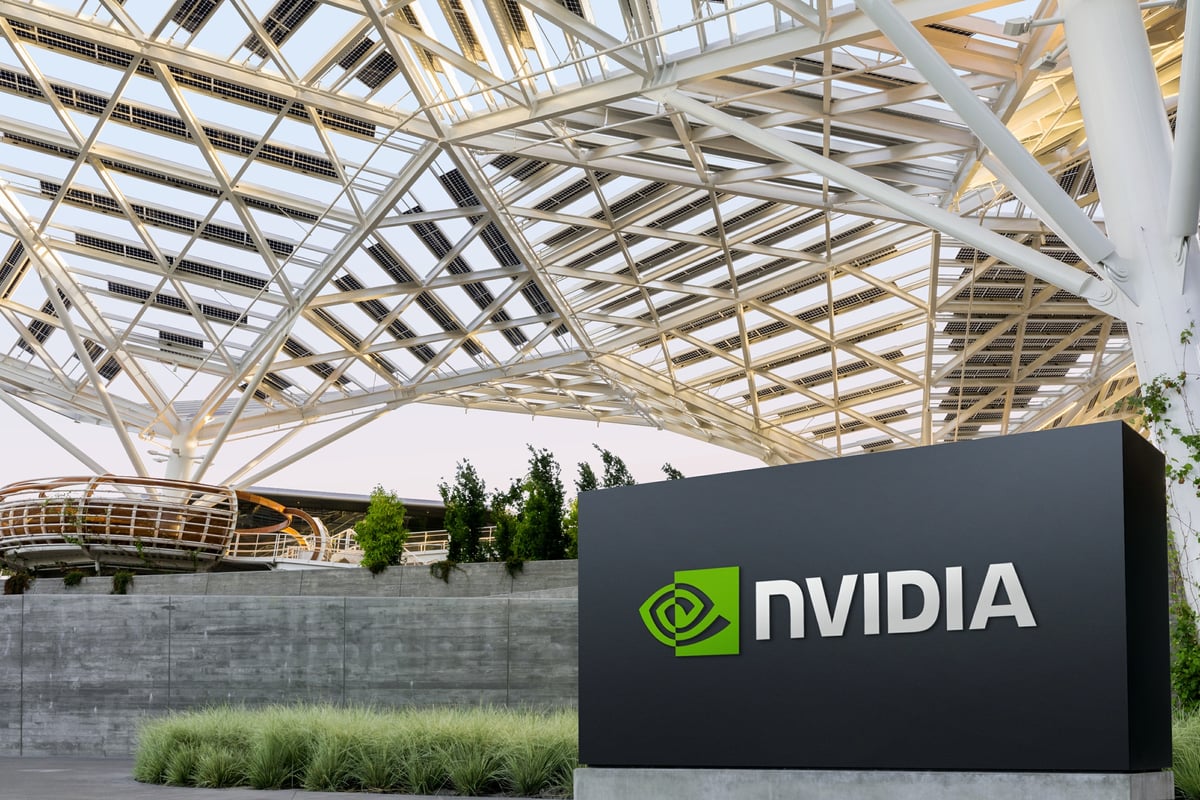
Nvidia Market Cap Surpasses $5.36 Trillion

- Market Recovery: Nvidia (NVDA) saw its market cap dip below $5 trillion earlier this year, but since March, its stock has surged 18%, currently valued at $5.36 trillion, outperforming the S&P 500 and indicating strong market recovery potential.
- AI Technology Leadership: With its deep expertise in GPUs, Nvidia has positioned itself as a key driver of artificial intelligence development, and its latest Vera Rubin architecture is expected to be widely adopted by every cloud model builder, further solidifying its market position.
- Optimistic Earnings Forecast: Nvidia is expected to report a 79% sales increase in its upcoming May 20 earnings report for Q1 2027, with projected earnings per share rising from $0.81 last year to $1.78, showcasing robust profitability and market confidence.
- Investor Confidence Restored: Following strong Q1 earnings reports from major AI developers like Amazon and Alphabet, market confidence in Nvidia's growth prospects has been restored, with CEO Jensen Huang's mention of a $1 trillion sales opportunity further fueling investor optimism.
See More

Trump Invites Xi to White House for Trade Talks
- Meeting Context: On May 15, 2026, U.S. President Trump met with Chinese President Xi Jinping at Zhongnanhai Garden in Beijing, discussing future trade negotiations, highlighting the complexity and significance of U.S.-China relations.
- White House Invitation: Trump announced at a state dinner his invitation for Xi to visit the White House on September 24, indicating that trade talks will extend beyond this week's two-day summit in Beijing, potentially influencing future economic policy directions.
- Strategic Stability Framework: Xi stated that both nations agreed to a framework of 'strategic stability' for the next three years, which could lay the groundwork for long-term development in bilateral relations, although specific agreements remain unconfirmed.
- Future Meeting Arrangements: The two leaders may meet again during the UN General Assembly in September, the APEC meeting in November, and the G20 meeting in December, providing opportunities for further economic cooperation in these significant international forums.
See More

Trump Announces China to Buy U.S. Crude Oil

- U.S.-China Trade Agreement: Trump announced that China agreed to purchase U.S. crude oil, which not only helps ease trade tensions but also potentially boosts U.S. energy exports, enhancing domestic economic growth prospects.
- Positive Market Reaction: Following the trade deal announcement, the Dow Jones Industrial Average reclaimed the 50,000 mark for the first time, indicating a restoration of market confidence and likely encouraging further investments in U.S. equities.
- Strong Stock Market Performance: Despite early declines in stock futures on Friday, the S&P 500 and Nasdaq are on track for their seventh consecutive week of gains, demonstrating market resilience and investor optimism.
- Industry Dynamics: Cerebras had a stellar debut on Nasdaq, attracting significant investor attention, reflecting strong interest in the semiconductor sector, particularly against the backdrop of surging AI infrastructure investments.
See More
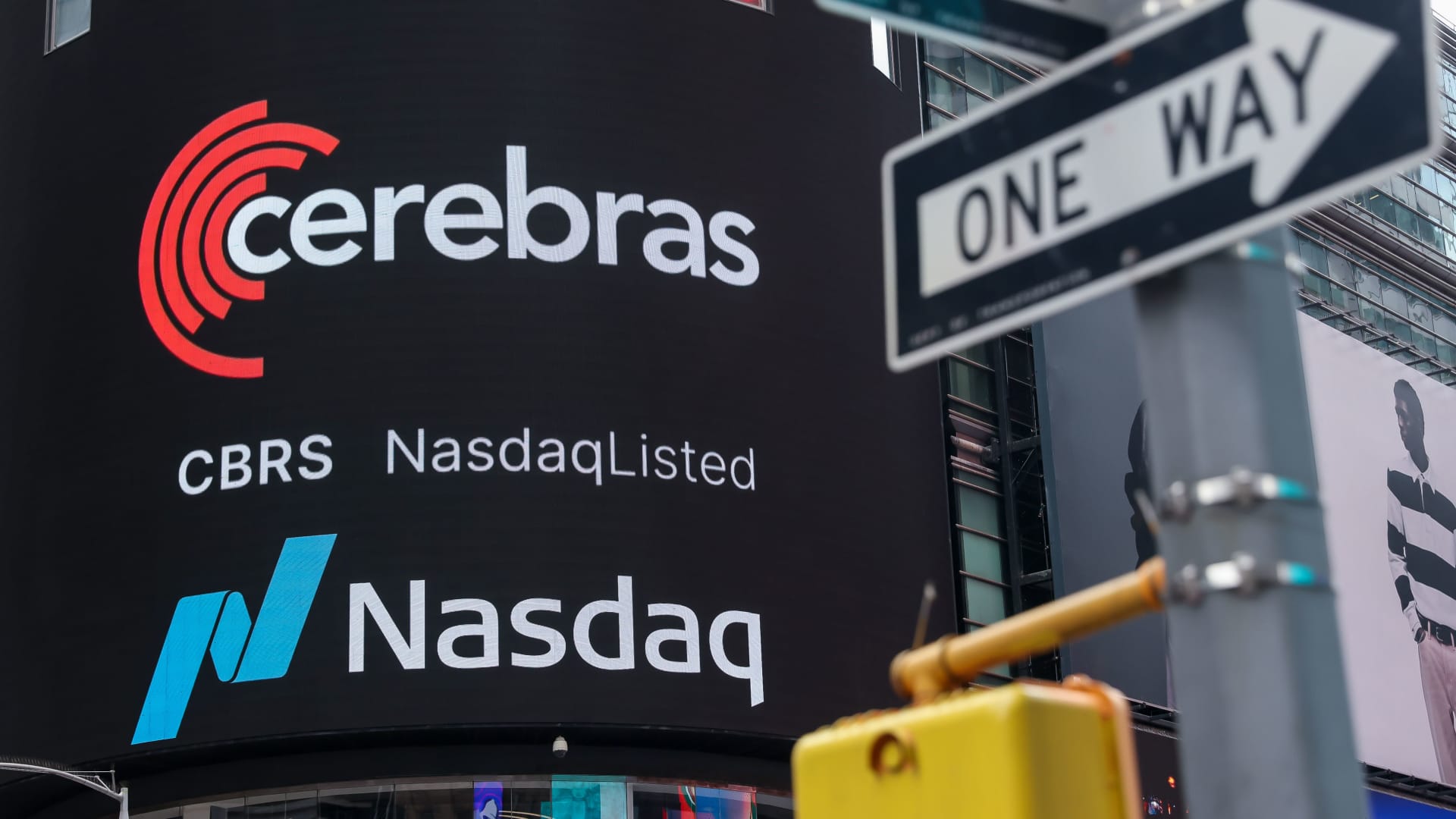
Cerebras Systems IPO Soars, Reaches $95 Billion Market Cap

- Record-Setting IPO: Cerebras Systems successfully debuted on Nasdaq, raising $5.55 billion by selling 30 million shares at an initial price of $185, marking the largest IPO by a U.S. tech firm since Uber in 2019.
- Strong Stock Performance: The stock surged 68% on its first day, closing at $331.07 and giving the company a market cap of approximately $95 billion, reflecting strong market interest and investor confidence in its AI hardware products.
- Technological Advantages and Challenges: Cerebras' Wafer Scale Engine 3 processor claims to outperform Nvidia's GPUs in certain applications, although analysts express skepticism about its long-term viability, noting that the technology is still in its
See More

Samsung Faces Historic Strike Threat Amid AI Boom Dispute

- Massive Strike Planned: Over 45,000 Samsung workers are set to strike on May 21, potentially marking the largest strike in the company's history, which could severely disrupt global supply chains, particularly in AI data centers and smartphone production.
- Bonus Distribution Dispute: Samsung's proposal to pay 27,000 memory chip employees at least six times more than other workers has sparked controversy, as the union demands that all employees share in the profits from the AI boom, highlighting deep divisions within the company regarding compensation.
- Significant Financial Impact: JPMorgan estimates that the strike could lead to operating profit losses of up to 31 trillion won (approximately $20.79 billion) for Samsung, with sales losses around 4.5 trillion won, indicating a substantial threat to the company's financial health.
- Talent Drain Risk: Employee dissatisfaction has surged as SK Hynix offers significantly higher bonuses, leading to increased turnover, with the union fearing that this could cripple the logic chip division and undermine Samsung's long-term strategic goals in the logic chip market.
See More
Key Themes for US Stocks: AI Boom and Consumer Spending

- AI Boom and Market Performance: With earnings reports from semiconductor giants like Nvidia on the horizon, the enthusiasm for artificial intelligence continues to drive the market, as evidenced by the S&P 500's approximately 18% rebound since late March, reflecting strong investor confidence.
- Inflation Pressure on Consumer Spending: As retail giants like Walmart prepare to release quarterly results, investors express concerns that war-related inflation may dampen consumer spending, particularly given that consumer spending accounts for over two-thirds of the U.S. economy.
- Nvidia Earnings as Market Signal: Nvidia's stock has surged over 40% since its March low, and its upcoming earnings report will be viewed as a critical indicator of the overall health of the semiconductor industry, with investors eager to see if it can maintain its leadership in data center spending.
- Retail Performance and Spending Trends: With rising consumer and producer price indices, investors are keenly watching retail earnings reports to assess whether consumer spending is being impacted by inflationary pressures, especially as gasoline prices exceed $4.50 per gallon.
See More
Nvidia Market Cap Surpasses $5.36 Trillion
- Market Recovery: Nvidia (NVDA) saw its market cap dip below $5 trillion earlier this year, but since March, its stock has surged 18%, currently valued at $5.36 trillion, outperforming the S&P 500 and indicating strong market recovery potential.
- AI Technology Leadership: With its deep expertise in GPUs, Nvidia has positioned itself as a key driver of artificial intelligence development, and its latest Vera Rubin architecture is expected to be widely adopted by every cloud model builder, further solidifying its market position.
- Optimistic Earnings Forecast: Nvidia is expected to report a 79% sales increase in its upcoming May 20 earnings report for Q1 2027, with projected earnings per share rising from $0.81 last year to $1.78, showcasing robust profitability and market confidence.
- Investor Confidence Restored: Following strong Q1 earnings reports from major AI developers like Amazon and Alphabet, market confidence in Nvidia's growth prospects has been restored, with CEO Jensen Huang's mention of a $1 trillion sales opportunity further fueling investor optimism.
See More
Trump Invites Xi to White House for Trade Talks
- Meeting Context: On May 15, 2026, U.S. President Trump met with Chinese President Xi Jinping at Zhongnanhai Garden in Beijing, discussing future trade negotiations, highlighting the complexity and significance of U.S.-China relations.
- White House Invitation: Trump announced at a state dinner his invitation for Xi to visit the White House on September 24, indicating that trade talks will extend beyond this week's two-day summit in Beijing, potentially influencing future economic policy directions.
- Strategic Stability Framework: Xi stated that both nations agreed to a framework of 'strategic stability' for the next three years, which could lay the groundwork for long-term development in bilateral relations, although specific agreements remain unconfirmed.
- Future Meeting Arrangements: The two leaders may meet again during the UN General Assembly in September, the APEC meeting in November, and the G20 meeting in December, providing opportunities for further economic cooperation in these significant international forums.
See More
Trump Announces China to Buy U.S. Crude Oil
- U.S.-China Trade Agreement: Trump announced that China agreed to purchase U.S. crude oil, which not only helps ease trade tensions but also potentially boosts U.S. energy exports, enhancing domestic economic growth prospects.
- Positive Market Reaction: Following the trade deal announcement, the Dow Jones Industrial Average reclaimed the 50,000 mark for the first time, indicating a restoration of market confidence and likely encouraging further investments in U.S. equities.
- Strong Stock Market Performance: Despite early declines in stock futures on Friday, the S&P 500 and Nasdaq are on track for their seventh consecutive week of gains, demonstrating market resilience and investor optimism.
- Industry Dynamics: Cerebras had a stellar debut on Nasdaq, attracting significant investor attention, reflecting strong interest in the semiconductor sector, particularly against the backdrop of surging AI infrastructure investments.
See More
Cerebras Systems IPO Soars, Reaches $95 Billion Market Cap
- Record-Setting IPO: Cerebras Systems successfully debuted on Nasdaq, raising $5.55 billion by selling 30 million shares at an initial price of $185, marking the largest IPO by a U.S. tech firm since Uber in 2019.
- Strong Stock Performance: The stock surged 68% on its first day, closing at $331.07 and giving the company a market cap of approximately $95 billion, reflecting strong market interest and investor confidence in its AI hardware products.
- Technological Advantages and Challenges: Cerebras' Wafer Scale Engine 3 processor claims to outperform Nvidia's GPUs in certain applications, although analysts express skepticism about its long-term viability, noting that the technology is still in its
See More
Samsung Faces Historic Strike Threat Amid AI Boom Dispute
- Massive Strike Planned: Over 45,000 Samsung workers are set to strike on May 21, potentially marking the largest strike in the company's history, which could severely disrupt global supply chains, particularly in AI data centers and smartphone production.
- Bonus Distribution Dispute: Samsung's proposal to pay 27,000 memory chip employees at least six times more than other workers has sparked controversy, as the union demands that all employees share in the profits from the AI boom, highlighting deep divisions within the company regarding compensation.
- Significant Financial Impact: JPMorgan estimates that the strike could lead to operating profit losses of up to 31 trillion won (approximately $20.79 billion) for Samsung, with sales losses around 4.5 trillion won, indicating a substantial threat to the company's financial health.
- Talent Drain Risk: Employee dissatisfaction has surged as SK Hynix offers significantly higher bonuses, leading to increased turnover, with the union fearing that this could cripple the logic chip division and undermine Samsung's long-term strategic goals in the logic chip market.
See More
Key Themes for US Stocks: AI Boom and Consumer Spending
- AI Boom and Market Performance: With earnings reports from semiconductor giants like Nvidia on the horizon, the enthusiasm for artificial intelligence continues to drive the market, as evidenced by the S&P 500's approximately 18% rebound since late March, reflecting strong investor confidence.
- Inflation Pressure on Consumer Spending: As retail giants like Walmart prepare to release quarterly results, investors express concerns that war-related inflation may dampen consumer spending, particularly given that consumer spending accounts for over two-thirds of the U.S. economy.
- Nvidia Earnings as Market Signal: Nvidia's stock has surged over 40% since its March low, and its upcoming earnings report will be viewed as a critical indicator of the overall health of the semiconductor industry, with investors eager to see if it can maintain its leadership in data center spending.
- Retail Performance and Spending Trends: With rising consumer and producer price indices, investors are keenly watching retail earnings reports to assess whether consumer spending is being impacted by inflationary pressures, especially as gasoline prices exceed $4.50 per gallon.
See More