Lululemon Founder Advocates for Brand Reinvention
Written by Emily J. Thompson, Senior Investment Analyst
Updated: 1 day ago
0mins
Should l Buy LULU?
Source: seekingalpha
- Brand Positioning Shift: Lululemon founder Chip Wilson's letter to shareholders highlights a drift from a premium, innovation-driven brand to a more generic athletic retailer, negatively impacting growth and stock performance.
- Expansion Strategy Concerns: Wilson specifically criticizes brand-diluting moves such as entering footwear and accessories, the Disney partnership, and the Mirror acquisition, while questioning the company's low R&D and marketing spending and lengthy product development timelines.
- Governance Structure Recommendations: He argues that Lululemon must refocus on creative excellence, technical product details, and experimentation, alongside stronger board oversight to restore the brand's
Trade with 70% Backtested Accuracy
Stop guessing "Should I Buy LULU?" and start using high-conviction signals backed by rigorous historical data.
Sign up today to access powerful investing tools and make smarter, data-driven decisions.
Analyst Views on LULU
Wall Street analysts forecast LULU stock price to rise
22 Analyst Rating
1 Buy
21 Hold
0 Sell
Hold
Current: 133.590

Low
146.00
Averages
207.12
High
303.00
Current: 133.590
Low
146.00
Averages
207.12
High
303.00
About LULU
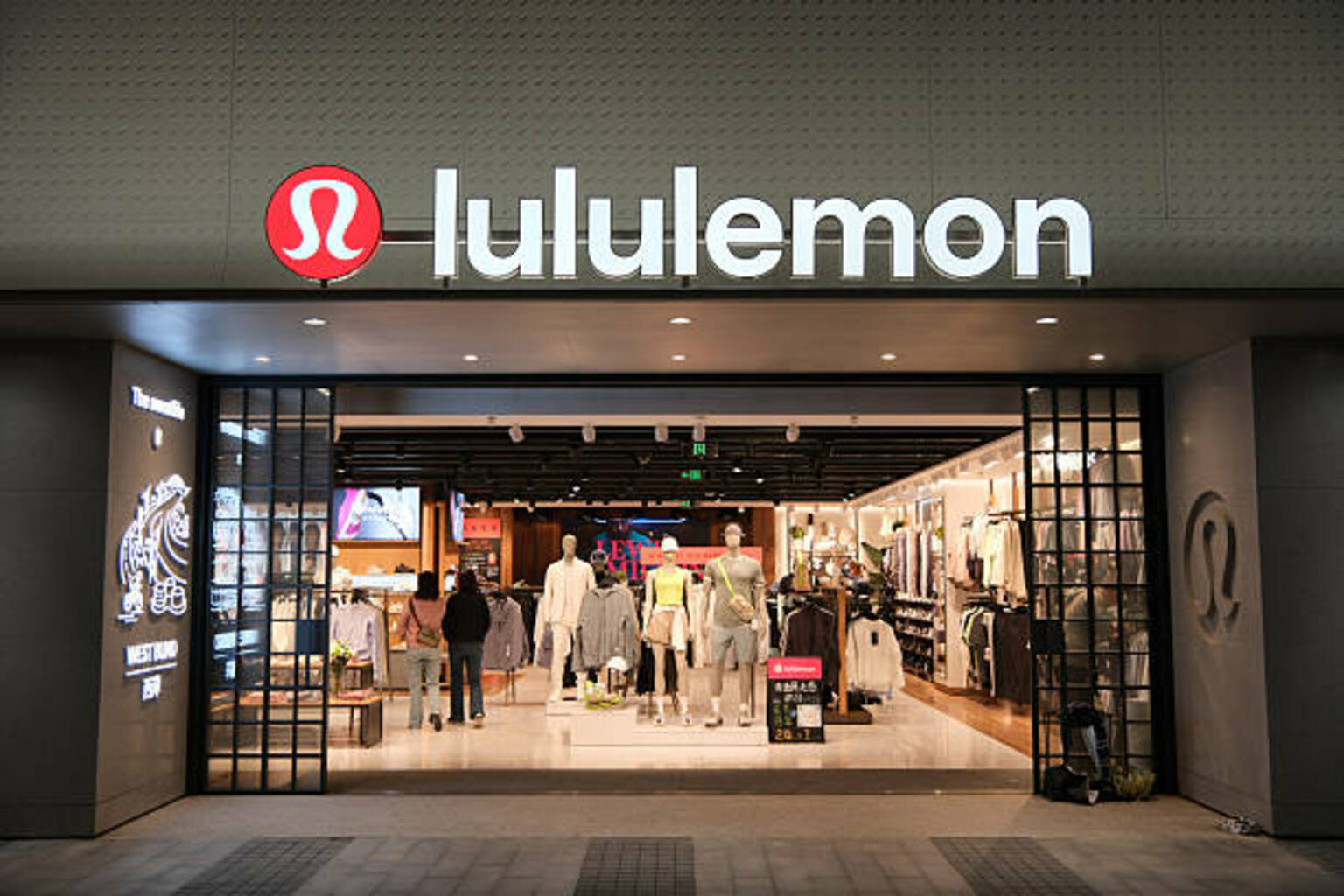
lululemon athletica inc. is a technical athletic apparel, footwear, and accessories company. The Company organizes its operations into four regional markets: the Americas, China Mainland, Asia Pacific (APAC), and Europe and the Middle East (EMEA). It conducts its business through a number of different channels in each market, including the Company-operated stores, e-commerce, temporary locations, wholesale, outlets, a re-commerce program, and license and supply arrangements. The Company offers a comprehensive line of technical athletic apparel, footwear, and accessories marketed under the lululemon brand. Its apparel assortment includes items such as shorts, tops, and jackets designed for a healthy lifestyle, including athletic activities such as yoga, running, training, and most other activities. It also offers apparel designed for being on the move and fitness-inspired accessories. It operates stores in the United States, Canada, China Mainland, Australia, South Korea and others.
About the author

Emily J. Thompson
Emily J. Thompson, a Chartered Financial Analyst (CFA) with 12 years in investment research, graduated with honors from the Wharton School. Specializing in industrial and technology stocks, she provides in-depth analysis for Intellectia’s earnings and market brief reports.
Lululemon Founder Advocates for Brand Reinvention

- Brand Positioning Shift: Lululemon founder Chip Wilson's letter to shareholders highlights a drift from a premium, innovation-driven brand to a more generic athletic retailer, negatively impacting growth and stock performance.
- Expansion Strategy Concerns: Wilson specifically criticizes brand-diluting moves such as entering footwear and accessories, the Disney partnership, and the Mirror acquisition, while questioning the company's low R&D and marketing spending and lengthy product development timelines.
- Governance Structure Recommendations: He argues that Lululemon must refocus on creative excellence, technical product details, and experimentation, alongside stronger board oversight to restore the brand's
See More

Lululemon Adjusts Growth Plans Due to Trade Barriers
- Growth Plan Adjustment: Lululemon is reevaluating its future growth strategy due to the impact of trade barriers, which is expected to negatively affect the company's expansion speed in international markets.
- Stock Price Fluctuation: As of the afternoon of May 4, 2026, Lululemon's stock price was 1.48%, reflecting market caution regarding its adjustment plans, which may impact investor confidence.
- Market Reaction: The presence of trade barriers may lead Lululemon to face higher operational costs, thereby affecting its profit margins and overall financial performance, necessitating measures to maintain competitiveness.
- Strategic Response: The company may need to diversify its markets and product lines to address the challenges posed by trade barriers, ensuring long-term sustainable growth and reducing reliance on specific markets.
See More

Deckers and Lululemon: Investment Opportunities Amid Market Dips

- Deckers Strong Performance: Deckers Outdoor reported $1.96 billion in revenue for Q3 2026, a 7% year-over-year increase, with EPS of $3.33 exceeding consensus estimates by over 20%, showcasing robust performance from its Hoka and Ugg brands despite a 55% stock price drop due to macro factors.
- Hoka and Ugg Growth: Hoka's revenue surged 18.5% to $628.9 million, while Ugg achieved record quarterly revenue of $1.305 billion, up 4.9%, with a healthy gross margin of 59.8%, indicating strong profitability amid competitive pressures.
- Lululemon's Challenges: Lululemon's stock has fallen about 50% from its 52-week high, despite achieving $11.1 billion in total revenue for fiscal 2026, a 5% increase; however, CEO departure and proxy battles create strategic uncertainty, with EPS expected to decline again in fiscal 2027.
- Strong Chinese Market Performance: Lululemon's revenue in Mainland China grew 28% in Q4, highlighting its global brand relevance, while comparable sales in the Americas remain soft; international revenue grew approximately 20% in constant currency, indicating a resilient online sales channel.
See More

Lululemon Maintains Strong Financial Position
- Strong Financial Health: Lululemon's balance sheet remains robust despite facing near-term challenges, demonstrating the company's resilience and stability amid market fluctuations, which enhances investor confidence.
- Stock Performance: As of May 3, 2026, Lululemon's stock price increased by 0.95%, reflecting a positive market response to its financial health, potentially attracting more investor interest.
- Market Outlook: Although there are some uncertainties in the short term, Lululemon's strong financial foundation supports its future growth and expansion, indicating the company's capability to effectively navigate market challenges.
- Investor Confidence: The company's solid financial position and stable stock performance may boost investor confidence in Lululemon's long-term investment potential, thereby enhancing shareholder value.
See More

Halper Sadeh LLC Investigates Lululemon Executives' Fiduciary Duties
- Shareholder Rights Investigation: Halper Sadeh LLC is investigating whether Lululemon executives breached their fiduciary duties to shareholders, which could lead to corporate governance reforms and fund recovery, thereby impacting the company's financial health.
- Legal Fee Arrangement: The firm promises to provide legal services to shareholders without upfront costs, meaning shareholders can pursue legal remedies without incurring additional financial burdens, thus lowering the barrier to participation.
- Importance of Shareholder Participation: Shareholder involvement can drive improvements in company policies and management mechanisms, enhancing transparency and accountability, which in turn increases shareholder value, highlighting the critical role of collective action in corporate governance.
- Global Investor Representation: Halper Sadeh LLC represents investors worldwide, focusing on combating securities fraud and corporate misconduct, with past successful corporate reforms recovering millions for defrauded investors, demonstrating its effectiveness in protecting investor rights.
See More

Trade Barriers Hinder Lululemon's Growth
- Growth Slowdown: Trade barriers have significantly slowed Lululemon's growth in the U.S., indicating that external factors are directly impacting the company's performance, which could lead to further market share loss.
- Stock Price Fluctuation: As of May 2, 2026, Lululemon's stock price was $3.44, reflecting investor concerns about the company's future growth prospects, which may affect its financing capabilities and market confidence.
- Market Reaction: Following the video release, the market's reaction to Lululemon may intensify, prompting investors to closely monitor how the company addresses the challenges posed by trade barriers to maintain its position in the competitive activewear market.
- Strategic Adjustment Necessity: In light of trade barriers, Lululemon may need to reassess its market strategy and supply chain management to adapt to the new market environment, ensuring long-term sustainable growth.
See More
Lululemon Founder Advocates for Brand Reinvention
- Brand Positioning Shift: Lululemon founder Chip Wilson's letter to shareholders highlights a drift from a premium, innovation-driven brand to a more generic athletic retailer, negatively impacting growth and stock performance.
- Expansion Strategy Concerns: Wilson specifically criticizes brand-diluting moves such as entering footwear and accessories, the Disney partnership, and the Mirror acquisition, while questioning the company's low R&D and marketing spending and lengthy product development timelines.
- Governance Structure Recommendations: He argues that Lululemon must refocus on creative excellence, technical product details, and experimentation, alongside stronger board oversight to restore the brand's
See More
Lululemon Adjusts Growth Plans Due to Trade Barriers
- Growth Plan Adjustment: Lululemon is reevaluating its future growth strategy due to the impact of trade barriers, which is expected to negatively affect the company's expansion speed in international markets.
- Stock Price Fluctuation: As of the afternoon of May 4, 2026, Lululemon's stock price was 1.48%, reflecting market caution regarding its adjustment plans, which may impact investor confidence.
- Market Reaction: The presence of trade barriers may lead Lululemon to face higher operational costs, thereby affecting its profit margins and overall financial performance, necessitating measures to maintain competitiveness.
- Strategic Response: The company may need to diversify its markets and product lines to address the challenges posed by trade barriers, ensuring long-term sustainable growth and reducing reliance on specific markets.
See More
Deckers and Lululemon: Investment Opportunities Amid Market Dips
- Deckers Strong Performance: Deckers Outdoor reported $1.96 billion in revenue for Q3 2026, a 7% year-over-year increase, with EPS of $3.33 exceeding consensus estimates by over 20%, showcasing robust performance from its Hoka and Ugg brands despite a 55% stock price drop due to macro factors.
- Hoka and Ugg Growth: Hoka's revenue surged 18.5% to $628.9 million, while Ugg achieved record quarterly revenue of $1.305 billion, up 4.9%, with a healthy gross margin of 59.8%, indicating strong profitability amid competitive pressures.
- Lululemon's Challenges: Lululemon's stock has fallen about 50% from its 52-week high, despite achieving $11.1 billion in total revenue for fiscal 2026, a 5% increase; however, CEO departure and proxy battles create strategic uncertainty, with EPS expected to decline again in fiscal 2027.
- Strong Chinese Market Performance: Lululemon's revenue in Mainland China grew 28% in Q4, highlighting its global brand relevance, while comparable sales in the Americas remain soft; international revenue grew approximately 20% in constant currency, indicating a resilient online sales channel.
See More
Lululemon Maintains Strong Financial Position
- Strong Financial Health: Lululemon's balance sheet remains robust despite facing near-term challenges, demonstrating the company's resilience and stability amid market fluctuations, which enhances investor confidence.
- Stock Performance: As of May 3, 2026, Lululemon's stock price increased by 0.95%, reflecting a positive market response to its financial health, potentially attracting more investor interest.
- Market Outlook: Although there are some uncertainties in the short term, Lululemon's strong financial foundation supports its future growth and expansion, indicating the company's capability to effectively navigate market challenges.
- Investor Confidence: The company's solid financial position and stable stock performance may boost investor confidence in Lululemon's long-term investment potential, thereby enhancing shareholder value.
See More
Halper Sadeh LLC Investigates Lululemon Executives' Fiduciary Duties
- Shareholder Rights Investigation: Halper Sadeh LLC is investigating whether Lululemon executives breached their fiduciary duties to shareholders, which could lead to corporate governance reforms and fund recovery, thereby impacting the company's financial health.
- Legal Fee Arrangement: The firm promises to provide legal services to shareholders without upfront costs, meaning shareholders can pursue legal remedies without incurring additional financial burdens, thus lowering the barrier to participation.
- Importance of Shareholder Participation: Shareholder involvement can drive improvements in company policies and management mechanisms, enhancing transparency and accountability, which in turn increases shareholder value, highlighting the critical role of collective action in corporate governance.
- Global Investor Representation: Halper Sadeh LLC represents investors worldwide, focusing on combating securities fraud and corporate misconduct, with past successful corporate reforms recovering millions for defrauded investors, demonstrating its effectiveness in protecting investor rights.
See More
Trade Barriers Hinder Lululemon's Growth
- Growth Slowdown: Trade barriers have significantly slowed Lululemon's growth in the U.S., indicating that external factors are directly impacting the company's performance, which could lead to further market share loss.
- Stock Price Fluctuation: As of May 2, 2026, Lululemon's stock price was $3.44, reflecting investor concerns about the company's future growth prospects, which may affect its financing capabilities and market confidence.
- Market Reaction: Following the video release, the market's reaction to Lululemon may intensify, prompting investors to closely monitor how the company addresses the challenges posed by trade barriers to maintain its position in the competitive activewear market.
- Strategic Adjustment Necessity: In light of trade barriers, Lululemon may need to reassess its market strategy and supply chain management to adapt to the new market environment, ensuring long-term sustainable growth.
See More