LTM Recognized as a Leader in Oracle Cloud Ecosystem in US and Europe
Written by Emily J. Thompson, Senior Investment Analyst
Updated: Mar 26 2026
0mins

Should l Buy ORCL?
Source: Yahoo Finance
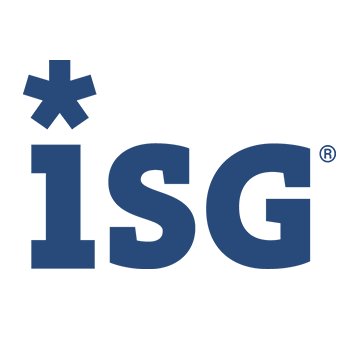
- Leadership Recognition: LTM has been recognized as a Leader in multiple quadrants in the ISG Provider Lens™ 2025 reports for both the US and Europe, reflecting its strong expertise in the Oracle ecosystem and proven track record in delivering large-scale enterprise cloud modernization programs.
- AI-Driven Transformation: By investing in AI-powered accelerators and OCI modernization capabilities, LTM is driving enterprises towards AI-native architectures and multicloud strategies, addressing key enterprise priorities such as compliance and sovereignty, particularly in the European market.
- Comprehensive Oracle Cloud Expertise: LTM offers end-to-end consulting and implementation services that help enterprises modernize core business processes at scale, resulting in measurable business outcomes and enhanced competitive positioning in the market.
- Strong Strategic Partnership: LTM's long-term strategic partnership with Oracle allows it to align closely with Oracle's innovation roadmap, enabling clients to accelerate the adoption of next-generation solutions and drive enterprise transformation while creating sustainable business value.
Trade with 70% Backtested Accuracy
Stop guessing "Should I Buy ORCL?" and start using high-conviction signals backed by rigorous historical data.
Sign up today to access powerful investing tools and make smarter, data-driven decisions.
Analyst Views on ORCL
Wall Street analysts forecast ORCL stock price to rise
34 Analyst Rating
25 Buy
9 Hold
0 Sell
Moderate Buy
Current: 189.760

Low
180.00
Averages
309.59
High
400.00
Current: 189.760
Low
180.00
Averages
309.59
High
400.00
About ORCL
Oracle Corporation offers integrated suites of applications plus secure, autonomous infrastructure in the Oracle Cloud. The Company operates through three businesses: cloud and license, hardware and service. Its cloud and license business is engaged in the sale, marketing and delivery of its enterprise applications and infrastructure technologies through cloud and on-premise deployment models including its cloud services and license support offerings, and its cloud license and on-premise license offerings. Its hardware business provides infrastructure technologies including Oracle Engineered Systems, servers, storage, industry-specific hardware, operating systems, virtualization, management and other hardware-related software to support diverse IT environments. Its services business provides services to customers and partners to help maximize the performance of their investments in Oracle applications and infrastructure technologies.
About the author

Emily J. Thompson
Emily J. Thompson, a Chartered Financial Analyst (CFA) with 12 years in investment research, graduated with honors from the Wharton School. Specializing in industrial and technology stocks, she provides in-depth analysis for Intellectia’s earnings and market brief reports.
Paramount's Warner Bros. Acquisition Faces Regulatory Scrutiny


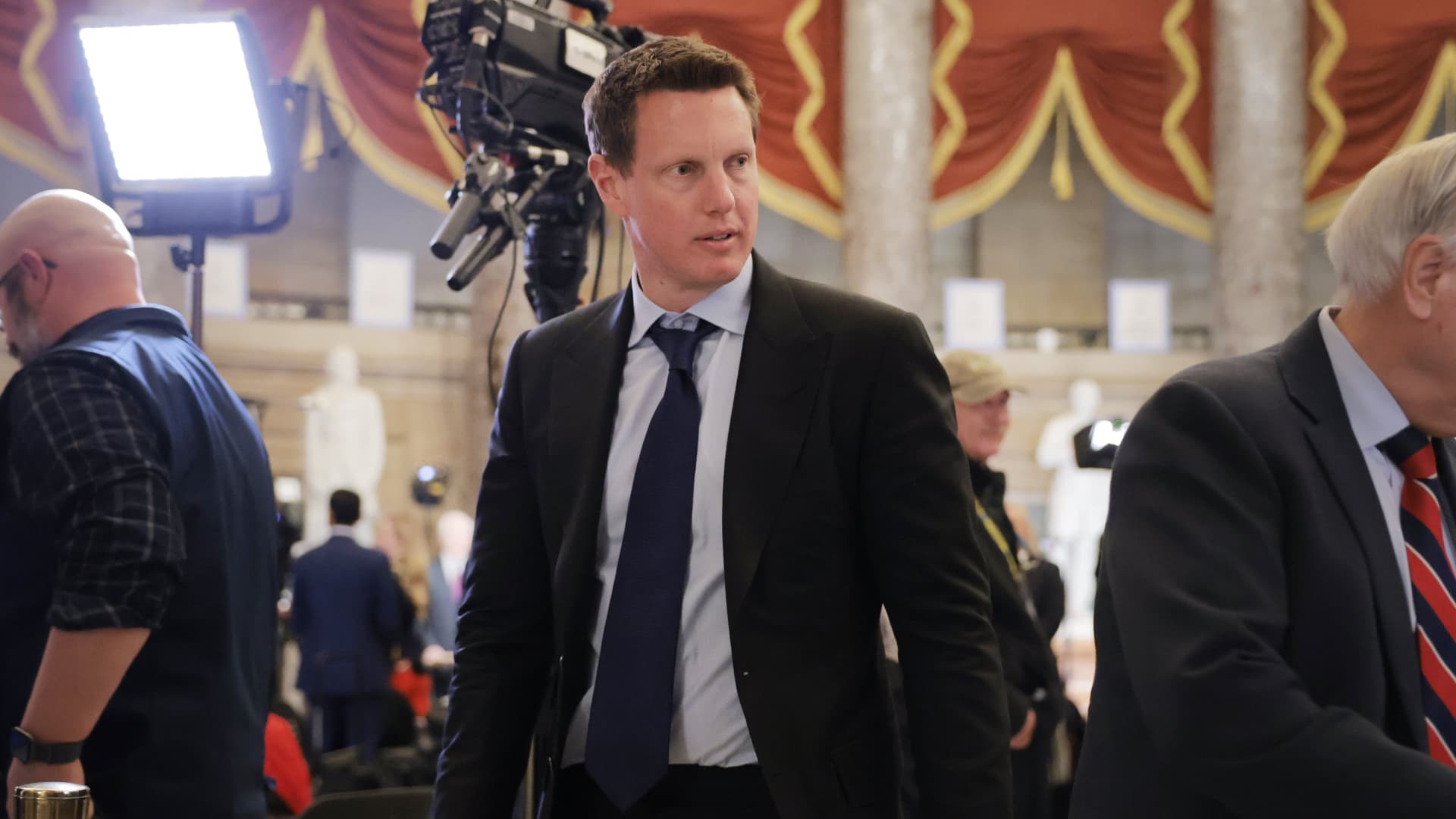
- Regulatory Warning: U.S. and European lawmakers cautioned Paramount CEO David Ellison that the proposed acquisition of Warner Bros. Discovery will undergo rigorous scrutiny, despite preliminary shareholder approval, necessitating compliance with EU merger regulations.
- Competition Concerns: Lawmakers expressed that the merger could substantially lessen competition across interconnected markets, including film and television production, content licensing, and streaming services, thereby reducing consumer choice and increasing prices, highlighting significant concerns about the transaction's impact.
- Funding Structure Issues: Paramount's plan to acquire Warner Bros. at $31 per share includes a $7 billion breakup fee, with nearly $24 billion financed by sovereign wealth funds from Gulf states, raising alarms about national security and editorial independence due to foreign influence.
- Call for Transparent Review: Lawmakers demanded a rigorous and transparent review process for the merger, asserting that public trust requires compliance with regulatory standards, and warned that any claims suggesting the transaction has cleared regulatory hurdles are misleading.
See More
Trump's Visit to China Sparks Market Attention


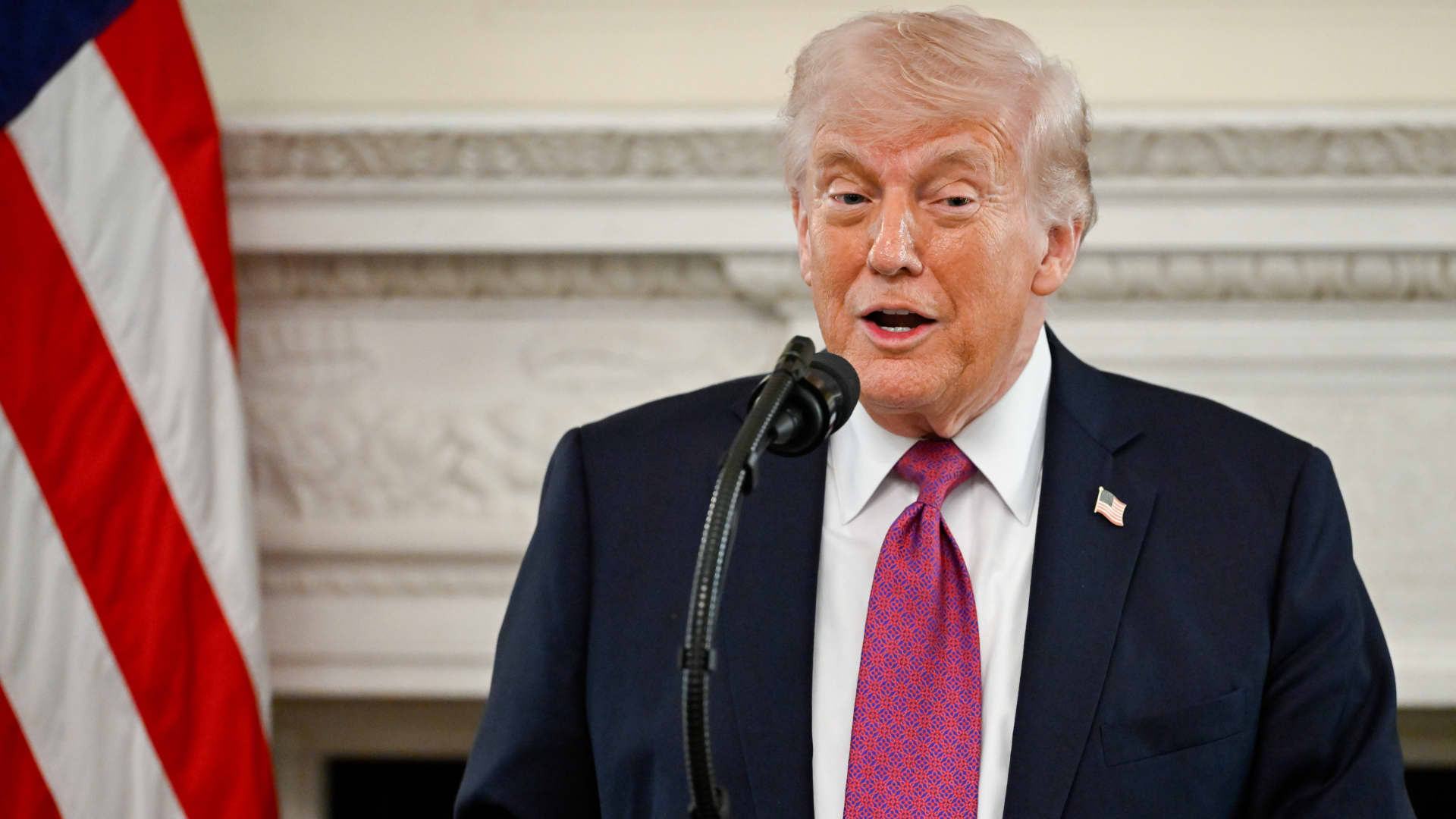
- High-Level Meeting Context: President Trump arrived in Beijing on May 13, 2026, accompanied by top executives including Tesla's Elon Musk and Nvidia's Jensen Huang, aiming to engage in crucial discussions with President Xi Jinping on trade, technology, and regional security issues.
- Market Reaction: Asian markets showed mixed performance ahead of Trump's visit, while U.S. futures remained relatively unchanged; notably, the S&P 500 reached an all-time high on Wall Street, reflecting traders' enthusiasm for technology stocks despite pressures from the latest inflation report.
- Inflation Data Impact: U.S. wholesale inflation surged to 6% year-over-year in April, marking the highest increase since 2022, which intensifies pressure on Federal Reserve policy and complicates the economic backdrop for Trump's high-level diplomacy.
- Global Oil Flow Constraints: The closure of the Strait of Hormuz due to the Iran war has severely impacted global oil flows, with OPEC reporting a 30% reduction in supply since the conflict began, posing significant risks to demand growth this year.
See More
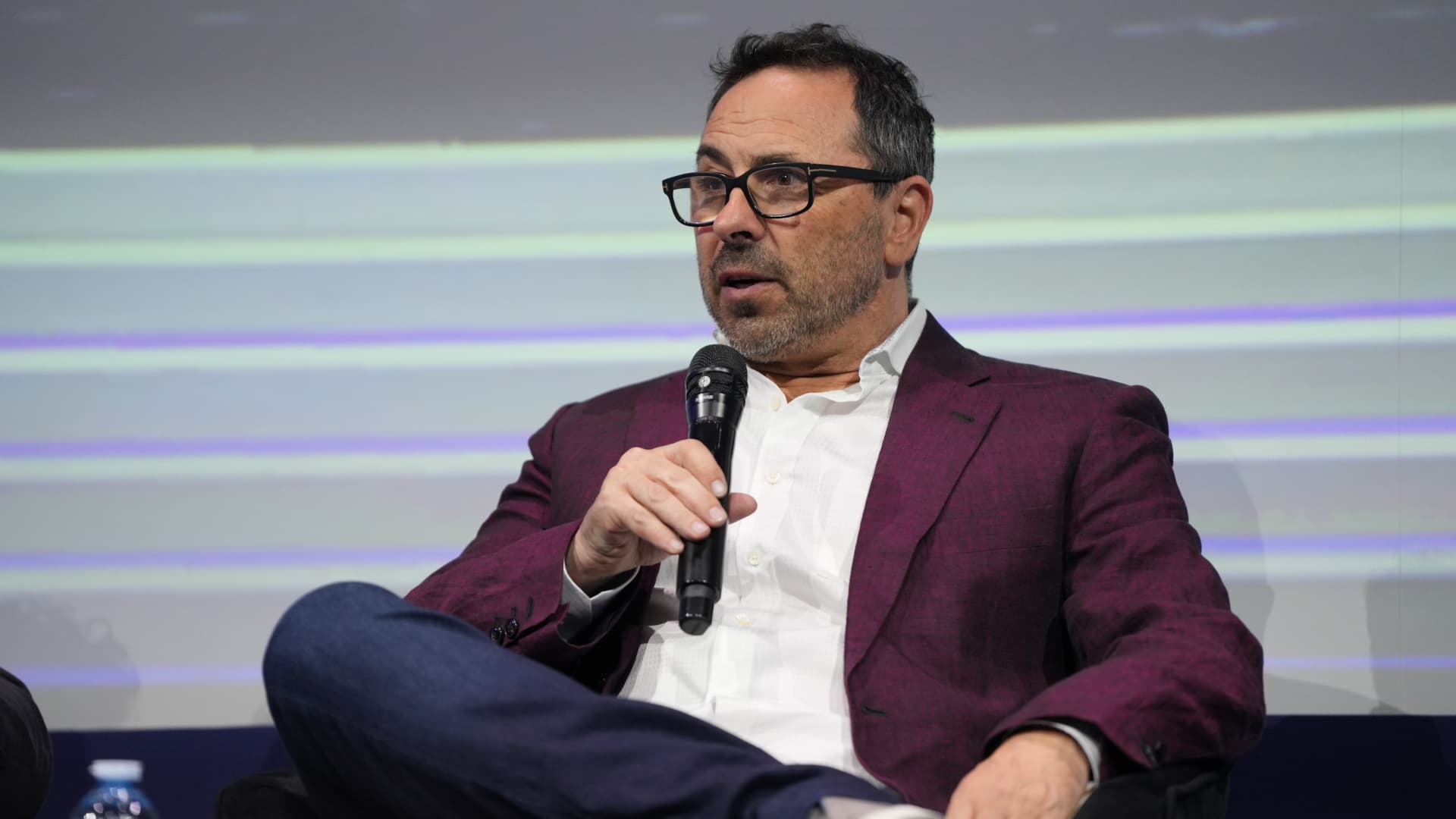
Cerebras Systems IPO Raises $5.55 Billion, Valuing Company at $56.4 Billion


- IPO Pricing Exceeds Expectations: Cerebras Systems priced its IPO at $185 per share, surpassing the expected range, successfully attracting investor interest and positioning the company for further growth in the AI chip market.
- Massive Fundraising: The IPO raised at least $5.55 billion for Cerebras, marking it as one of the largest tech IPOs in recent years, reflecting strong market demand and investor enthusiasm for AI technologies.
- Significant Valuation Increase: At the IPO price, Cerebras is valued at $56.4 billion, with co-founder and CEO Andrew Feldman's stake worth approximately $1.9 billion, highlighting the company's strategic position and future growth potential in the AI sector.
- Reduced Customer Dependency: In its updated prospectus, Cerebras disclosed that revenue from G42 accounted for only 24% last year, indicating a shift towards diversifying its customer base to mitigate reliance on a single client, thereby enhancing its competitive edge in the market.
See More
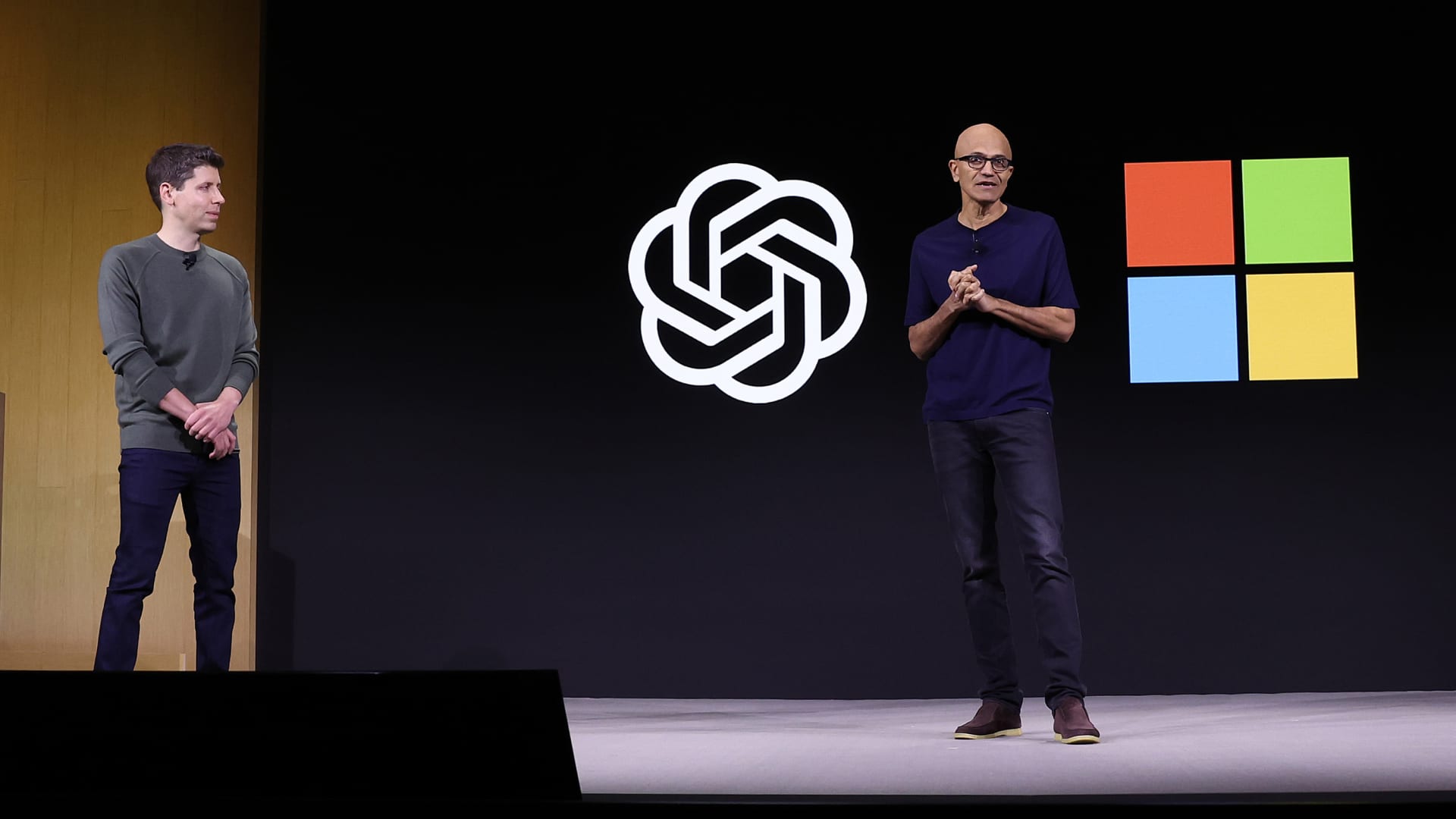
Microsoft's Strategic Battle with OpenAI


- Early Concerns: Microsoft CEO Satya Nadella expressed worries in April 2022 about OpenAI potentially supplanting Microsoft in the tech hierarchy, emphasizing the need for substantial agency in their intellectual property agreement to avoid a fate similar to IBM's.
- Investment Scale: By June 2026, Microsoft is projected to have spent over $100 billion on OpenAI, including investment commitments and infrastructure costs, highlighting its strategic focus on AI and cloud computing markets.
- Market Competition: Despite establishing a significant position in AI infrastructure, Microsoft's stock has dropped 16% this year, indicating competitive pressures in the AI product market, particularly from OpenAI and other emerging rivals.
- Strategic Adjustments: In 2024, Microsoft began viewing OpenAI as a competitor and formed alliances with other AI model developers, demonstrating its adaptability and diversified strategy in the rapidly evolving AI landscape.
See More

Microsoft's Strategic Battle with OpenAI Revealed
- Executive Concerns: Microsoft CEO Satya Nadella expressed worries as early as April 2022 that OpenAI could supplant Microsoft in the tech hierarchy, highlighting the company's acute awareness of competitive pressures in the AI market.
- Investment and Returns: By June 2026, Microsoft is projected to spend over $100 billion on OpenAI, including investment commitments and infrastructure costs, underscoring its strategic focus on AI infrastructure and market positioning.
- Agreement Changes: The partnership agreement between Microsoft and OpenAI has undergone multiple revisions, with the latest in April 2023 capping revenue share payments and allowing OpenAI to serve products to other cloud providers, indicating competitive pressures faced by Microsoft.
- Intensifying Market Competition: Despite establishing a significant position in AI infrastructure, Microsoft's stock has dropped 16% this year, reflecting its struggles in the AI product market, particularly in competition with OpenAI and other rivals.
See More
Oracle Strengthens Market Position in AI Cycle
- Rating Upgrade: Wedbush reiterated its Outperform rating for Oracle and raised its price target from $225 to $275, indicating the company's unique capability to support demanding AI workloads, which is expected to drive stock price appreciation.
- Capex Analysis: Oracle's capital expenditures to remaining performance obligations ratio stands at approximately 9.0%, significantly lower than the peer average of 33.6%, highlighting the company's investment strategy based on contracted customer demand rather than speculation.
- Strong Demand Foundation: Wedbush analysts noted that the demand underpinning Oracle's data center buildout is increasingly credible and strategic, suggesting that the company will emerge as a true infrastructure beneficiary of the AI revolution.
- Stock Price Recovery Trend: Although Oracle's shares fell below $150 in February 2026, they have recently rallied, increasing by about 30% over the past month, reflecting a market reassessment of its growth potential, particularly regarding expected returns on AI investments.
See More
Paramount's Warner Bros. Acquisition Faces Regulatory Scrutiny
- Regulatory Warning: U.S. and European lawmakers cautioned Paramount CEO David Ellison that the proposed acquisition of Warner Bros. Discovery will undergo rigorous scrutiny, despite preliminary shareholder approval, necessitating compliance with EU merger regulations.
- Competition Concerns: Lawmakers expressed that the merger could substantially lessen competition across interconnected markets, including film and television production, content licensing, and streaming services, thereby reducing consumer choice and increasing prices, highlighting significant concerns about the transaction's impact.
- Funding Structure Issues: Paramount's plan to acquire Warner Bros. at $31 per share includes a $7 billion breakup fee, with nearly $24 billion financed by sovereign wealth funds from Gulf states, raising alarms about national security and editorial independence due to foreign influence.
- Call for Transparent Review: Lawmakers demanded a rigorous and transparent review process for the merger, asserting that public trust requires compliance with regulatory standards, and warned that any claims suggesting the transaction has cleared regulatory hurdles are misleading.
See More
Trump's Visit to China Sparks Market Attention
- High-Level Meeting Context: President Trump arrived in Beijing on May 13, 2026, accompanied by top executives including Tesla's Elon Musk and Nvidia's Jensen Huang, aiming to engage in crucial discussions with President Xi Jinping on trade, technology, and regional security issues.
- Market Reaction: Asian markets showed mixed performance ahead of Trump's visit, while U.S. futures remained relatively unchanged; notably, the S&P 500 reached an all-time high on Wall Street, reflecting traders' enthusiasm for technology stocks despite pressures from the latest inflation report.
- Inflation Data Impact: U.S. wholesale inflation surged to 6% year-over-year in April, marking the highest increase since 2022, which intensifies pressure on Federal Reserve policy and complicates the economic backdrop for Trump's high-level diplomacy.
- Global Oil Flow Constraints: The closure of the Strait of Hormuz due to the Iran war has severely impacted global oil flows, with OPEC reporting a 30% reduction in supply since the conflict began, posing significant risks to demand growth this year.
See More
Cerebras Systems IPO Raises $5.55 Billion, Valuing Company at $56.4 Billion
- IPO Pricing Exceeds Expectations: Cerebras Systems priced its IPO at $185 per share, surpassing the expected range, successfully attracting investor interest and positioning the company for further growth in the AI chip market.
- Massive Fundraising: The IPO raised at least $5.55 billion for Cerebras, marking it as one of the largest tech IPOs in recent years, reflecting strong market demand and investor enthusiasm for AI technologies.
- Significant Valuation Increase: At the IPO price, Cerebras is valued at $56.4 billion, with co-founder and CEO Andrew Feldman's stake worth approximately $1.9 billion, highlighting the company's strategic position and future growth potential in the AI sector.
- Reduced Customer Dependency: In its updated prospectus, Cerebras disclosed that revenue from G42 accounted for only 24% last year, indicating a shift towards diversifying its customer base to mitigate reliance on a single client, thereby enhancing its competitive edge in the market.
See More
Microsoft's Strategic Battle with OpenAI
- Early Concerns: Microsoft CEO Satya Nadella expressed worries in April 2022 about OpenAI potentially supplanting Microsoft in the tech hierarchy, emphasizing the need for substantial agency in their intellectual property agreement to avoid a fate similar to IBM's.
- Investment Scale: By June 2026, Microsoft is projected to have spent over $100 billion on OpenAI, including investment commitments and infrastructure costs, highlighting its strategic focus on AI and cloud computing markets.
- Market Competition: Despite establishing a significant position in AI infrastructure, Microsoft's stock has dropped 16% this year, indicating competitive pressures in the AI product market, particularly from OpenAI and other emerging rivals.
- Strategic Adjustments: In 2024, Microsoft began viewing OpenAI as a competitor and formed alliances with other AI model developers, demonstrating its adaptability and diversified strategy in the rapidly evolving AI landscape.
See More
Microsoft's Strategic Battle with OpenAI Revealed
- Executive Concerns: Microsoft CEO Satya Nadella expressed worries as early as April 2022 that OpenAI could supplant Microsoft in the tech hierarchy, highlighting the company's acute awareness of competitive pressures in the AI market.
- Investment and Returns: By June 2026, Microsoft is projected to spend over $100 billion on OpenAI, including investment commitments and infrastructure costs, underscoring its strategic focus on AI infrastructure and market positioning.
- Agreement Changes: The partnership agreement between Microsoft and OpenAI has undergone multiple revisions, with the latest in April 2023 capping revenue share payments and allowing OpenAI to serve products to other cloud providers, indicating competitive pressures faced by Microsoft.
- Intensifying Market Competition: Despite establishing a significant position in AI infrastructure, Microsoft's stock has dropped 16% this year, reflecting its struggles in the AI product market, particularly in competition with OpenAI and other rivals.
See More
Oracle Strengthens Market Position in AI Cycle
- Rating Upgrade: Wedbush reiterated its Outperform rating for Oracle and raised its price target from $225 to $275, indicating the company's unique capability to support demanding AI workloads, which is expected to drive stock price appreciation.
- Capex Analysis: Oracle's capital expenditures to remaining performance obligations ratio stands at approximately 9.0%, significantly lower than the peer average of 33.6%, highlighting the company's investment strategy based on contracted customer demand rather than speculation.
- Strong Demand Foundation: Wedbush analysts noted that the demand underpinning Oracle's data center buildout is increasingly credible and strategic, suggesting that the company will emerge as a true infrastructure beneficiary of the AI revolution.
- Stock Price Recovery Trend: Although Oracle's shares fell below $150 in February 2026, they have recently rallied, increasing by about 30% over the past month, reflecting a market reassessment of its growth potential, particularly regarding expected returns on AI investments.
See More