Lockheed Martin GPS III SV09 Successfully Launched to Enhance Capabilities
Written by Emily J. Thompson, Senior Investment Analyst
Updated: Jan 28 2026
0mins
Should l Buy LMT?
Source: Newsfilter
- Successful Launch: Lockheed Martin's ninth GPS III satellite, SV09, was successfully launched on January 28, 2026, at 11:53 PM from Cape Canaveral, Florida, underscoring the company's ongoing innovation and leadership in global navigation.
- Enhanced Security: The SV09 satellite features advanced security and anti-jamming capabilities, delivering three times better accuracy and eight times improved anti-jamming performance, ensuring reliable navigation and timing support for military missions in contested environments, thereby bolstering national security.
- Constellation Resilience: This launch enhances the resilience of the GPS constellation, with upcoming GPS IIIF satellites expected to provide 60 times more anti-jam capabilities, ensuring precise navigation services in competitive environments to meet both military and civilian needs.
- Future Development: Equipped with a laser retroreflector array to improve Earth's orientation measurements for the GPS coordinate system, SV09's launch is part of Lockheed Martin's broader strategy, having completed production of GPS III SV01-SV10 satellites and currently manufacturing next-generation GPS IIIF satellites to maintain global coverage.
Trade with 70% Backtested Accuracy
Stop guessing "Should I Buy LMT?" and start using high-conviction signals backed by rigorous historical data.
Sign up today to access powerful investing tools and make smarter, data-driven decisions.
Analyst Views on LMT
Wall Street analysts forecast LMT stock price to fall
12 Analyst Rating
4 Buy
7 Hold
1 Sell
Hold
Current: 617.640

Low
430.00
Averages
535.50
High
605.00
Current: 617.640
Low
430.00
Averages
535.50
High
605.00
About LMT
Lockheed Martin Corporation is a global aerospace and defense company. The Company is engaged in the research, design, development, manufacture, integration and sustainment of advanced technology systems, products and services. Its segments include Aeronautics, Missiles and Fire Control (MFC), Rotary and Mission Systems (RMS) and Space. Aeronautics segment is engaged in the research, design, development, manufacture, integration, sustainment, support and upgrade of advanced military aircraft. MFC segment provides air and missile defense systems, manned and unmanned ground vehicles, energy management solutions, and others. RMS segment designs, manufactures, services and supports various military and commercial helicopters, surface ships, sea and land-based missile defense systems, and others. Its Space segment is engaged in the research and design, development, engineering and production of satellites, space transportation systems, and strategic, advanced strike, and defensive systems.
About the author

Emily J. Thompson
Emily J. Thompson, a Chartered Financial Analyst (CFA) with 12 years in investment research, graduated with honors from the Wharton School. Specializing in industrial and technology stocks, she provides in-depth analysis for Intellectia’s earnings and market brief reports.
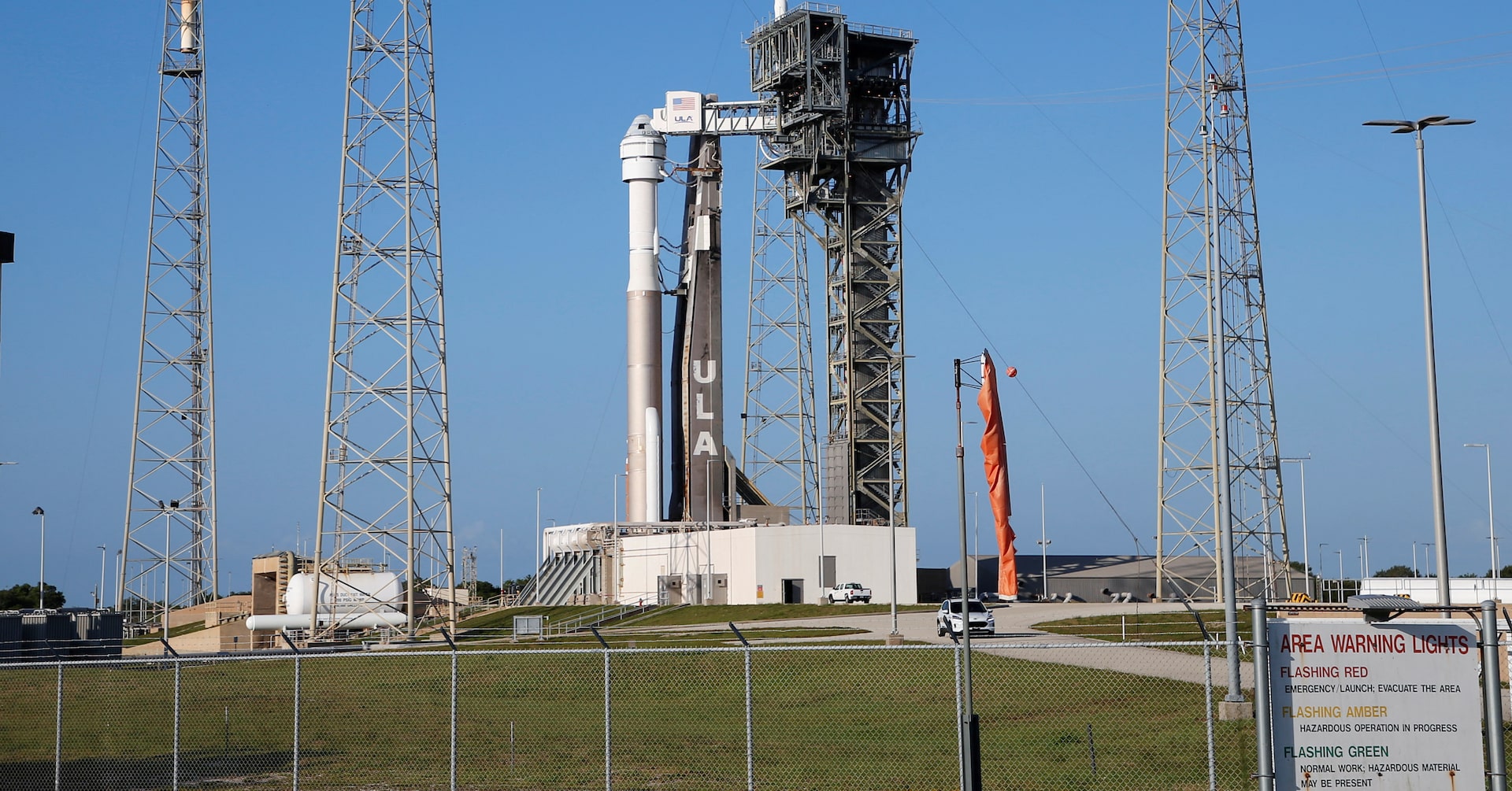
Lockheed Martin Schedules Q1 2026 Earnings Call

- Earnings Call Announcement: Lockheed Martin will host its Q1 2026 earnings results conference call on April 23, 2026, at 8:30 AM ET, where top executives will discuss financial results and answer questions, demonstrating the company's commitment to transparency and investor communication.
- Timing of Earnings Release: The Q1 earnings results will be published before the market opens, ensuring investors have access to the latest financial data prior to the call, which reflects the company's sensitivity to market dynamics and investor needs.
- Live Webcast Availability: The conference call will be webcast live on Lockheed Martin's website, with accompanying presentation slides and financial charts also available on the same site, enhancing information accessibility and transparency for stakeholders.
- Replay and Podcast: An on-demand replay of the webcast will be available until May 7, 2026, along with a podcast version, further broadening the channels through which investors can access information, highlighting the company's emphasis on diverse communication methods.
See More
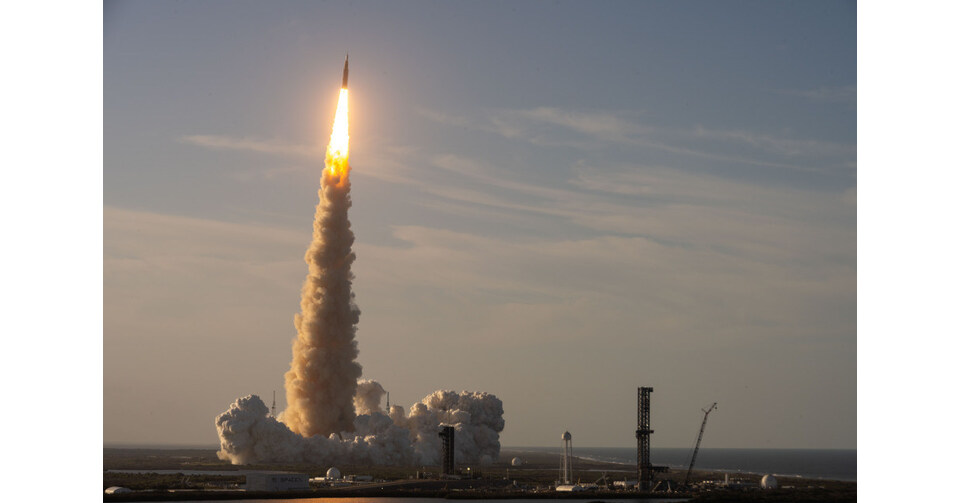
NASA's Artemis II Mission Successfully Launched with Orion Spacecraft
- Mission Launch: NASA's Orion spacecraft launched on April 1, 2026, at 6:35 PM from Kennedy Space Center, marking the beginning of the Artemis II mission aimed at a historic crewed return to the Moon.
- Crew Composition: The mission carries four astronauts, including NASA's Reid Wiseman, Victor Glover, Christina Koch, and Canadian Space Agency's Jeremy Hansen, highlighting the significance of international collaboration in space exploration.
- Deep Space Testing: During the 10-day mission, astronauts will perform critical system checkouts, including a proximity maneuvering demo, to verify Orion's readiness for deep space operations, ensuring safety for future lunar landings.
- Real-Time Tracking: The public can track Orion and its crew in real-time via NASA's Artemis Real-time Orbit Website (AROW), which provides updates on distances from Earth and the Moon, mission duration, and more, enhancing public engagement in space exploration.
See More
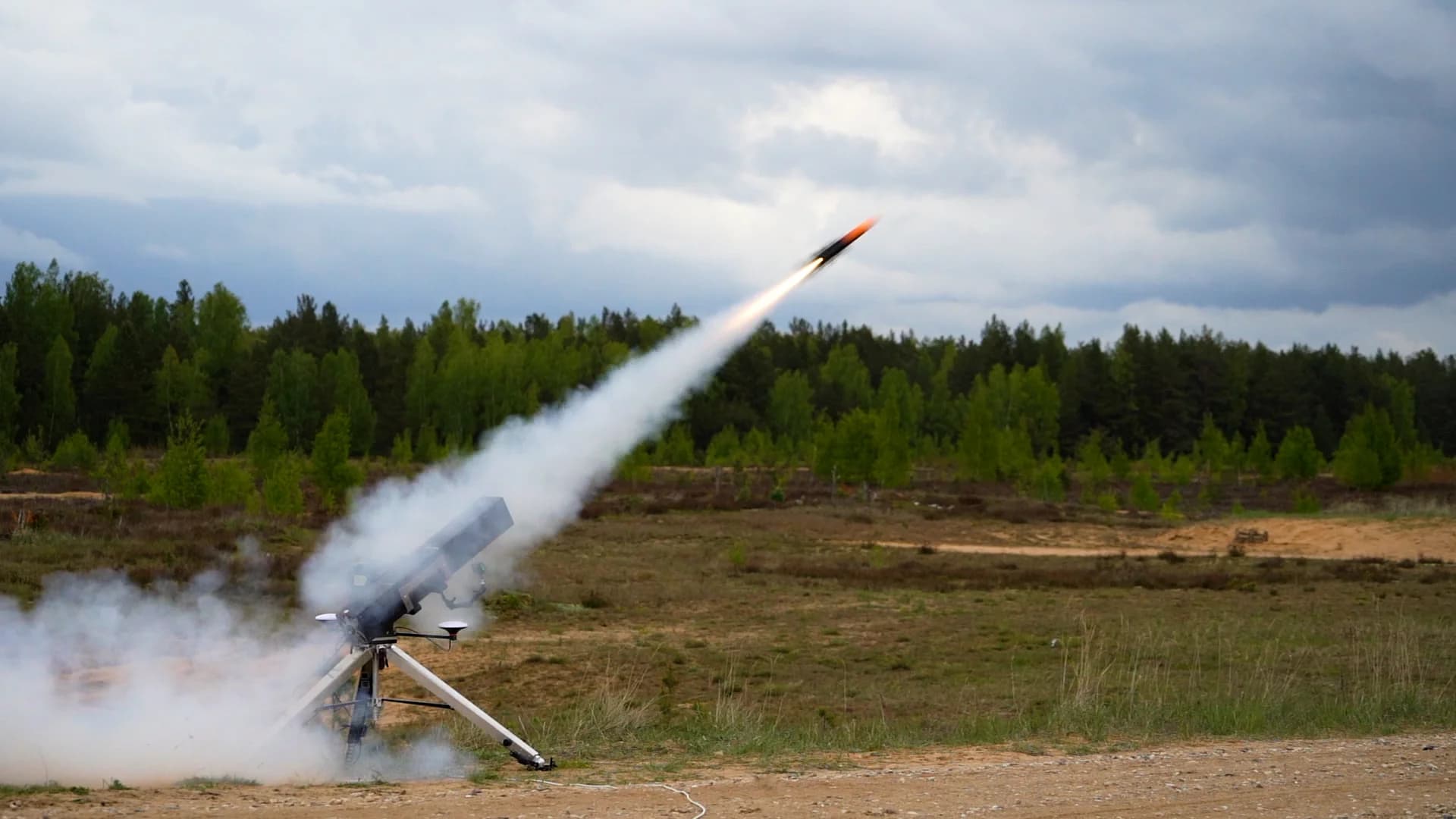
Surge in Defense Tech Investments Amid Geopolitical Tensions


- Significant Investment Growth: According to Dealroom, defense tech funding was only $869 million globally in 2020, but is projected to surge to $11.2 billion by 2025, reflecting a more than tenfold increase driven by rising geopolitical tensions and demand for defense technologies.
- Rising Demand: Since the end of February, following U.S. and Israeli military actions against Iran, defense tech startups have reported a significant uptick in demand from Department of Defense customers, with many clients offering to buy out capacity or requesting increased production, indicating a pressing market need for new technologies.
- Opportunities in the Middle East: As conflicts escalate, defense tech startups in Europe and the U.S. are accelerating commercial discussions with Middle Eastern governments, particularly as interest from Gulf states skyrockets, highlighting urgent needs for defenses against drone and missile attacks.
- Human Resource Expansion: In response to the Iran war, European-headquartered defense startups are set to increase staffing in the Middle East, with Estonian startup Frankenburg and Ukrainian-UK Uforce both indicating plans to ramp up hiring in the region to meet the surging market demand.
See More
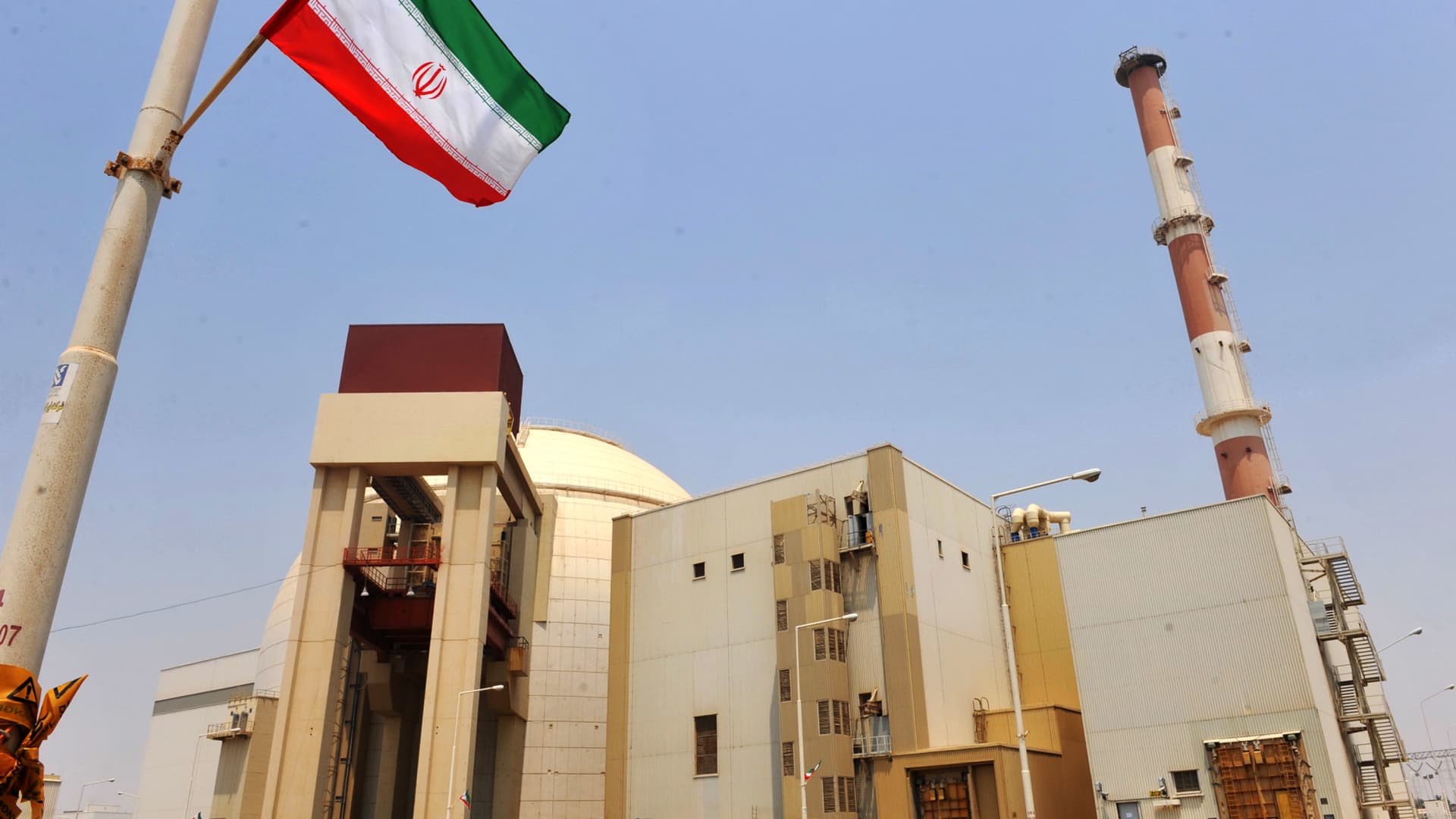
Trump Threatens to Destroy Iran's Infrastructure Amid Ongoing Conflict

- Escalating Military Threats: Trump threatened on social media to destroy Iran's bridges and power plants, claiming the U.S. hasn't even started destroying what's left in Iran, which could escalate regional tensions and provoke strong international backlash.
- Fighter Jet Downed: Reports indicate that a U.S. F-35 fighter jet was shot down over central Iran, and while the U.S. Central Command did not respond, this incident may further intensify military confrontations between the U.S. and Iran.
- Legal Controversy: Legal experts warn that Trump's threats to attack Iran's infrastructure could constitute war crimes under international law, particularly regarding attacks on essential civilian facilities, potentially leading to international condemnation and sanctions.
- Gulf Cooperation Council Response: The Gulf Cooperation Council called on the UN Security Council to take necessary measures to ensure an immediate cessation of Iranian aggressions against its member states, reflecting the heightened concern and security worries among regional nations regarding Iran's actions.
See More

Investment Opportunities in Industrial Stocks for the Next Decade

- Semiconductor Industry Leader: Taiwan Semiconductor Manufacturing (TSMC) holds a dominant position in advanced semiconductor manufacturing, with a 20% year-over-year revenue growth last year, and is set to invest $165 billion to expand its U.S. capacity, ensuring its market leadership as AI demand surges over the next decade.
- High Profitability Performance: TSMC achieved a 54% operating margin in Q4 2025, significantly outperforming most software companies, showcasing its strong profitability in high-end manufacturing, and is poised to benefit from the skyrocketing chip demand driven by the AI revolution in the coming decade.
- Defense Contract Stability: Lockheed Martin's defense contracts can last for decades, providing predictable cash flows for shareholders through projects like the F-35 fighter jet, with a record backlog of $194 billion ensuring stable future revenues.
- Diverse Growth Opportunities: Lockheed Martin's participation in the $185 billion Golden Dome project and the increase of its missile defense system capacity from 600 to 2,000 units annually highlight the company's potential for growth across multiple sectors amid rising global conflicts.
See More

Industrial Giants Set to Benefit from AI Surge
- TSMC's Market Dominance: Taiwan Semiconductor Manufacturing Company (TSMC) holds a leading position in advanced semiconductor manufacturing, with a 20% year-over-year revenue growth last year and a commitment to invest $165 billion to expand capacity by 2026, ensuring sustained growth potential over the next decade amid rising AI spending.
- Lockheed Martin's Defense Edge: As a defense contractor, Lockheed Martin's F-35 fighter jet program and missile defense systems are expected to generate stable cash flows, particularly as global conflicts escalate, with its PAC-3 missile interceptor's annual capacity increasing from 600 to 2,000, reflecting strong market demand.
- Long-term Investment Value: Although Lockheed Martin may not grow as rapidly as TSMC, its forward P/E ratio of 20, combined with a record backlog of $194 billion, indicates stability and long-term profitability in the defense sector, making it an ideal choice for long-term investors.
- AI and Industrial Synergy: As AI technology continues to evolve, industrial companies and their supply chains are expected to benefit from the reshoring of manufacturing, providing strong support for high-quality industrial assets and ensuring substantial returns for investors over the next decade.
See More
Lockheed Martin Schedules Q1 2026 Earnings Call
- Earnings Call Announcement: Lockheed Martin will host its Q1 2026 earnings results conference call on April 23, 2026, at 8:30 AM ET, where top executives will discuss financial results and answer questions, demonstrating the company's commitment to transparency and investor communication.
- Timing of Earnings Release: The Q1 earnings results will be published before the market opens, ensuring investors have access to the latest financial data prior to the call, which reflects the company's sensitivity to market dynamics and investor needs.
- Live Webcast Availability: The conference call will be webcast live on Lockheed Martin's website, with accompanying presentation slides and financial charts also available on the same site, enhancing information accessibility and transparency for stakeholders.
- Replay and Podcast: An on-demand replay of the webcast will be available until May 7, 2026, along with a podcast version, further broadening the channels through which investors can access information, highlighting the company's emphasis on diverse communication methods.
See More
NASA's Artemis II Mission Successfully Launched with Orion Spacecraft
- Mission Launch: NASA's Orion spacecraft launched on April 1, 2026, at 6:35 PM from Kennedy Space Center, marking the beginning of the Artemis II mission aimed at a historic crewed return to the Moon.
- Crew Composition: The mission carries four astronauts, including NASA's Reid Wiseman, Victor Glover, Christina Koch, and Canadian Space Agency's Jeremy Hansen, highlighting the significance of international collaboration in space exploration.
- Deep Space Testing: During the 10-day mission, astronauts will perform critical system checkouts, including a proximity maneuvering demo, to verify Orion's readiness for deep space operations, ensuring safety for future lunar landings.
- Real-Time Tracking: The public can track Orion and its crew in real-time via NASA's Artemis Real-time Orbit Website (AROW), which provides updates on distances from Earth and the Moon, mission duration, and more, enhancing public engagement in space exploration.
See More
Surge in Defense Tech Investments Amid Geopolitical Tensions
- Significant Investment Growth: According to Dealroom, defense tech funding was only $869 million globally in 2020, but is projected to surge to $11.2 billion by 2025, reflecting a more than tenfold increase driven by rising geopolitical tensions and demand for defense technologies.
- Rising Demand: Since the end of February, following U.S. and Israeli military actions against Iran, defense tech startups have reported a significant uptick in demand from Department of Defense customers, with many clients offering to buy out capacity or requesting increased production, indicating a pressing market need for new technologies.
- Opportunities in the Middle East: As conflicts escalate, defense tech startups in Europe and the U.S. are accelerating commercial discussions with Middle Eastern governments, particularly as interest from Gulf states skyrockets, highlighting urgent needs for defenses against drone and missile attacks.
- Human Resource Expansion: In response to the Iran war, European-headquartered defense startups are set to increase staffing in the Middle East, with Estonian startup Frankenburg and Ukrainian-UK Uforce both indicating plans to ramp up hiring in the region to meet the surging market demand.
See More
Trump Threatens to Destroy Iran's Infrastructure Amid Ongoing Conflict
- Escalating Military Threats: Trump threatened on social media to destroy Iran's bridges and power plants, claiming the U.S. hasn't even started destroying what's left in Iran, which could escalate regional tensions and provoke strong international backlash.
- Fighter Jet Downed: Reports indicate that a U.S. F-35 fighter jet was shot down over central Iran, and while the U.S. Central Command did not respond, this incident may further intensify military confrontations between the U.S. and Iran.
- Legal Controversy: Legal experts warn that Trump's threats to attack Iran's infrastructure could constitute war crimes under international law, particularly regarding attacks on essential civilian facilities, potentially leading to international condemnation and sanctions.
- Gulf Cooperation Council Response: The Gulf Cooperation Council called on the UN Security Council to take necessary measures to ensure an immediate cessation of Iranian aggressions against its member states, reflecting the heightened concern and security worries among regional nations regarding Iran's actions.
See More
Investment Opportunities in Industrial Stocks for the Next Decade
- Semiconductor Industry Leader: Taiwan Semiconductor Manufacturing (TSMC) holds a dominant position in advanced semiconductor manufacturing, with a 20% year-over-year revenue growth last year, and is set to invest $165 billion to expand its U.S. capacity, ensuring its market leadership as AI demand surges over the next decade.
- High Profitability Performance: TSMC achieved a 54% operating margin in Q4 2025, significantly outperforming most software companies, showcasing its strong profitability in high-end manufacturing, and is poised to benefit from the skyrocketing chip demand driven by the AI revolution in the coming decade.
- Defense Contract Stability: Lockheed Martin's defense contracts can last for decades, providing predictable cash flows for shareholders through projects like the F-35 fighter jet, with a record backlog of $194 billion ensuring stable future revenues.
- Diverse Growth Opportunities: Lockheed Martin's participation in the $185 billion Golden Dome project and the increase of its missile defense system capacity from 600 to 2,000 units annually highlight the company's potential for growth across multiple sectors amid rising global conflicts.
See More
Industrial Giants Set to Benefit from AI Surge
- TSMC's Market Dominance: Taiwan Semiconductor Manufacturing Company (TSMC) holds a leading position in advanced semiconductor manufacturing, with a 20% year-over-year revenue growth last year and a commitment to invest $165 billion to expand capacity by 2026, ensuring sustained growth potential over the next decade amid rising AI spending.
- Lockheed Martin's Defense Edge: As a defense contractor, Lockheed Martin's F-35 fighter jet program and missile defense systems are expected to generate stable cash flows, particularly as global conflicts escalate, with its PAC-3 missile interceptor's annual capacity increasing from 600 to 2,000, reflecting strong market demand.
- Long-term Investment Value: Although Lockheed Martin may not grow as rapidly as TSMC, its forward P/E ratio of 20, combined with a record backlog of $194 billion, indicates stability and long-term profitability in the defense sector, making it an ideal choice for long-term investors.
- AI and Industrial Synergy: As AI technology continues to evolve, industrial companies and their supply chains are expected to benefit from the reshoring of manufacturing, providing strong support for high-quality industrial assets and ensuring substantial returns for investors over the next decade.
See More