Lockheed Martin Aeronautics President Retires, New Leadership Announced
Written by Emily J. Thompson, Senior Investment Analyst
Updated: 23 hours ago
0mins
Should l Buy LMT?
Source: PRnewswire
- Leadership Transition: Lockheed Martin's Aeronautics President Greg Ulmer has announced his retirement effective June 1, 2026, after over 30 years of service, during which he significantly advanced the company's aeronautics portfolio.
- New President Appointment: Orlando Sanchez, Jr. will succeed Ulmer; having joined Lockheed Martin in 2014 and previously serving as an F-22 combat pilot, Sanchez's leadership of Skunk Works® positions him to bring fresh perspectives and innovation to the role.
- Strategic Advisor Role: Following his retirement, Ulmer will serve as a strategic advisor to ensure a smooth leadership transition, a move aimed at maintaining the company's ongoing growth and stability in the aeronautics sector.
- Company Vision: Lockheed Martin is committed to driving innovation and scientific discovery, with Sanchez stating his intention to build on the strong foundation of the aeronautics division to meet critical customer needs and enhance company performance.
Trade with 70% Backtested Accuracy
Stop guessing "Should I Buy LMT?" and start using high-conviction signals backed by rigorous historical data.
Sign up today to access powerful investing tools and make smarter, data-driven decisions.
Analyst Views on LMT
Wall Street analysts forecast LMT stock price to rise
12 Analyst Rating
4 Buy
7 Hold
1 Sell
Hold
Current: 508.930

Low
430.00
Averages
535.50
High
605.00
Current: 508.930
Low
430.00
Averages
535.50
High
605.00
About LMT
Lockheed Martin Corporation is a global aerospace and defense company. The Company is engaged in the research, design, development, manufacture, integration and sustainment of advanced technology systems, products and services. Its segments include Aeronautics, Missiles and Fire Control (MFC), Rotary and Mission Systems (RMS) and Space. Aeronautics segment is engaged in the research, design, development, manufacture, integration, sustainment, support and upgrade of advanced military aircraft. MFC segment provides air and missile defense systems, manned and unmanned ground vehicles, energy management solutions, and others. RMS segment designs, manufactures, services and supports various military and commercial helicopters, surface ships, sea and land-based missile defense systems, and others. Its Space segment is engaged in the research and design, development, engineering and production of satellites, space transportation systems, and strategic, advanced strike, and defensive systems.
About the author

Emily J. Thompson
Emily J. Thompson, a Chartered Financial Analyst (CFA) with 12 years in investment research, graduated with honors from the Wharton School. Specializing in industrial and technology stocks, she provides in-depth analysis for Intellectia’s earnings and market brief reports.
Cubic Defense Secures Follow-On Contract from Lockheed Martin

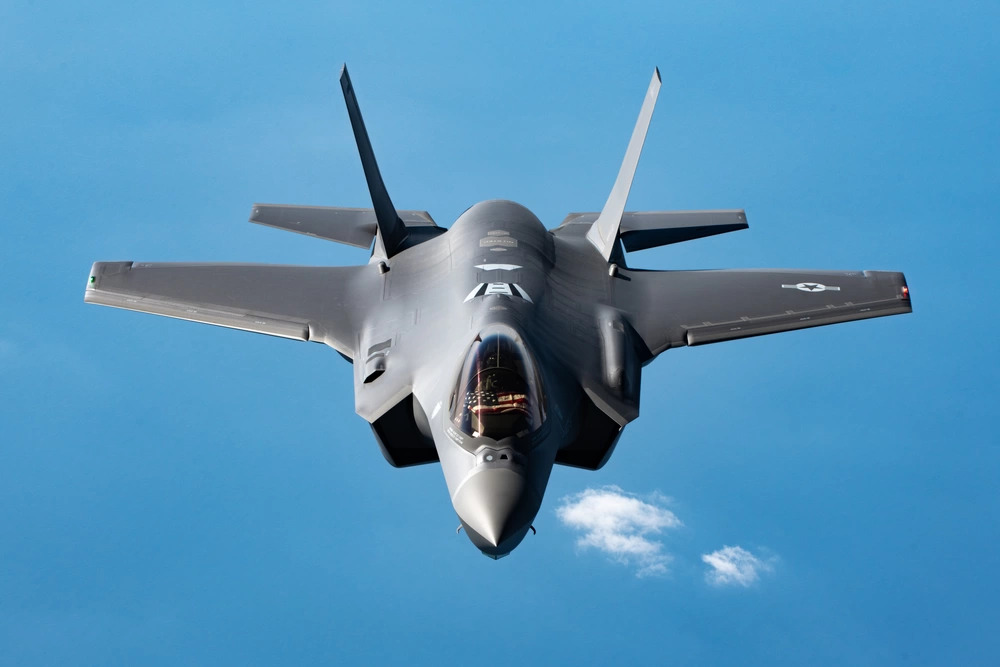
- Contract Value and Delivery: Cubic Defense has secured a follow-on contract from Lockheed Martin to deliver 140 P5 Internal Subsystems (IS) units for F-35 Lot 21 production aircraft, reinforcing its position in the defense training market.
- Training System Innovation: The P5 capability enables seamless training between 4th and 5th generation aircraft during live flight events, ensuring the security of critical tactics, techniques, and procedures (TTP), thereby enhancing operational readiness and effectiveness for U.S. and allied forces.
- Global Network Support: Cubic's P5 Combat Training System (P5CTS) captures, transmits, and analyzes high-fidelity training data across a globally connected network, supporting real-time and post-mission insights at over 30 ranges, driving continuous improvement in tactics, techniques, and procedures.
- Strategic Partnerships: Cubic collaborates with principal subcontractor Leonardo DRS to support all contractor activities related to the Lockheed Martin F-35 training program, further enhancing its adaptability and combat effectiveness in multi-domain operational environments.
See More
Taiwan's First Indigenous Submarine Conducts Maiden Torpedo Test
- Submarine Milestone: Taiwan's first indigenous submarine, the Narwhal, successfully conducted its maiden torpedo test, marking significant progress in enhancing deterrence against the Chinese navy and protecting vital maritime routes.
- International Collaboration: The submarine program draws on expertise and technology from the United States and Britain, highlighting Taiwan's efforts to seek international support against Beijing's territorial claims despite its diplomatically isolated status.
- Future Deployment Plans: Taiwan aims to deploy at least two domestically developed submarines by 2027, with potential missile capabilities in later models, intending to bolster its naval strength in response to China's growing military presence.
- Cost and Delivery Timeline: The first submarine has a price tag of T$49.36 billion (approximately $1.57 billion) and is expected to be delivered to the navy in 2024, although the program has faced delays, with Taiwan's military seeking to enhance its defense capabilities through this initiative.
See More
Lockheed Martin Aeronautics President Retires, New Leadership Announced
- Leadership Transition: Lockheed Martin's Aeronautics President Greg Ulmer has announced his retirement effective June 1, 2026, after over 30 years of service, during which he significantly advanced the company's aeronautics portfolio.
- New President Appointment: Orlando Sanchez, Jr. will succeed Ulmer; having joined Lockheed Martin in 2014 and previously serving as an F-22 combat pilot, Sanchez's leadership of Skunk Works® positions him to bring fresh perspectives and innovation to the role.
- Strategic Advisor Role: Following his retirement, Ulmer will serve as a strategic advisor to ensure a smooth leadership transition, a move aimed at maintaining the company's ongoing growth and stability in the aeronautics sector.
- Company Vision: Lockheed Martin is committed to driving innovation and scientific discovery, with Sanchez stating his intention to build on the strong foundation of the aeronautics division to meet critical customer needs and enhance company performance.
See More

Lockheed Martin Aeronautics President Retires, New Leadership Announced
- Leadership Transition: Lockheed Martin's Aeronautics President Greg Ulmer has announced his retirement after over 30 years, marking a significant shift in the company's history that may influence future strategic directions.
- New President Appointment: Orlando Sanchez, Jr. will take over on June 1, bringing extensive experience from his Air Force background and F-22 combat pilot role, which is expected to drive innovation and growth in the Aeronautics sector.
- Business Scale and Impact: The Aeronautics division generates $30 billion in annual revenue and employs over 35,000 people, and Ulmer's retirement could affect operational efficiency and market competitiveness.
- Transition Support: Ulmer will serve as a strategic advisor to ensure a smooth transition, while Sanchez commits to continuing the company's mission and enhancing customer service and global security capabilities.
See More
Greg Ulmer, President of Lockheed Martin Aeronautics, to Retire; OJ Sanchez Appointed as Successor
Leadership Change: Lockheed Martin Aeronautics' President Greg Ulmer has announced his retirement.
Successor Announcement: OJ Sanchez has been named as Ulmer's successor, taking over the leadership role.
See More
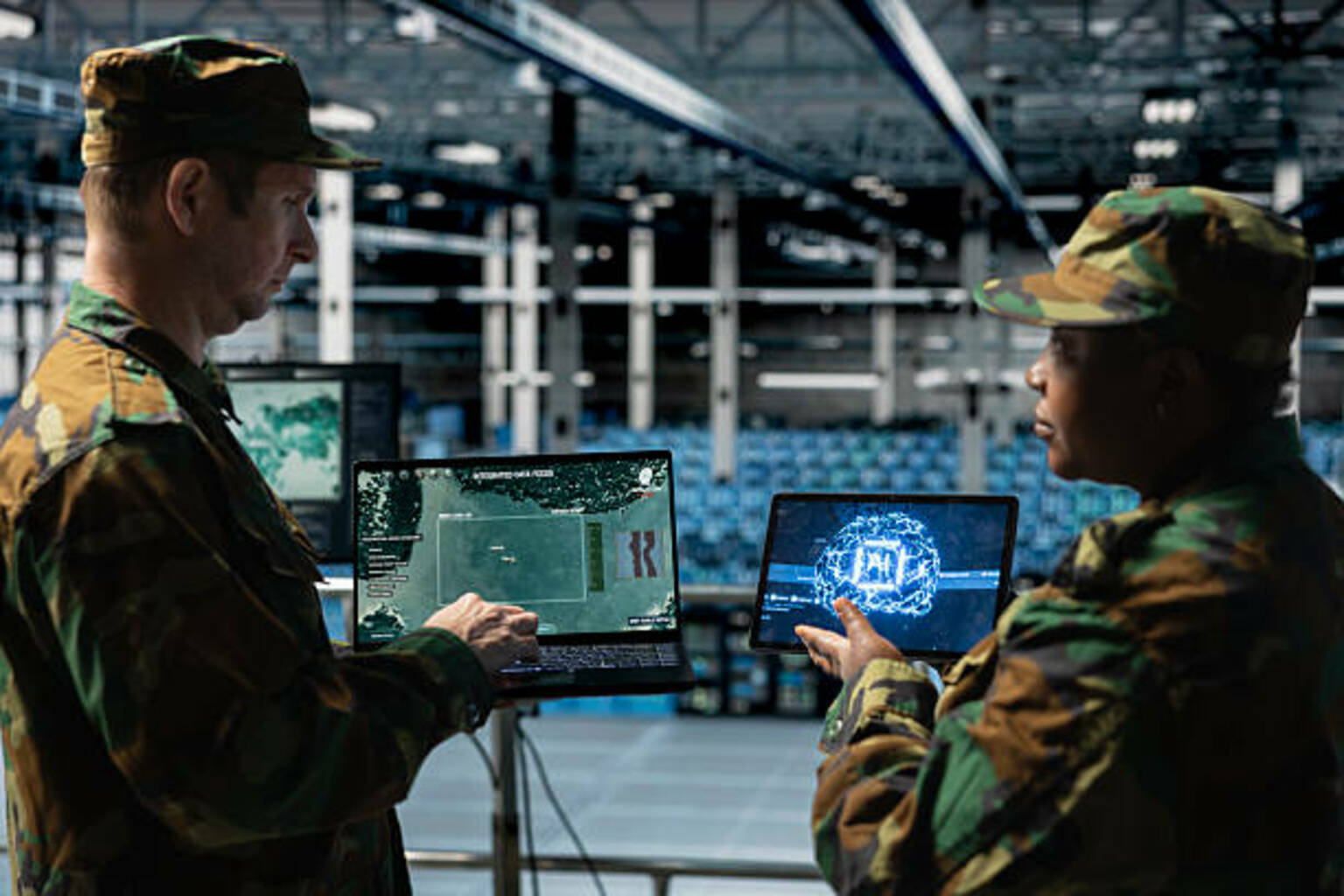
U.S. Army Drives Integration of Weapons Systems with AI

- Integration Hackathon: Army Secretary Dan Driscoll has initiated the “Right to Integrate Hackathon” to address the issue of military technology operating in silos, collaborating with firms like Palantir and Anduril to enhance seamless communication and AI integration in weapon systems.
- Phase One Focus: The first phase will target air defense systems, drones, and missiles, involving over 50 platforms, with major defense contractors like Lockheed Martin and Northrop Grumman participating, highlighting the military's urgent need for modernization.
- Open Architecture Testing: Anduril's Lattice platform will serve as a test system to validate integration, aiming to accelerate deployment and improve AI-driven decision support while ensuring human control, reflecting a strong emphasis on rapid response capabilities.
- Procurement Modernization: This initiative signifies a modernization of Pentagon procurement processes, shifting from closed systems to a more interoperable and adaptable battlefield network, thereby enhancing overall operational efficiency and flexibility.
See More
Cubic Defense Secures Follow-On Contract from Lockheed Martin
- Contract Value and Delivery: Cubic Defense has secured a follow-on contract from Lockheed Martin to deliver 140 P5 Internal Subsystems (IS) units for F-35 Lot 21 production aircraft, reinforcing its position in the defense training market.
- Training System Innovation: The P5 capability enables seamless training between 4th and 5th generation aircraft during live flight events, ensuring the security of critical tactics, techniques, and procedures (TTP), thereby enhancing operational readiness and effectiveness for U.S. and allied forces.
- Global Network Support: Cubic's P5 Combat Training System (P5CTS) captures, transmits, and analyzes high-fidelity training data across a globally connected network, supporting real-time and post-mission insights at over 30 ranges, driving continuous improvement in tactics, techniques, and procedures.
- Strategic Partnerships: Cubic collaborates with principal subcontractor Leonardo DRS to support all contractor activities related to the Lockheed Martin F-35 training program, further enhancing its adaptability and combat effectiveness in multi-domain operational environments.
See More
Taiwan's First Indigenous Submarine Conducts Maiden Torpedo Test
- Submarine Milestone: Taiwan's first indigenous submarine, the Narwhal, successfully conducted its maiden torpedo test, marking significant progress in enhancing deterrence against the Chinese navy and protecting vital maritime routes.
- International Collaboration: The submarine program draws on expertise and technology from the United States and Britain, highlighting Taiwan's efforts to seek international support against Beijing's territorial claims despite its diplomatically isolated status.
- Future Deployment Plans: Taiwan aims to deploy at least two domestically developed submarines by 2027, with potential missile capabilities in later models, intending to bolster its naval strength in response to China's growing military presence.
- Cost and Delivery Timeline: The first submarine has a price tag of T$49.36 billion (approximately $1.57 billion) and is expected to be delivered to the navy in 2024, although the program has faced delays, with Taiwan's military seeking to enhance its defense capabilities through this initiative.
See More
Lockheed Martin Aeronautics President Retires, New Leadership Announced
- Leadership Transition: Lockheed Martin's Aeronautics President Greg Ulmer has announced his retirement effective June 1, 2026, after over 30 years of service, during which he significantly advanced the company's aeronautics portfolio.
- New President Appointment: Orlando Sanchez, Jr. will succeed Ulmer; having joined Lockheed Martin in 2014 and previously serving as an F-22 combat pilot, Sanchez's leadership of Skunk Works® positions him to bring fresh perspectives and innovation to the role.
- Strategic Advisor Role: Following his retirement, Ulmer will serve as a strategic advisor to ensure a smooth leadership transition, a move aimed at maintaining the company's ongoing growth and stability in the aeronautics sector.
- Company Vision: Lockheed Martin is committed to driving innovation and scientific discovery, with Sanchez stating his intention to build on the strong foundation of the aeronautics division to meet critical customer needs and enhance company performance.
See More
Lockheed Martin Aeronautics President Retires, New Leadership Announced
- Leadership Transition: Lockheed Martin's Aeronautics President Greg Ulmer has announced his retirement after over 30 years, marking a significant shift in the company's history that may influence future strategic directions.
- New President Appointment: Orlando Sanchez, Jr. will take over on June 1, bringing extensive experience from his Air Force background and F-22 combat pilot role, which is expected to drive innovation and growth in the Aeronautics sector.
- Business Scale and Impact: The Aeronautics division generates $30 billion in annual revenue and employs over 35,000 people, and Ulmer's retirement could affect operational efficiency and market competitiveness.
- Transition Support: Ulmer will serve as a strategic advisor to ensure a smooth transition, while Sanchez commits to continuing the company's mission and enhancing customer service and global security capabilities.
See More
Greg Ulmer, President of Lockheed Martin Aeronautics, to Retire; OJ Sanchez Appointed as Successor
Leadership Change: Lockheed Martin Aeronautics' President Greg Ulmer has announced his retirement.
Successor Announcement: OJ Sanchez has been named as Ulmer's successor, taking over the leadership role.
See More
U.S. Army Drives Integration of Weapons Systems with AI
- Integration Hackathon: Army Secretary Dan Driscoll has initiated the “Right to Integrate Hackathon” to address the issue of military technology operating in silos, collaborating with firms like Palantir and Anduril to enhance seamless communication and AI integration in weapon systems.
- Phase One Focus: The first phase will target air defense systems, drones, and missiles, involving over 50 platforms, with major defense contractors like Lockheed Martin and Northrop Grumman participating, highlighting the military's urgent need for modernization.
- Open Architecture Testing: Anduril's Lattice platform will serve as a test system to validate integration, aiming to accelerate deployment and improve AI-driven decision support while ensuring human control, reflecting a strong emphasis on rapid response capabilities.
- Procurement Modernization: This initiative signifies a modernization of Pentagon procurement processes, shifting from closed systems to a more interoperable and adaptable battlefield network, thereby enhancing overall operational efficiency and flexibility.
See More