LNG Shipping Market Crisis Deepens Amidst Asian Demand Surge
Written by Emily J. Thompson, Senior Investment Analyst
Updated: Mar 12 2026
0mins

Source: seekingalpha
- Supply-Demand Imbalance: At least 20 liquefied natural gas carriers are trapped in the Persian Gulf due to surging demand from Asia, representing nearly 50% of the global fleet available for charter, leading to a severe supply-demand imbalance that is expected to have lasting price implications.
- Surging Charter Rates: Charter rates for LNG carriers have skyrocketed from under $98,000 per day before the conflict to over $200,000 per day, reflecting the escalating market tension and presenting shipowners with significantly higher revenue opportunities.
- Price Increase Expectations: Energy traders anticipate that LNG prices will continue to rise by early next week, adding to this week's 40% increase in Asia and Europe, further exacerbating market volatility and impacting the global energy supply chain.
- Long-Term Impact Assessment: GasLog COO Kostas Karathanos indicated that the effects on LNG shipping will last for several months beyond the conflict itself, suggesting that the market will face prolonged supply chain challenges.
Trade with 70% Backtested Accuracy
Stop guessing "Should I Buy TNK?" and start using high-conviction signals backed by rigorous historical data.
Sign up today to access powerful investing tools and make smarter, data-driven decisions.
Analyst Views on TNK
About TNK
Teekay Tankers Ltd. is a Bermuda-based company. The Company's primary business is to own and operate crude oil and refined product. operates mid-sized tankers. In addition, to its core business, the Company also provide STS support services, along with its tanker commercial management operations. The Company owns a fleet of approximately 42 double-hull tankers, including 24 Supermax tankers,18 Aframax/LR2 tankers, and has six time chartered-in tankers. Its vessels are typically employed through a mix of spot tanker market trading and short- or medium-term fixed-rate time charter contracts. The Company also owns a crude carrier (VLCC) through a joint venture. It owns a ship-to-ship transfer business that performs full-service lightering and lightering support operations in the United States, Gulf, and Caribbean.
About the author

Emily J. Thompson
Emily J. Thompson, a Chartered Financial Analyst (CFA) with 12 years in investment research, graduated with honors from the Wharton School. Specializing in industrial and technology stocks, she provides in-depth analysis for Intellectia’s earnings and market brief reports.
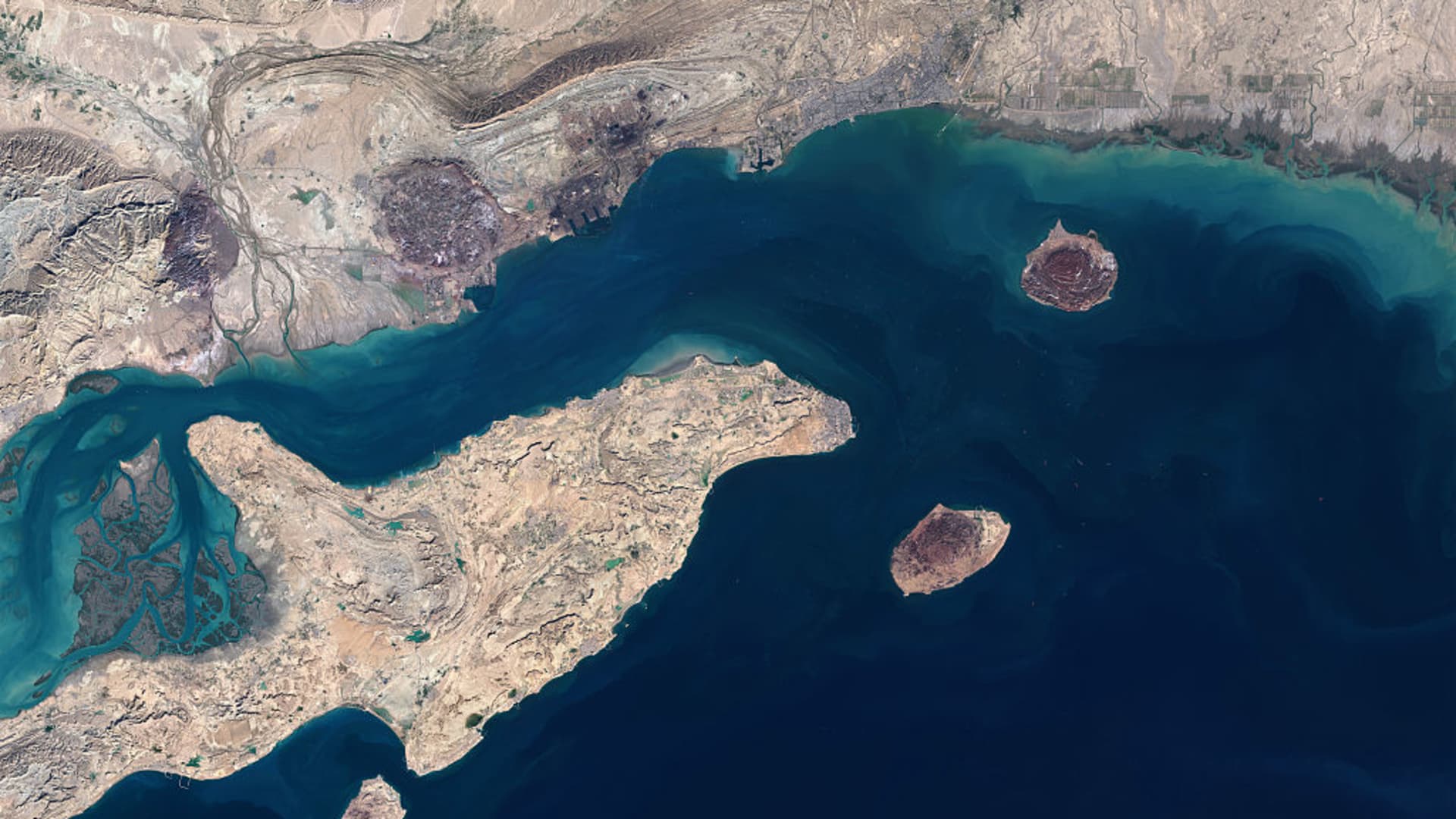
Iran Establishes Toll Corridor in Strait of Hormuz Amid Shipping Crisis

- Shipping Corridor Control: Iran has established a de facto safe shipping corridor near Larak Island in the Strait of Hormuz, resulting in a 90% drop in traffic since February 28, which has caused one of the most severe energy supply shocks globally.
- Toll System Implementation: The Iranian parliament passed a bill to impose fees on vessels transiting the strait, a move that, despite international legal disputes, would institutionalize Tehran's financial control over this critical waterway.
- Selective Passage: All 57 transits recorded since March 13 have taken the Larak detour, indicating strict vetting by the IRGC, which prioritizes vessels from countries with friendly relations, thereby increasing uncertainty in international shipping.
- International Response: While Iran claims the right to charge transit fees, legal experts argue that such unilateral measures may face strong diplomatic and legal challenges under the framework of the United Nations Convention on the Law of the Sea.
See More
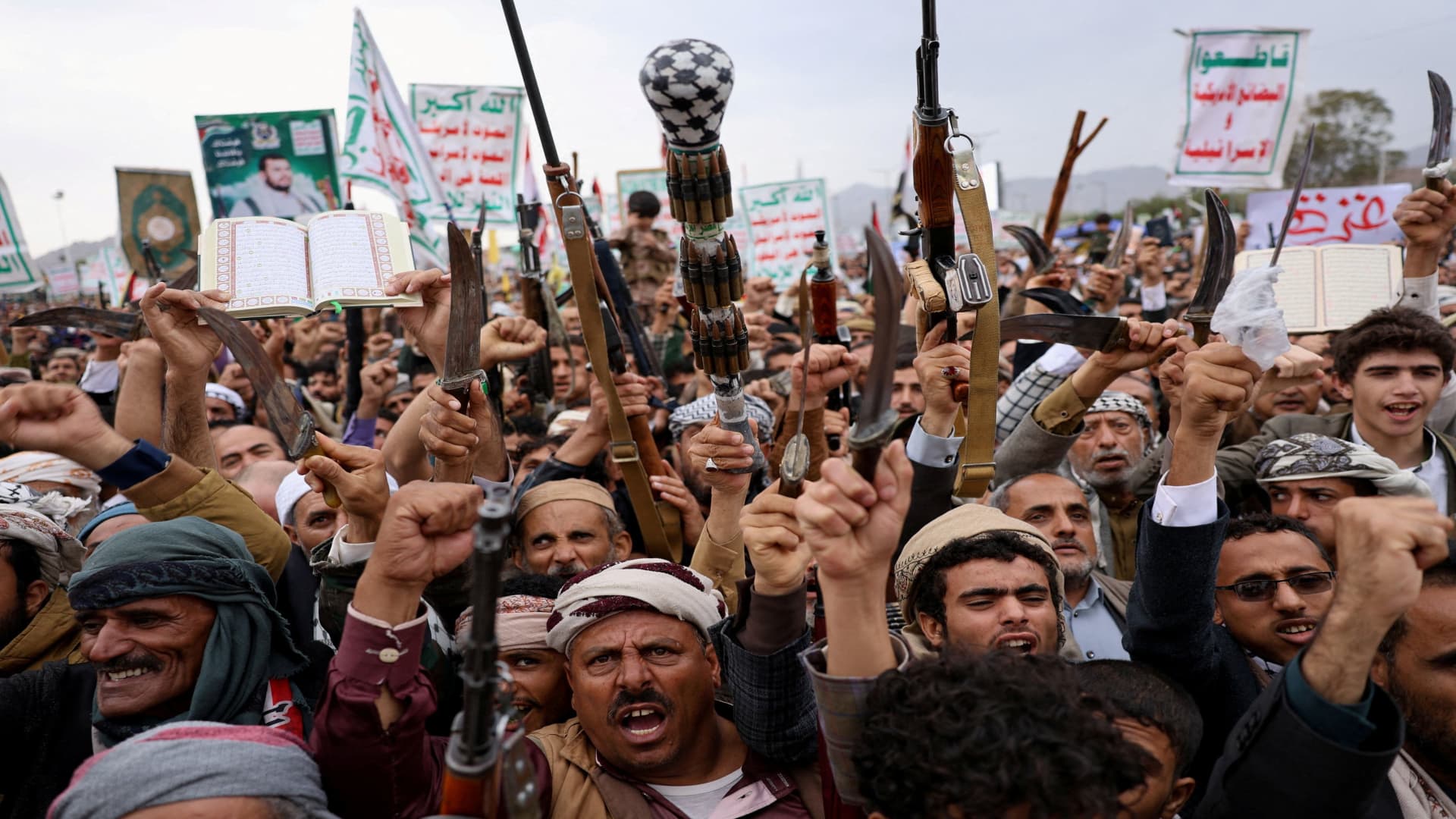
Yemen's Houthis Launch First Missile Strike Against Israel


- Missile Strike Escalation: Yemen's Houthis launched their first ballistic missile strike against Israel, marking the militia's initial military intervention in the U.S.-Israeli-led war against Iran, which could escalate regional tensions.
- Clear Military Targets: Houthi spokesman stated that the strike was aimed at supporting Iran's regime and Hezbollah in Lebanon, indicating a close alignment with Iran that may influence future geopolitical dynamics.
- Global Trade Risks: Analysts warn that the Houthis could attempt to choke off maritime traffic through the Bab el-Mandeb Strait, a crucial shipping route, which is expected to exert pressure on global trade, particularly in oil and gas transportation.
- Surging Oil Prices: Amid escalating tensions in the Middle East, U.S. crude oil prices rose 5.46% to $99.64 per barrel, while international benchmark Brent crude increased by 4.22% to $112.57, reflecting heightened market concerns over supply disruptions.
See More

GPS Disruptions Surge Amid Middle East Conflict


- Surge in GPS Disruptions: Following the U.S. and Israel's pre-emptive strikes against Iran on February 28, GPS disruptions have surged in the Middle East, with over 1,100 vessels experiencing AIS signal interference within the first 24 hours, affecting maritime, aviation, and land transportation while exposing vulnerabilities in the American-made satellite navigation system.
- Reasons for Interference: Analysts suggest that Gulf states may be jamming satellite navigation signals to protect critical infrastructure from drone and missile attacks, a tactic increasingly common in modern warfare, as evidenced by similar disruptions following Russia's invasion of Ukraine in 2022.
- Impact on Shipping: Despite the significant reduction in shipping activity due to the blockage of the Strait of Hormuz, foreign-flagged vessels from countries like China and India still have transit rights, making accurate positioning data crucial for avoiding collisions and grounding risks in the narrow strait, which measures only 21 miles (33 km) at its narrowest point.
- Emerging Technology Trends: As GPS signal jamming intensifies, industry experts highlight the vulnerabilities of satellite navigation systems, noting that modern chips can receive signals from multiple global navigation systems, with Iran potentially utilizing China's BeiDou, posing a challenge to U.S. strategic dominance in global navigation.
See More

Kuwait Petroleum Warns of Economic Blockade Impact

- Economic Blockade Warning: Sheikh Nawaf Al-Sabah, CEO of Kuwait Petroleum Corporation, stated that Iran's closure of the Strait of Hormuz constitutes an economic blockade against Gulf Arab oil producers, warning that the impact will be catastrophic and could trigger a domino effect on the global economy.
- Production Disruption: Kuwait has declared force majeure on its delivery contracts and has ramped down oil production, currently only supplying oil for domestic consumption, with a prior production level of 2.6 million barrels per day, making it the fifth-largest producer in OPEC.
- Global Supply Shortage: Al-Sabah emphasized that the 3 million barrels per day of emergency stocks from the International Energy Agency will do little to compensate for the production cuts in Iraq, Saudi Arabia, and the UAE, highlighting the far-reaching impact of the Strait's closure on the global supply chain.
- Agricultural Impact: With fertilizers from the Gulf unable to reach global markets, developing countries could see a 50% reduction in harvests, particularly as the planting season approaches, exacerbating difficulties in global food transportation.
See More
Strait of Hormuz Blockade Raises Global Oil Supply Concerns

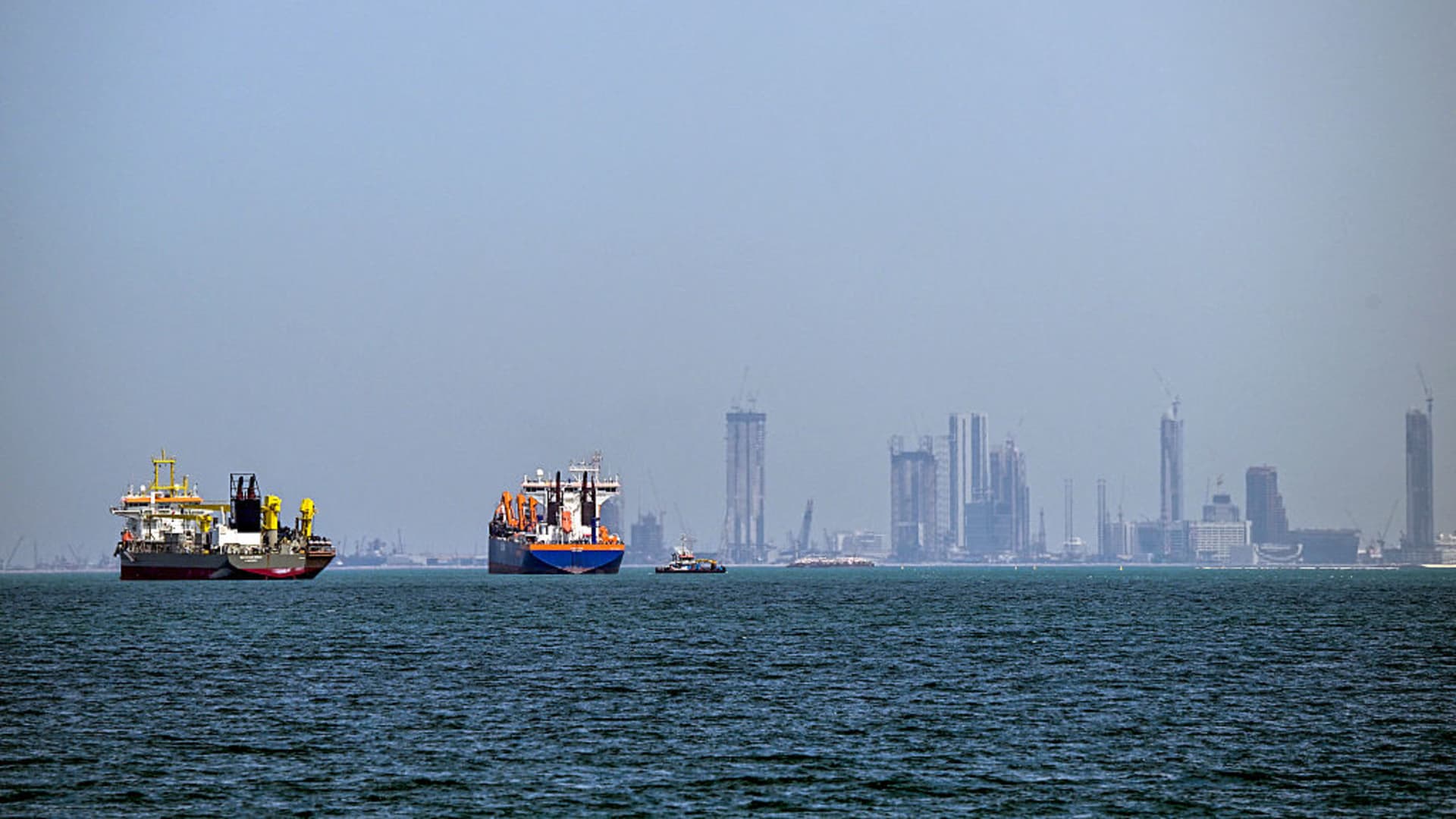
- Shipping Traffic Plummets: Since the onset of the conflict on February 28, only 21 tankers have transited the Strait of Hormuz, a drastic drop from over 100 daily before the war, potentially leading to soaring global oil prices and a supply crisis.
- Chinese Vessel Transit: During the conflict, 11 China-linked vessels successfully navigated the Strait, despite state-owned Cosco Shipping suspending new bookings, indicating a strategic shift in China's shipping approach to mitigate risks in the region.
- Random Attacks Heighten Uncertainty: The International Maritime Organization reports that at least 16 vessels have been struck near the UAE and Iraq, with attacks lacking a discernible pattern, increasing shipping uncertainty and forcing shipowners to seek alternative routes.
- Congestion on Alternative Routes: At the war's onset, 81 container ships were bound for the Strait, with 43 rerouting to other ports, causing significant congestion in alternative hubs like Fujairah and Sohar, thereby impacting global supply chain efficiency.
See More
Trump Demands Other Countries Secure Strait of Hormuz


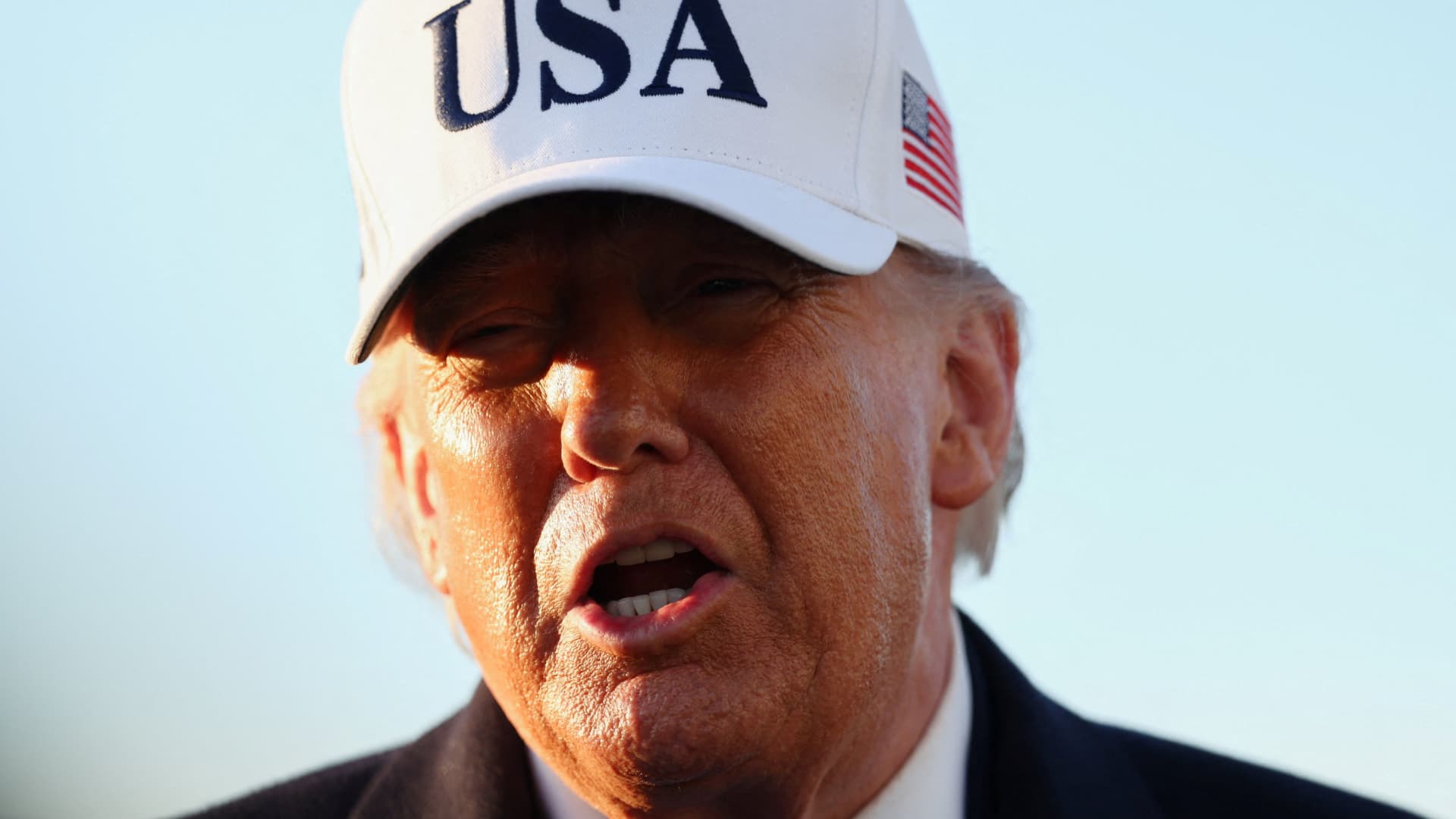
- International Responsibility Sharing: Trump stated aboard Air Force One that countries reliant on the Strait of Hormuz, such as China, should take on the responsibility of securing it, emphasizing the strait's critical importance for their energy supply, which reflects a shift in the U.S. role in international security affairs.
- Energy Dependency Discrepancy: Trump highlighted that approximately 90% of China's crude imports pass through the strait, while the U.S. only relies on 1% to 2%, indicating America's relative independence in the global energy supply chain and raising concerns about China's energy security.
- Ally Relations in Military Action: Trump's comments raised questions about the U.S. relationship with European and Asian allies, as analysts noted that the Trump administration did not consult allies before military actions against Iran, potentially eroding trust among allies.
- Standstill in Strait Traffic: Vessel traffic in the Strait of Hormuz has effectively come to a standstill, with Trump mentioning that the British Prime Minister offered to deploy aircraft carriers, yet no action was taken before the conflict, highlighting the tense and complex nature of international maritime security.
See More
Iran Establishes Toll Corridor in Strait of Hormuz Amid Shipping Crisis
- Shipping Corridor Control: Iran has established a de facto safe shipping corridor near Larak Island in the Strait of Hormuz, resulting in a 90% drop in traffic since February 28, which has caused one of the most severe energy supply shocks globally.
- Toll System Implementation: The Iranian parliament passed a bill to impose fees on vessels transiting the strait, a move that, despite international legal disputes, would institutionalize Tehran's financial control over this critical waterway.
- Selective Passage: All 57 transits recorded since March 13 have taken the Larak detour, indicating strict vetting by the IRGC, which prioritizes vessels from countries with friendly relations, thereby increasing uncertainty in international shipping.
- International Response: While Iran claims the right to charge transit fees, legal experts argue that such unilateral measures may face strong diplomatic and legal challenges under the framework of the United Nations Convention on the Law of the Sea.
See More
Yemen's Houthis Launch First Missile Strike Against Israel
- Missile Strike Escalation: Yemen's Houthis launched their first ballistic missile strike against Israel, marking the militia's initial military intervention in the U.S.-Israeli-led war against Iran, which could escalate regional tensions.
- Clear Military Targets: Houthi spokesman stated that the strike was aimed at supporting Iran's regime and Hezbollah in Lebanon, indicating a close alignment with Iran that may influence future geopolitical dynamics.
- Global Trade Risks: Analysts warn that the Houthis could attempt to choke off maritime traffic through the Bab el-Mandeb Strait, a crucial shipping route, which is expected to exert pressure on global trade, particularly in oil and gas transportation.
- Surging Oil Prices: Amid escalating tensions in the Middle East, U.S. crude oil prices rose 5.46% to $99.64 per barrel, while international benchmark Brent crude increased by 4.22% to $112.57, reflecting heightened market concerns over supply disruptions.
See More
GPS Disruptions Surge Amid Middle East Conflict
- Surge in GPS Disruptions: Following the U.S. and Israel's pre-emptive strikes against Iran on February 28, GPS disruptions have surged in the Middle East, with over 1,100 vessels experiencing AIS signal interference within the first 24 hours, affecting maritime, aviation, and land transportation while exposing vulnerabilities in the American-made satellite navigation system.
- Reasons for Interference: Analysts suggest that Gulf states may be jamming satellite navigation signals to protect critical infrastructure from drone and missile attacks, a tactic increasingly common in modern warfare, as evidenced by similar disruptions following Russia's invasion of Ukraine in 2022.
- Impact on Shipping: Despite the significant reduction in shipping activity due to the blockage of the Strait of Hormuz, foreign-flagged vessels from countries like China and India still have transit rights, making accurate positioning data crucial for avoiding collisions and grounding risks in the narrow strait, which measures only 21 miles (33 km) at its narrowest point.
- Emerging Technology Trends: As GPS signal jamming intensifies, industry experts highlight the vulnerabilities of satellite navigation systems, noting that modern chips can receive signals from multiple global navigation systems, with Iran potentially utilizing China's BeiDou, posing a challenge to U.S. strategic dominance in global navigation.
See More
Kuwait Petroleum Warns of Economic Blockade Impact
- Economic Blockade Warning: Sheikh Nawaf Al-Sabah, CEO of Kuwait Petroleum Corporation, stated that Iran's closure of the Strait of Hormuz constitutes an economic blockade against Gulf Arab oil producers, warning that the impact will be catastrophic and could trigger a domino effect on the global economy.
- Production Disruption: Kuwait has declared force majeure on its delivery contracts and has ramped down oil production, currently only supplying oil for domestic consumption, with a prior production level of 2.6 million barrels per day, making it the fifth-largest producer in OPEC.
- Global Supply Shortage: Al-Sabah emphasized that the 3 million barrels per day of emergency stocks from the International Energy Agency will do little to compensate for the production cuts in Iraq, Saudi Arabia, and the UAE, highlighting the far-reaching impact of the Strait's closure on the global supply chain.
- Agricultural Impact: With fertilizers from the Gulf unable to reach global markets, developing countries could see a 50% reduction in harvests, particularly as the planting season approaches, exacerbating difficulties in global food transportation.
See More
Strait of Hormuz Blockade Raises Global Oil Supply Concerns
- Shipping Traffic Plummets: Since the onset of the conflict on February 28, only 21 tankers have transited the Strait of Hormuz, a drastic drop from over 100 daily before the war, potentially leading to soaring global oil prices and a supply crisis.
- Chinese Vessel Transit: During the conflict, 11 China-linked vessels successfully navigated the Strait, despite state-owned Cosco Shipping suspending new bookings, indicating a strategic shift in China's shipping approach to mitigate risks in the region.
- Random Attacks Heighten Uncertainty: The International Maritime Organization reports that at least 16 vessels have been struck near the UAE and Iraq, with attacks lacking a discernible pattern, increasing shipping uncertainty and forcing shipowners to seek alternative routes.
- Congestion on Alternative Routes: At the war's onset, 81 container ships were bound for the Strait, with 43 rerouting to other ports, causing significant congestion in alternative hubs like Fujairah and Sohar, thereby impacting global supply chain efficiency.
See More
Trump Demands Other Countries Secure Strait of Hormuz
- International Responsibility Sharing: Trump stated aboard Air Force One that countries reliant on the Strait of Hormuz, such as China, should take on the responsibility of securing it, emphasizing the strait's critical importance for their energy supply, which reflects a shift in the U.S. role in international security affairs.
- Energy Dependency Discrepancy: Trump highlighted that approximately 90% of China's crude imports pass through the strait, while the U.S. only relies on 1% to 2%, indicating America's relative independence in the global energy supply chain and raising concerns about China's energy security.
- Ally Relations in Military Action: Trump's comments raised questions about the U.S. relationship with European and Asian allies, as analysts noted that the Trump administration did not consult allies before military actions against Iran, potentially eroding trust among allies.
- Standstill in Strait Traffic: Vessel traffic in the Strait of Hormuz has effectively come to a standstill, with Trump mentioning that the British Prime Minister offered to deploy aircraft carriers, yet no action was taken before the conflict, highlighting the tense and complex nature of international maritime security.
See More