Kraft Heinz Faces Growth Challenges Amid Market Shifts
Written by Emily J. Thompson, Senior Investment Analyst
Updated: 2 days ago
0mins
Should l Buy KHC?
Source: seekingalpha
- Market Disruption: The traditional packaged foods sector has faced immense changes, with soaring raw material costs and increased consumer price sensitivity leading to Kraft Heinz (KHC) losing nearly half its stock value over the past five years, presenting significant market challenges.
- Brand Investment Initiative: Kraft Heinz announced a $600 million brand reinvestment initiative aimed at addressing growth and market share issues through enhanced value, innovation, promotions, and marketing, although the complexity and costs of implementation pose challenges.
- Declining Sales Trend: Despite early signs of recovery in Kraft Heinz's latest earnings report, North American sales have marked their 11th consecutive year-over-year decline, with CEO Cahillane stressing the need to reassess pricing structures to meet consumer demands under economic pressure.
- Delayed Strategic Split: Kraft Heinz's plan to split into two standalone companies by 2026 has been halted by CEO Cahillane, who believes that addressing the underlying brands' growth and market share issues must take precedence before justifying the complexities of structural changes.
Trade with 70% Backtested Accuracy
Stop guessing "Should I Buy KHC?" and start using high-conviction signals backed by rigorous historical data.
Sign up today to access powerful investing tools and make smarter, data-driven decisions.
Analyst Views on KHC
Wall Street analysts forecast KHC stock price to rise
15 Analyst Rating
0 Buy
14 Hold
1 Sell
Hold
Current: 23.640

Low
24.00
Averages
25.86
High
28.00
Current: 23.640
Low
24.00
Averages
25.86
High
28.00
About KHC
The Kraft Heinz Company manufactures and markets food and beverage products around the world through its eight consumer-driven product platforms: Taste Elevation, Easy Ready Meals, Substantial Snacking, Desserts, Hydration, Cheese, Coffee, Meats, and other grocery products. The Company has two reportable segments defined by geographic region: North America and International Developed Markets. Its other segments, consisting of West and East Emerging Markets (WEEM) and Asia Emerging Markets (AEM), are combined and disclosed as Emerging Markets. It manufactures its products from a wide variety of raw materials. Its brands include Kraft, Oscar Mayer, Heinz, Philadelphia, Lunchables, Velveeta, Ore-Ida, Capri Sun, Maxwell Apartment, Kool-Aid, Jell-O, Heinz, Golden Circle, Wattie's, Plasmon, Heinz, ABC, Master, Quero, Kraft, and Pudliszki, among others. The Company's products are sold through its own sales organizations and through independent brokers, agents, and distributors.
About the author

Emily J. Thompson
Emily J. Thompson, a Chartered Financial Analyst (CFA) with 12 years in investment research, graduated with honors from the Wharton School. Specializing in industrial and technology stocks, she provides in-depth analysis for Intellectia’s earnings and market brief reports.

Kraft Heinz Q1 2026 Earnings Call Insights
- Portfolio Reclassification: Kraft Heinz downgraded frozen foods from 'Win Big' to 'Hold' while upgrading 'Hydration' to 'Win Big', reflecting a pragmatic approach to portfolio management amid market pressures and a strategic shift towards higher growth and margin categories.
- Revenue Guidance Downgrade: CFO Andre Maciel projected a revenue decline of 3% to 5% for Q2, primarily due to surging energy and resin prices, indicating significant near-term pressure from inflation volatility on the company's financial performance.
- Investment Plan Reaffirmed: Management reiterated the $600 million incremental investment plan, with most funds still available, demonstrating a commitment to maintaining guidance while remaining optimistic about future growth opportunities despite current challenges.
- Cash Flow and Capital Allocation: Maciel indicated that cash flow is expected to decrease in the second half of the year, with plans to pay down debt in Q2, highlighting the company's financial flexibility and strategic response to market conditions.
See More

Kraft Heinz Launches $1.1 Billion Bond Tender Offer
- Repurchase Scale: Kraft Heinz's subsidiary, Kraft Heinz Foods Company, has announced a tender offer to repurchase up to $1.1 billion in bonds, aimed at optimizing its capital structure and reducing long-term debt burden, thereby enhancing financial flexibility.
- Bond Types: The tender offer includes 4.375% Senior Notes due 2046 and 4.875% Senior Notes due 2049, with outstanding principal amounts of $2.786 billion and $1.45 billion respectively, indicating the company's sensitivity to future interest rate changes.
- Priority Arrangement: The repurchase will be conducted based on acceptance priority levels, ensuring that bonds tendered before the early tender time are prioritized under the maximum tender amount limit, aiming to increase investor participation and satisfaction.
- Market Reaction: This move is likely to have a positive impact on Kraft Heinz's stock price as it demonstrates proactive capital management, which is expected to attract more investor attention to the company's future financial health.
See More
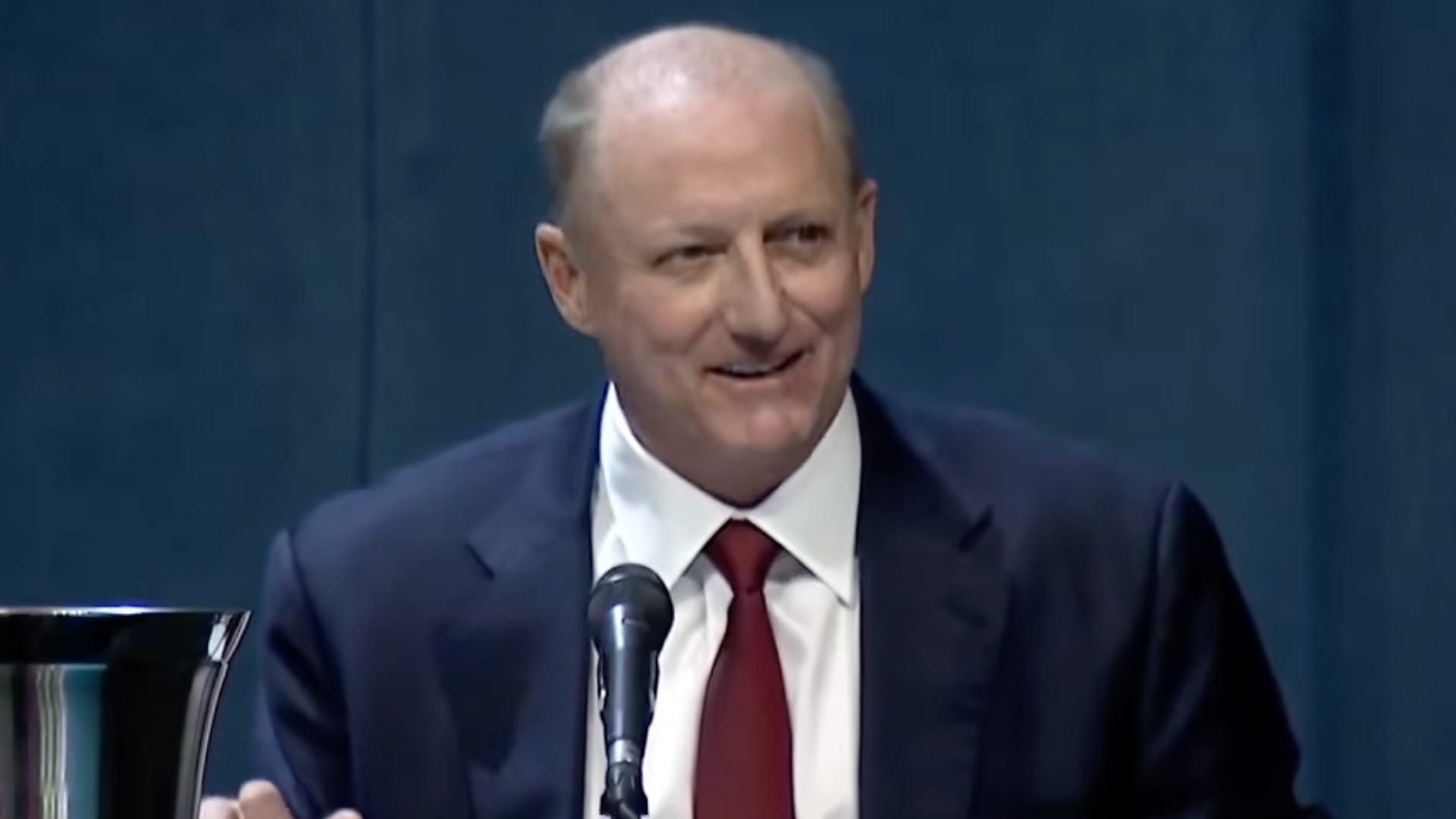
Greg Abel's First Shareholder Meeting as CEO Receives Mixed Reviews

- Attendance at Shareholder Meeting: Greg Abel's first annual meeting as CEO saw attendance at just over half capacity, indicating a significant drop in draw compared to the Buffett and Munger era, although it still surpassed typical corporate annual meetings.
- Capital Allocation Concerns: Abel's failure to provide clear guidance on the future of Berkshire's equity portfolio and substantial cash reserves has heightened investor concerns regarding the company's capital allocation strategy, potentially impacting market confidence in Berkshire.
- Lackluster Buyback Performance: Despite announcing a resumption of stock buybacks, Berkshire repurchased only $234 million in shares during Q1, falling short of market expectations and possibly undermining investor trust in the company's buyback strategy.
- New CFO Compensation: The new CFO, Charles Chang, will receive an annual salary of $8 million, a significant increase compared to the previous CFO Marc Hamburg's total compensation of $4.3 million, raising potential shareholder concerns about the reasonableness of executive pay.
See More
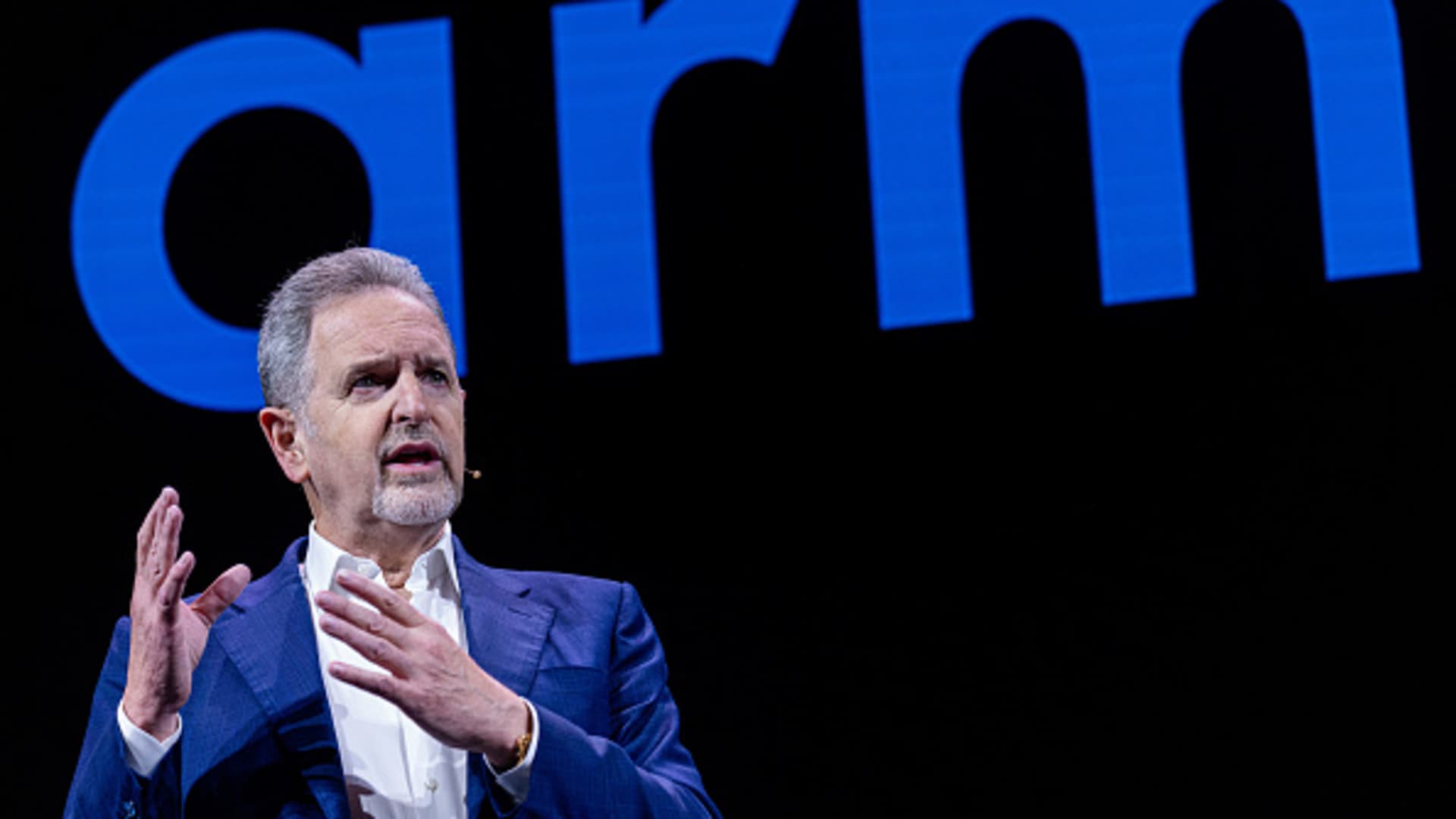
Market Dynamics and Company Performance Analysis


- Calm Market Conditions: Stock futures are stable this morning with oil prices down approximately 5%, following another record close for the S&P 500, driven by hopes for an end to the Iran war, although the market is inching towards overbought territory according to momentum indicators.
- Arm Holdings Earnings Report: Despite a strong earnings report from Arm Holdings showcasing robust data center CPU business, shares fell 8% this morning due to insufficient supply of new CPUs to raise revenue forecasts, even though they are more power-efficient than AMD and Intel's x86 processors.
- Fortinet Share Surge: Fortinet's stock surged 15% after delivering outstanding quarterly results, prompting BTIG analysts to upgrade the stock from hold to buy, with Fortinet commanding 50% of the global firewall market, boosting the performance of other cybersecurity stocks as well.
- Kraft Heinz Recovery Plan: Although Kraft Heinz has struggled for years, CEO Steve Cahillane is investing in brands like Kraft mac and cheese to restore the company's former glory, aiming to win back consumers and drive growth, reflecting confidence in future prospects.
See More
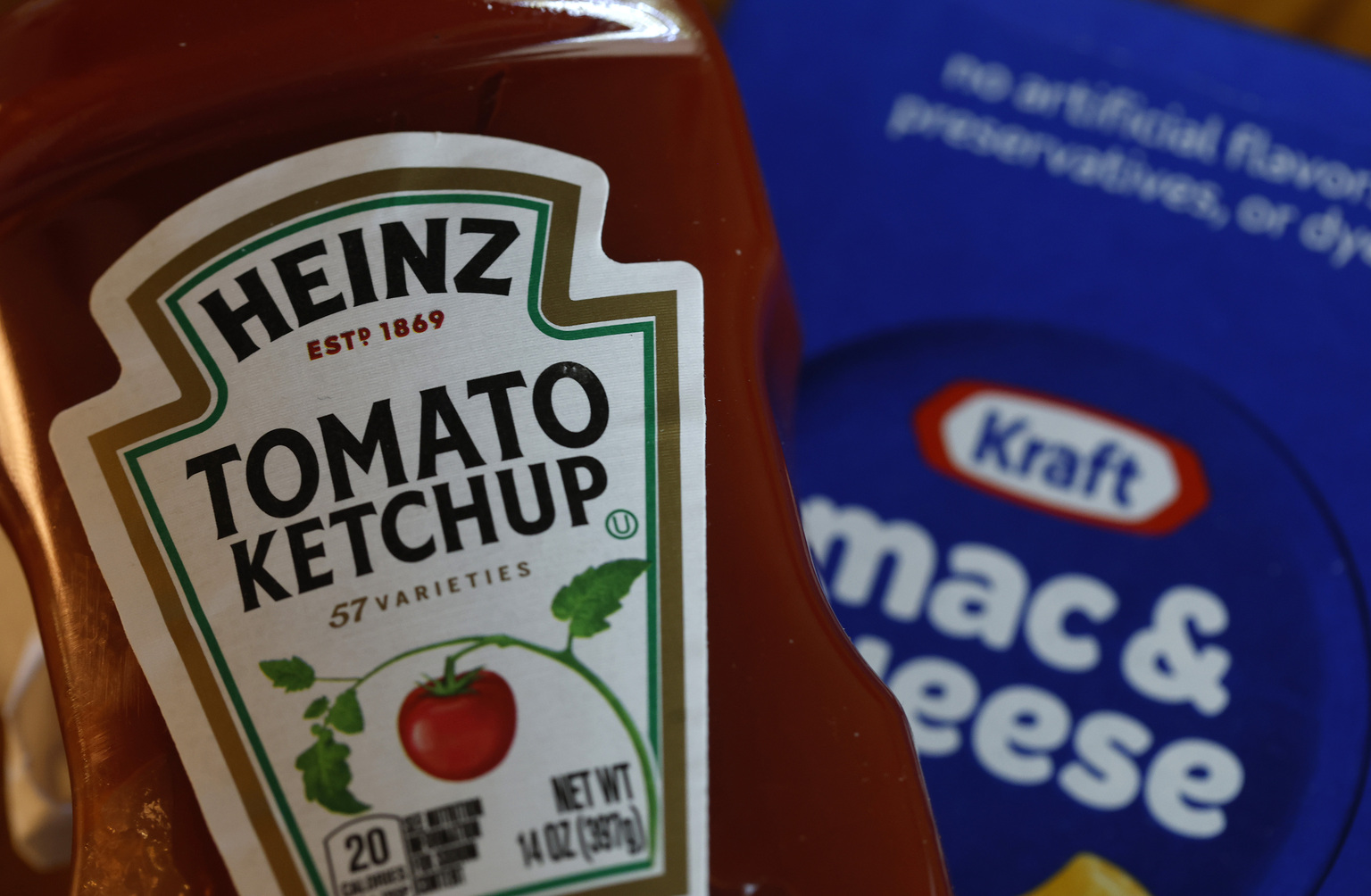
Kraft Heinz Faces Growth Challenges Amid Market Shifts
- Market Disruption: The traditional packaged foods sector has faced immense changes, with soaring raw material costs and increased consumer price sensitivity leading to Kraft Heinz (KHC) losing nearly half its stock value over the past five years, presenting significant market challenges.
- Brand Investment Initiative: Kraft Heinz announced a $600 million brand reinvestment initiative aimed at addressing growth and market share issues through enhanced value, innovation, promotions, and marketing, although the complexity and costs of implementation pose challenges.
- Declining Sales Trend: Despite early signs of recovery in Kraft Heinz's latest earnings report, North American sales have marked their 11th consecutive year-over-year decline, with CEO Cahillane stressing the need to reassess pricing structures to meet consumer demands under economic pressure.
- Delayed Strategic Split: Kraft Heinz's plan to split into two standalone companies by 2026 has been halted by CEO Cahillane, who believes that addressing the underlying brands' growth and market share issues must take precedence before justifying the complexities of structural changes.
See More
Kraft Heinz Launches $1.1B Debt Repurchase Offer
- Debt Management Strategy: Kraft Heinz's wholly owned subsidiary, Kraft Heinz Foods Company, has announced a cash tender offer of up to $1.1 billion to repurchase portions of its 4.375% senior notes due 2046 and 4.875% senior notes due 2049, aimed at optimizing the company's debt profile and reducing financial risk.
- Clear Repurchase Terms: The terms and conditions of the tender offer are detailed in the offer to purchase dated May 7, 2026, ensuring investors are well-informed about the specific requirements and procedures for the repurchase, thereby enhancing market confidence.
- Positive Market Reaction: Despite facing challenges from soft consumer demand and declining margins, Kraft Heinz's debt repurchase initiative demonstrates a commitment to future financial health, which may help bolster investor confidence in the company's long-term prospects.
- Cautious Future Outlook: Kraft Heinz projects a 3% to 5% decline in organic sales for Q2, while simultaneously planning a $600 million investment, indicating the company's determination to seek a turnaround amidst adversity, even as it faces short-term pressures.
See More
Kraft Heinz Q1 2026 Earnings Call Insights
- Portfolio Reclassification: Kraft Heinz downgraded frozen foods from 'Win Big' to 'Hold' while upgrading 'Hydration' to 'Win Big', reflecting a pragmatic approach to portfolio management amid market pressures and a strategic shift towards higher growth and margin categories.
- Revenue Guidance Downgrade: CFO Andre Maciel projected a revenue decline of 3% to 5% for Q2, primarily due to surging energy and resin prices, indicating significant near-term pressure from inflation volatility on the company's financial performance.
- Investment Plan Reaffirmed: Management reiterated the $600 million incremental investment plan, with most funds still available, demonstrating a commitment to maintaining guidance while remaining optimistic about future growth opportunities despite current challenges.
- Cash Flow and Capital Allocation: Maciel indicated that cash flow is expected to decrease in the second half of the year, with plans to pay down debt in Q2, highlighting the company's financial flexibility and strategic response to market conditions.
See More
Kraft Heinz Launches $1.1 Billion Bond Tender Offer
- Repurchase Scale: Kraft Heinz's subsidiary, Kraft Heinz Foods Company, has announced a tender offer to repurchase up to $1.1 billion in bonds, aimed at optimizing its capital structure and reducing long-term debt burden, thereby enhancing financial flexibility.
- Bond Types: The tender offer includes 4.375% Senior Notes due 2046 and 4.875% Senior Notes due 2049, with outstanding principal amounts of $2.786 billion and $1.45 billion respectively, indicating the company's sensitivity to future interest rate changes.
- Priority Arrangement: The repurchase will be conducted based on acceptance priority levels, ensuring that bonds tendered before the early tender time are prioritized under the maximum tender amount limit, aiming to increase investor participation and satisfaction.
- Market Reaction: This move is likely to have a positive impact on Kraft Heinz's stock price as it demonstrates proactive capital management, which is expected to attract more investor attention to the company's future financial health.
See More
Greg Abel's First Shareholder Meeting as CEO Receives Mixed Reviews
- Attendance at Shareholder Meeting: Greg Abel's first annual meeting as CEO saw attendance at just over half capacity, indicating a significant drop in draw compared to the Buffett and Munger era, although it still surpassed typical corporate annual meetings.
- Capital Allocation Concerns: Abel's failure to provide clear guidance on the future of Berkshire's equity portfolio and substantial cash reserves has heightened investor concerns regarding the company's capital allocation strategy, potentially impacting market confidence in Berkshire.
- Lackluster Buyback Performance: Despite announcing a resumption of stock buybacks, Berkshire repurchased only $234 million in shares during Q1, falling short of market expectations and possibly undermining investor trust in the company's buyback strategy.
- New CFO Compensation: The new CFO, Charles Chang, will receive an annual salary of $8 million, a significant increase compared to the previous CFO Marc Hamburg's total compensation of $4.3 million, raising potential shareholder concerns about the reasonableness of executive pay.
See More
Market Dynamics and Company Performance Analysis
- Calm Market Conditions: Stock futures are stable this morning with oil prices down approximately 5%, following another record close for the S&P 500, driven by hopes for an end to the Iran war, although the market is inching towards overbought territory according to momentum indicators.
- Arm Holdings Earnings Report: Despite a strong earnings report from Arm Holdings showcasing robust data center CPU business, shares fell 8% this morning due to insufficient supply of new CPUs to raise revenue forecasts, even though they are more power-efficient than AMD and Intel's x86 processors.
- Fortinet Share Surge: Fortinet's stock surged 15% after delivering outstanding quarterly results, prompting BTIG analysts to upgrade the stock from hold to buy, with Fortinet commanding 50% of the global firewall market, boosting the performance of other cybersecurity stocks as well.
- Kraft Heinz Recovery Plan: Although Kraft Heinz has struggled for years, CEO Steve Cahillane is investing in brands like Kraft mac and cheese to restore the company's former glory, aiming to win back consumers and drive growth, reflecting confidence in future prospects.
See More
Kraft Heinz Faces Growth Challenges Amid Market Shifts
- Market Disruption: The traditional packaged foods sector has faced immense changes, with soaring raw material costs and increased consumer price sensitivity leading to Kraft Heinz (KHC) losing nearly half its stock value over the past five years, presenting significant market challenges.
- Brand Investment Initiative: Kraft Heinz announced a $600 million brand reinvestment initiative aimed at addressing growth and market share issues through enhanced value, innovation, promotions, and marketing, although the complexity and costs of implementation pose challenges.
- Declining Sales Trend: Despite early signs of recovery in Kraft Heinz's latest earnings report, North American sales have marked their 11th consecutive year-over-year decline, with CEO Cahillane stressing the need to reassess pricing structures to meet consumer demands under economic pressure.
- Delayed Strategic Split: Kraft Heinz's plan to split into two standalone companies by 2026 has been halted by CEO Cahillane, who believes that addressing the underlying brands' growth and market share issues must take precedence before justifying the complexities of structural changes.
See More
Kraft Heinz Launches $1.1B Debt Repurchase Offer
- Debt Management Strategy: Kraft Heinz's wholly owned subsidiary, Kraft Heinz Foods Company, has announced a cash tender offer of up to $1.1 billion to repurchase portions of its 4.375% senior notes due 2046 and 4.875% senior notes due 2049, aimed at optimizing the company's debt profile and reducing financial risk.
- Clear Repurchase Terms: The terms and conditions of the tender offer are detailed in the offer to purchase dated May 7, 2026, ensuring investors are well-informed about the specific requirements and procedures for the repurchase, thereby enhancing market confidence.
- Positive Market Reaction: Despite facing challenges from soft consumer demand and declining margins, Kraft Heinz's debt repurchase initiative demonstrates a commitment to future financial health, which may help bolster investor confidence in the company's long-term prospects.
- Cautious Future Outlook: Kraft Heinz projects a 3% to 5% decline in organic sales for Q2, while simultaneously planning a $600 million investment, indicating the company's determination to seek a turnaround amidst adversity, even as it faces short-term pressures.
See More