Weekly Insider Trading Overview: Executive Transactions
Written by Emily J. Thompson, Senior Investment Analyst
Updated: 41 minutes ago
0mins
Should l Buy INTC?
Source: seekingalpha
- Intel Executive Sells Shares: Intel (INTC) EVP and Chief Legal Officer April Boise sold 40,256 shares at $99.53 each for a total of $4 million, reducing her direct holdings by 27.70%, indicating a cautious outlook on the company's future prospects.
- Bank of America Executive Disposes Holdings: Bank of America (BAC) Chief Risk Officer Geoffrey Greener disposed of 126,756 shares at $53.01 each, generating $6.72 million and reducing his holdings by 8.45%, reflecting concerns over market risks.
- Chevron Director Reduces Stake: Chevron (CVX) director John Hess sold 195,000 shares in the price range of $183.90 to $185.21, totaling $36.03 million, which decreased his holdings by 2.22%, potentially impacting corporate governance structures.
- Delta Air Lines Executive Sells Shares: Delta Air Lines (DAL) EVP Alain Bellemare sold 20,621 shares at $72.75 each for $1.50 million, cutting his holdings by 14.66%, indicating uncertainty about the company's future developments.
Trade with 70% Backtested Accuracy
Stop guessing "Should I Buy INTC?" and start using high-conviction signals backed by rigorous historical data.
Sign up today to access powerful investing tools and make smarter, data-driven decisions.
Analyst Views on INTC
Wall Street analysts forecast INTC stock price to fall
29 Analyst Rating
5 Buy
19 Hold
5 Sell
Hold
Current: 109.620

Low
20.00
Averages
39.30
High
52.00
Current: 109.620
Low
20.00
Averages
39.30
High
52.00
About INTC
Intel Corporation is a global designer and manufacturer of semiconductor products. The Company's segments include Intel Products, Intel Foundry, and All Other. Its Intel Products comprise Client Computing Group (CCG) and Data Center and AI (DCAI). CCG delivers platforms and processors that power PCs and edge devices, enabling enhanced performance, connectivity and user experience for consumer and commercial markets with capabilities that also support retail, industrial robotics and AI ecosystems at the edge. DCAI delivers workload-optimized solutions based upon its x86 architecture for data centers, including CPUs, AI accelerators, NICs, IPUs and custom ASICs, enabling performance and scalability for cloud, enterprise, telecommunication and HPC environments. The Intel Foundry segment comprises technology development, manufacturing and foundry services, developing new semiconductor process technologies and advanced packaging technologies. All Other segments include Mobileye and Other.
About the author

Emily J. Thompson
Emily J. Thompson, a Chartered Financial Analyst (CFA) with 12 years in investment research, graduated with honors from the Wharton School. Specializing in industrial and technology stocks, she provides in-depth analysis for Intellectia’s earnings and market brief reports.
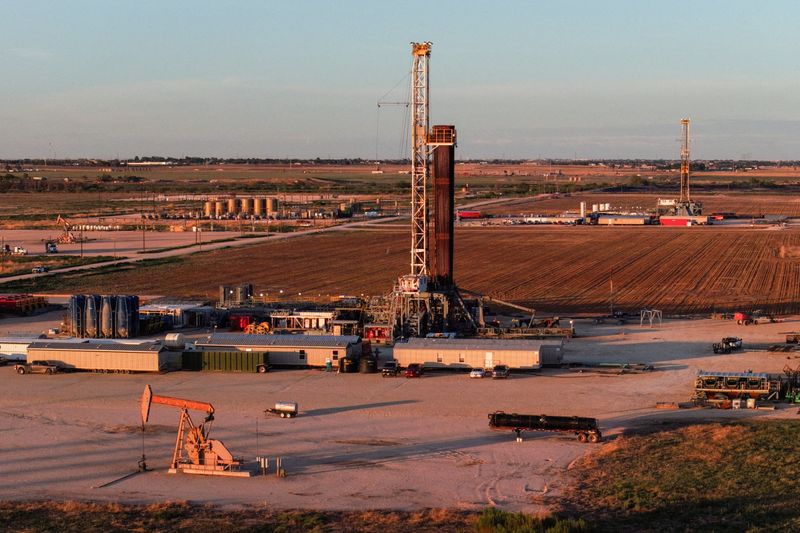
SpaceX Plans $55B Investment for Terafab Project

- Massive Investment: SpaceX plans an initial investment of $55 billion for the Terafab project in Texas, which, if successful, is expected to yield significant benefits for Intel and several semiconductor equipment vendors.
- Estimated Total Cost: Government filings indicate that if additional phases of the semiconductor production facility are completed, the total cost could reach approximately $119 billion, which would have profound implications for the semiconductor industry.
- Potential Gains for Intel: Wedbush analysts noted that if the project proves successful, it would positively impact Intel's 14A process, although the exact relationship between Intel and Tesla/SpaceX remains somewhat unclear.
- Risks and Challenges: Despite the promising outlook, analysts caution that building and owning a fab to support internal requirements is an expensive proposition that has become increasingly difficult to justify, especially when many products are not yet finalized.
See More
Weekly Insider Trading Overview: Executive Transactions

- Intel Executive Sells Shares: Intel (INTC) EVP and Chief Legal Officer April Boise sold 40,256 shares at $99.53 each for a total of $4 million, reducing her direct holdings by 27.70%, indicating a cautious outlook on the company's future prospects.
- Bank of America Executive Disposes Holdings: Bank of America (BAC) Chief Risk Officer Geoffrey Greener disposed of 126,756 shares at $53.01 each, generating $6.72 million and reducing his holdings by 8.45%, reflecting concerns over market risks.
- Chevron Director Reduces Stake: Chevron (CVX) director John Hess sold 195,000 shares in the price range of $183.90 to $185.21, totaling $36.03 million, which decreased his holdings by 2.22%, potentially impacting corporate governance structures.
- Delta Air Lines Executive Sells Shares: Delta Air Lines (DAL) EVP Alain Bellemare sold 20,621 shares at $72.75 each for $1.50 million, cutting his holdings by 14.66%, indicating uncertainty about the company's future developments.
See More

Amazon Launches New Supply Chain Services Business


- New Business Launch: Amazon has introduced Amazon Supply Chain Services (ASCS), allowing other businesses to access its vast logistics network, a move that could attract more retailers and enhance its competitive edge in the market.
- Significant Market Potential: Despite the popularity of e-commerce, CEO Andy Jassy noted that 80% of retail transactions still occur in brick-and-mortar stores, and the launch of ASCS could accelerate this shift, further driving Amazon's growth.
- Strong Customer Base: Major corporations like Procter & Gamble, 3M, and American Eagle Outfitters have already signed up for ASCS, indicating a strong demand for Amazon's logistics services, which could lead to higher profit margins for the company.
- Strategic Implications: The launch of ASCS mirrors AWS, showcasing Amazon's ongoing efforts in innovation and business diversification; while facing operational cost challenges, it could still emerge as a new profit driver for the company.
See More

Future Outlook for Ripple and XRP
- Lawsuit and ETF Impact: Following the settlement of Ripple's lawsuit with regulators last year, seven spot ETFs, including the Canary XRP ETF, launched in the U.S., quickly attracting over $1 billion in capital inflows; however, XRP's price peaked at $3.50 in July before plummeting to $1.40, indicating a lack of sustained market enthusiasm for these catalysts.
- Flaw in Bank Adoption Thesis: The core thesis that increased bank adoption of Ripple's technology would drive XRP demand is flawed, as RippleNet's usage does not create direct demand pressure for XRP, while ODL's lower transaction volume fails to meet bullish expectations.
- Introduction of Stablecoin: Ripple's introduction of the stablecoin RLUSD, designed to replace XRP in cross-border transactions, exacerbates the situation by providing banks with a stable asset option, thus diminishing the potential price impact of ODL adoption for XRP.
- Five-Year Outlook: While Ripple is likely to grow into a significantly larger payments infrastructure business, analysts predict that XRP's price may remain below $1 in five years, reflecting a misunderstanding of which Ripple products banks actually utilize and the competitive pressure from the stablecoin.
See More
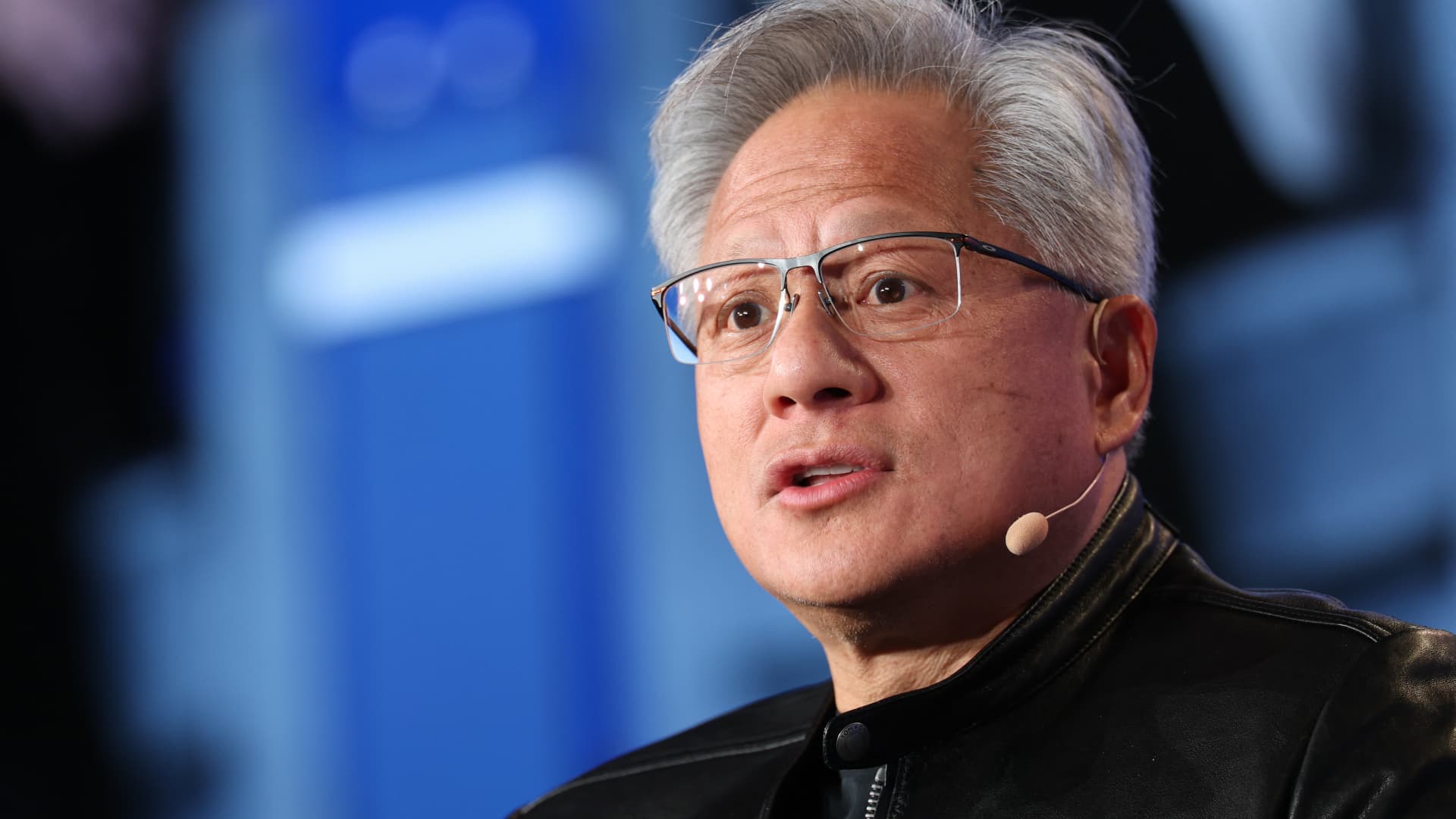
Nvidia Accelerates AI Investment Strategy

- Surge in Investment: Nvidia has committed over $40 billion in 2026 alone, including a $2.1 billion investment agreement with data center operator IREN, showcasing its aggressive expansion in the AI infrastructure sector.
- Market Dominance: With a market cap of approximately $5.2 trillion and an 11-fold stock price increase over four years, Nvidia has solidified its position as the most valuable company globally, reflecting its undeniable leadership in the AI chip market.
- Strategic Portfolio: Last year, Nvidia invested $17.5 billion in private companies and infrastructure funds, primarily to support early-stage startups, further deepening and broadening its ecosystem reach.
- Strengthened Partnerships: The $3.2 billion investment in Corning will drive innovation in optical technologies, with plans to build three new facilities, enhancing its capabilities in handling AI workloads.
See More

Nvidia Accelerates Investment in AI Infrastructure
- Massive Investment Plans: Nvidia announced this week plans to invest up to $3.2 billion in glass maker Corning and $2.1 billion in data center operator IREN, demonstrating its aggressive strategy to enhance its competitive edge in the AI infrastructure sector through acquisitions and commercial partnerships.
- Significant Investment Returns: Nvidia's $5 billion investment in Intel last year has now appreciated to over $25 billion, reflecting the success of its investment strategy and further solidifying its leadership position in the AI market.
- Ecosystem Expansion: In 2026, Nvidia has already committed over $40 billion in investments across various public equities, indicating its dedication to building a comprehensive AI supply chain that ensures widespread application of its hardware and meets market demand.
- Positive Market Reaction: Following Nvidia's investment agreements with IREN and Corning, shares of both companies surged, showcasing market confidence in Nvidia's investment strategy and further propelling its market capitalization to approximately $5.2 trillion.
See More
SpaceX Plans $55B Investment for Terafab Project
- Massive Investment: SpaceX plans an initial investment of $55 billion for the Terafab project in Texas, which, if successful, is expected to yield significant benefits for Intel and several semiconductor equipment vendors.
- Estimated Total Cost: Government filings indicate that if additional phases of the semiconductor production facility are completed, the total cost could reach approximately $119 billion, which would have profound implications for the semiconductor industry.
- Potential Gains for Intel: Wedbush analysts noted that if the project proves successful, it would positively impact Intel's 14A process, although the exact relationship between Intel and Tesla/SpaceX remains somewhat unclear.
- Risks and Challenges: Despite the promising outlook, analysts caution that building and owning a fab to support internal requirements is an expensive proposition that has become increasingly difficult to justify, especially when many products are not yet finalized.
See More
Weekly Insider Trading Overview: Executive Transactions
- Intel Executive Sells Shares: Intel (INTC) EVP and Chief Legal Officer April Boise sold 40,256 shares at $99.53 each for a total of $4 million, reducing her direct holdings by 27.70%, indicating a cautious outlook on the company's future prospects.
- Bank of America Executive Disposes Holdings: Bank of America (BAC) Chief Risk Officer Geoffrey Greener disposed of 126,756 shares at $53.01 each, generating $6.72 million and reducing his holdings by 8.45%, reflecting concerns over market risks.
- Chevron Director Reduces Stake: Chevron (CVX) director John Hess sold 195,000 shares in the price range of $183.90 to $185.21, totaling $36.03 million, which decreased his holdings by 2.22%, potentially impacting corporate governance structures.
- Delta Air Lines Executive Sells Shares: Delta Air Lines (DAL) EVP Alain Bellemare sold 20,621 shares at $72.75 each for $1.50 million, cutting his holdings by 14.66%, indicating uncertainty about the company's future developments.
See More
Amazon Launches New Supply Chain Services Business
- New Business Launch: Amazon has introduced Amazon Supply Chain Services (ASCS), allowing other businesses to access its vast logistics network, a move that could attract more retailers and enhance its competitive edge in the market.
- Significant Market Potential: Despite the popularity of e-commerce, CEO Andy Jassy noted that 80% of retail transactions still occur in brick-and-mortar stores, and the launch of ASCS could accelerate this shift, further driving Amazon's growth.
- Strong Customer Base: Major corporations like Procter & Gamble, 3M, and American Eagle Outfitters have already signed up for ASCS, indicating a strong demand for Amazon's logistics services, which could lead to higher profit margins for the company.
- Strategic Implications: The launch of ASCS mirrors AWS, showcasing Amazon's ongoing efforts in innovation and business diversification; while facing operational cost challenges, it could still emerge as a new profit driver for the company.
See More
Future Outlook for Ripple and XRP
- Lawsuit and ETF Impact: Following the settlement of Ripple's lawsuit with regulators last year, seven spot ETFs, including the Canary XRP ETF, launched in the U.S., quickly attracting over $1 billion in capital inflows; however, XRP's price peaked at $3.50 in July before plummeting to $1.40, indicating a lack of sustained market enthusiasm for these catalysts.
- Flaw in Bank Adoption Thesis: The core thesis that increased bank adoption of Ripple's technology would drive XRP demand is flawed, as RippleNet's usage does not create direct demand pressure for XRP, while ODL's lower transaction volume fails to meet bullish expectations.
- Introduction of Stablecoin: Ripple's introduction of the stablecoin RLUSD, designed to replace XRP in cross-border transactions, exacerbates the situation by providing banks with a stable asset option, thus diminishing the potential price impact of ODL adoption for XRP.
- Five-Year Outlook: While Ripple is likely to grow into a significantly larger payments infrastructure business, analysts predict that XRP's price may remain below $1 in five years, reflecting a misunderstanding of which Ripple products banks actually utilize and the competitive pressure from the stablecoin.
See More
Nvidia Accelerates AI Investment Strategy
- Surge in Investment: Nvidia has committed over $40 billion in 2026 alone, including a $2.1 billion investment agreement with data center operator IREN, showcasing its aggressive expansion in the AI infrastructure sector.
- Market Dominance: With a market cap of approximately $5.2 trillion and an 11-fold stock price increase over four years, Nvidia has solidified its position as the most valuable company globally, reflecting its undeniable leadership in the AI chip market.
- Strategic Portfolio: Last year, Nvidia invested $17.5 billion in private companies and infrastructure funds, primarily to support early-stage startups, further deepening and broadening its ecosystem reach.
- Strengthened Partnerships: The $3.2 billion investment in Corning will drive innovation in optical technologies, with plans to build three new facilities, enhancing its capabilities in handling AI workloads.
See More
Nvidia Accelerates Investment in AI Infrastructure
- Massive Investment Plans: Nvidia announced this week plans to invest up to $3.2 billion in glass maker Corning and $2.1 billion in data center operator IREN, demonstrating its aggressive strategy to enhance its competitive edge in the AI infrastructure sector through acquisitions and commercial partnerships.
- Significant Investment Returns: Nvidia's $5 billion investment in Intel last year has now appreciated to over $25 billion, reflecting the success of its investment strategy and further solidifying its leadership position in the AI market.
- Ecosystem Expansion: In 2026, Nvidia has already committed over $40 billion in investments across various public equities, indicating its dedication to building a comprehensive AI supply chain that ensures widespread application of its hardware and meets market demand.
- Positive Market Reaction: Following Nvidia's investment agreements with IREN and Corning, shares of both companies surged, showcasing market confidence in Nvidia's investment strategy and further propelling its market capitalization to approximately $5.2 trillion.
See More