KOSPI, S&P 500, and Gold Decline Amid US-Iran Tensions, While Bitcoin Remains Steady at $68K

KOSPI Market Drop: The Korea Composite Stock Price Index (KOSPI) experienced its worst single-day drop in two years, falling over 10% during Asian trading hours amid escalating military tensions involving the U.S., Israel, and Iran.
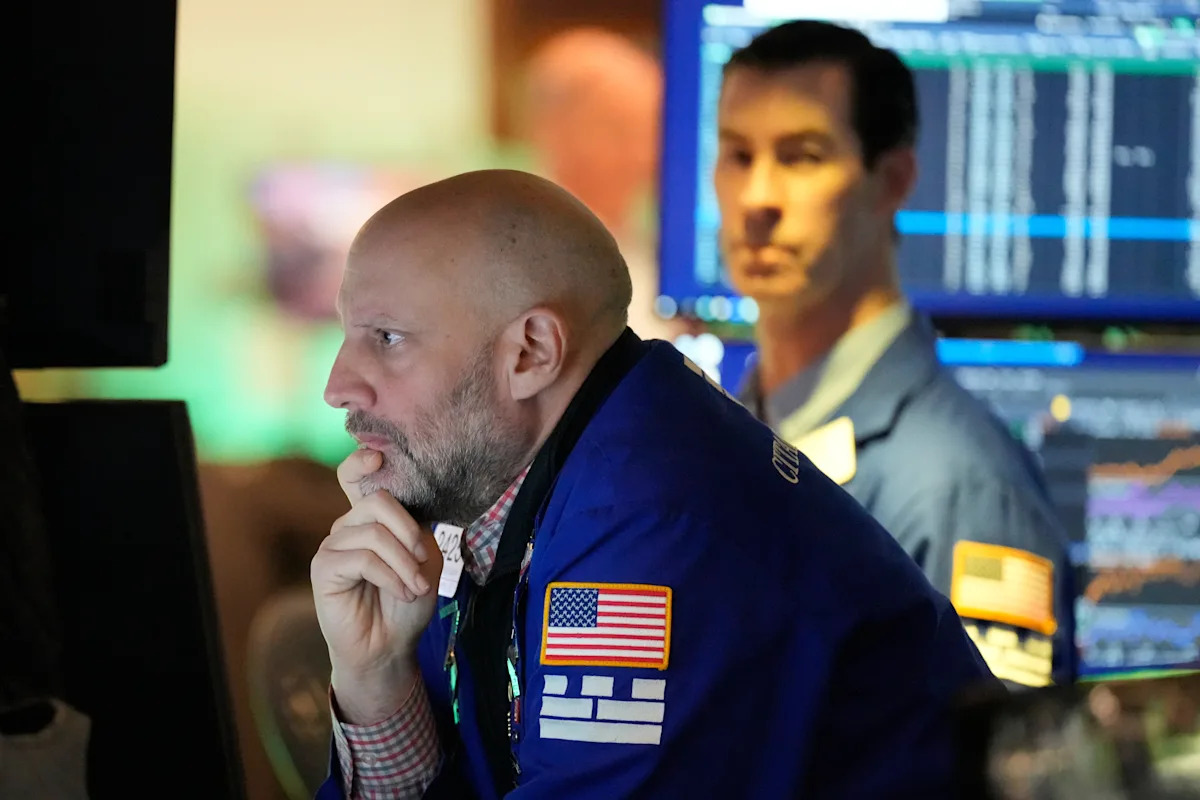
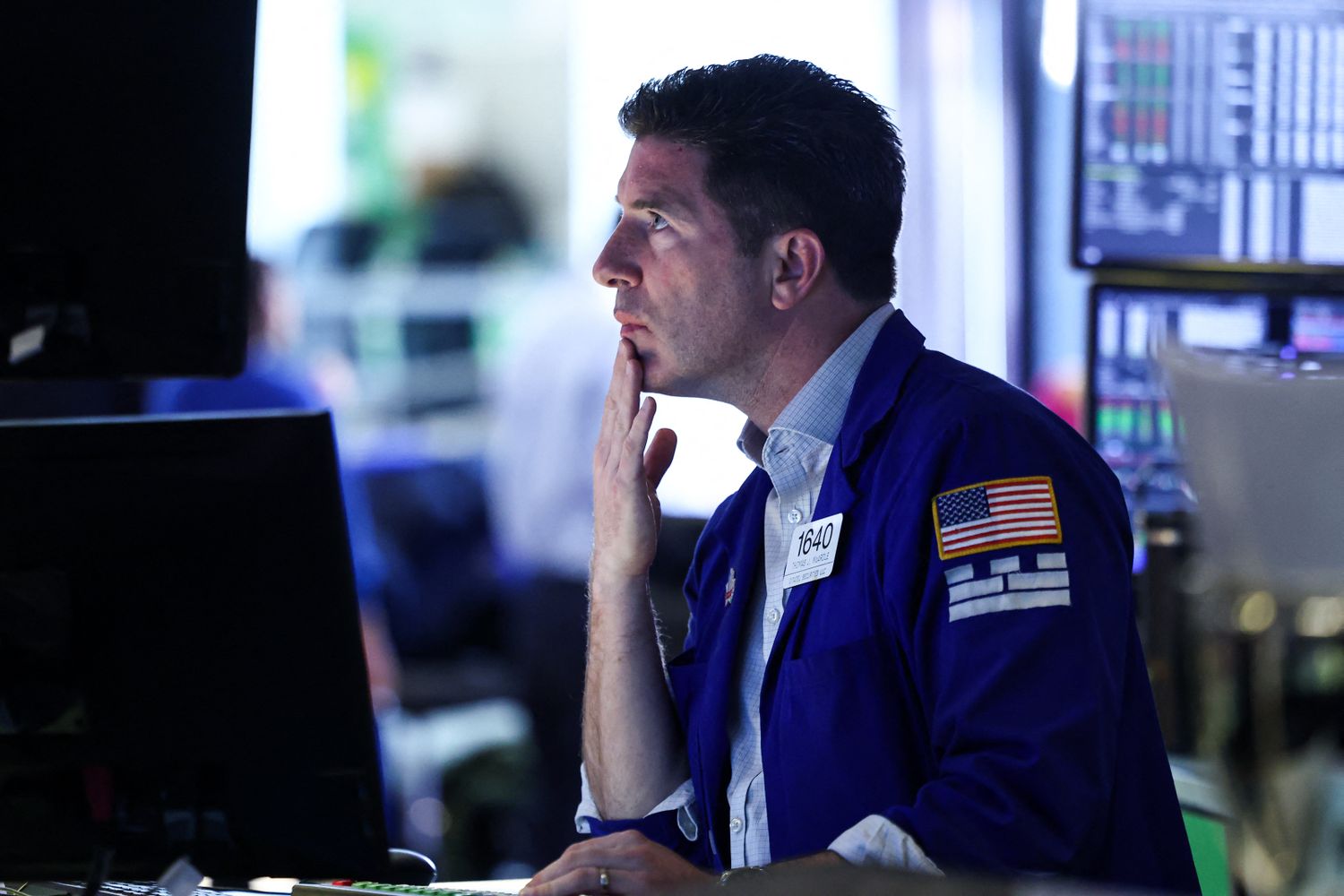
U.S. Market Performance: Major U.S. indices also saw declines, with the S&P 500 slipping 0.34%, the Dow down 0.8%, and the Nasdaq Composite closing 1% lower, reflecting a broader market downturn.
Cryptocurrency Stability: Despite the stock market's volatility, the cryptocurrency market remained above $2.4 trillion, with Bitcoin trading around $68,000, indicating a degree of resilience amidst global market fluctuations.
Retail Sentiment Shift: Retail sentiment around cryptocurrencies has shifted, with Bitcoin perceived as a digital safe haven, while altcoins like Cardano, Dogecoin, and Ethereum faced losses, leading to a bearish outlook among retail investors.
Trade with 70% Backtested Accuracy
Analyst Views on SPY
About the author


Goldman Sachs Reports Bear Market Unlikely Amid Geopolitical Strains, AI Issues, and Elevated Valuations


Market Outlook: Peter Oppenheimer of Goldman Sachs highlights strong earnings growth in U.S. companies and emerging markets, suggesting potential for economic growth despite risks of a deeper bear market.
Investment Strategy: The analyst recommends diversified investments across geographies, factors, and sectors to improve risk-adjusted returns, viewing current correction risks as a buying opportunity.
Market Performance: U.S. equities have shown mixed performance, with the S&P 500 ETF declining slightly over the past month but edging up recently, while other ETFs like the Invesco QQQ Trust have seen gains.
Economic Concerns: Rising oil prices due to geopolitical tensions and inflation concerns are contributing to broader economic uncertainty, impacting market sentiment and retail investor outlook.

CBOE Volatility Index Decreases by 2.64 Points, Currently at 20.93
Volatility Index Update: The Volatility Index (VIX) has decreased by 2.64 points.
Previous Value Comparison: The last recorded value of the VIX was 20.93.
US-Israel Attacks on Iran Trigger $10.3M Cryptocurrency Withdrawal Amid 873% Surge in Iranian Exchange Outflows

Bitcoin Price Surge: Bitcoin's price rose over $71,000 amid ongoing geopolitical tensions, demonstrating resilience in the cryptocurrency market despite lower equity indices.
Increased Outflows from Iranian Exchanges: Following U.S.-Israel airstrikes on Iran, outflows from Iranian crypto exchanges surged to $10.3 million, with transaction volumes increasing significantly.
Shift to Self-Custodial Wallets: Many users are moving tokens from centralized exchanges to self-custodial wallets as a hedge against instability, reflecting a trend towards greater security and liquidity.
Market Reactions to Conflict: The cryptocurrency market has remained strong despite military conflicts, with analysts predicting an inevitable shift towards on-chain finance as a response to rising tensions.
KOSPI, S&P 500, and Gold Decline Amid US-Iran Tensions, While Bitcoin Remains Steady at $68K
KOSPI Market Drop: The Korea Composite Stock Price Index (KOSPI) experienced its worst single-day drop in two years, falling over 10% during Asian trading hours amid escalating military tensions involving the U.S., Israel, and Iran.
U.S. Market Performance: Major U.S. indices also saw declines, with the S&P 500 slipping 0.34%, the Dow down 0.8%, and the Nasdaq Composite closing 1% lower, reflecting a broader market downturn.
Cryptocurrency Stability: Despite the stock market's volatility, the cryptocurrency market remained above $2.4 trillion, with Bitcoin trading around $68,000, indicating a degree of resilience amidst global market fluctuations.
Retail Sentiment Shift: Retail sentiment around cryptocurrencies has shifted, with Bitcoin perceived as a digital safe haven, while altcoins like Cardano, Dogecoin, and Ethereum faced losses, leading to a bearish outlook among retail investors.

Three Strategies to Capitalize on the Iran Crisis Using Options

- Opportunities in Crisis: Every crisis presents three distinct opportunities for growth and improvement.
- Adaptation and Innovation: Crises can drive individuals and organizations to adapt and innovate in ways they may not have considered before.
- Strengthening Relationships: Difficult times often lead to stronger relationships and collaboration among teams and communities.
- Learning and Resilience: Crises provide valuable lessons that can enhance resilience and preparedness for future challenges.
Trump Unveils Insurance and Military Protection for Ships as US-Israel-Iran Conflict Intensifies
Trump's Announcement: President Donald Trump announced that the U.S. Development Finance Corporation will provide risk insurance and military escorts for all shipping lines, particularly those involved in energy trade, traveling through the Gulf.
Market Reactions: Following Trump's announcement, oil prices experienced a slight increase, while stock markets continued to trade in the red, reflecting ongoing concerns about geopolitical tensions and inflation.
War Risk Insurance: The announcement comes amid global maritime insurance mutuals withdrawing coverage for vessels entering the Persian Gulf due to rising war risks, highlighting the impact of Middle Eastern conflicts on energy prices.
Commitment to Energy Flow: Trump emphasized the U.S. commitment to ensuring the free flow of energy to the world, indicating that further actions are being considered to address the situation.
Goldman Sachs Reports Bear Market Unlikely Amid Geopolitical Strains, AI Issues, and Elevated Valuations
Market Outlook: Peter Oppenheimer of Goldman Sachs highlights strong earnings growth in U.S. companies and emerging markets, suggesting potential for economic growth despite risks of a deeper bear market.
Investment Strategy: The analyst recommends diversified investments across geographies, factors, and sectors to improve risk-adjusted returns, viewing current correction risks as a buying opportunity.
Market Performance: U.S. equities have shown mixed performance, with the S&P 500 ETF declining slightly over the past month but edging up recently, while other ETFs like the Invesco QQQ Trust have seen gains.
Economic Concerns: Rising oil prices due to geopolitical tensions and inflation concerns are contributing to broader economic uncertainty, impacting market sentiment and retail investor outlook.
CBOE Volatility Index Decreases by 2.64 Points, Currently at 20.93
Volatility Index Update: The Volatility Index (VIX) has decreased by 2.64 points.
Previous Value Comparison: The last recorded value of the VIX was 20.93.
US-Israel Attacks on Iran Trigger $10.3M Cryptocurrency Withdrawal Amid 873% Surge in Iranian Exchange Outflows
Bitcoin Price Surge: Bitcoin's price rose over $71,000 amid ongoing geopolitical tensions, demonstrating resilience in the cryptocurrency market despite lower equity indices.
Increased Outflows from Iranian Exchanges: Following U.S.-Israel airstrikes on Iran, outflows from Iranian crypto exchanges surged to $10.3 million, with transaction volumes increasing significantly.
Shift to Self-Custodial Wallets: Many users are moving tokens from centralized exchanges to self-custodial wallets as a hedge against instability, reflecting a trend towards greater security and liquidity.
Market Reactions to Conflict: The cryptocurrency market has remained strong despite military conflicts, with analysts predicting an inevitable shift towards on-chain finance as a response to rising tensions.
KOSPI, S&P 500, and Gold Decline Amid US-Iran Tensions, While Bitcoin Remains Steady at $68K
KOSPI Market Drop: The Korea Composite Stock Price Index (KOSPI) experienced its worst single-day drop in two years, falling over 10% during Asian trading hours amid escalating military tensions involving the U.S., Israel, and Iran.
U.S. Market Performance: Major U.S. indices also saw declines, with the S&P 500 slipping 0.34%, the Dow down 0.8%, and the Nasdaq Composite closing 1% lower, reflecting a broader market downturn.
Cryptocurrency Stability: Despite the stock market's volatility, the cryptocurrency market remained above $2.4 trillion, with Bitcoin trading around $68,000, indicating a degree of resilience amidst global market fluctuations.
Retail Sentiment Shift: Retail sentiment around cryptocurrencies has shifted, with Bitcoin perceived as a digital safe haven, while altcoins like Cardano, Dogecoin, and Ethereum faced losses, leading to a bearish outlook among retail investors.
Three Strategies to Capitalize on the Iran Crisis Using Options
- Opportunities in Crisis: Every crisis presents three distinct opportunities for growth and improvement.
- Adaptation and Innovation: Crises can drive individuals and organizations to adapt and innovate in ways they may not have considered before.
- Strengthening Relationships: Difficult times often lead to stronger relationships and collaboration among teams and communities.
- Learning and Resilience: Crises provide valuable lessons that can enhance resilience and preparedness for future challenges.
Trump Unveils Insurance and Military Protection for Ships as US-Israel-Iran Conflict Intensifies
Trump's Announcement: President Donald Trump announced that the U.S. Development Finance Corporation will provide risk insurance and military escorts for all shipping lines, particularly those involved in energy trade, traveling through the Gulf.
Market Reactions: Following Trump's announcement, oil prices experienced a slight increase, while stock markets continued to trade in the red, reflecting ongoing concerns about geopolitical tensions and inflation.
War Risk Insurance: The announcement comes amid global maritime insurance mutuals withdrawing coverage for vessels entering the Persian Gulf due to rising war risks, highlighting the impact of Middle Eastern conflicts on energy prices.
Commitment to Energy Flow: Trump emphasized the U.S. commitment to ensuring the free flow of energy to the world, indicating that further actions are being considered to address the situation.