Kohl's Q4 2025 Earnings Call Insights
Written by Emily J. Thompson, Senior Investment Analyst
Updated: Mar 11 2026
0mins
Should l Buy KSS?
Source: seekingalpha
- Sales Performance Review: Kohl's reported a 2.8% decline in comparable sales for Q4 2025, primarily due to severe weather and inventory allocation issues; however, strong inventory management and expense control led to diluted earnings per share of $1.07, surpassing last year's figures.
- Brand Performance Highlights: The company achieved an 8% growth in juniors apparel and a 26% increase in the women's Batiste category, with accessories, particularly the Impulse initiative, showing over a 40% year-over-year sales increase, indicating early success in brand expansion strategies.
- Strong Financial Position: By the end of 2025, Kohl's reported $674 million in cash and cash equivalents, an increase of $540 million from 2024, while inventory decreased by approximately 7% year-over-year, reflecting solid liquidity and inventory control capabilities.
- Cautious Future Outlook: The company anticipates a 2% decline to flat net sales for 2026, with operating margins projected between 2.8% and 3.4%; although management expresses cautious optimism about the impact of new initiatives, they emphasize the need for time to realize sales growth.
Trade with 70% Backtested Accuracy
Stop guessing "Should I Buy KSS?" and start using high-conviction signals backed by rigorous historical data.
Sign up today to access powerful investing tools and make smarter, data-driven decisions.
Analyst Views on KSS
Wall Street analysts forecast KSS stock price to rise
13 Analyst Rating
1 Buy
7 Hold
5 Sell
Moderate Sell
Current: 12.880

Low
7.00
Averages
19.58
High
25.00
Current: 12.880
Low
7.00
Averages
19.58
High
25.00
About KSS
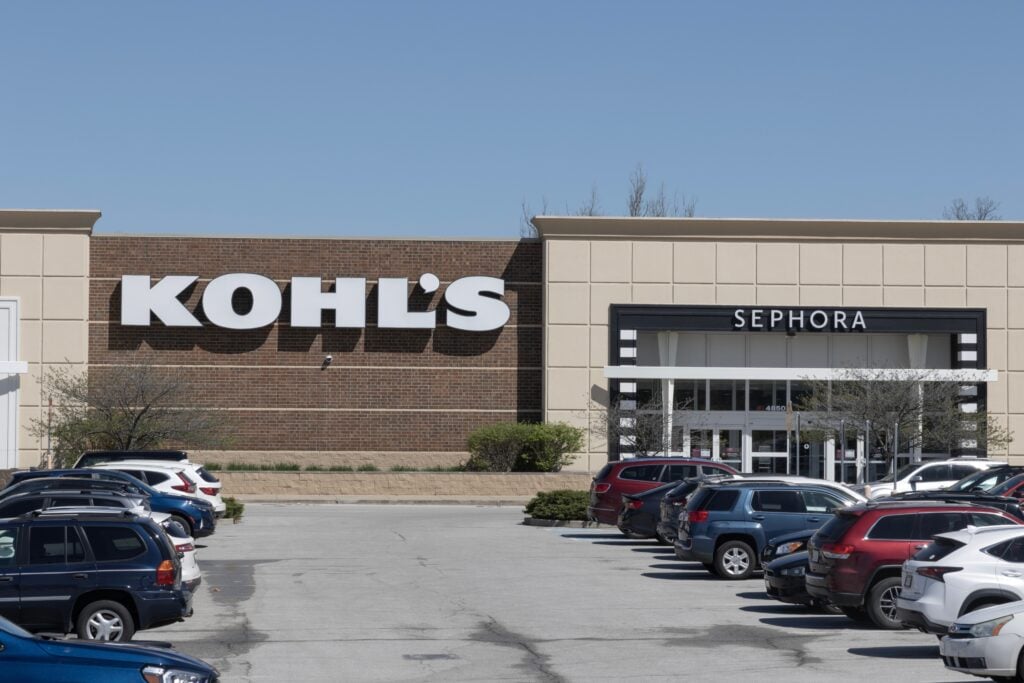
Kohl's Corporation is an omnichannel retailer. The Company operates approximately 1,100 stores and a Website www.Kohls.com. The Company’s Kohl's stores and Website sell private and national brand apparel, footwear, accessories, beauty, and home products. The Company’s Kohl's stores generally carry a consistent merchandise assortment with some differences attributable to local preferences, store size, and Sephora at Kohl's shop-in-shops (Sephora shops). Its Website includes merchandise, which is available in the Company’s stores, as well as merchandise that is available only online. Its merchandise mix includes both national brands and private brands that are available only at Kohl's. Its private portfolio includes established brands such as Apt. 9, Croft & Barrow, Jumping Beans, SO, Sonoma Goods for Life, and Tek Gear, and nationally recognized brands such as LC Lauren Conrad, Nine West, and Simply Vera Vera Wang.
About the author

Emily J. Thompson
Emily J. Thompson, a Chartered Financial Analyst (CFA) with 12 years in investment research, graduated with honors from the Wharton School. Specializing in industrial and technology stocks, she provides in-depth analysis for Intellectia’s earnings and market brief reports.

Kohl's Shares Decline as Earnings Miss Expectations

- Earnings Report Insight: Kohl's reported adjusted earnings of $1.07 per share for Q4 2025, surpassing the market expectation of $0.86, yet net sales of $4.97 billion fell short of the $5.02 billion forecast, indicating a struggle to balance profitability with declining sales.
- Ongoing Sales Decline: The company's year-over-year sales dropped by 3.9%, with comparable sales down 2.8%, and guidance for 2026 suggests a further 2% decline in net sales, marking the fifth consecutive year of decreasing same-store sales, highlighting the challenges in its turnaround efforts.
- Store Strategy Adjustment: Management has ruled out further store closures in the near term, with CEO Michael Bender emphasizing a focus on optimizing existing store productivity, indicating a strategy aimed at enhancing efficiency to counteract sales challenges.
- E-commerce and Physical Store Synergy: Kohl's e-commerce platform accounted for 35% of Q4 sales, and over 90% of its 1,150 physical locations remain profitable, underscoring the critical role of brick-and-mortar stores in supporting its online business, with future plans likely involving improved inventory management and value positioning to drive transformation.
See More

Kohl's Q4 Earnings Pullback Signals Ongoing Turnaround Challenges
- Earnings Decline: Kohl's reported adjusted earnings of $1.07 per share for Q4 2025, surpassing the expected $0.86, yet net sales of $4.97 billion fell short of the $5.02 billion forecast, indicating ongoing challenges in sales recovery.
- Sales Drop: Year-over-year, Kohl's sales decreased by 3.9%, with comparable sales down 2.8%, and the guidance for 2026 suggests a further 2% decline in net sales, marking the fifth consecutive year of declining same-store sales and highlighting the difficulties in its turnaround efforts.
- Store Optimization Strategy: Despite the sales pressures, CEO Michael Bender emphasized a focus on optimizing existing store productivity rather than closing stores in the near term, indicating management's intent to enhance performance through existing assets.
- E-commerce and Physical Store Synergy: With 35% of Q4 sales coming from e-commerce and over 90% of its 1,150 physical locations remaining profitable, Kohl's demonstrates a commitment to leveraging the synergy between online and brick-and-mortar operations, suggesting potential adjustments to store strategies in response to market dynamics.
See More
Disney's New CEO Takes Office


- New CEO Appointment: Josh D'Amaro officially takes over as Disney's CEO today, succeeding Bob Iger, marking a significant leadership change that could influence the company's strategic direction and market performance.
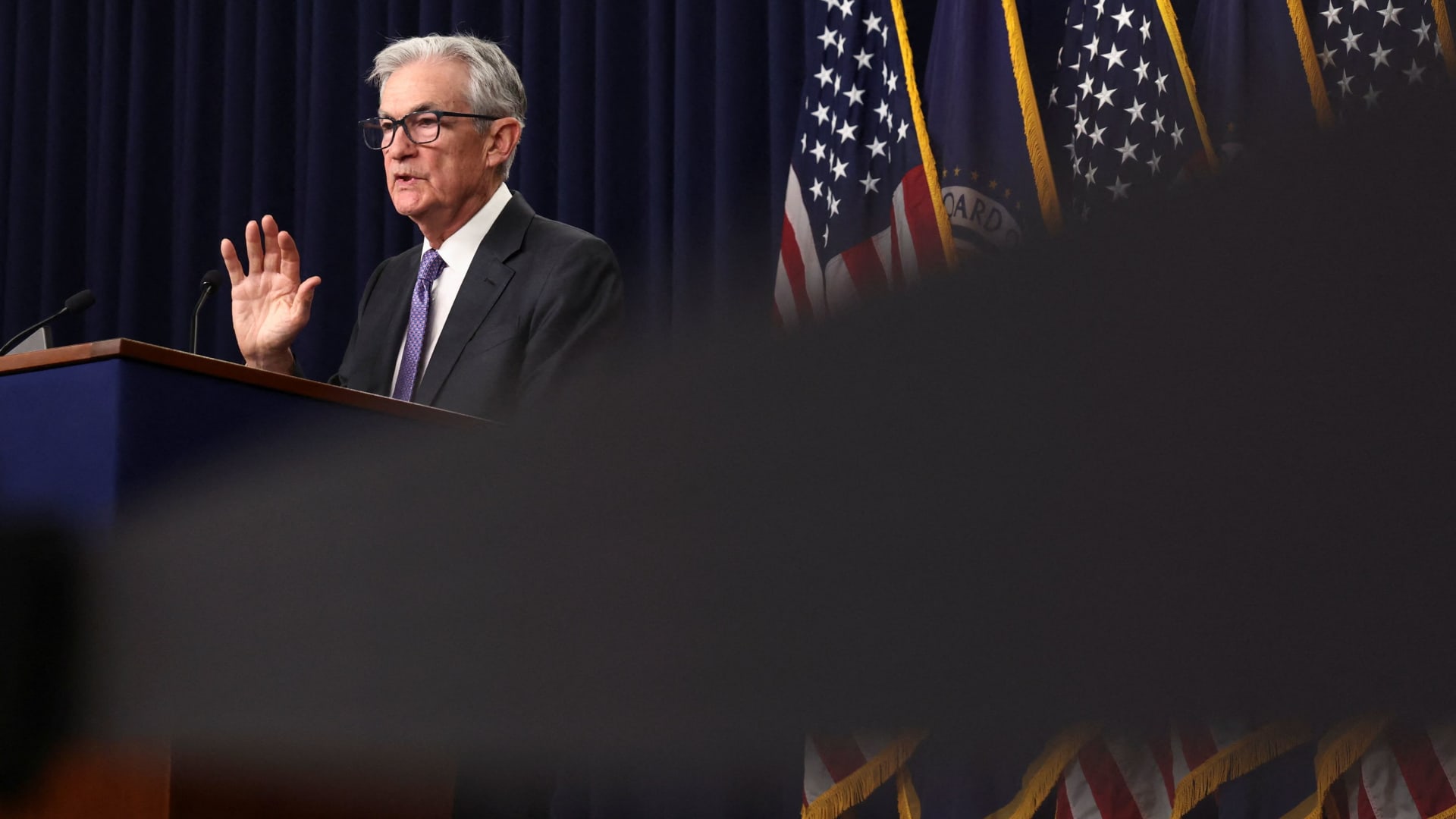
- Fed Policy Expectations: Federal Reserve Chair Jerome Powell is set to hold a press conference, with markets largely expecting interest rates to remain between 3.5% and 3.75%, as inflation and labor market uncertainties complicate future policy decisions.
- Macy's Sales Warning: Despite Macy's fourth-quarter results beating expectations and a 9% stock price increase, the company has issued a cautious outlook for the fiscal year, forecasting lower sales and earnings per share than last year, indicating a wary stance towards market conditions.
- Rising Oil Prices Impact: Brent crude prices rose 3.2%, surpassing $103 per barrel, pushing U.S. diesel prices above $5 for the first time, reflecting the ongoing impact of the Iran conflict on energy markets.
See More

Ulta Beauty's Earnings Decline is Temporary; Our Positive Outlook Stays Strong.

Quarterly Results Reaction: Ulta Beauty's fiscal fourth quarter results have received a negative response from Wall Street despite positive aspects of the quarter and the stock.
Positive Aspects: There are several favorable elements in Ulta's quarterly performance that may indicate potential for growth and investment opportunities.
See More

Kohl's Q4 Sales Miss Expectations, Decline Slows
- Sales Performance Decline: Kohl's Q4 sales fell short of market expectations, although the pace of decline has slowed, indicating challenges the company faces in a competitive retail environment.
- Analyst Price Target Cut: Analysts have reduced Kohl's price target due to lowered sales and earnings forecasts, reflecting a cautious outlook on the company's future performance, which may impact investor confidence.
- Pessimistic Future Outlook: Analysts predict continued declines in Kohl's future sales and earnings, raising concerns about the company's long-term growth potential, which could negatively affect stock performance.
- Intensifying Market Competition: Amidst increasing competition in the retail sector, Kohl's must implement effective strategies to address sales declines, maintain market share, and improve financial performance.
See More
Kohl's Reports Strong Q4 Results, Issues FY2026 Guidance
- Earnings Beat: Kohl's reported Q4 earnings of $1.07 per share, surpassing the analyst consensus of $0.85, indicating effective financial management and boosting investor confidence.
- Sales Growth: The company achieved quarterly sales of $5.173 billion, exceeding the analyst estimate of $5.032 billion, demonstrating Kohl's strong market performance and enhancing its market share.
- FY2026 Outlook: Kohl's expects FY2026 net sales to range from $15.216 billion to $15.527 billion, above the analyst consensus of $14.845 billion, reflecting the company's confidence in future market conditions.
- Analyst Rating Adjustments: Following the earnings announcement, several analysts lowered their price targets for Kohl's, with Baird reducing its target from $24 to $20, indicating a cautious outlook on the company's future performance.
See More
Kohl's Shares Decline as Earnings Miss Expectations
- Earnings Report Insight: Kohl's reported adjusted earnings of $1.07 per share for Q4 2025, surpassing the market expectation of $0.86, yet net sales of $4.97 billion fell short of the $5.02 billion forecast, indicating a struggle to balance profitability with declining sales.
- Ongoing Sales Decline: The company's year-over-year sales dropped by 3.9%, with comparable sales down 2.8%, and guidance for 2026 suggests a further 2% decline in net sales, marking the fifth consecutive year of decreasing same-store sales, highlighting the challenges in its turnaround efforts.
- Store Strategy Adjustment: Management has ruled out further store closures in the near term, with CEO Michael Bender emphasizing a focus on optimizing existing store productivity, indicating a strategy aimed at enhancing efficiency to counteract sales challenges.
- E-commerce and Physical Store Synergy: Kohl's e-commerce platform accounted for 35% of Q4 sales, and over 90% of its 1,150 physical locations remain profitable, underscoring the critical role of brick-and-mortar stores in supporting its online business, with future plans likely involving improved inventory management and value positioning to drive transformation.
See More
Kohl's Q4 Earnings Pullback Signals Ongoing Turnaround Challenges
- Earnings Decline: Kohl's reported adjusted earnings of $1.07 per share for Q4 2025, surpassing the expected $0.86, yet net sales of $4.97 billion fell short of the $5.02 billion forecast, indicating ongoing challenges in sales recovery.
- Sales Drop: Year-over-year, Kohl's sales decreased by 3.9%, with comparable sales down 2.8%, and the guidance for 2026 suggests a further 2% decline in net sales, marking the fifth consecutive year of declining same-store sales and highlighting the difficulties in its turnaround efforts.
- Store Optimization Strategy: Despite the sales pressures, CEO Michael Bender emphasized a focus on optimizing existing store productivity rather than closing stores in the near term, indicating management's intent to enhance performance through existing assets.
- E-commerce and Physical Store Synergy: With 35% of Q4 sales coming from e-commerce and over 90% of its 1,150 physical locations remaining profitable, Kohl's demonstrates a commitment to leveraging the synergy between online and brick-and-mortar operations, suggesting potential adjustments to store strategies in response to market dynamics.
See More
Disney's New CEO Takes Office
- New CEO Appointment: Josh D'Amaro officially takes over as Disney's CEO today, succeeding Bob Iger, marking a significant leadership change that could influence the company's strategic direction and market performance.
- Fed Policy Expectations: Federal Reserve Chair Jerome Powell is set to hold a press conference, with markets largely expecting interest rates to remain between 3.5% and 3.75%, as inflation and labor market uncertainties complicate future policy decisions.
- Macy's Sales Warning: Despite Macy's fourth-quarter results beating expectations and a 9% stock price increase, the company has issued a cautious outlook for the fiscal year, forecasting lower sales and earnings per share than last year, indicating a wary stance towards market conditions.
- Rising Oil Prices Impact: Brent crude prices rose 3.2%, surpassing $103 per barrel, pushing U.S. diesel prices above $5 for the first time, reflecting the ongoing impact of the Iran conflict on energy markets.
See More
Ulta Beauty's Earnings Decline is Temporary; Our Positive Outlook Stays Strong.
Quarterly Results Reaction: Ulta Beauty's fiscal fourth quarter results have received a negative response from Wall Street despite positive aspects of the quarter and the stock.
Positive Aspects: There are several favorable elements in Ulta's quarterly performance that may indicate potential for growth and investment opportunities.
See More
Kohl's Q4 Sales Miss Expectations, Decline Slows
- Sales Performance Decline: Kohl's Q4 sales fell short of market expectations, although the pace of decline has slowed, indicating challenges the company faces in a competitive retail environment.
- Analyst Price Target Cut: Analysts have reduced Kohl's price target due to lowered sales and earnings forecasts, reflecting a cautious outlook on the company's future performance, which may impact investor confidence.
- Pessimistic Future Outlook: Analysts predict continued declines in Kohl's future sales and earnings, raising concerns about the company's long-term growth potential, which could negatively affect stock performance.
- Intensifying Market Competition: Amidst increasing competition in the retail sector, Kohl's must implement effective strategies to address sales declines, maintain market share, and improve financial performance.
See More
Kohl's Reports Strong Q4 Results, Issues FY2026 Guidance
- Earnings Beat: Kohl's reported Q4 earnings of $1.07 per share, surpassing the analyst consensus of $0.85, indicating effective financial management and boosting investor confidence.
- Sales Growth: The company achieved quarterly sales of $5.173 billion, exceeding the analyst estimate of $5.032 billion, demonstrating Kohl's strong market performance and enhancing its market share.
- FY2026 Outlook: Kohl's expects FY2026 net sales to range from $15.216 billion to $15.527 billion, above the analyst consensus of $14.845 billion, reflecting the company's confidence in future market conditions.
- Analyst Rating Adjustments: Following the earnings announcement, several analysts lowered their price targets for Kohl's, with Baird reducing its target from $24 to $20, indicating a cautious outlook on the company's future performance.
See More