KKR Plans to Sell CoolIT Systems for Over $3B
KKR is working on a sale of CoolIT Systems, hoping to fetch a price tag in excess of $3B, Oliver Barnes and Antoine Gara of The Financial Times reports, citing people familiar with the matter. This is a massive increase from the unit's $270M valuation when KKR bought a majority stake in 2023.
Trade with 70% Backtested Accuracy
Analyst Views on KKR

About KKR
About the author


Private Credit Market Faces Strain Amid Rising Risks

- Market Size and Risks: The private credit market has reached $3 trillion, but current signs of strain raise concerns about its impact on private equity, especially as private credit has become a key financing source for buyouts following banks' retreat.
- Tightening Financing Conditions: Approximately 80% of private equity leveraged buyouts are funded by private credit; however, rising borrowing costs and stricter covenant protections are making financing more expensive and restrictive, directly affecting new deals and cash flows for existing portfolio companies.
- Decline in Investment Activity: Global private equity buyout activity declined 14% year-on-year in the first quarter, primarily due to geopolitical uncertainty and stress in the private credit market, creating a more challenging environment for investors.
- Structural Weaknesses Exposed: The current credit stress is exposing structural weaknesses in the private market model, leading investors to question the fundamental premise of high yields at low risk in private credit, which may result in more cautious future investment decisions.

GMR Solutions Inc. Announces J.P. Morgan, KKR, BofA Securities, and Barclays as Underwriters for IPO Filing

Financial Institutions Involved: J.P. Morgan, KKR, and Barclays are mentioned as key players in the financial sector.
Underwriting Role: These institutions are acting as underwriters for a specific financial filing.

GMR Solutions Inc: KKR, Ares, and HPS Funds Anticipated to Acquire Private Placement Warrants in Simultaneous Transaction - SEC Filing
Private Placement Warrants: GMR Solutions Inc. is expected to purchase private placement warrants as part of a concurrent deal.
SEC Filing: The transaction is associated with a filing with the Securities and Exchange Commission (SEC).
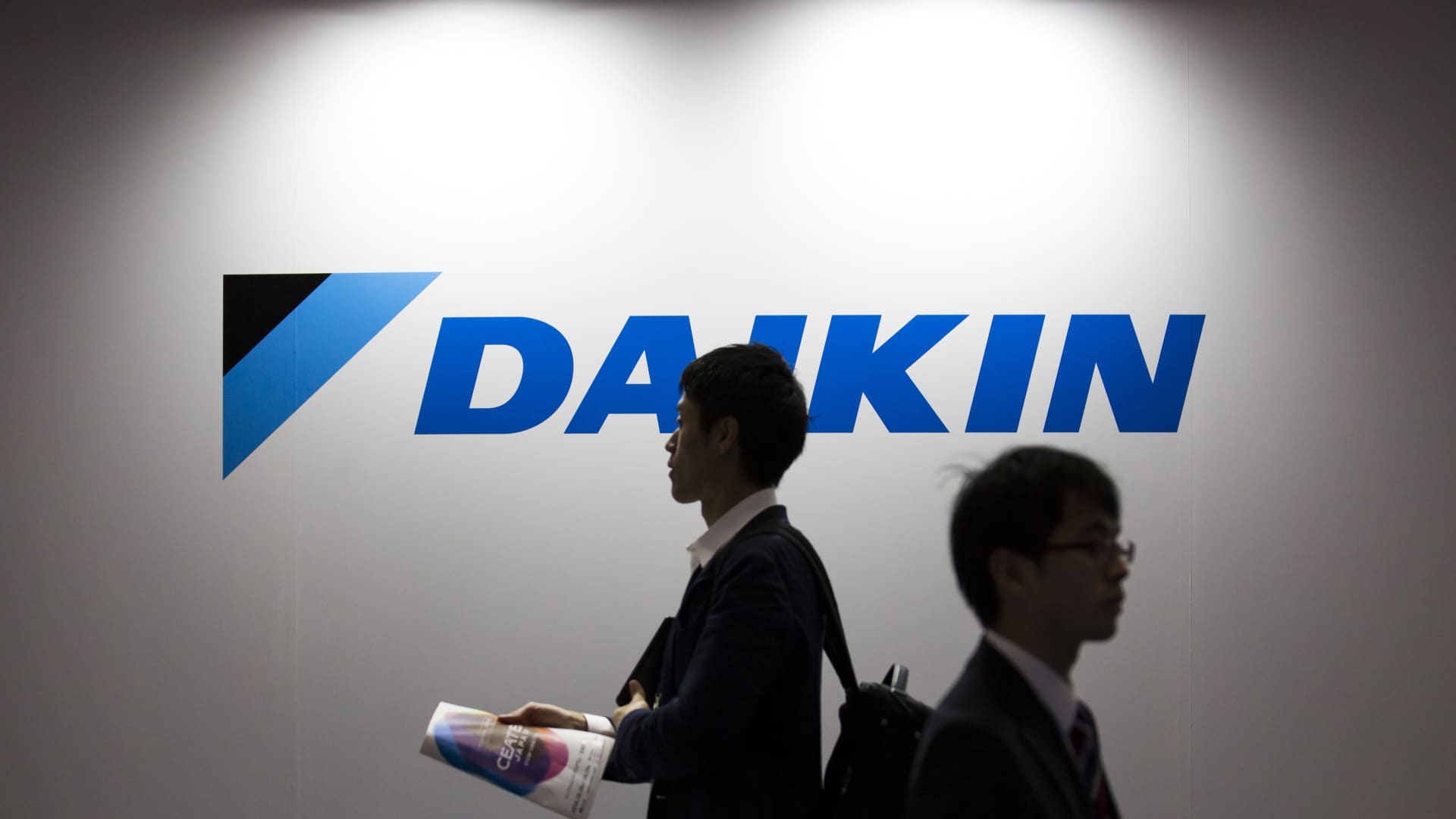
Daikin Industries Shares Surge After Elliott Investment Management's Support
- Significant Stock Surge: Daikin Industries' shares soared by as much as 13.9% on Thursday, later stabilizing at around 11%, primarily driven by activist investor Elliott Investment Management's commitment to collaborate with the company to enhance performance and close the valuation gap with peers.
- Investor Confidence Boost: Elliott's substantial investment reflects a belief that Daikin's market-leading businesses and impressive long-term growth track record are significantly undervalued, which is expected to drive the company to implement concrete measures to improve margins and shareholder returns.
- Management Plan Opportunity: The upcoming medium-term management plan presents a crucial opportunity for Daikin to address the root causes of its undervaluation, with Elliott emphasizing a review of non-core business portfolios to optimize resource allocation and enhance overall competitiveness.
- Growing Market Demand: With the acceleration of data center construction and prolonged heatwaves increasing demand for HVAC systems among households and commercial users, Daikin, as an industry giant, is positioned favorably in a robust market, despite its stock showing little change earlier this year.

Samsung SDS Shares Surge 21.3% Following KKR Investment
- Significant Investment: KKR's agreement to invest 1.22 trillion won (approximately $820 million) in newly issued convertible bonds from Samsung SDS led to a 21.3% surge in the company's shares on Wednesday, reflecting strong market confidence in its growth potential.
- Rising AI Infrastructure Demand: In response to increasing demand for AI services, Samsung SDS plans to utilize this investment to enhance its infrastructure and capabilities, particularly in end-to-end AI transformation services, thereby reinforcing its competitive position in the market.
- Broad Strategic Collaboration: Samsung SDS President and CEO Jun Hee Lee stated that the strategic collaboration with KKR will actively explore various growth opportunities, including M&A, leveraging KKR's expertise in global capital markets to drive business development.
- Enhanced Market Confidence: KKR Partner Chung Ho Park emphasized that the growing demand for digital transformation and AI solutions strongly supports Samsung SDS's market leadership and growth potential in advancing Korea's digital capabilities and infrastructure.

KKR Partners with Samsung SDS for Strategic Growth
- Strategic Partnership: KKR and Samsung SDS have formed a strategic partnership aimed at supporting Samsung SDS's next growth phase, focusing on driving both organic and inorganic growth strategies to enhance long-term value creation.
- Investment Amount: Funds managed by KKR have entered into agreements to acquire KRW 1.22 trillion (approximately $820 million) of newly issued convertible bonds from Samsung SDS, which will be used to strengthen infrastructure and capabilities.
- Advisory Role: KKR will actively serve as an advisor on mergers and acquisitions, capital allocation, and global strategic growth opportunities, working closely with Samsung SDS's management team to expand its role as a full-stack AI solutions provider.
- Market Reaction: Samsung SDS's stock price surged by 17.28% to KRW 177,700, reflecting positive market sentiment regarding the partnership and reinforcing its competitive position in end-to-end AI transformation services.
Private Credit Market Faces Strain Amid Rising Risks
- Market Size and Risks: The private credit market has reached $3 trillion, but current signs of strain raise concerns about its impact on private equity, especially as private credit has become a key financing source for buyouts following banks' retreat.
- Tightening Financing Conditions: Approximately 80% of private equity leveraged buyouts are funded by private credit; however, rising borrowing costs and stricter covenant protections are making financing more expensive and restrictive, directly affecting new deals and cash flows for existing portfolio companies.
- Decline in Investment Activity: Global private equity buyout activity declined 14% year-on-year in the first quarter, primarily due to geopolitical uncertainty and stress in the private credit market, creating a more challenging environment for investors.
- Structural Weaknesses Exposed: The current credit stress is exposing structural weaknesses in the private market model, leading investors to question the fundamental premise of high yields at low risk in private credit, which may result in more cautious future investment decisions.
GMR Solutions Inc. Announces J.P. Morgan, KKR, BofA Securities, and Barclays as Underwriters for IPO Filing
Financial Institutions Involved: J.P. Morgan, KKR, and Barclays are mentioned as key players in the financial sector.
Underwriting Role: These institutions are acting as underwriters for a specific financial filing.
GMR Solutions Inc: KKR, Ares, and HPS Funds Anticipated to Acquire Private Placement Warrants in Simultaneous Transaction - SEC Filing
Private Placement Warrants: GMR Solutions Inc. is expected to purchase private placement warrants as part of a concurrent deal.
SEC Filing: The transaction is associated with a filing with the Securities and Exchange Commission (SEC).
Daikin Industries Shares Surge After Elliott Investment Management's Support
- Significant Stock Surge: Daikin Industries' shares soared by as much as 13.9% on Thursday, later stabilizing at around 11%, primarily driven by activist investor Elliott Investment Management's commitment to collaborate with the company to enhance performance and close the valuation gap with peers.
- Investor Confidence Boost: Elliott's substantial investment reflects a belief that Daikin's market-leading businesses and impressive long-term growth track record are significantly undervalued, which is expected to drive the company to implement concrete measures to improve margins and shareholder returns.
- Management Plan Opportunity: The upcoming medium-term management plan presents a crucial opportunity for Daikin to address the root causes of its undervaluation, with Elliott emphasizing a review of non-core business portfolios to optimize resource allocation and enhance overall competitiveness.
- Growing Market Demand: With the acceleration of data center construction and prolonged heatwaves increasing demand for HVAC systems among households and commercial users, Daikin, as an industry giant, is positioned favorably in a robust market, despite its stock showing little change earlier this year.
Samsung SDS Shares Surge 21.3% Following KKR Investment
- Significant Investment: KKR's agreement to invest 1.22 trillion won (approximately $820 million) in newly issued convertible bonds from Samsung SDS led to a 21.3% surge in the company's shares on Wednesday, reflecting strong market confidence in its growth potential.
- Rising AI Infrastructure Demand: In response to increasing demand for AI services, Samsung SDS plans to utilize this investment to enhance its infrastructure and capabilities, particularly in end-to-end AI transformation services, thereby reinforcing its competitive position in the market.
- Broad Strategic Collaboration: Samsung SDS President and CEO Jun Hee Lee stated that the strategic collaboration with KKR will actively explore various growth opportunities, including M&A, leveraging KKR's expertise in global capital markets to drive business development.
- Enhanced Market Confidence: KKR Partner Chung Ho Park emphasized that the growing demand for digital transformation and AI solutions strongly supports Samsung SDS's market leadership and growth potential in advancing Korea's digital capabilities and infrastructure.
KKR Partners with Samsung SDS for Strategic Growth
- Strategic Partnership: KKR and Samsung SDS have formed a strategic partnership aimed at supporting Samsung SDS's next growth phase, focusing on driving both organic and inorganic growth strategies to enhance long-term value creation.
- Investment Amount: Funds managed by KKR have entered into agreements to acquire KRW 1.22 trillion (approximately $820 million) of newly issued convertible bonds from Samsung SDS, which will be used to strengthen infrastructure and capabilities.
- Advisory Role: KKR will actively serve as an advisor on mergers and acquisitions, capital allocation, and global strategic growth opportunities, working closely with Samsung SDS's management team to expand its role as a full-stack AI solutions provider.
- Market Reaction: Samsung SDS's stock price surged by 17.28% to KRW 177,700, reflecting positive market sentiment regarding the partnership and reinforcing its competitive position in end-to-end AI transformation services.