

KindlyMD enters partnership with Cigna Healthcare
Written by Emily J. Thompson, Senior Investment Analyst
Updated: Oct 29 2024
0mins
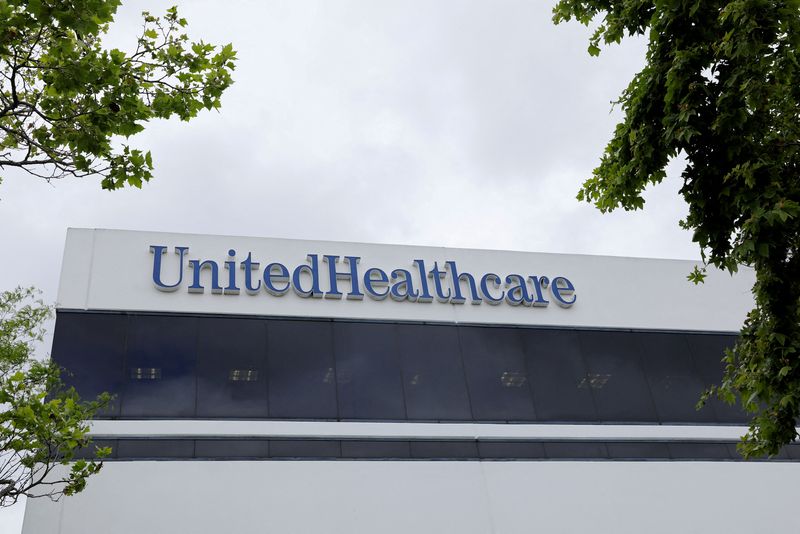
KindlyMD's New Contracts: KindlyMD has secured contracts with Cigna Healthcare, Blue Cross Blue Shield, and United Healthcare, enhancing its status as a leading alternative medical treatment provider in the state.
Focus on Behavioral Health: Cigna's approach emphasizes the integration of mental health services with primary care, aiming to provide comprehensive support tailored to individual needs.
Trade with 70% Backtested Accuracy
Stop guessing "Should I Buy CI?" and start using high-conviction signals backed by rigorous historical data.
Sign up today to access powerful investing tools and make smarter, data-driven decisions.
Analyst Views on CI
Wall Street analysts forecast CI stock price to rise
16 Analyst Rating
14 Buy
2 Hold
0 Sell
Strong Buy
Current: 279.270

Low
300.00
Averages
335.63
High
378.00
Current: 279.270
Low
300.00
Averages
335.63
High
378.00
About CI
The Cigna Group is a global health company. The Company has two segments: Evernorth Health Services and Cigna Healthcare. Evernorth Health Services includes its Pharmacy Benefit Services and Specialty and Care Services operating segments, which provide independent and coordinated health solutions and capabilities to enable the healthcare system to work better and help people live richer, healthier lives. Cigna Healthcare includes the U.S. Healthcare and International Health operating segments, which provide comprehensive medical and coordinated solutions to customers and clients. Its Other Operations include corporate-owned life insurance (COLI), the Company's run-off operations and other non-strategic businesses. Specialty and Care Services provides specialty drugs for the treatment of complex and rare diseases, specialty distribution of pharmaceuticals and medical supplies, as well as clinical programs to help the clients.
About the author

Emily J. Thompson
Emily J. Thompson, a Chartered Financial Analyst (CFA) with 12 years in investment research, graduated with honors from the Wharton School. Specializing in industrial and technology stocks, she provides in-depth analysis for Intellectia’s earnings and market brief reports.

Employers Plan to Cut GLP-1 Drug Coverage

- Employer Coverage Changes: According to the Business Group on Health, about 10% of employers plan to drop coverage for GLP-1 weight-loss drugs by 2027, despite 67% of large employers still covering them in 2026, which could lead to increased healthcare costs for employees.
- Rising Drug Demand: The introduction of oral options has significantly increased demand for GLP-1 drugs, particularly Wegovy and Foundayo, which can reduce weight by 11% and 14% respectively, attracting more patients who have never tried these medications, thereby raising employer costs.
- Insurance Policy Adjustments: Cigna ceased coverage for weight-loss medications for its employees in July, prompting them to seek discounted prices directly from drug manufacturers' websites, a shift that may influence future drug coverage policies.
- Market Cost Pressure: Despite a decrease in drug prices, the growing patient population continues to exert significant cost pressure on employers, with industry experts anticipating further reductions in GLP-1 coverage next year.
See More

Cigna: A Stable Cash-Generating Stock Amid Market Volatility
- Steady Earnings Growth: Cigna reported an adjusted EPS of $7.79 in Q1 and raised its full-year guidance to at least $30.35, marking the fifth consecutive quarter of EPS beats, which, while modest, reflects the company's consistent profitability.
- Supportive Buyback Program: With approximately $2.5 billion remaining on its $6 billion repurchase program, Cigna not only enhances shareholder returns but also supports its stock price, boosting market confidence in its stability.
- Attractive Valuation: Trading just above $290, Cigna's forward P/E ratio stands at about 9.5x, significantly lower than the S&P's current multiples, while offering a dividend yield of 2.2%, providing investors with a compelling income opportunity.
- Flexible Options Strategy: By selling the $280 cash-secured put, investors can earn around 2% in about six weeks; if assigned below $280, their effective cost basis drops to approximately $274, enhancing the investment's margin of safety.
See More

Oscar Health's 2026 Outlook Remains Optimistic

- Strong Start to 2026: CFO Scott Blackley stated that 2026 is off to a strong start with membership tracking as expected and May healthcare utilization performing better than anticipated, indicating resilience and potential growth opportunities for the company in the market.
- Financial Performance Exceeds Expectations: Oscar Health reported a first-quarter EPS of $2.07, surpassing the $1.10 estimate, while revenue reached $4.65 billion, although below the $4.92 billion forecast, with adjusted EBITDA hitting $727 million, showcasing enhanced profitability.
- Market Opportunities Amid Challenges: Despite expectations of a 20% to 30% contraction in the ACA market, Blackley highlighted competitor withdrawals as growth opportunities, particularly in overlapping markets, which could lead to increased market share by 2027.
- Investor Sentiment Extremely Bullish: According to Stocktwits, retail sentiment for OSCR is extremely bullish, with a 1,283% surge in message volume over 24 hours, reflecting strong market confidence in Oscar's future performance.
See More
Novo Nordisk and Eli Lilly Intensify Competition in Obesity Drug Market
- Prescription Milestone: Novo Nordisk announced that prescriptions for its Wegovy drug have surpassed 3 million in the U.S. market, indicating strong growth in the competitive GLP-1 drug market, even as Eli Lilly launched its own GLP-1 pill, Foundayo.
- New Medicare Opportunity: Starting in July, millions of Medicare beneficiaries will gain access to GLP-1 drugs for weight loss at $50 per month, significantly reducing the financial burden on patients and potentially boosting Wegovy's market share.
- New Drug Development Progress: At the conference, Lilly presented Phase 3 data for its experimental drug retatrutide, showing an average weight loss of 28% among patients, which could reshape the obesity treatment landscape, especially among individuals with higher BMIs.
- Future Product Strategy: Novo Nordisk plans to launch the CagriSema drug, although its efficacy has not surpassed Lilly's Zepbound, the company remains committed to diversifying its cardiometabolic health product line to address market competition and enhance its stock price.
See More
US Stocks Close Mixed: Dow Hits All-Time High


- Dow Hits Record High: The Dow Jones Industrial Average rose 1.73% to reach an all-time high, reflecting strong rebounds in bank and managed healthcare stocks, despite a 0.53% decline in the Nasdaq 100 due to weakness in technology stocks.
- Crude Oil Prices Decline: WTI crude oil prices fell over 3%, lowering inflation expectations and pushing the 10-year T-note yield down 2 basis points to 4.47%, providing support for both stock and bond markets, indicating a complex market reaction to economic outlooks.
- Jobless Claims Rise: Initial jobless claims in the US increased by 13,000 to 225,000, marking a 3.75-month high, suggesting a weaker labor market, although unit labor costs were unexpectedly revised down to 1.8%, easing concerns over wage pressures.
- Earnings Season Summary: As of Thursday, 83% of the 494 S&P 500 companies reported earnings that beat estimates, with Q1 earnings projected to rise 12% year-over-year, but excluding the tech sector, growth is only about 3%, the lowest in two years, reflecting divergence across industries.
See More
Dow Jones Hits All-Time High Amid Mixed Market Performance

- Dow Jones High: The Dow Jones Industrial Average surged 1.49% to reach a new all-time high, demonstrating market resilience driven by strong performance in managed healthcare stocks, despite overall market pressures.
- Tech Sector Decline: Broadcom's stock plummeted over 14% due to disappointing AI revenue forecasts, leading to a broader decline in chipmakers, while CrowdStrike fell more than 8% despite beating Q1 earnings expectations, reflecting market caution towards tech stocks.
- Mixed Economic Data: Initial jobless claims rose to 225,000, a 3.75-month high, indicating a weaker labor market, while Q1 nonfarm productivity was revised down to 0.3%, below expectations, potentially impacting future economic growth outlooks.
- Oil Price Impact: WTI crude oil prices fell over 3% amid a ceasefire agreement between Israel and Lebanon, which lowered inflation expectations and provided support for both stock and bond markets, improving investor sentiment.
See More
Employers Plan to Cut GLP-1 Drug Coverage
- Employer Coverage Changes: According to the Business Group on Health, about 10% of employers plan to drop coverage for GLP-1 weight-loss drugs by 2027, despite 67% of large employers still covering them in 2026, which could lead to increased healthcare costs for employees.
- Rising Drug Demand: The introduction of oral options has significantly increased demand for GLP-1 drugs, particularly Wegovy and Foundayo, which can reduce weight by 11% and 14% respectively, attracting more patients who have never tried these medications, thereby raising employer costs.
- Insurance Policy Adjustments: Cigna ceased coverage for weight-loss medications for its employees in July, prompting them to seek discounted prices directly from drug manufacturers' websites, a shift that may influence future drug coverage policies.
- Market Cost Pressure: Despite a decrease in drug prices, the growing patient population continues to exert significant cost pressure on employers, with industry experts anticipating further reductions in GLP-1 coverage next year.
See More
Cigna: A Stable Cash-Generating Stock Amid Market Volatility
- Steady Earnings Growth: Cigna reported an adjusted EPS of $7.79 in Q1 and raised its full-year guidance to at least $30.35, marking the fifth consecutive quarter of EPS beats, which, while modest, reflects the company's consistent profitability.
- Supportive Buyback Program: With approximately $2.5 billion remaining on its $6 billion repurchase program, Cigna not only enhances shareholder returns but also supports its stock price, boosting market confidence in its stability.
- Attractive Valuation: Trading just above $290, Cigna's forward P/E ratio stands at about 9.5x, significantly lower than the S&P's current multiples, while offering a dividend yield of 2.2%, providing investors with a compelling income opportunity.
- Flexible Options Strategy: By selling the $280 cash-secured put, investors can earn around 2% in about six weeks; if assigned below $280, their effective cost basis drops to approximately $274, enhancing the investment's margin of safety.
See More
Oscar Health's 2026 Outlook Remains Optimistic
- Strong Start to 2026: CFO Scott Blackley stated that 2026 is off to a strong start with membership tracking as expected and May healthcare utilization performing better than anticipated, indicating resilience and potential growth opportunities for the company in the market.
- Financial Performance Exceeds Expectations: Oscar Health reported a first-quarter EPS of $2.07, surpassing the $1.10 estimate, while revenue reached $4.65 billion, although below the $4.92 billion forecast, with adjusted EBITDA hitting $727 million, showcasing enhanced profitability.
- Market Opportunities Amid Challenges: Despite expectations of a 20% to 30% contraction in the ACA market, Blackley highlighted competitor withdrawals as growth opportunities, particularly in overlapping markets, which could lead to increased market share by 2027.
- Investor Sentiment Extremely Bullish: According to Stocktwits, retail sentiment for OSCR is extremely bullish, with a 1,283% surge in message volume over 24 hours, reflecting strong market confidence in Oscar's future performance.
See More
Novo Nordisk and Eli Lilly Intensify Competition in Obesity Drug Market
- Prescription Milestone: Novo Nordisk announced that prescriptions for its Wegovy drug have surpassed 3 million in the U.S. market, indicating strong growth in the competitive GLP-1 drug market, even as Eli Lilly launched its own GLP-1 pill, Foundayo.
- New Medicare Opportunity: Starting in July, millions of Medicare beneficiaries will gain access to GLP-1 drugs for weight loss at $50 per month, significantly reducing the financial burden on patients and potentially boosting Wegovy's market share.
- New Drug Development Progress: At the conference, Lilly presented Phase 3 data for its experimental drug retatrutide, showing an average weight loss of 28% among patients, which could reshape the obesity treatment landscape, especially among individuals with higher BMIs.
- Future Product Strategy: Novo Nordisk plans to launch the CagriSema drug, although its efficacy has not surpassed Lilly's Zepbound, the company remains committed to diversifying its cardiometabolic health product line to address market competition and enhance its stock price.
See More
US Stocks Close Mixed: Dow Hits All-Time High
- Dow Hits Record High: The Dow Jones Industrial Average rose 1.73% to reach an all-time high, reflecting strong rebounds in bank and managed healthcare stocks, despite a 0.53% decline in the Nasdaq 100 due to weakness in technology stocks.
- Crude Oil Prices Decline: WTI crude oil prices fell over 3%, lowering inflation expectations and pushing the 10-year T-note yield down 2 basis points to 4.47%, providing support for both stock and bond markets, indicating a complex market reaction to economic outlooks.
- Jobless Claims Rise: Initial jobless claims in the US increased by 13,000 to 225,000, marking a 3.75-month high, suggesting a weaker labor market, although unit labor costs were unexpectedly revised down to 1.8%, easing concerns over wage pressures.
- Earnings Season Summary: As of Thursday, 83% of the 494 S&P 500 companies reported earnings that beat estimates, with Q1 earnings projected to rise 12% year-over-year, but excluding the tech sector, growth is only about 3%, the lowest in two years, reflecting divergence across industries.
See More
Dow Jones Hits All-Time High Amid Mixed Market Performance
- Dow Jones High: The Dow Jones Industrial Average surged 1.49% to reach a new all-time high, demonstrating market resilience driven by strong performance in managed healthcare stocks, despite overall market pressures.
- Tech Sector Decline: Broadcom's stock plummeted over 14% due to disappointing AI revenue forecasts, leading to a broader decline in chipmakers, while CrowdStrike fell more than 8% despite beating Q1 earnings expectations, reflecting market caution towards tech stocks.
- Mixed Economic Data: Initial jobless claims rose to 225,000, a 3.75-month high, indicating a weaker labor market, while Q1 nonfarm productivity was revised down to 0.3%, below expectations, potentially impacting future economic growth outlooks.
- Oil Price Impact: WTI crude oil prices fell over 3% amid a ceasefire agreement between Israel and Lebanon, which lowered inflation expectations and provided support for both stock and bond markets, improving investor sentiment.
See More




