Key Highlights from Nvidia's GTC Conference
Written by Emily J. Thompson, Senior Investment Analyst
Updated: Mar 17 2026
0mins

Source: CNBC
- Nvidia Chip Launch: Jensen Huang unveiled a new AI inference chip at the GTC conference, which is expected to enhance the company's market share in personal AI agents, potentially leading to significantly lower sales forecasts from Wall Street.
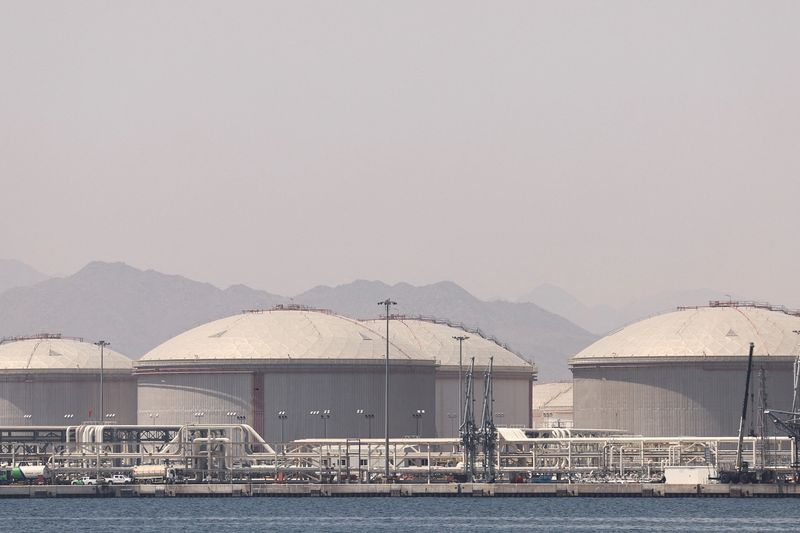
- Oil Price Impact: Despite WTI crude oil prices rising 2% to over $95 per barrel, stock futures are up, indicating market resilience to energy price fluctuations and possibly reflecting investor optimism about economic recovery.
- Honeywell Financial Outlook: Honeywell's CEO indicated a slight revenue hit in Q1 due to the Iran war, but maintained the full-year guidance, demonstrating the company's stability and resilience in the face of external challenges.
- HSBC Downgrades Eli Lilly: Analysts downgraded Eli Lilly from hold to sell, reflecting cautious sentiment regarding medium-term sales forecasts for the GLP-1 market, despite the upcoming obesity pill launch, highlighting the intense competition in the market.
Trade with 70% Backtested Accuracy
Stop guessing "Should I Buy NVDA?" and start using high-conviction signals backed by rigorous historical data.
Sign up today to access powerful investing tools and make smarter, data-driven decisions.
Analyst Views on NVDA
Wall Street analysts forecast NVDA stock price to rise
41 Analyst Rating
39 Buy
1 Hold
1 Sell
Strong Buy
Current: 219.510

Low
200.00
Averages
264.97
High
352.00
Current: 219.510
Low
200.00
Averages
264.97
High
352.00
About NVDA
NVIDIA Corporation is an artificial intelligence (AI) infrastructure company. The Company is engaged in accelerated computing to help solve the challenging computational problems. Its segments include Compute & Networking and Graphics. The Compute & Networking segment includes its Data Center accelerated computing and networking platforms and AI solutions and software, and automotive platforms and autonomous and electric vehicle solutions, including software. The Graphics segment includes GeForce GPUs for gaming and personal computers (PCs), and Quadro/NVIDIA RTX GPUs for enterprise workstation graphics. Its technology stack includes the foundational NVIDIA CUDA development platform that runs on all NVIDIA GPUs, as well as hundreds of domain-specific software libraries, frameworks, algorithms, software development kits (SDKs), and application programming interfaces (APIs). Its platforms address four markets, which include Data Center, Gaming, Professional Visualization, and Automotive.
About the author

Emily J. Thompson
Emily J. Thompson, a Chartered Financial Analyst (CFA) with 12 years in investment research, graduated with honors from the Wharton School. Specializing in industrial and technology stocks, she provides in-depth analysis for Intellectia’s earnings and market brief reports.
Nvidia Announces $80 Billion Stock Buyback Amid AI Growth

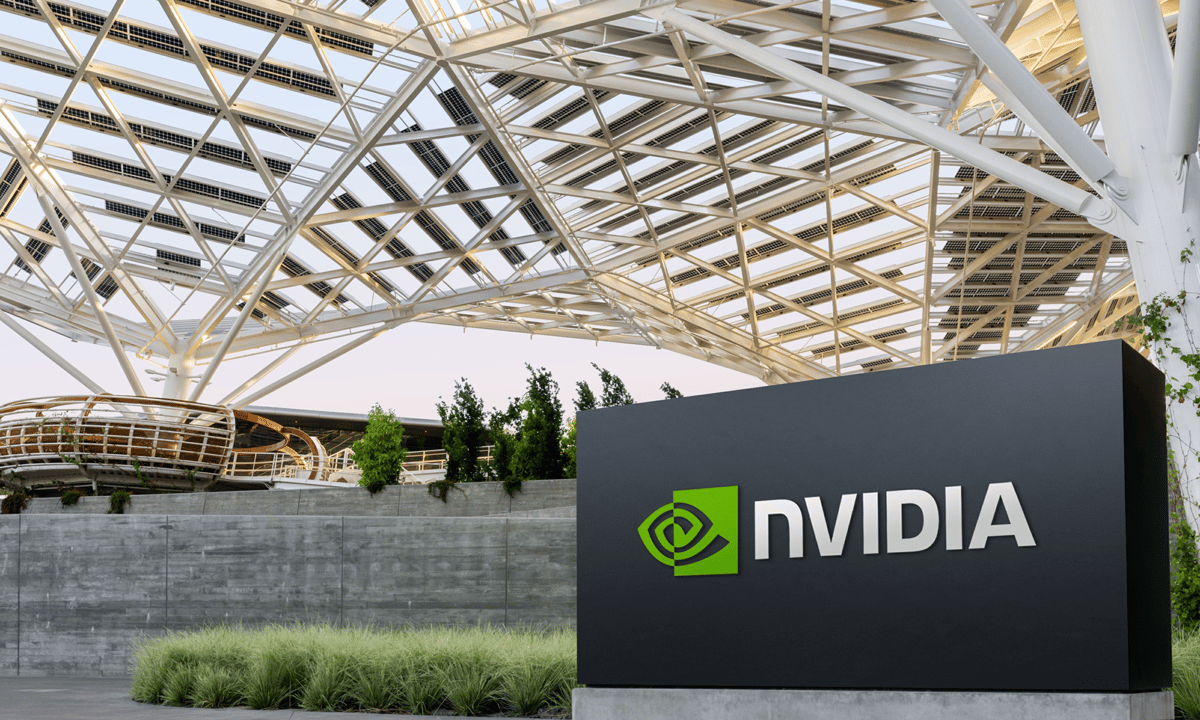
- Earnings Beat: Nvidia's first-quarter results exceeded Wall Street expectations, showcasing robust growth in its data center business amid accelerating AI infrastructure investments, which reflects management's confidence in future revenue and profit expansion.
- Massive Buyback Authorization: The board approved an additional $80 billion stock repurchase program, indicating management's belief that the current stock price is undervalued and aiming to enhance shareholder confidence through capital return.
- Historical Buyback Trends: Over the past year, Nvidia has authorized more than $25 billion in stock buybacks, demonstrating a consistent capital return strategy, particularly returning over $41.1 billion to shareholders through buybacks and dividends in fiscal 2026.
- Attractive Market Valuation: With a current P/E ratio of 25 times expected earnings, Nvidia appears relatively undervalued compared to historical premiums during AI expansion phases, making the buyback decision not just a capital return but a strong signal of future growth potential.
See More

SpaceX IPO Expected to Be Largest in History
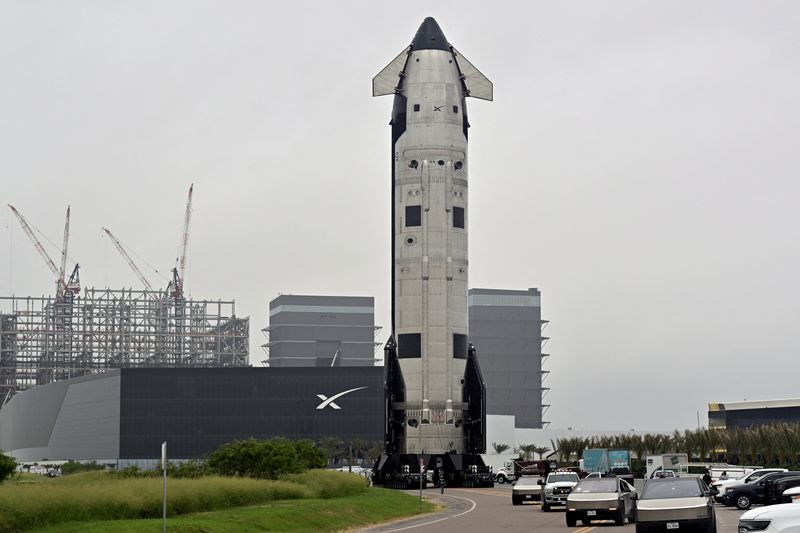
- Massive Capital Raise: SpaceX aims to raise approximately $75 billion through its IPO, with a valuation between $1.75 trillion and $2 trillion, positioning it as potentially the largest IPO in history and attracting significant investor interest.
- Infrastructure Supplier Dependence: While SpaceX's IPO garners attention, history indicates that infrastructure suppliers like Nvidia often achieve higher long-term returns, highlighting the market's ongoing demand for essential technology support.
- Clear Funding Utilization: The IPO proceeds will be directed towards expanding the Starlink network, enhancing Starship reusability, and designing data centers that could be deployed in orbit, all of which require substantial GPU support, thereby reinforcing the partnership with Nvidia.
- Expected Market Volatility: SpaceX stock is anticipated to experience typical post-IPO volatility, particularly after lock-up periods expire when insiders may begin to take profits, while Nvidia could benefit from the influx of capital due to its dominant position in AI infrastructure.
See More

VanEck Semiconductor ETF Achieves 384% Return Over Five Years


- Outstanding Market Performance: The VanEck Semiconductor ETF has achieved a total return of 384% over the past five years, with nearly all gains stemming from share price appreciation, showcasing the fund's strong performance and investment appeal in the semiconductor sector.
- Significant Investment Returns: An investment of $1,000 in this ETF five years ago would now be worth approximately $4,840, translating to an annualized return exceeding 37%, reflecting the robust growth potential of the semiconductor industry.
- Industry Driving Factors: The ETF's success is attributed to its market-cap-weighting methodology, which focuses on investing in industry giants like Nvidia, Taiwan Semiconductor, Intel, and Broadcom, thereby capturing the largest market gains.
- Optimistic Future Outlook: Despite high valuations, AI-related spending remains strong, and earnings growth is expected to be robust for the next few years; if semiconductor companies can continue to meet demand, investor returns are likely to keep rising.
See More

VanEck Semiconductor ETF Achieves 384% Return Over Five Years
- Outstanding Market Performance: The VanEck Semiconductor ETF has achieved a total return of 384% over the past five years, with nearly all gains stemming from share price appreciation, highlighting the fund's strong performance and investment appeal in the semiconductor sector.
- Significant Investment Returns: An investment of $1,000 five years ago would now yield approximately $4,840, translating to an annualized return exceeding 37%, which underscores the ETF's exceptional capital appreciation capabilities.
- Industry Driving Factors: The robust growth of the semiconductor sector is primarily fueled by massive demand for artificial intelligence infrastructure, cloud computing, and high-performance chips, which has propelled the ETF's market performance.
- Optimistic Future Outlook: Despite high valuations, strong AI-related spending is expected to sustain earnings growth over the next few years, and if semiconductor companies can continue to meet demand, investor returns are likely to keep rising.
See More

SSR Mining Sells Copler Mine for $1.5 Billion: Positive Outlook Ahead

- Surging Metal Prices: In January 2026, gold prices soared to $5,500 per ounce and silver to $121 per ounce, driven by rising geopolitical uncertainties and fiscal deficits, creating a favorable environment for mining companies like SSR Mining, which has seen its stock surge 160% over the past year.
- Asset Sale Strengthens Finances: SSR Mining's sale of its 80% stake in the Copler mine in Turkey for $1.5 billion not only reduces its exposure to emerging markets but also allows the company to focus on lower-risk gold and silver operations in the Americas, enhancing its financial stability.
- Robust Cash Flow: The company generated $242 million in free cash flow over the past year, with $211 million in the first quarter alone, ending the quarter with $634 million in cash and total liquidity of $1.1 billion, providing ample funds for future acquisitions and dividends.
- Production Guidance and Cost Management: SSR Mining is on track to meet its 2026 production guidance of 450,000 to 535,000 gold equivalent ounces, and while rising fuel prices could increase operating costs, the company has hedged 70% of its diesel usage, ensuring stability in uncertain market conditions.
See More

Arm Holdings Accelerates AI Infrastructure Ambitions with New AGI CPU

- New AI Infrastructure Opportunity: Arm Holdings has launched the AGI CPU specifically designed for emerging agentic AI workloads, which is expected to significantly increase computing demands in data centers, creating a long-term growth opportunity for the company.
- Efficient Alternative: The AGI CPU is positioned as a high-efficiency alternative to conventional x86 systems, with Arm claiming significantly improved rack-level performance and better infrastructure economics, helping customers lower capital expenditures.
- Strong Customer Demand: Arm has reported that demand for the AGI CPU has already surpassed early launch expectations, driven by support from cloud operators, telecom infrastructure providers, and enterprise AI customers, highlighting Arm's importance in the AI hardware ecosystem.
- Industry Integration Trend: Companies like NVIDIA and Google are deepening their collaboration with Arm by integrating its architecture into next-generation AI systems, reflecting Arm's critical role in future cloud AI deployments.
See More
Nvidia Announces $80 Billion Stock Buyback Amid AI Growth
- Earnings Beat: Nvidia's first-quarter results exceeded Wall Street expectations, showcasing robust growth in its data center business amid accelerating AI infrastructure investments, which reflects management's confidence in future revenue and profit expansion.
- Massive Buyback Authorization: The board approved an additional $80 billion stock repurchase program, indicating management's belief that the current stock price is undervalued and aiming to enhance shareholder confidence through capital return.
- Historical Buyback Trends: Over the past year, Nvidia has authorized more than $25 billion in stock buybacks, demonstrating a consistent capital return strategy, particularly returning over $41.1 billion to shareholders through buybacks and dividends in fiscal 2026.
- Attractive Market Valuation: With a current P/E ratio of 25 times expected earnings, Nvidia appears relatively undervalued compared to historical premiums during AI expansion phases, making the buyback decision not just a capital return but a strong signal of future growth potential.
See More
SpaceX IPO Expected to Be Largest in History
- Massive Capital Raise: SpaceX aims to raise approximately $75 billion through its IPO, with a valuation between $1.75 trillion and $2 trillion, positioning it as potentially the largest IPO in history and attracting significant investor interest.
- Infrastructure Supplier Dependence: While SpaceX's IPO garners attention, history indicates that infrastructure suppliers like Nvidia often achieve higher long-term returns, highlighting the market's ongoing demand for essential technology support.
- Clear Funding Utilization: The IPO proceeds will be directed towards expanding the Starlink network, enhancing Starship reusability, and designing data centers that could be deployed in orbit, all of which require substantial GPU support, thereby reinforcing the partnership with Nvidia.
- Expected Market Volatility: SpaceX stock is anticipated to experience typical post-IPO volatility, particularly after lock-up periods expire when insiders may begin to take profits, while Nvidia could benefit from the influx of capital due to its dominant position in AI infrastructure.
See More
VanEck Semiconductor ETF Achieves 384% Return Over Five Years
- Outstanding Market Performance: The VanEck Semiconductor ETF has achieved a total return of 384% over the past five years, with nearly all gains stemming from share price appreciation, showcasing the fund's strong performance and investment appeal in the semiconductor sector.
- Significant Investment Returns: An investment of $1,000 in this ETF five years ago would now be worth approximately $4,840, translating to an annualized return exceeding 37%, reflecting the robust growth potential of the semiconductor industry.
- Industry Driving Factors: The ETF's success is attributed to its market-cap-weighting methodology, which focuses on investing in industry giants like Nvidia, Taiwan Semiconductor, Intel, and Broadcom, thereby capturing the largest market gains.
- Optimistic Future Outlook: Despite high valuations, AI-related spending remains strong, and earnings growth is expected to be robust for the next few years; if semiconductor companies can continue to meet demand, investor returns are likely to keep rising.
See More
VanEck Semiconductor ETF Achieves 384% Return Over Five Years
- Outstanding Market Performance: The VanEck Semiconductor ETF has achieved a total return of 384% over the past five years, with nearly all gains stemming from share price appreciation, highlighting the fund's strong performance and investment appeal in the semiconductor sector.
- Significant Investment Returns: An investment of $1,000 five years ago would now yield approximately $4,840, translating to an annualized return exceeding 37%, which underscores the ETF's exceptional capital appreciation capabilities.
- Industry Driving Factors: The robust growth of the semiconductor sector is primarily fueled by massive demand for artificial intelligence infrastructure, cloud computing, and high-performance chips, which has propelled the ETF's market performance.
- Optimistic Future Outlook: Despite high valuations, strong AI-related spending is expected to sustain earnings growth over the next few years, and if semiconductor companies can continue to meet demand, investor returns are likely to keep rising.
See More
SSR Mining Sells Copler Mine for $1.5 Billion: Positive Outlook Ahead
- Surging Metal Prices: In January 2026, gold prices soared to $5,500 per ounce and silver to $121 per ounce, driven by rising geopolitical uncertainties and fiscal deficits, creating a favorable environment for mining companies like SSR Mining, which has seen its stock surge 160% over the past year.
- Asset Sale Strengthens Finances: SSR Mining's sale of its 80% stake in the Copler mine in Turkey for $1.5 billion not only reduces its exposure to emerging markets but also allows the company to focus on lower-risk gold and silver operations in the Americas, enhancing its financial stability.
- Robust Cash Flow: The company generated $242 million in free cash flow over the past year, with $211 million in the first quarter alone, ending the quarter with $634 million in cash and total liquidity of $1.1 billion, providing ample funds for future acquisitions and dividends.
- Production Guidance and Cost Management: SSR Mining is on track to meet its 2026 production guidance of 450,000 to 535,000 gold equivalent ounces, and while rising fuel prices could increase operating costs, the company has hedged 70% of its diesel usage, ensuring stability in uncertain market conditions.
See More
Arm Holdings Accelerates AI Infrastructure Ambitions with New AGI CPU
- New AI Infrastructure Opportunity: Arm Holdings has launched the AGI CPU specifically designed for emerging agentic AI workloads, which is expected to significantly increase computing demands in data centers, creating a long-term growth opportunity for the company.
- Efficient Alternative: The AGI CPU is positioned as a high-efficiency alternative to conventional x86 systems, with Arm claiming significantly improved rack-level performance and better infrastructure economics, helping customers lower capital expenditures.
- Strong Customer Demand: Arm has reported that demand for the AGI CPU has already surpassed early launch expectations, driven by support from cloud operators, telecom infrastructure providers, and enterprise AI customers, highlighting Arm's importance in the AI hardware ecosystem.
- Industry Integration Trend: Companies like NVIDIA and Google are deepening their collaboration with Arm by integrating its architecture into next-generation AI systems, reflecting Arm's critical role in future cloud AI deployments.
See More