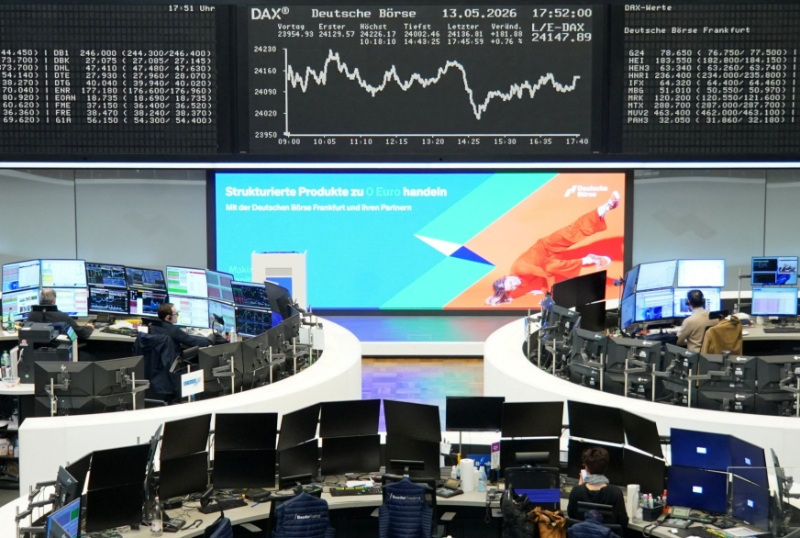
Jury Rules in Favor of Altman and OpenAI Against Musk
Written by Emily J. Thompson, Senior Investment Analyst
Updated: 38 minutes ago
0mins
Should l Buy MSFT?
Source: Newsfilter
- Jury Verdict: In less than two hours of deliberation, the jury ruled that Sam Altman and OpenAI were not liable for Elon Musk's claims, marking a significant legal victory for OpenAI and potentially boosting its market confidence amid ongoing competition.
- Lawsuit Context: Musk sued Altman and OpenAI in 2024, alleging they breached their commitment to keep the AI company a nonprofit, seeking to strip OpenAI and Microsoft of up to $134 billion in 'ill-gotten gains', making the verdict critical for OpenAI's future business model.
- Donation Dispute: Musk claimed he donated approximately $38 million to OpenAI with the expectation that its AI would benefit humanity, while OpenAI argued that these donations were unrestricted, asserting that restructuring was necessary to survive competition against Google DeepMind, suggesting Musk's lawsuit may be an attempt to undermine a rival.
- Market Implications: The verdict comes at a pivotal moment as both OpenAI and SpaceX prepare for IPOs, with OpenAI raising $122 billion in March at a valuation exceeding $850 billion, while SpaceX's valuation reached $1.25 trillion after merging with xAI, likely influencing their performance in capital markets.
Trade with 70% Backtested Accuracy
Stop guessing "Should I Buy MSFT?" and start using high-conviction signals backed by rigorous historical data.
Sign up today to access powerful investing tools and make smarter, data-driven decisions.
Analyst Views on MSFT
Wall Street analysts forecast MSFT stock price to rise
34 Analyst Rating
32 Buy
2 Hold
0 Sell
Strong Buy
Current: 421.920

Low
500.00
Averages
631.36
High
678.00
Current: 421.920
Low
500.00
Averages
631.36
High
678.00
About MSFT
Microsoft Corporation is a technology company. The Company develops and supports software, services, devices, and solutions. The Company’s segments include Productivity and Business Processes, Intelligent Cloud, and More Personal Computing. The Productivity and Business Processes segment consists of products and services in its portfolio of productivity, communication, and information services. This segment primarily comprises: Office Commercial, Office Consumer, LinkedIn, and Dynamics business solutions. The Intelligent Cloud segment consists of server products and cloud services, including Azure and other cloud services, SQL Server, Windows Server, Visual Studio, System Center, and related Client Access Licenses (CALs), and Nuance and GitHub; and Enterprise Services, including enterprise support services, industry solutions and Nuance professional services. The More Personal Computing segment primarily comprises Windows, Devices, Gaming, and search and news advertising.
About the author

Emily J. Thompson
Emily J. Thompson, a Chartered Financial Analyst (CFA) with 12 years in investment research, graduated with honors from the Wharton School. Specializing in industrial and technology stocks, she provides in-depth analysis for Intellectia’s earnings and market brief reports.
Nvidia Stock Volatility and Investment Timing Analysis


- Stock Volatility Analysis: Nvidia's stock dropped 7% after hitting an all-time high on Thursday, indicating significant short-term volatility, which necessitates careful evaluation of entry timing to avoid chasing high prices.
- Earnings Expectations: The upcoming earnings report on Wednesday is seen as crucial, with the market expecting Nvidia to achieve a 'beat and raise' quarter, which would be foundational for its continued growth; failure to meet this expectation could lead to further stock fluctuations.
- Valuation Comparison: With a forward P/E ratio of 24, Nvidia is significantly undervalued compared to peers like Intel at 86, suggesting that its potential in the AI sector is not fully recognized by the market, making it a candidate for gradual position building at current levels.
- Long-Term Growth Potential: Nvidia is viewed as a frontrunner to potentially reach a $10 trillion market cap, with relatively low downside risk at present, prompting investors to focus on its long-term growth potential rather than short-term price movements.
See More
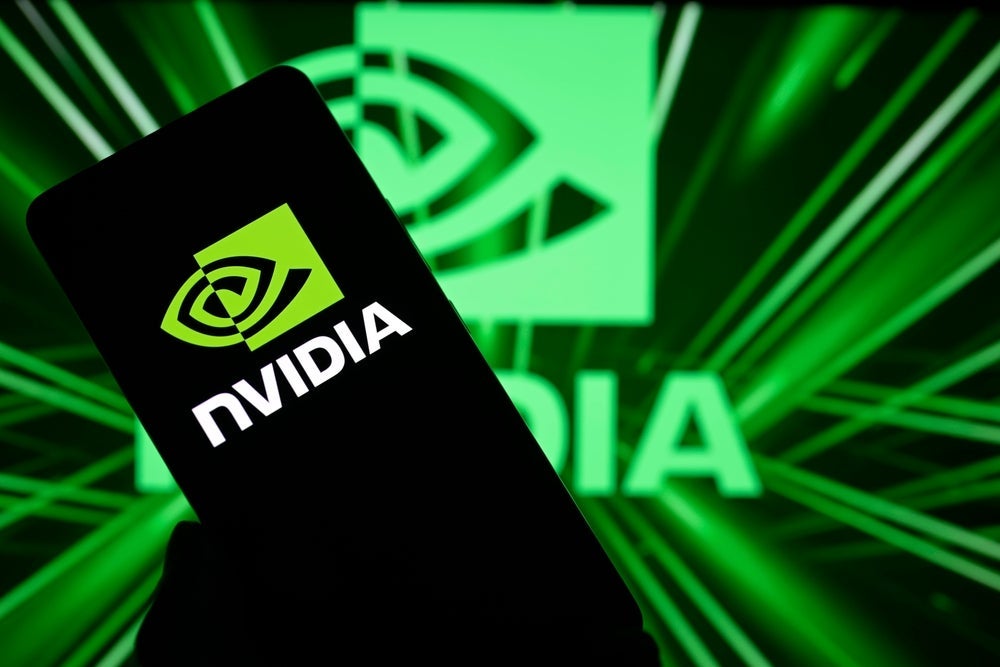
Jury Rules in Favor of Altman and OpenAI Against Musk

- Jury Verdict: In less than two hours of deliberation, the jury ruled that Sam Altman and OpenAI were not liable for Elon Musk's claims, marking a significant legal victory for OpenAI and potentially boosting its market confidence amid ongoing competition.
- Lawsuit Context: Musk sued Altman and OpenAI in 2024, alleging they breached their commitment to keep the AI company a nonprofit, seeking to strip OpenAI and Microsoft of up to $134 billion in 'ill-gotten gains', making the verdict critical for OpenAI's future business model.
- Donation Dispute: Musk claimed he donated approximately $38 million to OpenAI with the expectation that its AI would benefit humanity, while OpenAI argued that these donations were unrestricted, asserting that restructuring was necessary to survive competition against Google DeepMind, suggesting Musk's lawsuit may be an attempt to undermine a rival.
- Market Implications: The verdict comes at a pivotal moment as both OpenAI and SpaceX prepare for IPOs, with OpenAI raising $122 billion in March at a valuation exceeding $850 billion, while SpaceX's valuation reached $1.25 trillion after merging with xAI, likely influencing their performance in capital markets.
See More
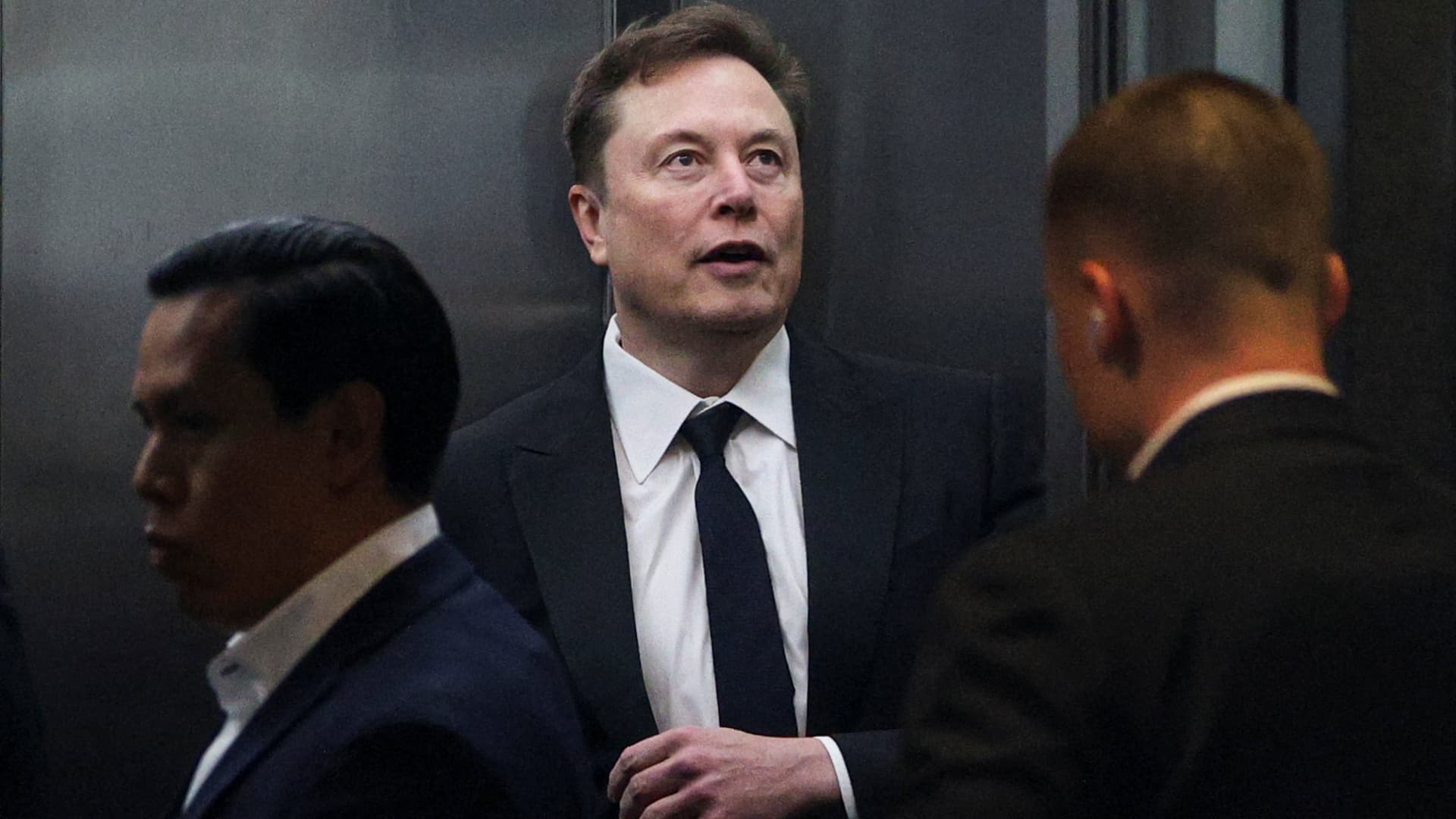
Elon Musk Loses Court Battle Against OpenAI CEO Sam Altman

- Court Verdict: After less than two hours of deliberation, the jury rejected Elon Musk's claims against OpenAI CEO Sam Altman, ruling that Altman and OpenAI were not liable, marking a new chapter in the fierce rivalry between the two tech billionaires.
- Lawsuit Background: Musk filed the lawsuit in 2024, alleging that OpenAI violated its commitment to remain a nonprofit, seeking to force OpenAI and Microsoft to relinquish up to $134 billion in 'ill-gotten gains,' but the court deemed these claims untimely.
- Donation Dispute: Musk claimed he donated approximately $38 million to OpenAI with the expectation that its AI developments would benefit humanity, while OpenAI argued that these donations were unrestricted and that restructuring was necessary to compete against Google DeepMind.
- Market Impact: The verdict has significant implications for both OpenAI and Musk's IPO plans, as OpenAI recently raised $122 billion at an $850 billion valuation, while Musk's SpaceX is also preparing for an IPO, potentially intensifying competition in the market.
See More
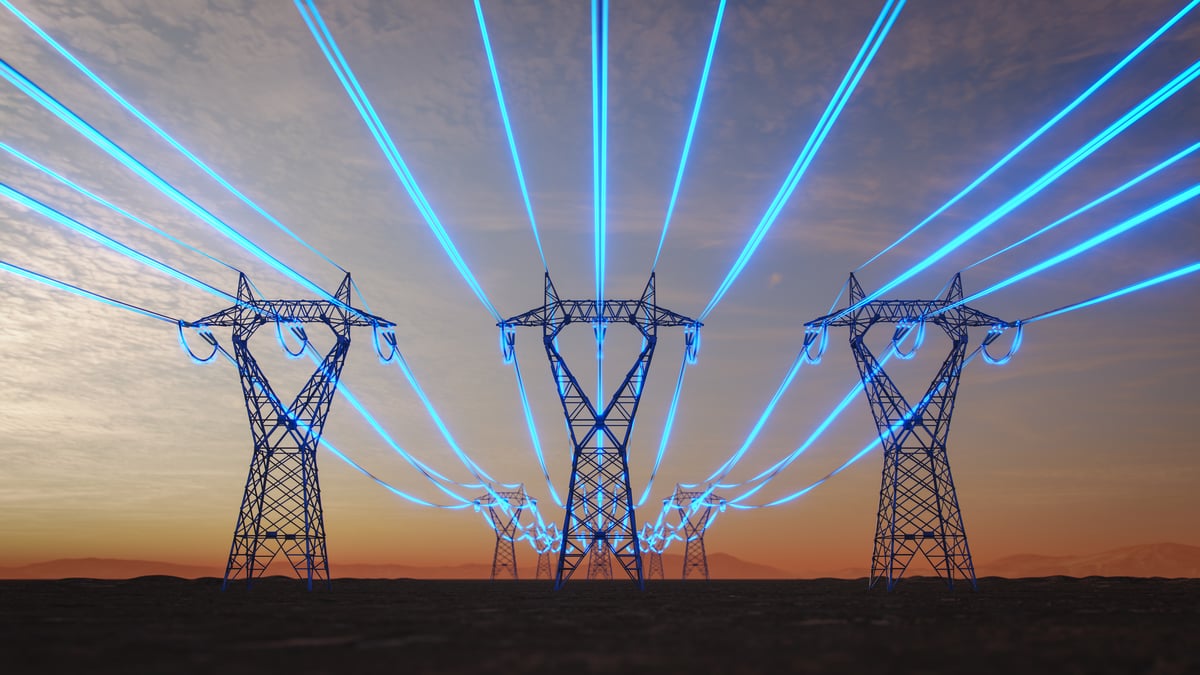
NextEra Energy Acquires Dominion Energy for $67 Billion


- Massive Acquisition Deal: NextEra Energy is acquiring Dominion Energy in a staggering all-stock deal valued at nearly $67 billion, with Dominion shareholders receiving 0.8138 shares of NextEra for each share held, resulting in a 6% drop in NextEra's stock while Dominion's shares rose approximately 9%.
- Market Leadership Position: This merger will position NextEra as the world's largest regulated utility by market capitalization, serving over 10 million customers and boasting 110 gigawatts of generation capacity, underscoring its formidable presence in the clean energy sector.
- Surge in Data Center Demand: Dominion's operations in Virginia serve over 450 data centers and anticipate unprecedented power demand over the next two decades, prompting plans to invest nearly $55 billion in grid infrastructure over the next five years.
- Long-Term Growth Potential: Post-merger, NextEra and Dominion expect to achieve a 6% annual dividend growth while maintaining a conservative payout ratio below 50%, with NextEra projecting adjusted EPS growth of over 9% by 2032, providing significant upside for long-term investors.
See More
Nvidia Earnings Preview: Significant Revenue Growth Expected
- Revenue Growth Expectation: Nvidia is forecasting first-quarter revenue for FY 2027 to reach $78 billion, representing a substantial 76.8% year-over-year increase, indicating sustained strong demand in the AI and data center markets driving its performance.
- Historical Performance Beats Expectations: In FY 2026, Nvidia reported a staggering $215.93 billion in revenue, up 65% year-over-year, with a gross margin of 71.1% and net income of $120.06 billion, showcasing its formidable competitiveness in the high-end GPU market.
- Surge in Capital Expenditures: Major cloud service providers like Amazon and Google are planning to increase capital expenditures to $725 billion in 2026, nearly double the rate from 2025, which will further drive demand for Nvidia chips and support its future revenue targets.
- New Partnership: Nvidia has partnered with Iren to invest up to $2.1 billion to support 5 gigawatts of computing power, which not only strengthens its market position but also lays a foundation for future growth.
See More

Cybersecurity Stocks Surge Amid AI Growth


- Cybersecurity Market Growth: Cybersecurity is viewed as a non-negotiable line item in corporate IT budgets, with the rise of AI increasing hacking threats, driving sustained demand in the sector, which is expected to remain robust in the future.
- Fortinet's Strong Performance: Fortinet reported a 20% year-over-year revenue growth and a 41% increase in EPS in Q1 2026, with its cybersecurity networking segment (66% of billings) up 32% year-over-year, indicating strong market performance and customer demand.
- Palo Alto Networks' Platform Strategy: Palo Alto Networks'
See More
Nvidia Stock Volatility and Investment Timing Analysis
- Stock Volatility Analysis: Nvidia's stock dropped 7% after hitting an all-time high on Thursday, indicating significant short-term volatility, which necessitates careful evaluation of entry timing to avoid chasing high prices.
- Earnings Expectations: The upcoming earnings report on Wednesday is seen as crucial, with the market expecting Nvidia to achieve a 'beat and raise' quarter, which would be foundational for its continued growth; failure to meet this expectation could lead to further stock fluctuations.
- Valuation Comparison: With a forward P/E ratio of 24, Nvidia is significantly undervalued compared to peers like Intel at 86, suggesting that its potential in the AI sector is not fully recognized by the market, making it a candidate for gradual position building at current levels.
- Long-Term Growth Potential: Nvidia is viewed as a frontrunner to potentially reach a $10 trillion market cap, with relatively low downside risk at present, prompting investors to focus on its long-term growth potential rather than short-term price movements.
See More
Jury Rules in Favor of Altman and OpenAI Against Musk
- Jury Verdict: In less than two hours of deliberation, the jury ruled that Sam Altman and OpenAI were not liable for Elon Musk's claims, marking a significant legal victory for OpenAI and potentially boosting its market confidence amid ongoing competition.
- Lawsuit Context: Musk sued Altman and OpenAI in 2024, alleging they breached their commitment to keep the AI company a nonprofit, seeking to strip OpenAI and Microsoft of up to $134 billion in 'ill-gotten gains', making the verdict critical for OpenAI's future business model.
- Donation Dispute: Musk claimed he donated approximately $38 million to OpenAI with the expectation that its AI would benefit humanity, while OpenAI argued that these donations were unrestricted, asserting that restructuring was necessary to survive competition against Google DeepMind, suggesting Musk's lawsuit may be an attempt to undermine a rival.
- Market Implications: The verdict comes at a pivotal moment as both OpenAI and SpaceX prepare for IPOs, with OpenAI raising $122 billion in March at a valuation exceeding $850 billion, while SpaceX's valuation reached $1.25 trillion after merging with xAI, likely influencing their performance in capital markets.
See More
Elon Musk Loses Court Battle Against OpenAI CEO Sam Altman
- Court Verdict: After less than two hours of deliberation, the jury rejected Elon Musk's claims against OpenAI CEO Sam Altman, ruling that Altman and OpenAI were not liable, marking a new chapter in the fierce rivalry between the two tech billionaires.
- Lawsuit Background: Musk filed the lawsuit in 2024, alleging that OpenAI violated its commitment to remain a nonprofit, seeking to force OpenAI and Microsoft to relinquish up to $134 billion in 'ill-gotten gains,' but the court deemed these claims untimely.
- Donation Dispute: Musk claimed he donated approximately $38 million to OpenAI with the expectation that its AI developments would benefit humanity, while OpenAI argued that these donations were unrestricted and that restructuring was necessary to compete against Google DeepMind.
- Market Impact: The verdict has significant implications for both OpenAI and Musk's IPO plans, as OpenAI recently raised $122 billion at an $850 billion valuation, while Musk's SpaceX is also preparing for an IPO, potentially intensifying competition in the market.
See More
NextEra Energy Acquires Dominion Energy for $67 Billion
- Massive Acquisition Deal: NextEra Energy is acquiring Dominion Energy in a staggering all-stock deal valued at nearly $67 billion, with Dominion shareholders receiving 0.8138 shares of NextEra for each share held, resulting in a 6% drop in NextEra's stock while Dominion's shares rose approximately 9%.
- Market Leadership Position: This merger will position NextEra as the world's largest regulated utility by market capitalization, serving over 10 million customers and boasting 110 gigawatts of generation capacity, underscoring its formidable presence in the clean energy sector.
- Surge in Data Center Demand: Dominion's operations in Virginia serve over 450 data centers and anticipate unprecedented power demand over the next two decades, prompting plans to invest nearly $55 billion in grid infrastructure over the next five years.
- Long-Term Growth Potential: Post-merger, NextEra and Dominion expect to achieve a 6% annual dividend growth while maintaining a conservative payout ratio below 50%, with NextEra projecting adjusted EPS growth of over 9% by 2032, providing significant upside for long-term investors.
See More
Nvidia Earnings Preview: Significant Revenue Growth Expected
- Revenue Growth Expectation: Nvidia is forecasting first-quarter revenue for FY 2027 to reach $78 billion, representing a substantial 76.8% year-over-year increase, indicating sustained strong demand in the AI and data center markets driving its performance.
- Historical Performance Beats Expectations: In FY 2026, Nvidia reported a staggering $215.93 billion in revenue, up 65% year-over-year, with a gross margin of 71.1% and net income of $120.06 billion, showcasing its formidable competitiveness in the high-end GPU market.
- Surge in Capital Expenditures: Major cloud service providers like Amazon and Google are planning to increase capital expenditures to $725 billion in 2026, nearly double the rate from 2025, which will further drive demand for Nvidia chips and support its future revenue targets.
- New Partnership: Nvidia has partnered with Iren to invest up to $2.1 billion to support 5 gigawatts of computing power, which not only strengthens its market position but also lays a foundation for future growth.
See More
Cybersecurity Stocks Surge Amid AI Growth
- Cybersecurity Market Growth: Cybersecurity is viewed as a non-negotiable line item in corporate IT budgets, with the rise of AI increasing hacking threats, driving sustained demand in the sector, which is expected to remain robust in the future.
- Fortinet's Strong Performance: Fortinet reported a 20% year-over-year revenue growth and a 41% increase in EPS in Q1 2026, with its cybersecurity networking segment (66% of billings) up 32% year-over-year, indicating strong market performance and customer demand.
- Palo Alto Networks' Platform Strategy: Palo Alto Networks'
See More