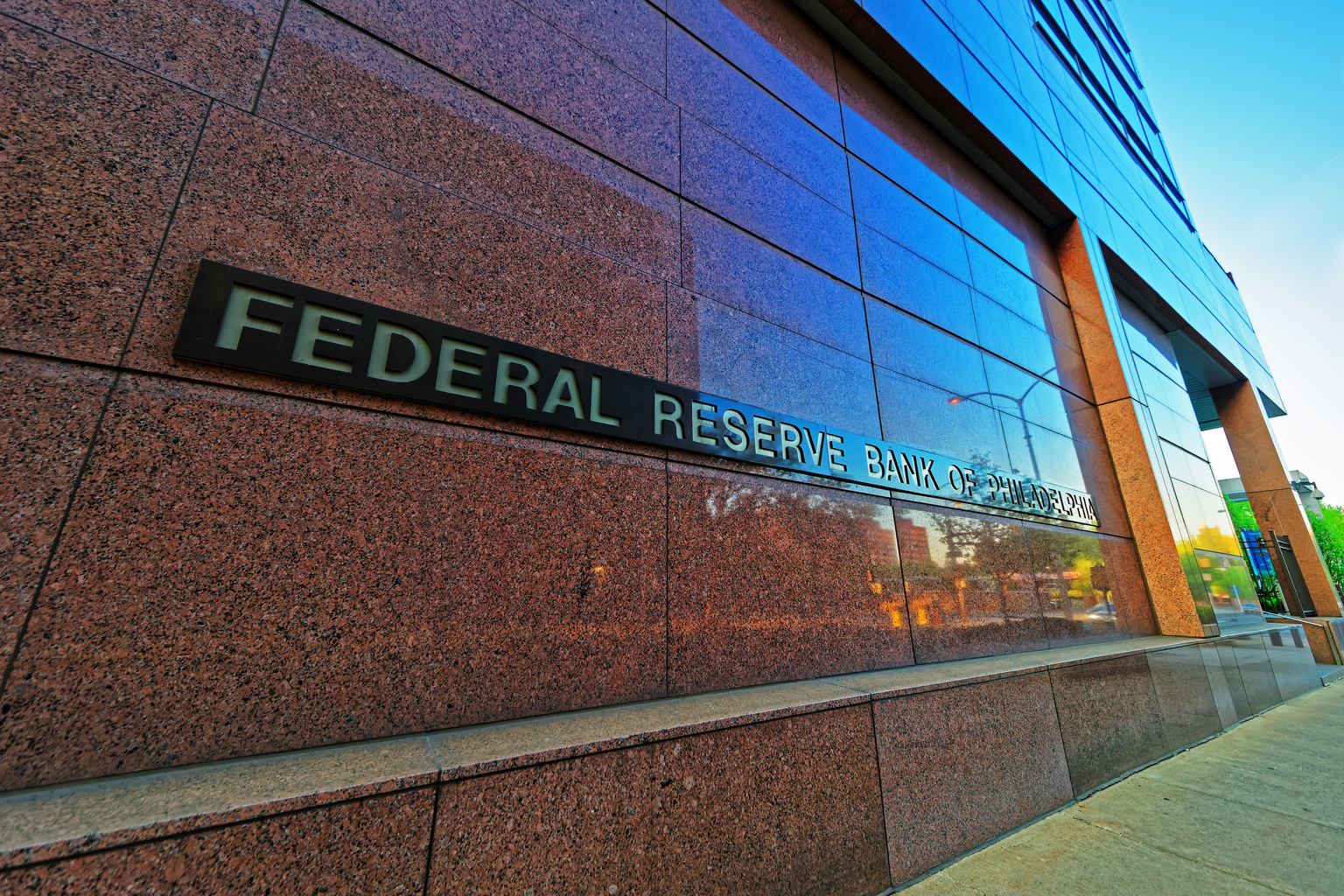
JPMorgan Identifies Buying Opportunity in Low Volatility Stocks
Written by Emily J. Thompson, Senior Investment Analyst
Updated: 2 days ago
0mins

Source: CNBC
- Attractive Low Volatility Stocks: JPMorgan highlights that low volatility stocks have underperformed in recent months, particularly during the Middle East conflict, with U.S. low vol stocks down 6% while bond yields rose by 55 basis points, indicating an inverse correlation that presents a potential buying opportunity for investors now.
- Coca-Cola's Resilience: Coca-Cola offers a 2.6% dividend yield and, despite minimal price movement over the past three months, reported first-quarter earnings that exceeded expectations and raised its full-year EPS growth forecast to 8%-9%, demonstrating the company's resilience amid uncertainty.
- Rollins' Market Outlook: Rollins provides a 1.37% dividend yield and, despite an 11% decline in share price over the last three months, has received strong praise from analysts for its unique market strategy and service culture, suggesting continued industry-leading execution.
- Procter & Gamble's Challenges and Opportunities: Procter & Gamble, with a 3.01% dividend yield, has seen its stock fall about 13% in the last three months, yet its quarterly results surpassed expectations, and analysts maintain an overweight rating with a projected 15% upside, reflecting confidence in its future performance.
Trade with 70% Backtested Accuracy
Stop guessing "Should I Buy KO?" and start using high-conviction signals backed by rigorous historical data.
Sign up today to access powerful investing tools and make smarter, data-driven decisions.
Analyst Views on KO
Wall Street analysts forecast KO stock price to fall
14 Analyst Rating
13 Buy
1 Hold
0 Sell
Strong Buy
Current: 80.410

Low
71.00
Averages
79.33
High
85.00
Current: 80.410
Low
71.00
Averages
79.33
High
85.00
About KO
The Coca-Cola Company is a beverage company. The Company's segments include Europe, Middle East and Africa (EMEA); Latin America; North America; Asia Pacific, and Bottling Investments. It sells multiple brands across several beverage categories worldwide. Its portfolio of sparkling soft drink brands includes Coca-Cola, Sprite and Fanta. Its water, sports, coffee and tea brands include Dasani, smartwater, vitaminwater, Topo Chico, BODYARMOR, Powerade, Costa, Georgia, Fuze Tea, Gold Peak and Ayataka. Its juice, value-added dairy and plant-based beverage brands include Minute Maid, Simply, innocent, Del Valle, fairlife and Santa Clara. It operates in two lines of business: concentrate operations and finished product operations. Its concentrate operations sell beverage concentrates, syrups, including fountain syrups, and certain finished beverages to authorized bottling operations. Its finished product operations sell sparkling soft drinks and a variety of other finished beverages.
About the author

Emily J. Thompson
Emily J. Thompson, a Chartered Financial Analyst (CFA) with 12 years in investment research, graduated with honors from the Wharton School. Specializing in industrial and technology stocks, she provides in-depth analysis for Intellectia’s earnings and market brief reports.

Analysis of High-Yield Dividend ETF Investments


- Overview of High-Yield ETFs: The Vanguard High Dividend Yield ETF (VYM) includes 608 stocks with a current dividend yield of 2.24%, and while it has underperformed the S&P 500 over the past five years, it has outperformed it in 2026, indicating its potential for providing steady income during volatile periods.
- Portfolio Diversification: VYM's largest sector is financials (20.2%), followed by technology (14.8%) and industrials (14.2%), allowing investors to diversify risks across different economic sectors and reduce reliance on a single industry.
- Schwab Dividend ETF Performance: The Schwab U.S. Dividend Equity ETF (SCHD) holds 103 stocks with a dividend yield of 3.29%, and although its long-term performance has lagged behind VYM and the S&P 500, it has shown strong performance in 2026 with a year-to-date total return of about 17.8%.
- Considerations for ETF Selection: When choosing between VYM and SCHD, investors should consider diversification and safety, as VYM offers greater diversification with 608 stocks, while SCHD is more attractive in terms of dividend yield, making it suitable for those seeking stable income.
See More

Vanguard High Dividend ETF Underperforms S&P 500
- Long-Term Performance: The Vanguard High Dividend Yield ETF has an annualized return of 11.9% over the past five years, and while it has shown strong performance in 2026, it still lags behind the S&P 500, indicating relative weakness in market volatility.
- Expense Ratio Advantage: With an ultra-low expense ratio of 0.04% for the Vanguard ETF and 0.06% for the Schwab U.S. Dividend Equity ETF, both funds are competitively positioned for cost-conscious investors seeking steady income.
- Portfolio Diversification: The Vanguard ETF holds 608 stocks across various sectors, particularly in finance and technology, providing better diversification compared to the Schwab ETF's 103 stocks, thereby reducing single-sector risk.
- Dividend Yield Comparison: The Vanguard ETF offers a dividend yield of 2.24%, while the Schwab ETF provides a higher yield of 3.29%; despite the Schwab ETF's attractiveness in yield, the Vanguard's diversified portfolio may better withstand market fluctuations.
See More
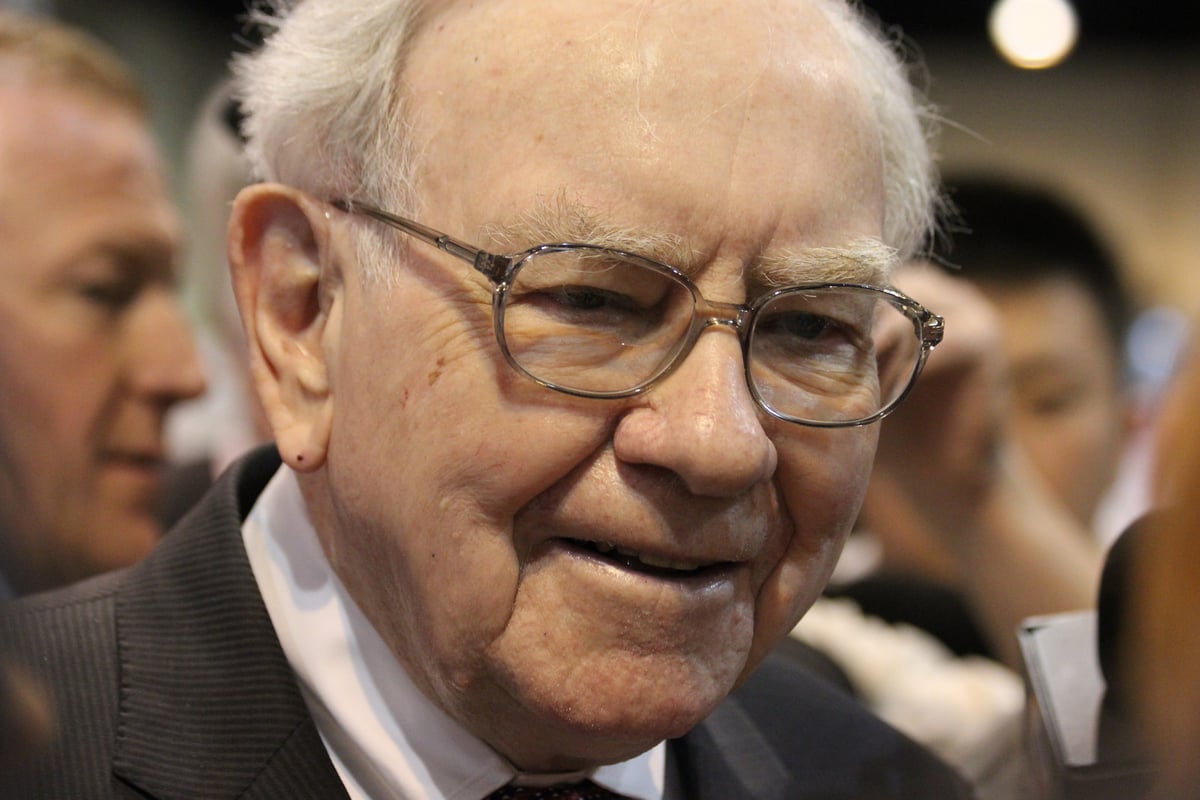
Buffett's Investment Legacy Continues


- American Express Success: Buffett's investment in American Express since 1964, holding 22% of shares, has resulted in consistent profitability despite economic fluctuations, and is expected to continue generating substantial returns for Berkshire.
- Alphabet's Diversified Growth: Alphabet's annual revenue surged from $258 billion to nearly $403 billion over the past five years, with its core search engine and cloud services performing strongly, laying a solid foundation for future growth despite some businesses not yet being profitable.
- Apple's Market Leadership: With a market value exceeding $700 billion, Apple remains a significant holding for Berkshire, as its products and services continue to thrive, particularly in the services ecosystem, ensuring future growth potential.
- Coca-Cola's High-Profit Model: Coca-Cola operates with net profit margins in the mid-20% range and has consistently increased its dividends, earning the title of 'Dividend King', with a business model that relies on selling foundational syrups, ensuring stable cash flow and long-term investor returns.
See More
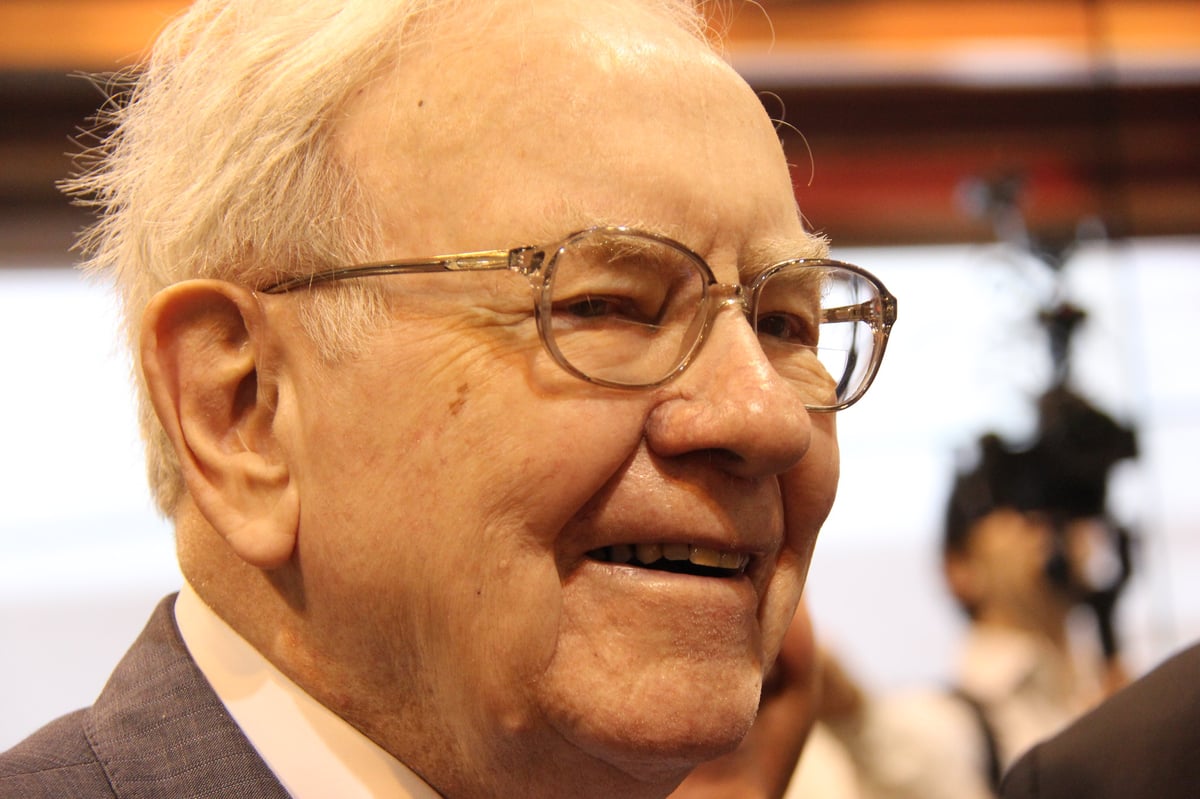
Buffett's Recommended Investment Strategy


- Investment Philosophy: Buffett has successfully achieved a market-beating compounded annual gain over 60 years by identifying companies with competitive advantages and strong management, showcasing his investment acumen and long-term holding strategy.
- Recommended Asset: The investment Buffett frequently endorses is the S&P 500 index fund, which he believes offers non-professional investors exposure to a wide array of quality companies, with its low-cost nature making it particularly appealing.
- Long-Term Returns: Since its inception in the late 1950s, the S&P 500 has posted an average annual return of 10%, indicating that by investing in this ETF, investors can avoid the stress of stock selection and are likely to see wealth growth over the long term.
- Power of Compounding: Assuming an initial investment of $1,000 with an additional $300 monthly for 35 years, the investment could exceed $1 million, demonstrating the power of compounding and encouraging investors to adhere to a long-term investment strategy.
See More
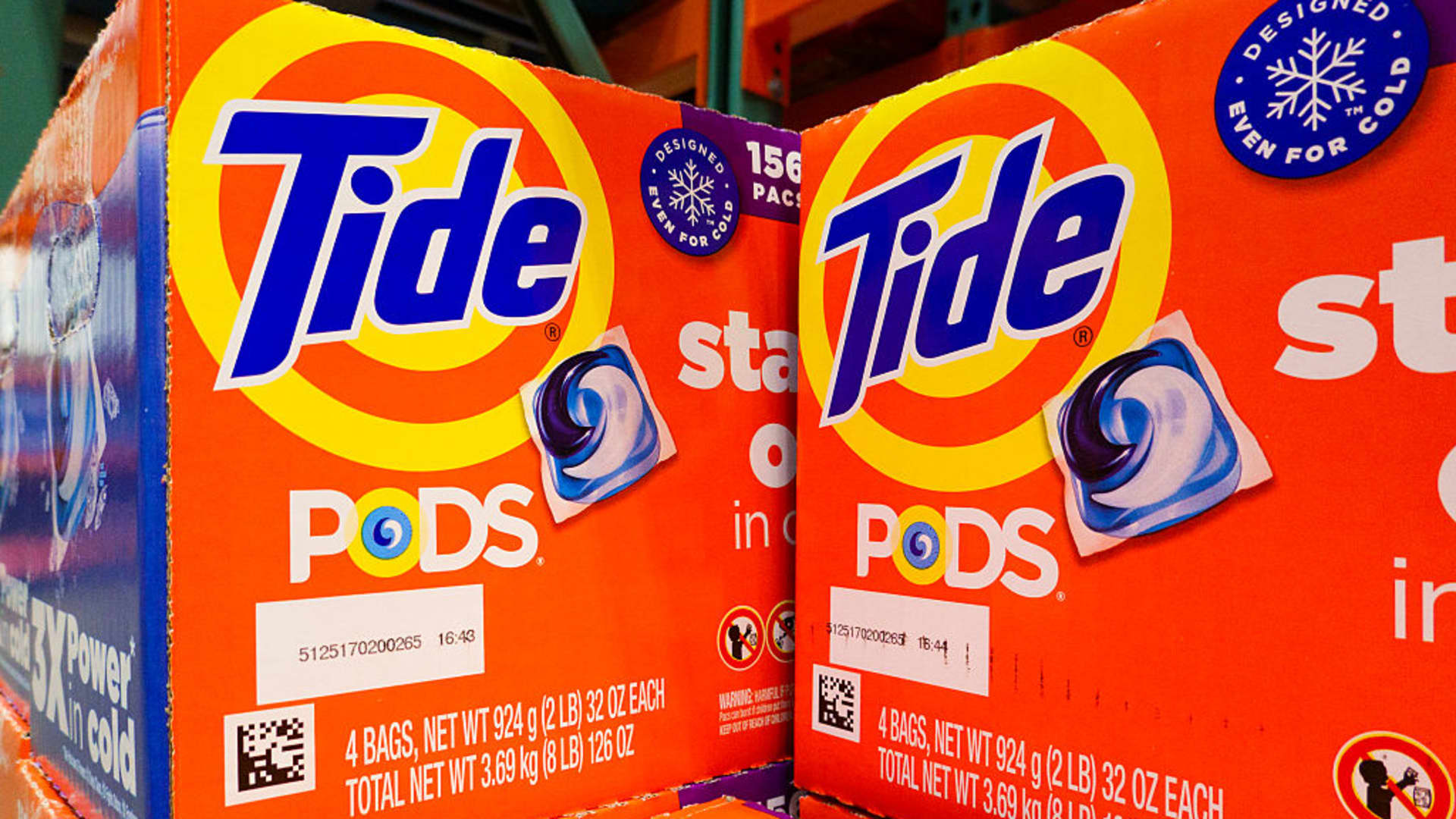
JPMorgan Identifies Buying Opportunity in Low Volatility Stocks
- Attractive Low Volatility Stocks: JPMorgan highlights that low volatility stocks have underperformed in recent months, particularly during the Middle East conflict, with U.S. low vol stocks down 6% while bond yields rose by 55 basis points, indicating an inverse correlation that presents a potential buying opportunity for investors now.
- Coca-Cola's Resilience: Coca-Cola offers a 2.6% dividend yield and, despite minimal price movement over the past three months, reported first-quarter earnings that exceeded expectations and raised its full-year EPS growth forecast to 8%-9%, demonstrating the company's resilience amid uncertainty.
- Rollins' Market Outlook: Rollins provides a 1.37% dividend yield and, despite an 11% decline in share price over the last three months, has received strong praise from analysts for its unique market strategy and service culture, suggesting continued industry-leading execution.
- Procter & Gamble's Challenges and Opportunities: Procter & Gamble, with a 3.01% dividend yield, has seen its stock fall about 13% in the last three months, yet its quarterly results surpassed expectations, and analysts maintain an overweight rating with a projected 15% upside, reflecting confidence in its future performance.
See More

Four High-Yield Dividend Stocks Recommended
- Coca-Cola's Stability: Coca-Cola (KO) raised its quarterly dividend from $0.51 to $0.53 this year, marking 64 consecutive years of increases, which underscores its status as a 'Dividend King'; the current yield stands at 2.6%, significantly above the S&P 500's 1.1%.
- PepsiCo's Growth: PepsiCo (PEP) announced a 4% increase in its quarterly dividend to $1.48 this month, having raised dividends for 54 consecutive years, with a current yield of 4%, nearly four times that of the S&P 500, reflecting its strong profitability and market competitiveness.
- Procter & Gamble's Long-Term Commitment: Procter & Gamble (PG) has paid dividends since 1890 and has raised them for 70 straight years, with the latest quarterly payout increased by 3% to $1.0885, yielding 3.1%, supported by over $11 billion in free cash flow that easily covers $7.6 billion in dividends.
- Realty Income's Appeal: Realty Income (O), a REIT, pays monthly dividends and recently raised its payout from $0.27 to $0.2705, yielding 5.2%, well above the FTSE Nareit All Equity REITs Index's 3.7%, demonstrating its strong cash flow and distribution capacity.
See More
Analysis of High-Yield Dividend ETF Investments
- Overview of High-Yield ETFs: The Vanguard High Dividend Yield ETF (VYM) includes 608 stocks with a current dividend yield of 2.24%, and while it has underperformed the S&P 500 over the past five years, it has outperformed it in 2026, indicating its potential for providing steady income during volatile periods.
- Portfolio Diversification: VYM's largest sector is financials (20.2%), followed by technology (14.8%) and industrials (14.2%), allowing investors to diversify risks across different economic sectors and reduce reliance on a single industry.
- Schwab Dividend ETF Performance: The Schwab U.S. Dividend Equity ETF (SCHD) holds 103 stocks with a dividend yield of 3.29%, and although its long-term performance has lagged behind VYM and the S&P 500, it has shown strong performance in 2026 with a year-to-date total return of about 17.8%.
- Considerations for ETF Selection: When choosing between VYM and SCHD, investors should consider diversification and safety, as VYM offers greater diversification with 608 stocks, while SCHD is more attractive in terms of dividend yield, making it suitable for those seeking stable income.
See More
Vanguard High Dividend ETF Underperforms S&P 500
- Long-Term Performance: The Vanguard High Dividend Yield ETF has an annualized return of 11.9% over the past five years, and while it has shown strong performance in 2026, it still lags behind the S&P 500, indicating relative weakness in market volatility.
- Expense Ratio Advantage: With an ultra-low expense ratio of 0.04% for the Vanguard ETF and 0.06% for the Schwab U.S. Dividend Equity ETF, both funds are competitively positioned for cost-conscious investors seeking steady income.
- Portfolio Diversification: The Vanguard ETF holds 608 stocks across various sectors, particularly in finance and technology, providing better diversification compared to the Schwab ETF's 103 stocks, thereby reducing single-sector risk.
- Dividend Yield Comparison: The Vanguard ETF offers a dividend yield of 2.24%, while the Schwab ETF provides a higher yield of 3.29%; despite the Schwab ETF's attractiveness in yield, the Vanguard's diversified portfolio may better withstand market fluctuations.
See More
Buffett's Investment Legacy Continues
- American Express Success: Buffett's investment in American Express since 1964, holding 22% of shares, has resulted in consistent profitability despite economic fluctuations, and is expected to continue generating substantial returns for Berkshire.
- Alphabet's Diversified Growth: Alphabet's annual revenue surged from $258 billion to nearly $403 billion over the past five years, with its core search engine and cloud services performing strongly, laying a solid foundation for future growth despite some businesses not yet being profitable.
- Apple's Market Leadership: With a market value exceeding $700 billion, Apple remains a significant holding for Berkshire, as its products and services continue to thrive, particularly in the services ecosystem, ensuring future growth potential.
- Coca-Cola's High-Profit Model: Coca-Cola operates with net profit margins in the mid-20% range and has consistently increased its dividends, earning the title of 'Dividend King', with a business model that relies on selling foundational syrups, ensuring stable cash flow and long-term investor returns.
See More
Buffett's Recommended Investment Strategy
- Investment Philosophy: Buffett has successfully achieved a market-beating compounded annual gain over 60 years by identifying companies with competitive advantages and strong management, showcasing his investment acumen and long-term holding strategy.
- Recommended Asset: The investment Buffett frequently endorses is the S&P 500 index fund, which he believes offers non-professional investors exposure to a wide array of quality companies, with its low-cost nature making it particularly appealing.
- Long-Term Returns: Since its inception in the late 1950s, the S&P 500 has posted an average annual return of 10%, indicating that by investing in this ETF, investors can avoid the stress of stock selection and are likely to see wealth growth over the long term.
- Power of Compounding: Assuming an initial investment of $1,000 with an additional $300 monthly for 35 years, the investment could exceed $1 million, demonstrating the power of compounding and encouraging investors to adhere to a long-term investment strategy.
See More
JPMorgan Identifies Buying Opportunity in Low Volatility Stocks
- Attractive Low Volatility Stocks: JPMorgan highlights that low volatility stocks have underperformed in recent months, particularly during the Middle East conflict, with U.S. low vol stocks down 6% while bond yields rose by 55 basis points, indicating an inverse correlation that presents a potential buying opportunity for investors now.
- Coca-Cola's Resilience: Coca-Cola offers a 2.6% dividend yield and, despite minimal price movement over the past three months, reported first-quarter earnings that exceeded expectations and raised its full-year EPS growth forecast to 8%-9%, demonstrating the company's resilience amid uncertainty.
- Rollins' Market Outlook: Rollins provides a 1.37% dividend yield and, despite an 11% decline in share price over the last three months, has received strong praise from analysts for its unique market strategy and service culture, suggesting continued industry-leading execution.
- Procter & Gamble's Challenges and Opportunities: Procter & Gamble, with a 3.01% dividend yield, has seen its stock fall about 13% in the last three months, yet its quarterly results surpassed expectations, and analysts maintain an overweight rating with a projected 15% upside, reflecting confidence in its future performance.
See More
Four High-Yield Dividend Stocks Recommended
- Coca-Cola's Stability: Coca-Cola (KO) raised its quarterly dividend from $0.51 to $0.53 this year, marking 64 consecutive years of increases, which underscores its status as a 'Dividend King'; the current yield stands at 2.6%, significantly above the S&P 500's 1.1%.
- PepsiCo's Growth: PepsiCo (PEP) announced a 4% increase in its quarterly dividend to $1.48 this month, having raised dividends for 54 consecutive years, with a current yield of 4%, nearly four times that of the S&P 500, reflecting its strong profitability and market competitiveness.
- Procter & Gamble's Long-Term Commitment: Procter & Gamble (PG) has paid dividends since 1890 and has raised them for 70 straight years, with the latest quarterly payout increased by 3% to $1.0885, yielding 3.1%, supported by over $11 billion in free cash flow that easily covers $7.6 billion in dividends.
- Realty Income's Appeal: Realty Income (O), a REIT, pays monthly dividends and recently raised its payout from $0.27 to $0.2705, yielding 5.2%, well above the FTSE Nareit All Equity REITs Index's 3.7%, demonstrating its strong cash flow and distribution capacity.
See More