JetBlue Airways Stock Rises 4.4% Amid Rival's Bailout Uncertainty
Written by Emily J. Thompson, Senior Investment Analyst
Updated: 3 days ago
0mins


Should l Buy JBLU?
Source: Fool
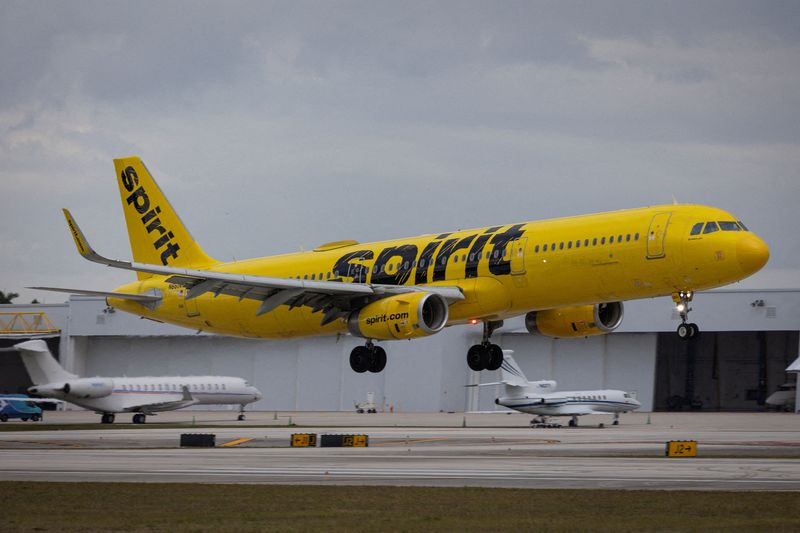
- Stock Price Increase: JetBlue Airways (JBLU) saw its stock rise by 4.4% to $4.86, primarily driven by news that rival Spirit Airlines may not secure its bailout, indicating a rebound in market confidence towards JetBlue.
- Surge in Trading Volume: The trading volume reached 48.4 million shares, approximately 88% above the three-month average of 25.7 million shares, reflecting a significant increase in investor interest in JetBlue's stock, which may signal a shift in market sentiment.
- Financial Pressures: Despite reporting higher-than-expected losses in its Q1 earnings and a nearly 8% decline in stock price over the past five days, JetBlue's strategy to recapture 30%-40% of higher fuel costs through pricing and efficiency improvements has been relatively well-received by Wall Street.
- Market Opportunities: Should Spirit Airlines ultimately shut down, JetBlue could capitalize on acquiring key airport routes and gate slots, positioning itself favorably in the competitive landscape, although investors should remain cautious of potential volatility related to oil prices in the near term.
Trade with 70% Backtested Accuracy
Stop guessing "Should I Buy JBLU?" and start using high-conviction signals backed by rigorous historical data.
Sign up today to access powerful investing tools and make smarter, data-driven decisions.
Analyst Views on JBLU
Wall Street analysts forecast JBLU stock price to fall
10 Analyst Rating
0 Buy
5 Hold
5 Sell
Moderate Sell
Current: 4.790

Low
3.50
Averages
4.69
High
7.00
Current: 4.790
Low
3.50
Averages
4.69
High
7.00
About JBLU
JetBlue Airways Corporation provides air transportation services across the United States, Latin America, the Caribbean, Canada, and Europe. The Company offers customers a choice of one of three JetBlue experiences: the core experience, EvenMore and Mint. Within the core experience, there are four fares to choose from: Blue Basic, Blue, Blue Plus, and Blue Extra. All JetBlue fares include a free carry-on bag, free seatback entertainment, free high-speed Wi-Fi, free snacks, and free non-alcoholic beverages. Its entire fleet is equipped with Fly-Fi, a broadband product that allows gate-to-gate Wi-Fi at every seat. It also offers seatback screens across its fleet, with AVANT systems installed on the majority of its aircraft. The Company also sells vacation packages through its subsidiary, Paisly, LLC, which offers one-stop, value-priced vacation services for self-directed packaged travel planning.
About the author

Emily J. Thompson
Emily J. Thompson, a Chartered Financial Analyst (CFA) with 12 years in investment research, graduated with honors from the Wharton School. Specializing in industrial and technology stocks, she provides in-depth analysis for Intellectia’s earnings and market brief reports.

JetBlue Expands Fort Lauderdale Routes and Loyalty Match Program
- Route Expansion: JetBlue's expansion in Fort Lauderdale includes 11 new destinations and increased frequencies on existing routes, expecting to operate nearly 130 daily departures this summer, which is over 75% more than in 2025, significantly enhancing customer travel options and convenience.
- New City Services: New nonstop services include Barranquilla and Cali in Colombia, Baltimore, Charlotte, Columbus, and Indianapolis, further strengthening JetBlue's market position in South Florida and meeting customer demand for diverse routes.
- Loyalty Match Program: JetBlue has introduced a loyalty status match program for eligible Spirit Airlines Free Spirit Silver and Gold members, allowing them to easily transition to JetBlue's TrueBlue Mosaic status and enjoy enhanced travel benefits, thereby increasing customer loyalty.
- Enhanced Customer Experience: JetBlue continues to offer fast, free unlimited Fly-Fi, seatback entertainment, and complimentary snacks, aiming to provide a comfortable and caring travel experience for South Florida travelers, solidifying its leadership position in the market.
See More
Spirit Airlines Shuts Down, 17,000 Jobs Lost Amid Bankruptcy

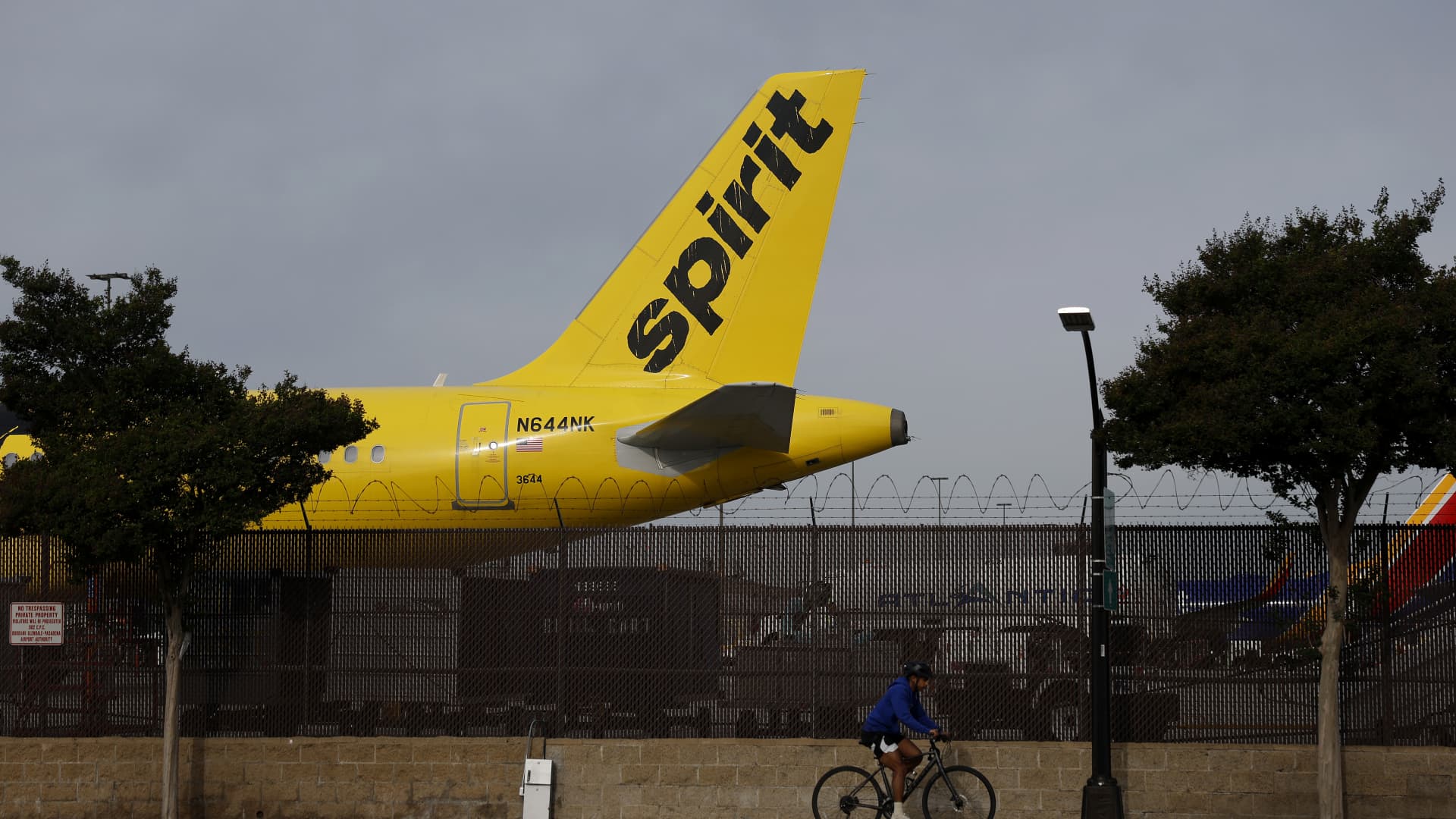
- Bankruptcy Closure: Spirit Airlines announced its shutdown on May 2, 2026, after two bankruptcies, resulting in approximately 17,000 job losses, highlighting the company's vulnerability amid soaring fuel prices and competitive pressures.
- Failed Government Bailout: Despite efforts to secure a $500 million loan from the Trump administration to stay afloat, the lack of agreement with bondholders led to the failure of the bailout, reflecting the company's financial struggles.
- Intensified Market Competition: Major airlines began to replicate Spirit's low-cost model, eroding its market share, and the airline has not turned a profit since 2019, underscoring the need for industry consolidation.
- Executive Changes and Strategic Missteps: After its first bankruptcy, Spirit failed to make necessary asset divestitures to cut costs, leading to similar issues in its second bankruptcy, indicating management's strategic errors in crisis response.
See More
Spirit Airlines Announces Bankruptcy Closure
- Bankruptcy Closure: Spirit Airlines announced its closure after its second bankruptcy in less than a year, with CEO Dave Davis stating that the company simply “ran out of time,” resulting in approximately 17,000 employees losing their jobs, highlighting the severe challenges in the airline industry.
- Surging Fuel Prices: The surge in fuel prices due to the war in Iran, with crude oil exceeding $100 a barrel, severely impacted Spirit's plans to exit bankruptcy by mid-2026, demonstrating the volatility of operational costs in the airline sector.
- Failed Government Bailout: Spirit sought a $500 million loan from the Trump administration to stay afloat, but disagreements with bondholders prevented a deal, reflecting the complexities of financing in the aviation industry amidst economic pressures.
- Accelerated Industry Consolidation: The collapse of Spirit Airlines may accelerate consolidation in the airline sector, as CEO Davis noted that had the acquisition by JetBlue not been blocked two years ago, the company might not be in its current predicament, illustrating the competitive pressures faced by low-cost carriers.
See More

Spirit Aviation Holdings Begins Wind Down Operations Amid Bankruptcy

- Bankruptcy Liquidation Process: Spirit Aviation Holdings has begun winding down operations due to its second bankruptcy, primarily caused by jet fuel prices doubling from $85-$90 to $150-$200 since February due to the Middle East war, effectively ending its restructuring efforts and resulting in significant losses for investors.
- Shareholder Compensation Outlook: In the liquidation process, Spirit's shareholders are at the bottom of the priority list and face the risk of receiving nothing, as remaining assets may not cover debts after secured creditors and other obligations are settled.
- Industry-Wide Struggles: All airlines are affected by soaring fuel costs, with average international flight fares increasing by 37% since the war began, and low-cost carriers are particularly hard hit due to their already thin margins, leading some to cancel flights to save on fuel.
- Uncertain Future: Although the White House considered a $500 million bailout to help Spirit survive, the withdrawal of this support has seen the airline's stock price plummet from $1.80 back to around $0.27, highlighting the fragility and uncertainty facing the airline industry amid rising fuel costs.
See More

Spirit Airlines Files for Bankruptcy Amid Rising Fuel Costs
- Bankruptcy Filing: Spirit Aviation Holdings, the parent company of Spirit Airlines, has initiated liquidation this week, marking its second bankruptcy in two years, leaving shareholders at risk of losing all their investments.
- Soaring Fuel Costs: The price of airline fuel has nearly doubled since February due to the oil supply shock from the Middle East war, rising from $85-$90 to $150-$200, which directly undermined Spirit's restructuring efforts.
- Creditor Hierarchy: In the liquidation process, secured creditors will be paid first, with Spirit's assets sold to settle debts, leaving shareholders at the bottom of the priority list with virtually no chance of recovering any value.
- Industry-Wide Struggles: The financial strain is not limited to Spirit; other airlines are also grappling with rising fuel prices, and while some larger carriers can pass costs to passengers, low-cost airlines like Spirit are facing severely squeezed profit margins.
See More
Spirit Airlines Collapse Triggers Route Restructuring

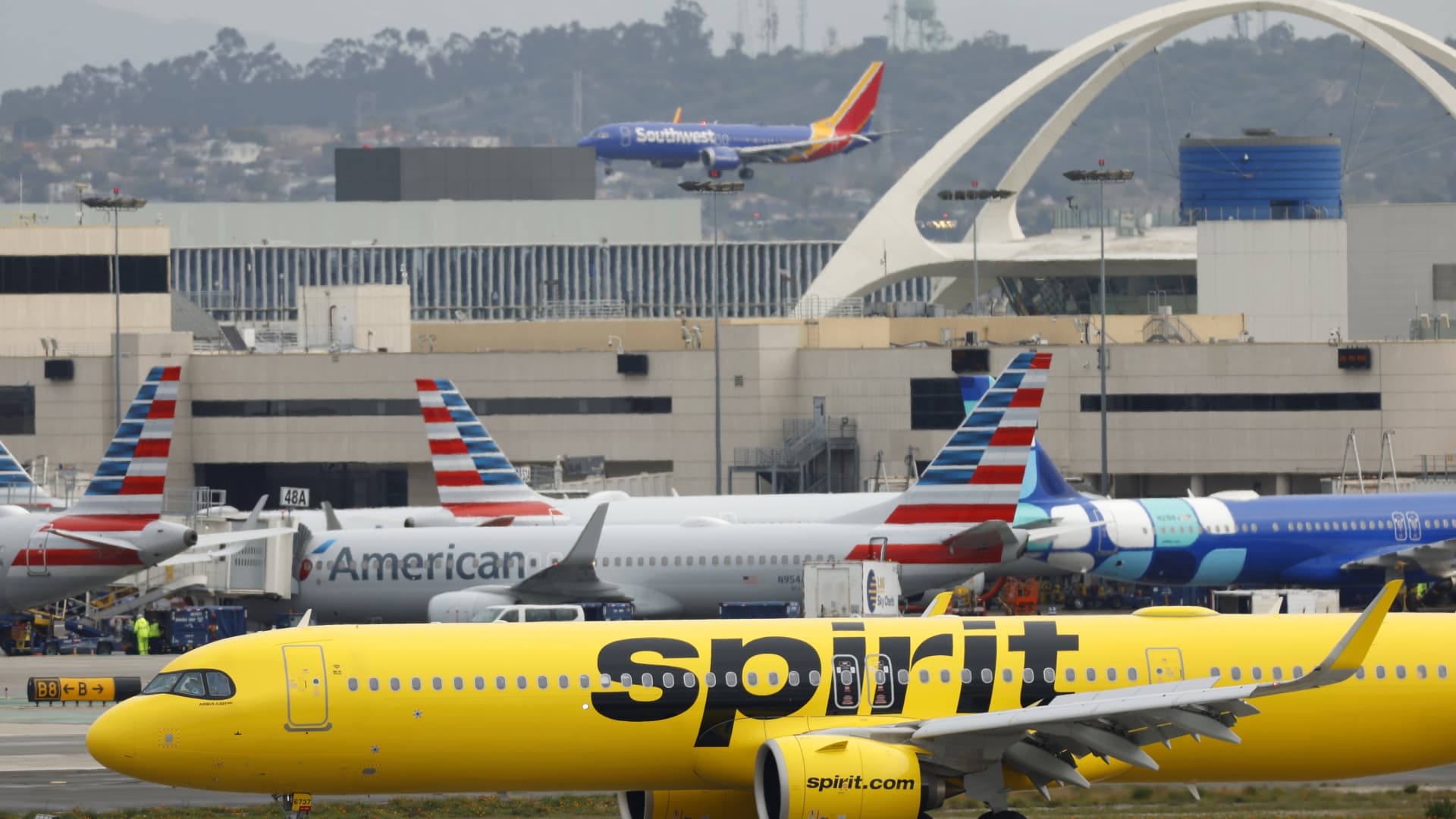
- Route Restructuring Accelerates: Spirit Airlines abruptly ceased operations on Saturday, stranding thousands of passengers, prompting competitors to quickly unveil new flights to fill the market void, highlighting fierce competition for routes and airport resources among airlines.
- Fare Increase Expectations: Analysts indicate that Spirit's collapse is likely to drive up fares across the industry, particularly as fuel prices have already surged, with airlines potentially increasing unit revenues by reducing excess point-to-point capacity.
- Competitors Respond Swiftly: Airlines like JetBlue and Breeze Airways rapidly announced new flights, with JetBlue planning to add multiple new destinations from Fort Lauderdale, demonstrating its commitment to capturing market share following Spirit's exit.
- Uncertain Industry Outlook: With Spirit's shutdown, low-cost carriers face increased pressure, especially amid rising fuel costs, leading industry observers to closely monitor the strategies and future prospects of other budget airlines.
See More
JetBlue Expands Fort Lauderdale Routes and Loyalty Match Program
- Route Expansion: JetBlue's expansion in Fort Lauderdale includes 11 new destinations and increased frequencies on existing routes, expecting to operate nearly 130 daily departures this summer, which is over 75% more than in 2025, significantly enhancing customer travel options and convenience.
- New City Services: New nonstop services include Barranquilla and Cali in Colombia, Baltimore, Charlotte, Columbus, and Indianapolis, further strengthening JetBlue's market position in South Florida and meeting customer demand for diverse routes.
- Loyalty Match Program: JetBlue has introduced a loyalty status match program for eligible Spirit Airlines Free Spirit Silver and Gold members, allowing them to easily transition to JetBlue's TrueBlue Mosaic status and enjoy enhanced travel benefits, thereby increasing customer loyalty.
- Enhanced Customer Experience: JetBlue continues to offer fast, free unlimited Fly-Fi, seatback entertainment, and complimentary snacks, aiming to provide a comfortable and caring travel experience for South Florida travelers, solidifying its leadership position in the market.
See More
Spirit Airlines Shuts Down, 17,000 Jobs Lost Amid Bankruptcy
- Bankruptcy Closure: Spirit Airlines announced its shutdown on May 2, 2026, after two bankruptcies, resulting in approximately 17,000 job losses, highlighting the company's vulnerability amid soaring fuel prices and competitive pressures.
- Failed Government Bailout: Despite efforts to secure a $500 million loan from the Trump administration to stay afloat, the lack of agreement with bondholders led to the failure of the bailout, reflecting the company's financial struggles.
- Intensified Market Competition: Major airlines began to replicate Spirit's low-cost model, eroding its market share, and the airline has not turned a profit since 2019, underscoring the need for industry consolidation.
- Executive Changes and Strategic Missteps: After its first bankruptcy, Spirit failed to make necessary asset divestitures to cut costs, leading to similar issues in its second bankruptcy, indicating management's strategic errors in crisis response.
See More
Spirit Airlines Announces Bankruptcy Closure
- Bankruptcy Closure: Spirit Airlines announced its closure after its second bankruptcy in less than a year, with CEO Dave Davis stating that the company simply “ran out of time,” resulting in approximately 17,000 employees losing their jobs, highlighting the severe challenges in the airline industry.
- Surging Fuel Prices: The surge in fuel prices due to the war in Iran, with crude oil exceeding $100 a barrel, severely impacted Spirit's plans to exit bankruptcy by mid-2026, demonstrating the volatility of operational costs in the airline sector.
- Failed Government Bailout: Spirit sought a $500 million loan from the Trump administration to stay afloat, but disagreements with bondholders prevented a deal, reflecting the complexities of financing in the aviation industry amidst economic pressures.
- Accelerated Industry Consolidation: The collapse of Spirit Airlines may accelerate consolidation in the airline sector, as CEO Davis noted that had the acquisition by JetBlue not been blocked two years ago, the company might not be in its current predicament, illustrating the competitive pressures faced by low-cost carriers.
See More
Spirit Aviation Holdings Begins Wind Down Operations Amid Bankruptcy
- Bankruptcy Liquidation Process: Spirit Aviation Holdings has begun winding down operations due to its second bankruptcy, primarily caused by jet fuel prices doubling from $85-$90 to $150-$200 since February due to the Middle East war, effectively ending its restructuring efforts and resulting in significant losses for investors.
- Shareholder Compensation Outlook: In the liquidation process, Spirit's shareholders are at the bottom of the priority list and face the risk of receiving nothing, as remaining assets may not cover debts after secured creditors and other obligations are settled.
- Industry-Wide Struggles: All airlines are affected by soaring fuel costs, with average international flight fares increasing by 37% since the war began, and low-cost carriers are particularly hard hit due to their already thin margins, leading some to cancel flights to save on fuel.
- Uncertain Future: Although the White House considered a $500 million bailout to help Spirit survive, the withdrawal of this support has seen the airline's stock price plummet from $1.80 back to around $0.27, highlighting the fragility and uncertainty facing the airline industry amid rising fuel costs.
See More
Spirit Airlines Files for Bankruptcy Amid Rising Fuel Costs
- Bankruptcy Filing: Spirit Aviation Holdings, the parent company of Spirit Airlines, has initiated liquidation this week, marking its second bankruptcy in two years, leaving shareholders at risk of losing all their investments.
- Soaring Fuel Costs: The price of airline fuel has nearly doubled since February due to the oil supply shock from the Middle East war, rising from $85-$90 to $150-$200, which directly undermined Spirit's restructuring efforts.
- Creditor Hierarchy: In the liquidation process, secured creditors will be paid first, with Spirit's assets sold to settle debts, leaving shareholders at the bottom of the priority list with virtually no chance of recovering any value.
- Industry-Wide Struggles: The financial strain is not limited to Spirit; other airlines are also grappling with rising fuel prices, and while some larger carriers can pass costs to passengers, low-cost airlines like Spirit are facing severely squeezed profit margins.
See More
Spirit Airlines Collapse Triggers Route Restructuring
- Route Restructuring Accelerates: Spirit Airlines abruptly ceased operations on Saturday, stranding thousands of passengers, prompting competitors to quickly unveil new flights to fill the market void, highlighting fierce competition for routes and airport resources among airlines.
- Fare Increase Expectations: Analysts indicate that Spirit's collapse is likely to drive up fares across the industry, particularly as fuel prices have already surged, with airlines potentially increasing unit revenues by reducing excess point-to-point capacity.
- Competitors Respond Swiftly: Airlines like JetBlue and Breeze Airways rapidly announced new flights, with JetBlue planning to add multiple new destinations from Fort Lauderdale, demonstrating its commitment to capturing market share following Spirit's exit.
- Uncertain Industry Outlook: With Spirit's shutdown, low-cost carriers face increased pressure, especially amid rising fuel costs, leading industry observers to closely monitor the strategies and future prospects of other budget airlines.
See More