JBS USA Workers Strike for Higher Wages Amid Soaring Beef Prices
- Record-Setting Strike: Approximately 3,800 workers at JBS USA's Greeley, Colorado beef-processing plant have gone on strike, marking the largest meat industry strike in over 40 years, highlighting significant worker dissatisfaction regarding wages and living costs.
- Negotiation Breakdown: JBS's proposal to raise wages by 60 cents per hour in the first year and 30 cents annually for the next two years was rejected by the union, indicating a stalemate in negotiations as the company failed to meet inflationary wage demands.
- Diverse Worker Demands: The union is also demanding that JBS cease charging workers for protective gear required on-site, reflecting broader concerns about working conditions and benefits, which further escalates tensions between the workforce and management.
- Context of Rising Beef Prices: Against the backdrop of soaring beef prices in the U.S., this strike not only disrupts JBS's production capacity but is expected to impact the entire industry's supply chain, potentially leading to further increases in beef prices.
Trade with 70% Backtested Accuracy
Analyst Views on JBS

About JBS
About the author

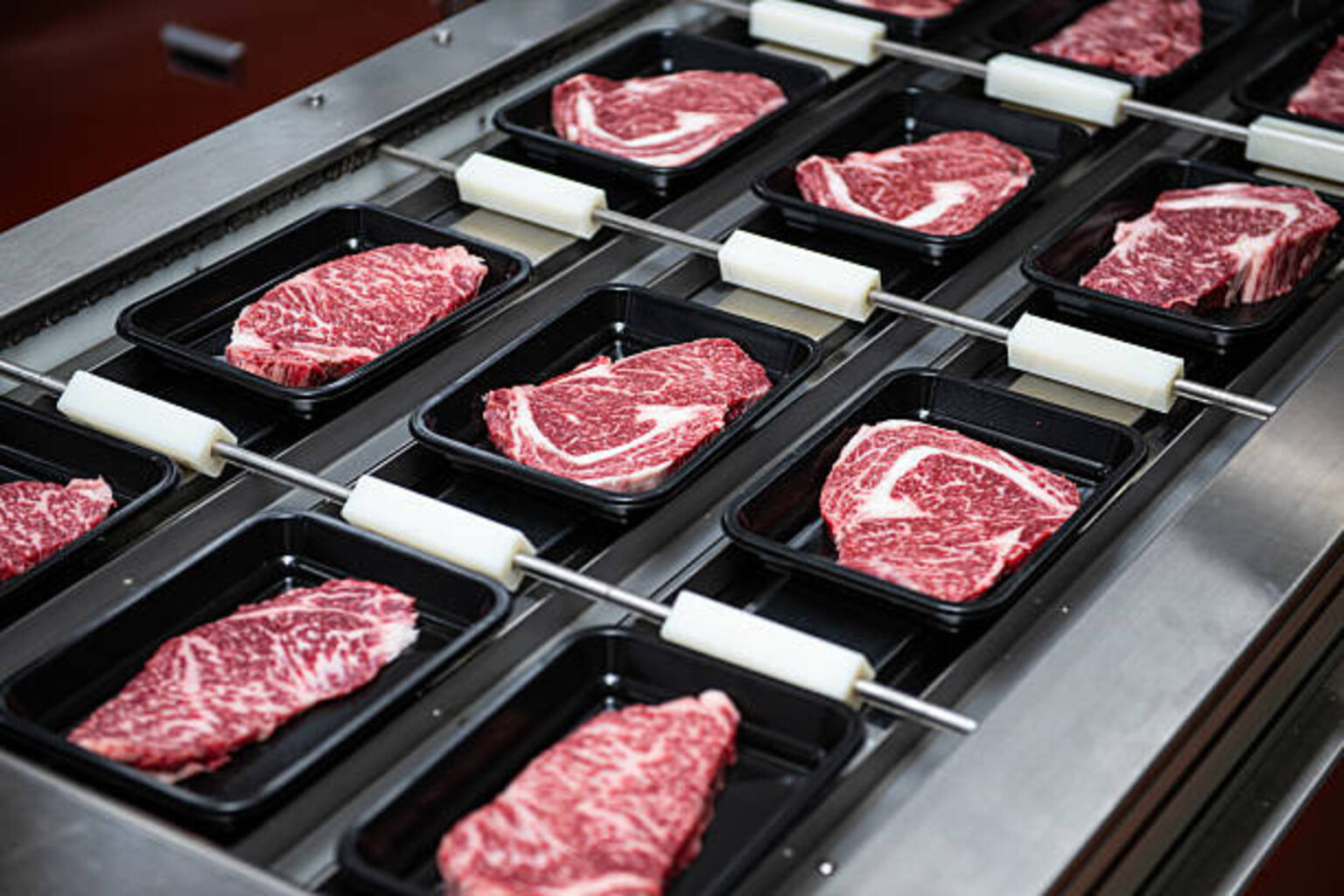
JBS USA Workers Strike for Higher Wages Amid Soaring Beef Prices

- Record-Setting Strike: Approximately 3,800 workers at JBS USA's Greeley, Colorado beef-processing plant have gone on strike, marking the largest meat industry strike in over 40 years, highlighting significant worker dissatisfaction regarding wages and living costs.
- Negotiation Breakdown: JBS's proposal to raise wages by 60 cents per hour in the first year and 30 cents annually for the next two years was rejected by the union, indicating a stalemate in negotiations as the company failed to meet inflationary wage demands.
- Diverse Worker Demands: The union is also demanding that JBS cease charging workers for protective gear required on-site, reflecting broader concerns about working conditions and benefits, which further escalates tensions between the workforce and management.
- Context of Rising Beef Prices: Against the backdrop of soaring beef prices in the U.S., this strike not only disrupts JBS's production capacity but is expected to impact the entire industry's supply chain, potentially leading to further increases in beef prices.

Washington Targets Big Meat Amid Rising Beef Prices: Implications for Tyson Foods.

- Rising Beef Prices: The increase in beef prices is prompting discussions in Washington about the structure of the U.S. meat industry.
- Industry Concentration Concerns: Lawmakers are questioning whether the concentration of the meat industry is contributing to the rising costs for consumers.
- Regulatory Review: The situation may lead to a review of regulations and policies governing the meat industry to ensure fair competition.
- Impact on Consumers: The rising prices and industry dynamics are likely to affect consumers, raising concerns about food affordability and access.

JBS N.V. Invests $150 Million in Omani Food Business
- Investment Agreement: On February 8, 2026, JBS N.V. reached an agreement to invest $150 million for an 80% stake in a food business in Oman, enhancing its presence in the Middle East and contributing to local economic development.
- Production Capacity Boost: This investment will enable JBS to establish fresh meat production in Oman, sourcing supplies from local producers, thereby promoting growth in the Omani agriculture and food industry.
- Analyst Rating Upgrade: UBS analyst Matheus Enfeldt initiated coverage of JBS N.V. with a Buy rating and a $19.50 price target on February 5, 2026, indicating a 23% upside and reflecting market optimism about its future performance.
- Capital Expenditure Potential: UBS noted that JBS's $1 billion annual expansion capex is not yet fully reflected in its current stock price, with expectations for a re-rating over the next two years as the company lists in the U.S. and is included in domestic indices, presenting investment opportunities.

U.S. Beef Prices Surge to Record Highs Amid Supply Shortages
- Beef Price Surge: The average price of beef in the U.S. has reached a record $6.67 per pound, reflecting a 20.5% increase over the past year, marking the fastest rise since 2018 and highlighting severe supply-demand imbalances.
- Historic Cattle Shortage: According to USDA data, U.S. cattle and calves inventory has fallen to approximately 85 million head, the lowest level since 1951, down about 45 million from the 1975 peak, contributing to ongoing price increases in beef.
- Future Supply Challenges: Even if ranchers begin expanding herds today, new supply is not expected to significantly reach grocery shelves until 2028 at the earliest, indicating the depth of the current cattle contraction and the slow recovery cycle ahead.
- Strong Demand and Price Forecast: The USDA projects total red meat and poultry production to reach 108.4 billion pounds in 2026, with beef production expected to decline again, yet strong consumer demand is anticipated to push beef prices up by 7%.
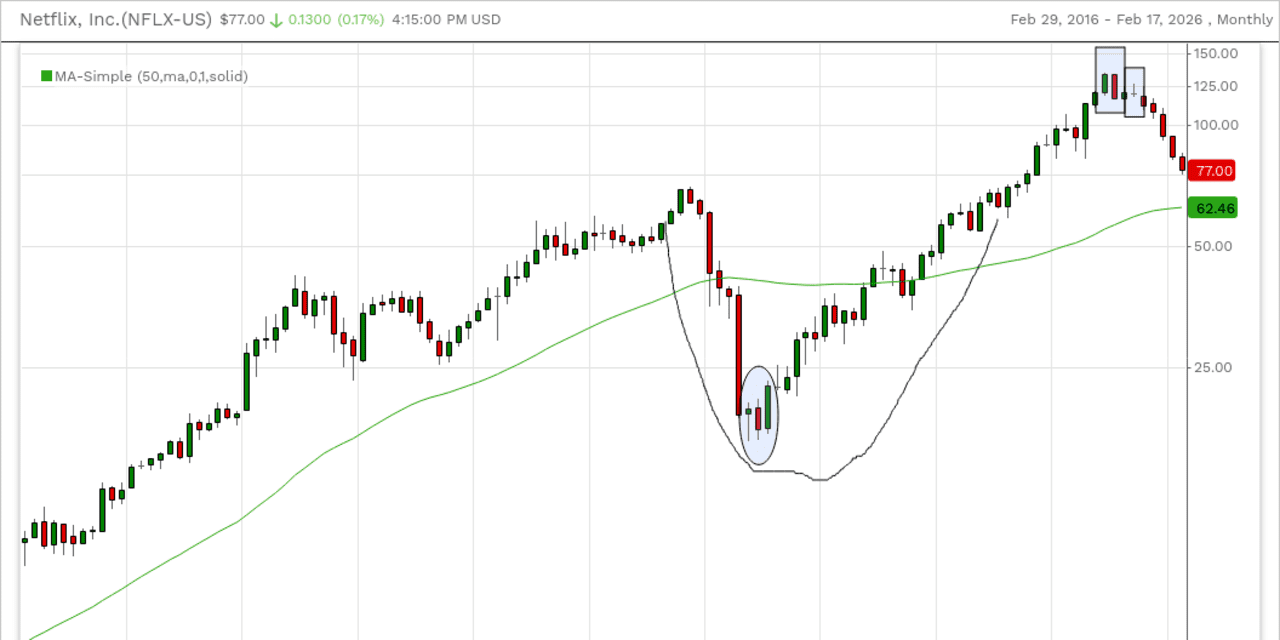
Reemerging on the Scene: Previous Selections Present New Possibilities


Market Cycles: Markets operate in cycles, indicating that trends and leadership positions are temporary.
Leadership Rotation: Leadership within markets rotates, consolidates, and eventually reemerges over time.

Treasuries May Alleviate Market Concerns About AI: Reasons and 5 Additional Insights for Today.


Investor Concerns: Investors are grappling with uncertainties related to artificial intelligence, U.S. interest rates, and geopolitical tensions, particularly between Washington and Tehran.
Shift in Asset Preference: As a result of these concerns, investors are now seeking protection in assets they previously avoided, indicating a shift in market sentiment.
JBS USA Workers Strike for Higher Wages Amid Soaring Beef Prices
- Record-Setting Strike: Approximately 3,800 workers at JBS USA's Greeley, Colorado beef-processing plant have gone on strike, marking the largest meat industry strike in over 40 years, highlighting significant worker dissatisfaction regarding wages and living costs.
- Negotiation Breakdown: JBS's proposal to raise wages by 60 cents per hour in the first year and 30 cents annually for the next two years was rejected by the union, indicating a stalemate in negotiations as the company failed to meet inflationary wage demands.
- Diverse Worker Demands: The union is also demanding that JBS cease charging workers for protective gear required on-site, reflecting broader concerns about working conditions and benefits, which further escalates tensions between the workforce and management.
- Context of Rising Beef Prices: Against the backdrop of soaring beef prices in the U.S., this strike not only disrupts JBS's production capacity but is expected to impact the entire industry's supply chain, potentially leading to further increases in beef prices.
Washington Targets Big Meat Amid Rising Beef Prices: Implications for Tyson Foods.
- Rising Beef Prices: The increase in beef prices is prompting discussions in Washington about the structure of the U.S. meat industry.
- Industry Concentration Concerns: Lawmakers are questioning whether the concentration of the meat industry is contributing to the rising costs for consumers.
- Regulatory Review: The situation may lead to a review of regulations and policies governing the meat industry to ensure fair competition.
- Impact on Consumers: The rising prices and industry dynamics are likely to affect consumers, raising concerns about food affordability and access.
JBS N.V. Invests $150 Million in Omani Food Business
- Investment Agreement: On February 8, 2026, JBS N.V. reached an agreement to invest $150 million for an 80% stake in a food business in Oman, enhancing its presence in the Middle East and contributing to local economic development.
- Production Capacity Boost: This investment will enable JBS to establish fresh meat production in Oman, sourcing supplies from local producers, thereby promoting growth in the Omani agriculture and food industry.
- Analyst Rating Upgrade: UBS analyst Matheus Enfeldt initiated coverage of JBS N.V. with a Buy rating and a $19.50 price target on February 5, 2026, indicating a 23% upside and reflecting market optimism about its future performance.
- Capital Expenditure Potential: UBS noted that JBS's $1 billion annual expansion capex is not yet fully reflected in its current stock price, with expectations for a re-rating over the next two years as the company lists in the U.S. and is included in domestic indices, presenting investment opportunities.
U.S. Beef Prices Surge to Record Highs Amid Supply Shortages
- Beef Price Surge: The average price of beef in the U.S. has reached a record $6.67 per pound, reflecting a 20.5% increase over the past year, marking the fastest rise since 2018 and highlighting severe supply-demand imbalances.
- Historic Cattle Shortage: According to USDA data, U.S. cattle and calves inventory has fallen to approximately 85 million head, the lowest level since 1951, down about 45 million from the 1975 peak, contributing to ongoing price increases in beef.
- Future Supply Challenges: Even if ranchers begin expanding herds today, new supply is not expected to significantly reach grocery shelves until 2028 at the earliest, indicating the depth of the current cattle contraction and the slow recovery cycle ahead.
- Strong Demand and Price Forecast: The USDA projects total red meat and poultry production to reach 108.4 billion pounds in 2026, with beef production expected to decline again, yet strong consumer demand is anticipated to push beef prices up by 7%.
Reemerging on the Scene: Previous Selections Present New Possibilities
Market Cycles: Markets operate in cycles, indicating that trends and leadership positions are temporary.
Leadership Rotation: Leadership within markets rotates, consolidates, and eventually reemerges over time.
Treasuries May Alleviate Market Concerns About AI: Reasons and 5 Additional Insights for Today.
Investor Concerns: Investors are grappling with uncertainties related to artificial intelligence, U.S. interest rates, and geopolitical tensions, particularly between Washington and Tehran.
Shift in Asset Preference: As a result of these concerns, investors are now seeking protection in assets they previously avoided, indicating a shift in market sentiment.