Japan's Prime Minister Meets Trump Amid Controversy
Written by Emily J. Thompson, Senior Investment Analyst
Updated: 1 hour ago
0mins

Should l Buy UAMY?
Source: CNBC
- Meeting Context: Japan's Prime Minister Sanae Takaichi met with U.S. President Donald Trump on March 19, 2026, in Washington, D.C., following her landslide electoral victory, highlighting Japan's significance in international affairs.
- Pearl Harbor Reference: Trump referenced the Pearl Harbor attack during the meeting, suggesting Japan should have informed allies about the surprise attack on Iran, which caused Takaichi to visibly react with unease, indicating the delicate nature of U.S.-Japan relations.
- Strait Security Cooperation: Trump praised Japan for its efforts to secure the Strait of Hormuz, although Takaichi stated there were no plans to dispatch naval vessels, reflecting Japan's legal constraints on military involvement and the complexities of its foreign policy.
- International Reactions: Prior to the meeting, Japan and other nations issued a joint statement expressing readiness to contribute to ensuring safe passage through the Strait, while Germany and France made it clear they would not engage in military actions, showcasing differing international stances on the regional situation.
Trade with 70% Backtested Accuracy
Stop guessing "Should I Buy UAMY?" and start using high-conviction signals backed by rigorous historical data.
Sign up today to access powerful investing tools and make smarter, data-driven decisions.
Analyst Views on UAMY
Wall Street analysts forecast UAMY stock price to rise
3 Analyst Rating
3 Buy
0 Hold
0 Sell
Strong Buy
Current: 9.340

Low
9.75
Averages
10.00
High
10.25
Current: 9.340
Low
9.75
Averages
10.00
High
10.25
About UAMY
United States Antimony Corporation is engaged in the production and sale of antimony, precious metals, primarily gold and silver, and zeolite products. The Company has two reportable segments: antimony and zeolite. Its antimony segment consists of its facility located in the Burns Mining District of Sanders County in Montana that processes ore primarily into antimony oxide, antimony metal, antimony trisulfide, and precious metals, and its two facilities in its US Antimony de Mexico, S.A. de C.V. (USAMSA) subsidiary located in Mexico that process ore primarily into antimony metal and a lower grade of antimony oxide. Its zeolite segment includes its vertically integrated Bear River Zeolite (BRZ) facility located in Preston, Idaho that mines, processes, and sells zeolite. Its zeolite has been used in soil amendment and fertilizer, water filtration, and sewage treatment. The Company also operates Fostung Tungsten Property located near Sudbury, Ontario, Canada, near the town of Espanola.
About the author

Emily J. Thompson
Emily J. Thompson, a Chartered Financial Analyst (CFA) with 12 years in investment research, graduated with honors from the Wharton School. Specializing in industrial and technology stocks, she provides in-depth analysis for Intellectia’s earnings and market brief reports.

United States Antimony Reports Strong Revenue Growth Amid EPS Miss

- Earnings Report: United States Antimony's FY GAAP EPS of -$0.04 misses expectations by $0.01, yet revenue of $39.26M, reflecting a 162.8% year-over-year increase, indicates strong growth potential in the market.
- Revenue Guidance Reaffirmed: The company reiterates its 2026 gross revenue target of $125 million, demonstrating management's confidence in future growth and aiming to achieve this through strategic execution.
- Government Contract Awarded: United States Antimony secures a $27 million government contract focused on critical minerals development, further solidifying its strategic position in the U.S. market.
- Market Dependency Shift: U.S. agencies are developing a price floor for critical minerals to reduce dependence on China, reflecting a strategic shift in the U.S. supply chain for critical minerals, which may present new market opportunities for the company.
See More

United States Antimony Corp Acquires Tungsten Mine
- Tungsten Acquisition: United States Antimony Corp's acquisition of a tungsten mine in Ontario, Canada, boasts an inferred resource value exceeding $4.6 billion, marking a significant expansion in the mining sector that is expected to bolster future revenue growth.
- Government Contract: The company secured a $248 million contract with the U.S. government to deliver antimony ingots over five years, which not only enhances cash flow but also strengthens its position in the government procurement market.
- Financial Performance: In 2025, the company reported revenues of $39.3 million, a 163% increase year-over-year, and a gross profit rise of 185%, although net losses increased from $1.7 million to $4.3 million primarily due to $6.7 million in noncash expenses, highlighting challenges in balancing revenue growth with cost control.
- Operational Expansion: UAMY has expanded its mining operations in Montana and Alaska, and despite facing delays in permitting and supplier issues, it aims to reduce reliance on foreign antimony sources by increasing vertical integration, thereby enhancing long-term competitiveness.
See More
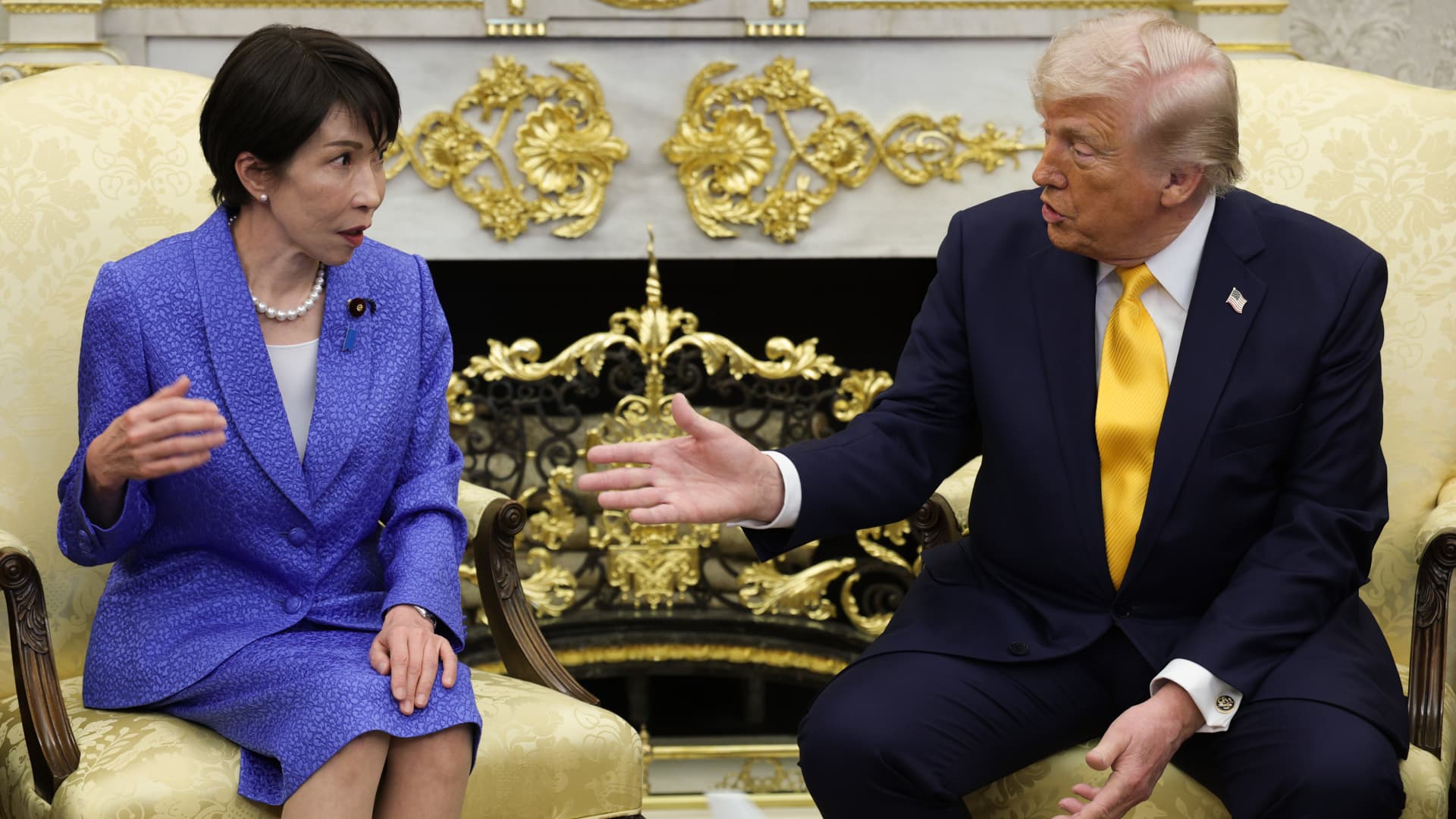
Japan's Prime Minister Meets Trump Amid Controversy

- Meeting Context: Japan's Prime Minister Sanae Takaichi met with U.S. President Donald Trump on March 19, 2026, in Washington, D.C., following her landslide electoral victory, highlighting Japan's significance in international affairs.
- Pearl Harbor Reference: Trump referenced the Pearl Harbor attack during the meeting, suggesting Japan should have informed allies about the surprise attack on Iran, which caused Takaichi to visibly react with unease, indicating the delicate nature of U.S.-Japan relations.
- Strait Security Cooperation: Trump praised Japan for its efforts to secure the Strait of Hormuz, although Takaichi stated there were no plans to dispatch naval vessels, reflecting Japan's legal constraints on military involvement and the complexities of its foreign policy.
- International Reactions: Prior to the meeting, Japan and other nations issued a joint statement expressing readiness to contribute to ensuring safe passage through the Strait, while Germany and France made it clear they would not engage in military actions, showcasing differing international stances on the regional situation.
See More
United States Antimony Corporation Q4 2025 Earnings Call Highlights
- Significant Resource Acquisition: The acquisition of a tungsten property in Ontario, Canada, now holds an inferred resource value exceeding $4.6 billion, demonstrating the company's strategic positioning in critical mineral resources, which is expected to provide robust support for future growth.
- Contract Expansion and Revenue Growth: The $248 million sole-source antimony ingot contract with the U.S. Defense Logistics Agency anticipates $75 million in deliveries for 2026, driving 2025 sales to $39.3 million, a 163% year-over-year increase, showcasing strong market demand and execution capabilities.
- Improved Financial Position: By the end of 2025, the company reported a cash balance of $91.3 million and working capital of $44.6 million, with antimony inventory rising from 78 tons to 465 tons, reflecting significant progress in resource management and financial stability.
- Enhanced Governance Structure: The appointment of new independent board members will strengthen governance and industry influence, while the company's expansion plans in Alaska and Canada indicate a pivotal role in the critical mineral supply chain moving forward.
See More
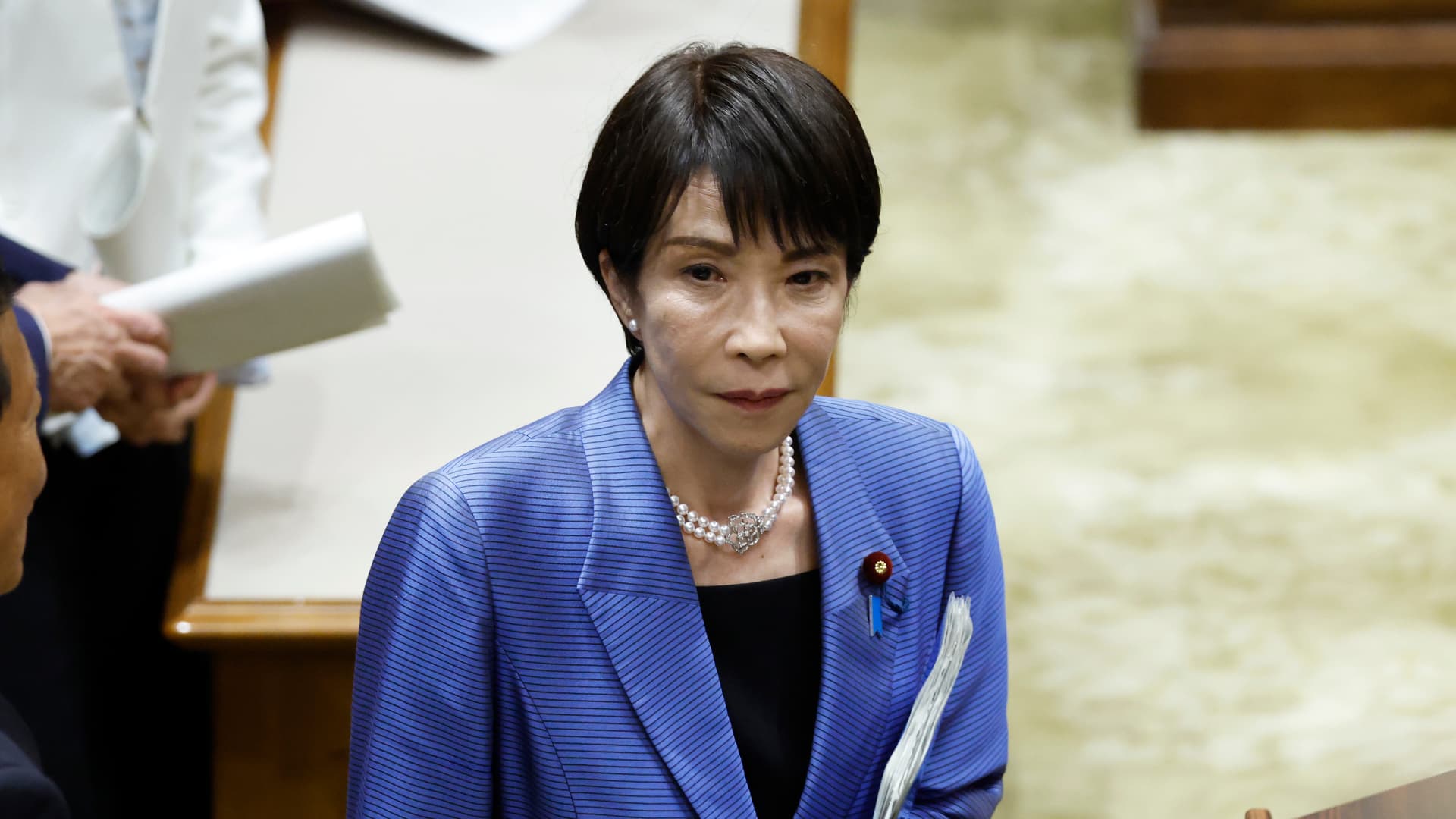
Japan's Prime Minister's Taiwan Remarks Spark Controversy

- Consistency in Policy: Prime Minister Sanae Takaichi stated in parliament that her remarks regarding Taiwan were not intended to signal a significant policy shift, with Chief Cabinet Secretary Minoru Kihara reaffirming Tokyo's consistent stance, aiming to stabilize both domestic and international confidence in Japan's position on Taiwan.
- Strong Chinese Reaction: Takaichi's comments provoked a fierce response from China, leading to a suspension of seafood imports from Japan and travel advisories for Chinese nationals, resulting in a sharp decline in Chinese tourist numbers, highlighting the potential economic impact of escalating tensions on Japan's tourism sector.
- Potential Military Intervention: By characterizing China's military threats to Taiwan as a
See More
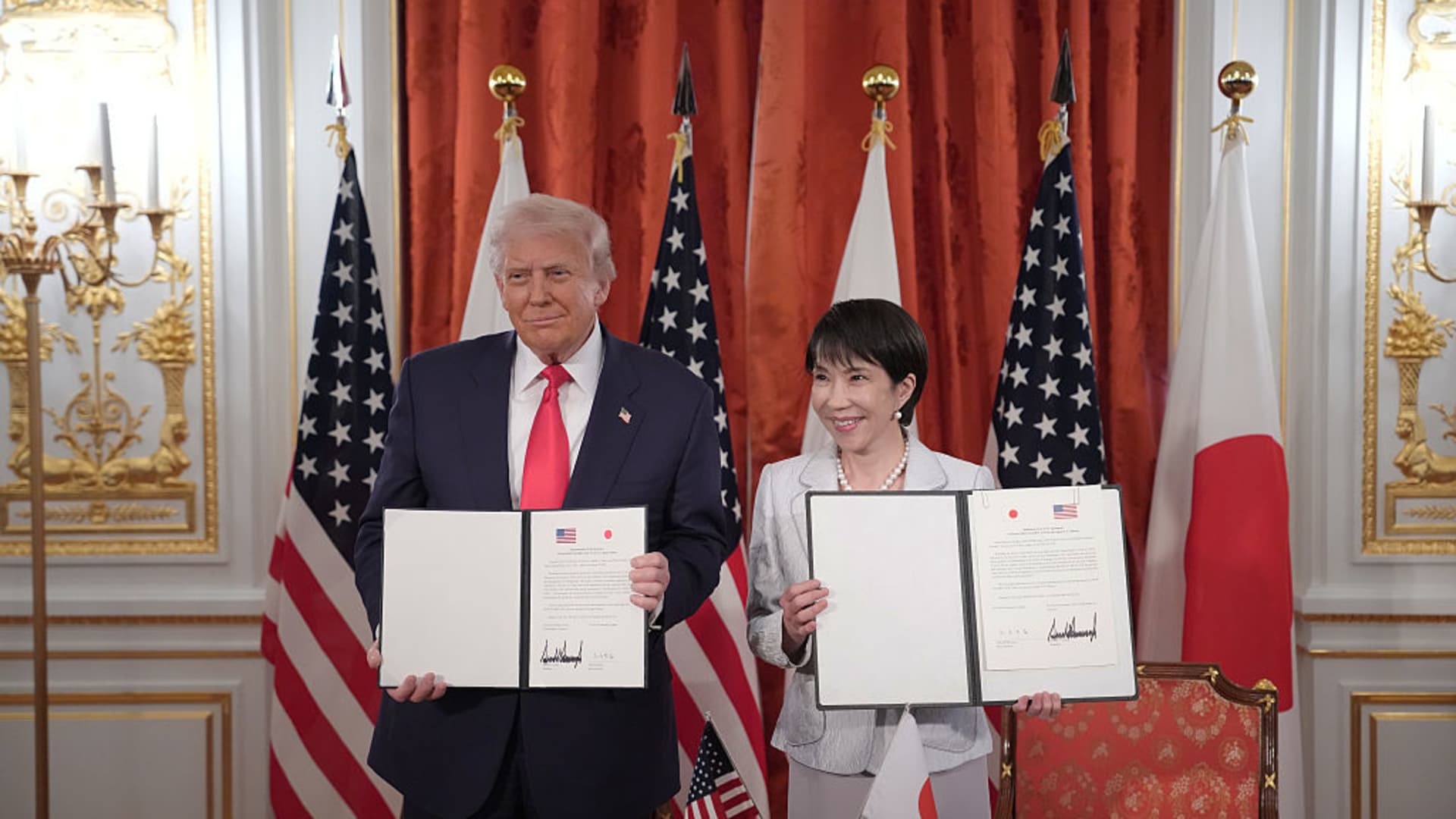
Japan and US Sign Critical Minerals Agreement

- Investment Plans Advance: Japan is set to announce a second round of investments in the U.S. totaling 11 trillion yen (approximately $69.2 billion), which includes the construction of next-generation nuclear reactors and natural gas power plants, aiming to further solidify economic ties and enhance Japan's influence in the global energy market.
- Security Cooperation Discussions: During the meeting with Trump, while the Iran conflict will dominate the agenda, Prime Minister Takaichi will reaffirm the importance of the Japan-U.S. alliance, indicating Japan's commitment to maintaining security in the Indo-Pacific region despite domestic opposition to military involvement.
- Tariff Negotiation Outcomes: If Takaichi can secure assurances that Japan will not face higher tariffs under Trump's implemented mechanisms, it would be seen as a significant victory, helping to protect Japanese exports and strengthen its negotiating position with the U.S.
- Political Capital Considerations: Takaichi must carefully navigate domestic and international pressures when considering the deployment of Japanese Self-Defense Forces to the Middle East, ensuring that she does not jeopardize her political capital while seeking flexibility in diplomatic and logistical support to safeguard national interests.
See More
United States Antimony Reports Strong Revenue Growth Amid EPS Miss
- Earnings Report: United States Antimony's FY GAAP EPS of -$0.04 misses expectations by $0.01, yet revenue of $39.26M, reflecting a 162.8% year-over-year increase, indicates strong growth potential in the market.
- Revenue Guidance Reaffirmed: The company reiterates its 2026 gross revenue target of $125 million, demonstrating management's confidence in future growth and aiming to achieve this through strategic execution.
- Government Contract Awarded: United States Antimony secures a $27 million government contract focused on critical minerals development, further solidifying its strategic position in the U.S. market.
- Market Dependency Shift: U.S. agencies are developing a price floor for critical minerals to reduce dependence on China, reflecting a strategic shift in the U.S. supply chain for critical minerals, which may present new market opportunities for the company.
See More
United States Antimony Corp Acquires Tungsten Mine
- Tungsten Acquisition: United States Antimony Corp's acquisition of a tungsten mine in Ontario, Canada, boasts an inferred resource value exceeding $4.6 billion, marking a significant expansion in the mining sector that is expected to bolster future revenue growth.
- Government Contract: The company secured a $248 million contract with the U.S. government to deliver antimony ingots over five years, which not only enhances cash flow but also strengthens its position in the government procurement market.
- Financial Performance: In 2025, the company reported revenues of $39.3 million, a 163% increase year-over-year, and a gross profit rise of 185%, although net losses increased from $1.7 million to $4.3 million primarily due to $6.7 million in noncash expenses, highlighting challenges in balancing revenue growth with cost control.
- Operational Expansion: UAMY has expanded its mining operations in Montana and Alaska, and despite facing delays in permitting and supplier issues, it aims to reduce reliance on foreign antimony sources by increasing vertical integration, thereby enhancing long-term competitiveness.
See More
Japan's Prime Minister Meets Trump Amid Controversy
- Meeting Context: Japan's Prime Minister Sanae Takaichi met with U.S. President Donald Trump on March 19, 2026, in Washington, D.C., following her landslide electoral victory, highlighting Japan's significance in international affairs.
- Pearl Harbor Reference: Trump referenced the Pearl Harbor attack during the meeting, suggesting Japan should have informed allies about the surprise attack on Iran, which caused Takaichi to visibly react with unease, indicating the delicate nature of U.S.-Japan relations.
- Strait Security Cooperation: Trump praised Japan for its efforts to secure the Strait of Hormuz, although Takaichi stated there were no plans to dispatch naval vessels, reflecting Japan's legal constraints on military involvement and the complexities of its foreign policy.
- International Reactions: Prior to the meeting, Japan and other nations issued a joint statement expressing readiness to contribute to ensuring safe passage through the Strait, while Germany and France made it clear they would not engage in military actions, showcasing differing international stances on the regional situation.
See More
United States Antimony Corporation Q4 2025 Earnings Call Highlights
- Significant Resource Acquisition: The acquisition of a tungsten property in Ontario, Canada, now holds an inferred resource value exceeding $4.6 billion, demonstrating the company's strategic positioning in critical mineral resources, which is expected to provide robust support for future growth.
- Contract Expansion and Revenue Growth: The $248 million sole-source antimony ingot contract with the U.S. Defense Logistics Agency anticipates $75 million in deliveries for 2026, driving 2025 sales to $39.3 million, a 163% year-over-year increase, showcasing strong market demand and execution capabilities.
- Improved Financial Position: By the end of 2025, the company reported a cash balance of $91.3 million and working capital of $44.6 million, with antimony inventory rising from 78 tons to 465 tons, reflecting significant progress in resource management and financial stability.
- Enhanced Governance Structure: The appointment of new independent board members will strengthen governance and industry influence, while the company's expansion plans in Alaska and Canada indicate a pivotal role in the critical mineral supply chain moving forward.
See More
Japan's Prime Minister's Taiwan Remarks Spark Controversy
- Consistency in Policy: Prime Minister Sanae Takaichi stated in parliament that her remarks regarding Taiwan were not intended to signal a significant policy shift, with Chief Cabinet Secretary Minoru Kihara reaffirming Tokyo's consistent stance, aiming to stabilize both domestic and international confidence in Japan's position on Taiwan.
- Strong Chinese Reaction: Takaichi's comments provoked a fierce response from China, leading to a suspension of seafood imports from Japan and travel advisories for Chinese nationals, resulting in a sharp decline in Chinese tourist numbers, highlighting the potential economic impact of escalating tensions on Japan's tourism sector.
- Potential Military Intervention: By characterizing China's military threats to Taiwan as a
See More
Japan and US Sign Critical Minerals Agreement
- Investment Plans Advance: Japan is set to announce a second round of investments in the U.S. totaling 11 trillion yen (approximately $69.2 billion), which includes the construction of next-generation nuclear reactors and natural gas power plants, aiming to further solidify economic ties and enhance Japan's influence in the global energy market.
- Security Cooperation Discussions: During the meeting with Trump, while the Iran conflict will dominate the agenda, Prime Minister Takaichi will reaffirm the importance of the Japan-U.S. alliance, indicating Japan's commitment to maintaining security in the Indo-Pacific region despite domestic opposition to military involvement.
- Tariff Negotiation Outcomes: If Takaichi can secure assurances that Japan will not face higher tariffs under Trump's implemented mechanisms, it would be seen as a significant victory, helping to protect Japanese exports and strengthen its negotiating position with the U.S.
- Political Capital Considerations: Takaichi must carefully navigate domestic and international pressures when considering the deployment of Japanese Self-Defense Forces to the Middle East, ensuring that she does not jeopardize her political capital while seeking flexibility in diplomatic and logistical support to safeguard national interests.
See More