Japan Approves ¥631.5B Subsidy to Boost AI Chipmaker Rapidus
Written by Emily J. Thompson, Senior Investment Analyst
Updated: Apr 13 2026
0mins
Should l Buy TSM?
Source: seekingalpha
- Government Funding Support: Japan has approved ¥631.5 billion (approximately $4 billion) in subsidies to accelerate local chipmaker Rapidus' entry into the AI chip market, with total government investments expected to reach ¥2.6 trillion (about $16.3 billion) by the end of the fiscal year 2027, significantly enhancing its market competitiveness.
- Technology Progress Acknowledgment: An external panel from Japan's Ministry of Economy, Trade and Industry inspected Rapidus' foundry in Hokkaido and confirmed its technological advancements, further boosting investor confidence and laying the groundwork for collaboration with IT firm Fujitsu.
- R&D Project Approval: Rapidus' plans and budget for fiscal year 2026 have been approved by Japan's New Energy and Industrial Technology Development Organization (NEDO), covering the research and development of 2-nanometer semiconductor integration technology and manufacturing processes, marking a significant step in Japan's semiconductor innovation.
- Market Target Setting: Japan aims to quintuple local semiconductor sales to ¥40 trillion (approximately $253.6 billion) by 2040, aligning with Rapidus' objectives to reduce dependence on Taiwan Semiconductor Manufacturing Company (TSMC) and enhance the country's position in the global semiconductor industry.
Trade with 70% Backtested Accuracy
Stop guessing "Should I Buy TSM?" and start using high-conviction signals backed by rigorous historical data.
Sign up today to access powerful investing tools and make smarter, data-driven decisions.
Analyst Views on TSM
Wall Street analysts forecast TSM stock price to fall
8 Analyst Rating
7 Buy
1 Hold
0 Sell
Strong Buy
Current: 382.660

Low
63.24
Averages
313.46
High
390.00
Current: 382.660
Low
63.24
Averages
313.46
High
390.00
About TSM
Taiwan Semiconductor Manufacturing Co Ltd is a Taiwan-based integrated circuit foundry service provider. The Company is primarily engaged in integrated circuit manufacturing services. It offers advanced process technologies, specialised process solutions, advanced photomask and silicon stacking, and packaging-related technologies, while supporting a comprehensive design ecosystem. The Company's products serve diverse electronic sectors including artificial intelligence, high-performance computing, wired and wireless communications, automotive and industrial equipment, personal computing, information applications, consumer electronics, smart internet of things, and wearable devices.
About the author

Emily J. Thompson
Emily J. Thompson, a Chartered Financial Analyst (CFA) with 12 years in investment research, graduated with honors from the Wharton School. Specializing in industrial and technology stocks, she provides in-depth analysis for Intellectia’s earnings and market brief reports.
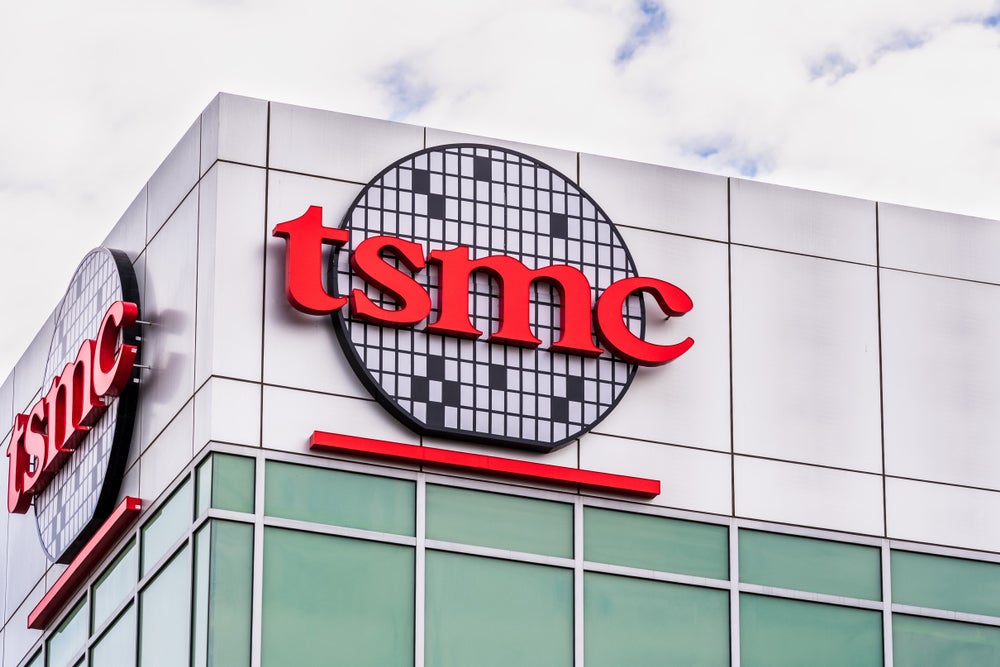
TSMC Shares Hit Record High as Regulator Eases Stock Allocation Rules

- Record High Stock Price: TSMC shares surged 5% to a new all-time high, reflecting strong market confidence in its future growth, particularly amid the booming demand for artificial intelligence.
- Regulatory Easing: Taiwan's regulator plans to loosen restrictions on fund allocations to single stocks, allowing domestic equity funds and actively managed ETFs to allocate up to 25% of their assets to any listed firm with a market cap above 10%, creating more investment opportunities for TSMC.
- Strong Earnings Performance: TSMC reported a net income of NT$572.48 billion for Q1, a 58% year-over-year increase that exceeded market expectations, showcasing its robust profitability amid surging chip demand.
- Growing Client Demand: As the world's largest contract chipmaker, TSMC continues to benefit from strong demand from major clients like Apple and the rapidly expanding AI market, particularly in manufacturing advanced processors for companies like Nvidia, further solidifying its market leadership.
See More

TSMC Plans Advanced Chip Packaging Facility in Arizona by 2029
- Manufacturing Footprint Expansion: TSMC plans to open an advanced chip packaging facility in Arizona by 2029, aiming to broaden its U.S. manufacturing capabilities and reduce the need to ship chips back to Taiwan for packaging, thereby lowering supply chain costs.
- Technology Capability Development: Deputy COO Kevin Zhang confirmed that the facility will feature CoWoS and 3D-IC packaging capabilities, which are critical for high-performance and AI chips, particularly for customers like Nvidia and Apple.
- Construction Progress: TSMC has stated that construction has already begun, indicating that the company's expansion plans in Arizona are actively progressing, which is expected to significantly enhance its competitiveness in the U.S. market.
- Collaboration and Diversification: TSMC is collaborating with Amkor Technology to jointly introduce advanced packaging technologies in 2024, demonstrating the company's strategic intent to diversify its manufacturing footprint in response to evolving market demands.
See More

European Stocks Face Downbeat End Amid U.S.-Iran Ceasefire Concerns

- Market Sentiment: European stocks are poised for a downbeat end to the week amid ongoing concerns about the U.S.-Iran ceasefire, reflecting investor sensitivity to geopolitical risks.
- Tech Stock Rebound: Despite a negative session for Wall Street, U.S. futures were tentatively higher on Friday, with a rebound in tech stocks boosting the Nasdaq in premarket trading, indicating sustained confidence in the tech sector.
- Investment Strategy Advice: Kenny Polcari of SlateStone Wealth advises clients to remain calm amid market volatility, suggesting they buy the dip and focus on core AI stocks like IBM, Microsoft, and Nvidia for potential future gains.
- Commodity Investment Opportunities: Dominic Schnider from UBS Wealth Management emphasizes that increasing exposure to commodities can significantly reduce volatility, recommending diversified investments in energy, metals, and agriculture to navigate stock market uncertainties.
See More

Middle East Crisis Reshapes AI Chip Supply Chain


- Supply Chain Crisis Intensifies: Iranian strikes on Qatar's Ras Laffan Industrial City have damaged LNG production infrastructure, leading to helium supply disruptions and causing spot prices to double within weeks, exacerbating an already strained semiconductor manufacturing supply chain and impacting AI chip production capabilities.
- Significant Market Impact: Samsung and SK Hynix, which produce about two-thirds of the world's memory chips, rely on helium sourced from Qatar, and production target disruptions will directly affect the supply chains of U.S.-listed companies like Nvidia and Microsoft, potentially delaying their AI product deliveries.
- Long-Term Damage Risks: The New York Times reported that the war in Iran has caused damage to helium production infrastructure that could take years to restore, meaning that even if a ceasefire is reached, the Ras Laffan facilities will not come back online immediately, creating long-term uncertainty for investors.
- Vulnerability of Taiwan Semiconductors: Taiwan Semiconductor Manufacturing Company, which manufactures Nvidia's most advanced AI chips, imports 97.7% of its energy, and if helium and energy constraints persist for six months, Taiwan's industrial production could fall by 0.7%, highlighting its fragility in the global supply chain.
See More

Impact of Iran War on Chip Supply Chains
- Helium Supply Crisis: The Iran war has damaged helium production infrastructure at Qatar's Ras Laffan Industrial City, forcing QatarEnergy to declare force majeure and halt operations, resulting in helium spot prices doubling in the following weeks, which directly impacts the cost and supply of global semiconductor manufacturing.
- Pressure on Chipmakers: Samsung and SK Hynix, which produce two-thirds of the world's memory chips, are heavily reliant on helium, and disruptions in helium supply have led to rising industrial electricity prices in South Korea, affecting companies like Nvidia and Microsoft that depend on high-bandwidth memory.
- Micron Technology Risks: Micron's production processes are also helium-dependent, and if global supply tightens, its domestic production cannot provide adequate insulation; Morningstar warns that if the helium issues in Qatar persist through summer, Micron's margins could compress significantly.
- TSMC Vulnerability: Taiwan Semiconductor Manufacturing, which produces Nvidia's most advanced AI chips, imports 97.7% of its energy, and if helium and energy constraints last for six months, its industrial production could fall by 0.7%, highlighting its vulnerability in the supply chain.
See More
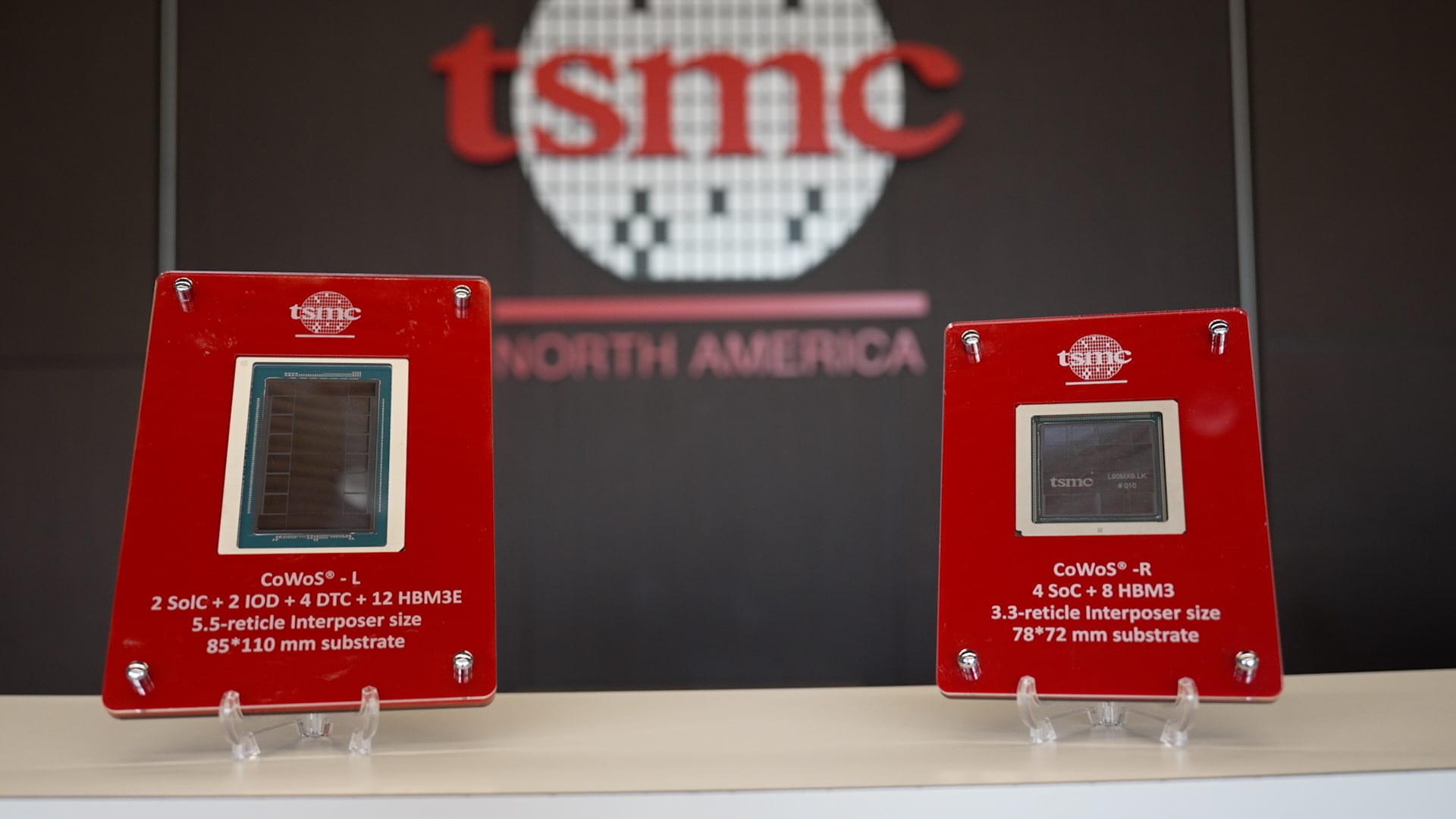
TSMC Shares Hit Record High as Regulators Loosen Investment Limits
- Stock Surge: TSMC shares surged 5% to a record high on Friday after the regulator announced plans to loosen investment limits on single stocks, reflecting strong market confidence in its future growth prospects.
- Investment Limit Changes: Under the revised framework, domestic equity funds and actively managed ETFs will be allowed to allocate up to 25% of their assets to any listed firm with a weighting above 10% on the Taiwan Stock Exchange, significantly enhancing investment flexibility for large companies like TSMC.
- Strong Profit Growth: TSMC reported a net income of NT$572.48 billion for the first quarter, a 58% year-over-year increase that exceeded market expectations, demonstrating robust demand for chips driven by artificial intelligence and solidifying its market leadership.
- Robust Client Demand: As the world's largest contract chipmaker, TSMC continues to benefit from strong demand for advanced processors designed by major clients like Apple and Nvidia, underscoring its strategic importance in the rapidly expanding AI market.
See More
TSMC Shares Hit Record High as Regulator Eases Stock Allocation Rules
- Record High Stock Price: TSMC shares surged 5% to a new all-time high, reflecting strong market confidence in its future growth, particularly amid the booming demand for artificial intelligence.
- Regulatory Easing: Taiwan's regulator plans to loosen restrictions on fund allocations to single stocks, allowing domestic equity funds and actively managed ETFs to allocate up to 25% of their assets to any listed firm with a market cap above 10%, creating more investment opportunities for TSMC.
- Strong Earnings Performance: TSMC reported a net income of NT$572.48 billion for Q1, a 58% year-over-year increase that exceeded market expectations, showcasing its robust profitability amid surging chip demand.
- Growing Client Demand: As the world's largest contract chipmaker, TSMC continues to benefit from strong demand from major clients like Apple and the rapidly expanding AI market, particularly in manufacturing advanced processors for companies like Nvidia, further solidifying its market leadership.
See More
TSMC Plans Advanced Chip Packaging Facility in Arizona by 2029
- Manufacturing Footprint Expansion: TSMC plans to open an advanced chip packaging facility in Arizona by 2029, aiming to broaden its U.S. manufacturing capabilities and reduce the need to ship chips back to Taiwan for packaging, thereby lowering supply chain costs.
- Technology Capability Development: Deputy COO Kevin Zhang confirmed that the facility will feature CoWoS and 3D-IC packaging capabilities, which are critical for high-performance and AI chips, particularly for customers like Nvidia and Apple.
- Construction Progress: TSMC has stated that construction has already begun, indicating that the company's expansion plans in Arizona are actively progressing, which is expected to significantly enhance its competitiveness in the U.S. market.
- Collaboration and Diversification: TSMC is collaborating with Amkor Technology to jointly introduce advanced packaging technologies in 2024, demonstrating the company's strategic intent to diversify its manufacturing footprint in response to evolving market demands.
See More
European Stocks Face Downbeat End Amid U.S.-Iran Ceasefire Concerns
- Market Sentiment: European stocks are poised for a downbeat end to the week amid ongoing concerns about the U.S.-Iran ceasefire, reflecting investor sensitivity to geopolitical risks.
- Tech Stock Rebound: Despite a negative session for Wall Street, U.S. futures were tentatively higher on Friday, with a rebound in tech stocks boosting the Nasdaq in premarket trading, indicating sustained confidence in the tech sector.
- Investment Strategy Advice: Kenny Polcari of SlateStone Wealth advises clients to remain calm amid market volatility, suggesting they buy the dip and focus on core AI stocks like IBM, Microsoft, and Nvidia for potential future gains.
- Commodity Investment Opportunities: Dominic Schnider from UBS Wealth Management emphasizes that increasing exposure to commodities can significantly reduce volatility, recommending diversified investments in energy, metals, and agriculture to navigate stock market uncertainties.
See More
Middle East Crisis Reshapes AI Chip Supply Chain
- Supply Chain Crisis Intensifies: Iranian strikes on Qatar's Ras Laffan Industrial City have damaged LNG production infrastructure, leading to helium supply disruptions and causing spot prices to double within weeks, exacerbating an already strained semiconductor manufacturing supply chain and impacting AI chip production capabilities.
- Significant Market Impact: Samsung and SK Hynix, which produce about two-thirds of the world's memory chips, rely on helium sourced from Qatar, and production target disruptions will directly affect the supply chains of U.S.-listed companies like Nvidia and Microsoft, potentially delaying their AI product deliveries.
- Long-Term Damage Risks: The New York Times reported that the war in Iran has caused damage to helium production infrastructure that could take years to restore, meaning that even if a ceasefire is reached, the Ras Laffan facilities will not come back online immediately, creating long-term uncertainty for investors.
- Vulnerability of Taiwan Semiconductors: Taiwan Semiconductor Manufacturing Company, which manufactures Nvidia's most advanced AI chips, imports 97.7% of its energy, and if helium and energy constraints persist for six months, Taiwan's industrial production could fall by 0.7%, highlighting its fragility in the global supply chain.
See More
Impact of Iran War on Chip Supply Chains
- Helium Supply Crisis: The Iran war has damaged helium production infrastructure at Qatar's Ras Laffan Industrial City, forcing QatarEnergy to declare force majeure and halt operations, resulting in helium spot prices doubling in the following weeks, which directly impacts the cost and supply of global semiconductor manufacturing.
- Pressure on Chipmakers: Samsung and SK Hynix, which produce two-thirds of the world's memory chips, are heavily reliant on helium, and disruptions in helium supply have led to rising industrial electricity prices in South Korea, affecting companies like Nvidia and Microsoft that depend on high-bandwidth memory.
- Micron Technology Risks: Micron's production processes are also helium-dependent, and if global supply tightens, its domestic production cannot provide adequate insulation; Morningstar warns that if the helium issues in Qatar persist through summer, Micron's margins could compress significantly.
- TSMC Vulnerability: Taiwan Semiconductor Manufacturing, which produces Nvidia's most advanced AI chips, imports 97.7% of its energy, and if helium and energy constraints last for six months, its industrial production could fall by 0.7%, highlighting its vulnerability in the supply chain.
See More
TSMC Shares Hit Record High as Regulators Loosen Investment Limits
- Stock Surge: TSMC shares surged 5% to a record high on Friday after the regulator announced plans to loosen investment limits on single stocks, reflecting strong market confidence in its future growth prospects.
- Investment Limit Changes: Under the revised framework, domestic equity funds and actively managed ETFs will be allowed to allocate up to 25% of their assets to any listed firm with a weighting above 10% on the Taiwan Stock Exchange, significantly enhancing investment flexibility for large companies like TSMC.
- Strong Profit Growth: TSMC reported a net income of NT$572.48 billion for the first quarter, a 58% year-over-year increase that exceeded market expectations, demonstrating robust demand for chips driven by artificial intelligence and solidifying its market leadership.
- Robust Client Demand: As the world's largest contract chipmaker, TSMC continues to benefit from strong demand for advanced processors designed by major clients like Apple and Nvidia, underscoring its strategic importance in the rapidly expanding AI market.
See More