Is the Decline in Airline Stocks Following the Iran Attacks Warranted?

Impact of War on Airline Stocks: The ongoing war in Iran has led to significant declines in airline stocks, with major carriers like Delta and American Airlines experiencing drops of approximately 22% and 27%, respectively, in the last month due to rising fuel costs and geopolitical instability.
Investment Opportunities Amid Declines: Despite the downturn, some investors see potential opportunities to strengthen positions in the airline industry, although caution is advised due to the uncertain impact of the war and fluctuating oil prices.
Challenges Faced by Airlines: Airlines are grappling with multiple negative factors, including canceled flights and increased operational costs, which have compounded the financial strain since the onset of the conflict.
Future Outlook for Airline Stocks: Analysts suggest that the long-term effects of the war and rising fuel prices may continue to challenge the airline industry, with some investors opting to wait for more favorable conditions before making new investments.
Trade with 70% Backtested Accuracy
Analyst Views on DAL

About DAL
About the author

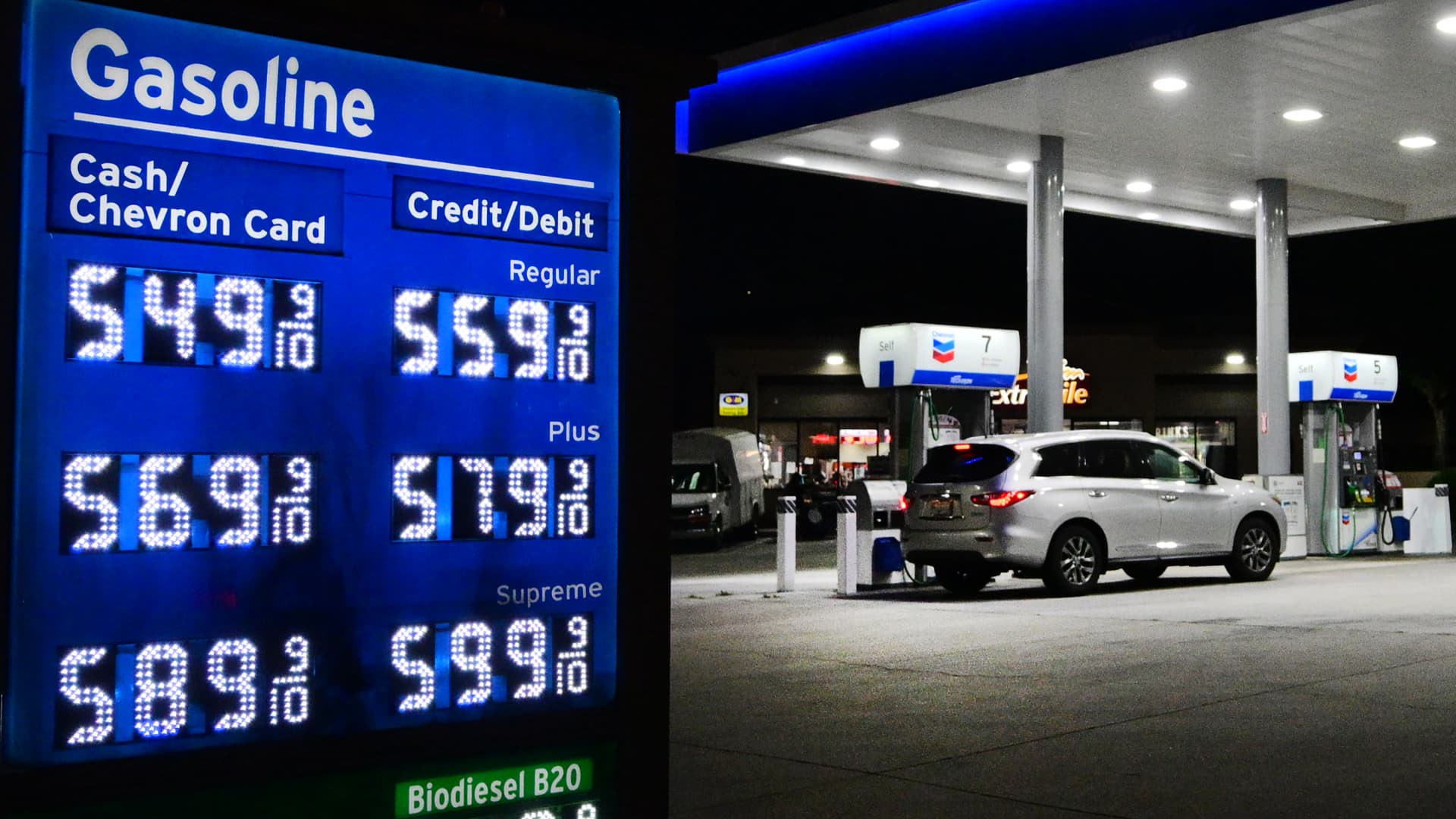
Iran War Drives Inflation Surge in the U.S.


- Persistent Inflation: The Consumer Price Index (CPI) rose 2.4% year-over-year in February, unchanged from January, indicating that inflation remains stubbornly high, particularly for necessities like electricity and food, which continues to strain household budgets.
- Surge in Energy Prices: The war in Iran has caused global oil prices to spike, with Brent crude rising from about $70 to $119.50 per barrel, while average gasoline prices hit $3.50 per gallon, a 19% increase in just two weeks, exacerbating economic pressures on consumers.
- Uncertain Long-term Impact: Economists predict that if the conflict persists, oil prices could average around $100 per barrel in 2026, potentially pushing CPI inflation to 3.5%, complicating the Federal Reserve's interest rate policy and increasing market uncertainty.
- Significant Tariff Effects: Prior to the Iran conflict, tariffs imposed by the Trump administration were a major inflation driver, with the current effective tariff rate at 10.5%, the highest since 1943, leading economists to believe that consumers will struggle to find relief from inflation in the short term.

Gallagher Increases Stake in Vanguard Long-Term Corporate Bond ETF


- Increased Holdings: Gallagher Fiduciary Advisors, LLC increased its stake in the Vanguard Long-Term Corporate Bond ETF (VCLT) by 525,553 shares in Q4 2026, with an estimated transaction value of approximately $40 million, indicating strong confidence in long-term bonds.
- Asset Value Growth: The quarter-end position value of VCLT rose by $39.9 million due to both share additions and price changes, highlighting the ETF's significance in Gallagher's asset management, representing about 2.1% of its 13F assets under management.
- Investment Strategy: VCLT focuses on tracking the Bloomberg U.S. 10+ Year Corporate Bond Index, primarily investing in investment-grade corporate debt with maturities over 10 years, offering low-cost exposure to long-term debt that appeals to yield-seeking investors.
- Market Outlook: With expectations of declining interest rates, investors may increasingly favor long-term bonds, and Gallagher's buying strategy could yield capital returns in a falling rate environment, enhancing the potential for future gains.

Gallagher Fiduciary Increases VCLT Holdings
- Share Increase: Gallagher Fiduciary added 525,553 shares of VCLT in Q4 2025, with an estimated transaction value of about $40 million, reflecting the fund's positive outlook on the long-duration bond market.
- Value Appreciation: As of December 31, 2025, Gallagher's total position in VCLT reached 845,731 shares, valued at approximately $64 million, marking a $39.9 million increase from the previous quarter, indicating strong market response to the ETF.
- Asset Allocation Strategy: While significantly increasing its VCLT holdings, Gallagher also boosted its stock exposure through VTI and reduced positions in individual stocks like McDonald's, PG&E, and Delta Air Lines, showcasing its flexible asset allocation strategy.
- Interest Rate Expectations: With rising expectations for interest rate cuts in 2026, investors may favor long-term bonds to lock in higher yields and position for capital returns as rates decline.
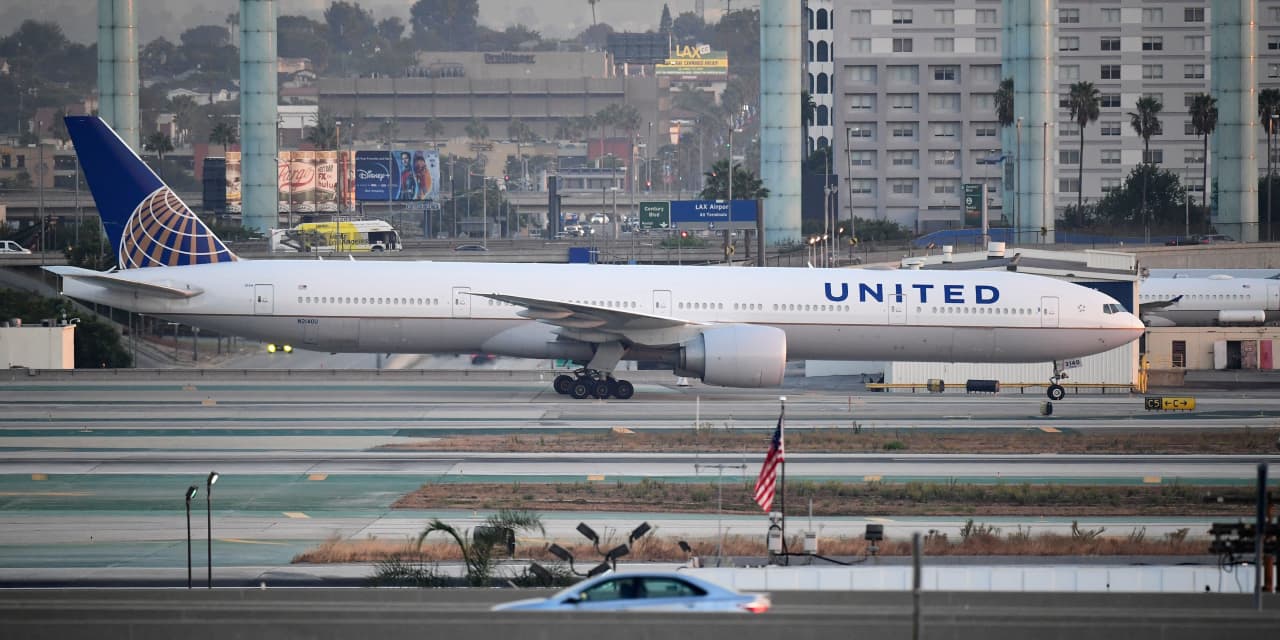
United Airlines Achieves Record Bookings Day, Offering Optimism Despite Fuel Concerns.


- Impact of Fuel Prices on Airlines: Surging fuel prices have negatively affected airline stocks since the onset of the Iran war.
- Market Resilience: Despite the challenges, the damage to airline stocks may not be as severe as initially anticipated.

American Airlines Stock Drops as Analysts Cut Price Target
- Stock Volatility: American Airlines Group (AAL) closed at $11.11 on Tuesday, down 2.88%, reflecting market concerns about the company's future performance, particularly in light of analysts cutting their price targets.
- Price Target Adjustment: TD Cowen lowered its price target for American Airlines from $17 to $13, which is only 17% above the current stock price, indicating worries about fuel cost volatility and demand weakness that could undermine investor confidence.
- Surge in Trading Volume: The trading volume reached 128.7 million shares, about 108% above the three-month average of 61.8 million shares, suggesting a significant increase in market attention towards the stock, likely due to investor uncertainty about its future trajectory.
- Industry Environment Challenges: American Airlines has seen its stock drop 27% over the past month, facing dual pressures from rising fuel prices and travel demand risks, with analysts generally agreeing that the lack of fuel hedging strategies will put greater strain on the company's finances.

Delta Air Lines to Present at J.P. Morgan Industrials Conference
- Conference Details: Delta Air Lines will present at the J.P. Morgan Industrials Conference on March 17, 2026, at 7:30 a.m. ET, with a live webcast available for investors and the public to engage with the event.
- Customer Service Innovation: In 2025, Delta served over 200 million customers and was recognized by J.D. Power for achieving the highest satisfaction in Premium Economy, highlighting its ongoing commitment to enhancing customer experience.
- Flight Network Coverage: Operating up to 5,500 flights daily to over 300 destinations, Delta showcases its extensive global network and connectivity, reinforcing its leadership position in the airline industry.
- Industry Recognition: Delta was named the top U.S. airline by the Wall Street Journal and recognized as North America's most on-time airline by Cirium in 2025, reflecting its excellence in safety and reliability.
Iran War Drives Inflation Surge in the U.S.
- Persistent Inflation: The Consumer Price Index (CPI) rose 2.4% year-over-year in February, unchanged from January, indicating that inflation remains stubbornly high, particularly for necessities like electricity and food, which continues to strain household budgets.
- Surge in Energy Prices: The war in Iran has caused global oil prices to spike, with Brent crude rising from about $70 to $119.50 per barrel, while average gasoline prices hit $3.50 per gallon, a 19% increase in just two weeks, exacerbating economic pressures on consumers.
- Uncertain Long-term Impact: Economists predict that if the conflict persists, oil prices could average around $100 per barrel in 2026, potentially pushing CPI inflation to 3.5%, complicating the Federal Reserve's interest rate policy and increasing market uncertainty.
- Significant Tariff Effects: Prior to the Iran conflict, tariffs imposed by the Trump administration were a major inflation driver, with the current effective tariff rate at 10.5%, the highest since 1943, leading economists to believe that consumers will struggle to find relief from inflation in the short term.
Gallagher Increases Stake in Vanguard Long-Term Corporate Bond ETF
- Increased Holdings: Gallagher Fiduciary Advisors, LLC increased its stake in the Vanguard Long-Term Corporate Bond ETF (VCLT) by 525,553 shares in Q4 2026, with an estimated transaction value of approximately $40 million, indicating strong confidence in long-term bonds.
- Asset Value Growth: The quarter-end position value of VCLT rose by $39.9 million due to both share additions and price changes, highlighting the ETF's significance in Gallagher's asset management, representing about 2.1% of its 13F assets under management.
- Investment Strategy: VCLT focuses on tracking the Bloomberg U.S. 10+ Year Corporate Bond Index, primarily investing in investment-grade corporate debt with maturities over 10 years, offering low-cost exposure to long-term debt that appeals to yield-seeking investors.
- Market Outlook: With expectations of declining interest rates, investors may increasingly favor long-term bonds, and Gallagher's buying strategy could yield capital returns in a falling rate environment, enhancing the potential for future gains.
Gallagher Fiduciary Increases VCLT Holdings
- Share Increase: Gallagher Fiduciary added 525,553 shares of VCLT in Q4 2025, with an estimated transaction value of about $40 million, reflecting the fund's positive outlook on the long-duration bond market.
- Value Appreciation: As of December 31, 2025, Gallagher's total position in VCLT reached 845,731 shares, valued at approximately $64 million, marking a $39.9 million increase from the previous quarter, indicating strong market response to the ETF.
- Asset Allocation Strategy: While significantly increasing its VCLT holdings, Gallagher also boosted its stock exposure through VTI and reduced positions in individual stocks like McDonald's, PG&E, and Delta Air Lines, showcasing its flexible asset allocation strategy.
- Interest Rate Expectations: With rising expectations for interest rate cuts in 2026, investors may favor long-term bonds to lock in higher yields and position for capital returns as rates decline.
United Airlines Achieves Record Bookings Day, Offering Optimism Despite Fuel Concerns.
- Impact of Fuel Prices on Airlines: Surging fuel prices have negatively affected airline stocks since the onset of the Iran war.
- Market Resilience: Despite the challenges, the damage to airline stocks may not be as severe as initially anticipated.
American Airlines Stock Drops as Analysts Cut Price Target
- Stock Volatility: American Airlines Group (AAL) closed at $11.11 on Tuesday, down 2.88%, reflecting market concerns about the company's future performance, particularly in light of analysts cutting their price targets.
- Price Target Adjustment: TD Cowen lowered its price target for American Airlines from $17 to $13, which is only 17% above the current stock price, indicating worries about fuel cost volatility and demand weakness that could undermine investor confidence.
- Surge in Trading Volume: The trading volume reached 128.7 million shares, about 108% above the three-month average of 61.8 million shares, suggesting a significant increase in market attention towards the stock, likely due to investor uncertainty about its future trajectory.
- Industry Environment Challenges: American Airlines has seen its stock drop 27% over the past month, facing dual pressures from rising fuel prices and travel demand risks, with analysts generally agreeing that the lack of fuel hedging strategies will put greater strain on the company's finances.
Delta Air Lines to Present at J.P. Morgan Industrials Conference
- Conference Details: Delta Air Lines will present at the J.P. Morgan Industrials Conference on March 17, 2026, at 7:30 a.m. ET, with a live webcast available for investors and the public to engage with the event.
- Customer Service Innovation: In 2025, Delta served over 200 million customers and was recognized by J.D. Power for achieving the highest satisfaction in Premium Economy, highlighting its ongoing commitment to enhancing customer experience.
- Flight Network Coverage: Operating up to 5,500 flights daily to over 300 destinations, Delta showcases its extensive global network and connectivity, reinforcing its leadership position in the airline industry.
- Industry Recognition: Delta was named the top U.S. airline by the Wall Street Journal and recognized as North America's most on-time airline by Cirium in 2025, reflecting its excellence in safety and reliability.