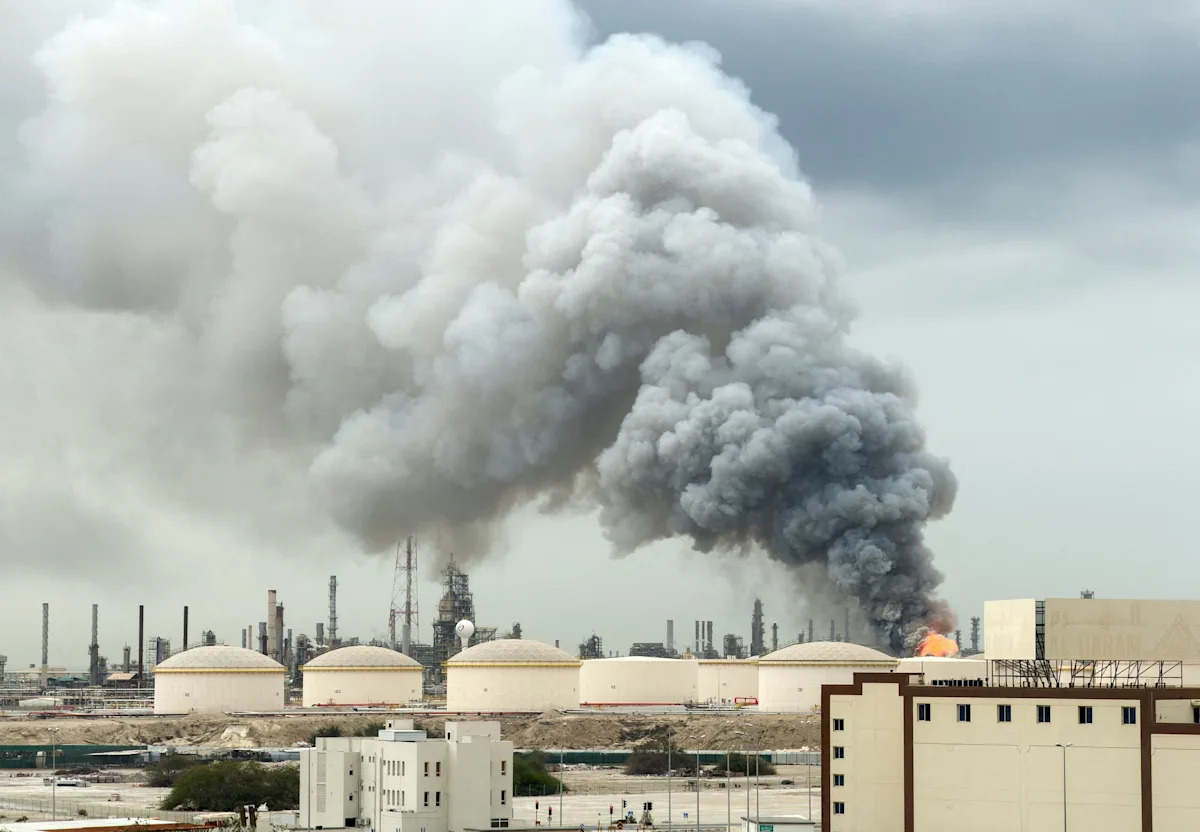
Iran War Continues to Drive Market Dynamics
Written by Emily J. Thompson, Senior Investment Analyst
Updated: 3 days ago
0mins


Should l Buy DAL?
Source: CNBC
- Oil Price Impact: The ongoing Iran war continues to drive market dynamics, with oil price fluctuations being a central concern; investors should monitor how stock markets react to oil price declines, despite the prevailing uncertainties.
- Inflation Data Focus: The upcoming Consumer Price Index (CPI) is expected to show a 2.7% year-over-year increase, reflecting the war's economic impact, which will guide the Federal Reserve's monetary policy adjustments and influence long-term interest rates.
- Earnings Reports: Delta Air Lines and others will report earnings next week, with Delta noting that a one-cent increase in jet fuel costs results in approximately $40 million in additional annual expenses, highlighting the significant impact of oil prices on the airline industry.
- Market Volatility Expectations: Given the uncertainty surrounding the war, stock markets are expected to remain volatile next week, necessitating close attention to the latest developments in the Iran conflict and their potential economic and market implications.
Trade with 70% Backtested Accuracy
Stop guessing "Should I Buy DAL?" and start using high-conviction signals backed by rigorous historical data.
Sign up today to access powerful investing tools and make smarter, data-driven decisions.
Analyst Views on DAL
Wall Street analysts forecast DAL stock price to rise
18 Analyst Rating
18 Buy
0 Hold
0 Sell
Strong Buy
Current: 65.620

Low
77.00
Averages
83.50
High
90.00
Current: 65.620
Low
77.00
Averages
83.50
High
90.00
About DAL
Delta Air Lines, Inc. provides scheduled air transportation for passengers and cargo throughout the United States and around the world. The Company has hubs and markets in Amsterdam, Atlanta, Bogota, Boston, Detroit, Lima, London-Heathrow, Los Angeles, Mexico City, Minneapolis-St. Paul, New York-JFK and LaGuardia, Paris-Charles de Gaulle, Salt Lake City, Santiago (Chile), Sao Paulo, Seattle, Seoul-Incheon, and Tokyo. Its segments include Airline and Refinery. Its airline segment is managed as a single business unit that provides scheduled air transportation for passengers and cargo throughout the United States and around the world and includes its loyalty program, as well as other ancillary businesses. Its refinery segment operates for the benefit of the airline segment by providing jet fuel to the airline segment from its own production and through jet fuel obtained through agreements with third parties. The refinery's production consists of jet fuel as well as non-jet fuel products.
About the author

Emily J. Thompson
Emily J. Thompson, a Chartered Financial Analyst (CFA) with 12 years in investment research, graduated with honors from the Wharton School. Specializing in industrial and technology stocks, she provides in-depth analysis for Intellectia’s earnings and market brief reports.

U.S. Airline Stocks Rise as Crude Oil Prices Fall and Delta Exceeds Q1 Profit Projections

U.S. Airlines Performance: U.S. airlines are experiencing a positive trend as crude oil prices decline, which is expected to enhance their profitability.
Delta Airlines Profit Estimates: Delta Airlines has reported better-than-expected profit estimates for the first quarter, indicating strong financial performance amidst fluctuating oil prices.
See More

Delta's Q1 Adjusted EPS Reaches $0.64, Exceeding IBES Estimate of $0.57
- Delta Q1 Adjusted EPS: Delta's adjusted earnings per share (EPS) for the first quarter is reported at USD 0.64.
- Ibes Estimate Comparison: This figure exceeds the Ibes estimate, which was USD 0.57.
See More
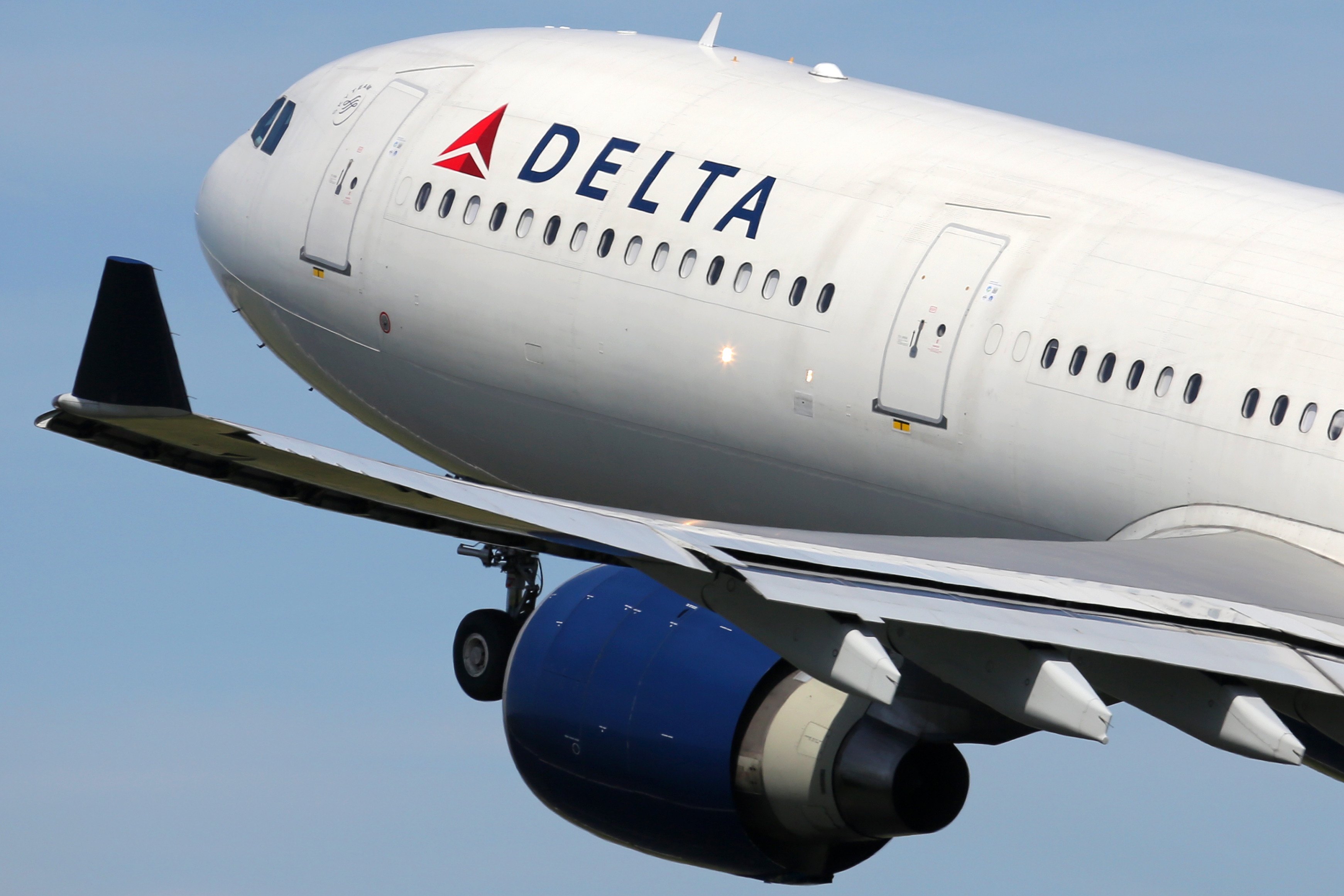
Delta Air Lines Raises Baggage Fees Amid Rising Fuel Costs
- Baggage Fee Increase: Delta Air Lines has raised the fees for the first and second checked bags on domestic and select short-haul international routes from $35 to $45, while the fee for the third checked bag has surged from $150 to $200, indicating the airline's strategic response to rising fuel costs.
- Industry Trend: This marks Delta's first baggage fee increase in two years, following similar moves by United Airlines and JetBlue, reflecting the broader pressure on the airline industry to manage soaring fuel expenses, which are typically easier to pass on to consumers than fare hikes.
- Competitor Response: JetBlue was the first to increase baggage fees, with United Airlines subsequently implementing a $10 increase for the first and second checked bags starting April 3, highlighting a growing trend of price adjustments across the industry.
- Market Impact: As airlines raise ancillary fees to offset fuel costs, consumers are likely to face higher travel expenses, which could impact demand for air travel and alter overall market dynamics.
See More

American Airlines Stock Rises 5.55% Amid Easing Tensions
- Stock Surge: American Airlines Group (AAL) shares rose 5.55% to $11.41, driven by easing U.S.-Iran tensions and falling oil prices, which boosted market sentiment regarding airline profitability.
- Volume Spike: Trading volume reached 101 million shares, approximately 53% above the three-month average of 65.6 million shares, indicating strong investor interest and market activity in airline stocks.
- Sector Impact: Airline stocks surged as a result of the U.S.-Iran ceasefire agreement, with Delta Air Lines and United Airlines gaining 3.75% and 7.84% respectively, reflecting a reassessment of fuel costs and geopolitical risks by investors.
- Future Outlook: Despite a year-to-date decline of over 25% in American Airlines' stock price, strong projected revenue for 2026 and a new focus on premium customers could position the airline for a rebound in the coming months.
See More

Global Stock Markets Surge on Iran Ceasefire Agreement


- Market Sentiment Rebound: Global stock markets surged on Wednesday as the US and Iran agreed to a two-week ceasefire, with the S&P 500 rising 2.51%, the Dow Jones up 2.85%, and the Nasdaq 100 increasing by 2.90%, reflecting a positive market response to easing geopolitical tensions.
- Crude Oil Price Plunge: The ceasefire news led to a more than 15% drop in crude oil prices to a 1.5-week low, alleviating inflation concerns and sparking a rally in global government bond markets, with the German 10-year Bund yield falling to a 3-week low, indicating a more optimistic outlook for the economy.
- Fed Policy Expectations: Although the market discounts only a 1% chance of a 25 bp rate hike at the upcoming April 28-29 FOMC meeting, the minutes from the March FOMC indicated heightened concerns among participants regarding upside risks to inflation and downside risks to employment, suggesting a more cautious approach to future monetary policy.
- Strong Tech Stock Performance: Chipmakers and AI infrastructure stocks saw significant gains on Wednesday, with Intel rising over 11%, driving the Nasdaq 100's increase, highlighting the tech sector's crucial role in the market recovery and further boosting investor confidence in technology stocks.
See More

American Airlines Stock Rises 5.55% Amid Easing Tensions
- Stock Price Increase: American Airlines Group closed at $11.41 on Wednesday, marking a 5.55% rise, primarily driven by easing U.S.-Iran tensions and lower oil prices, which boosted market confidence in airline profitability.
- Surge in Trading Volume: The trading volume reached 100.3 million shares, approximately 53% above the three-month average of 65.6 million shares, indicating strong investor interest in airline stocks and potentially signaling future market trends.
- Sector Performance: Among airline peers, Delta Air Lines and United Airlines saw increases of 3.75% and 7.84% respectively, reflecting a reassessment of fuel costs and geopolitical risks, which further propelled the sector's upward movement.
- Future Outlook: Although American Airlines' stock has fallen over 25% year-to-date, strong projected revenue for 2026 and a new focus on premium customers could position the company for a rebound in the coming months, enhancing its competitive edge.
See More
U.S. Airline Stocks Rise as Crude Oil Prices Fall and Delta Exceeds Q1 Profit Projections
U.S. Airlines Performance: U.S. airlines are experiencing a positive trend as crude oil prices decline, which is expected to enhance their profitability.
Delta Airlines Profit Estimates: Delta Airlines has reported better-than-expected profit estimates for the first quarter, indicating strong financial performance amidst fluctuating oil prices.
See More
Delta's Q1 Adjusted EPS Reaches $0.64, Exceeding IBES Estimate of $0.57
- Delta Q1 Adjusted EPS: Delta's adjusted earnings per share (EPS) for the first quarter is reported at USD 0.64.
- Ibes Estimate Comparison: This figure exceeds the Ibes estimate, which was USD 0.57.
See More
Delta Air Lines Raises Baggage Fees Amid Rising Fuel Costs
- Baggage Fee Increase: Delta Air Lines has raised the fees for the first and second checked bags on domestic and select short-haul international routes from $35 to $45, while the fee for the third checked bag has surged from $150 to $200, indicating the airline's strategic response to rising fuel costs.
- Industry Trend: This marks Delta's first baggage fee increase in two years, following similar moves by United Airlines and JetBlue, reflecting the broader pressure on the airline industry to manage soaring fuel expenses, which are typically easier to pass on to consumers than fare hikes.
- Competitor Response: JetBlue was the first to increase baggage fees, with United Airlines subsequently implementing a $10 increase for the first and second checked bags starting April 3, highlighting a growing trend of price adjustments across the industry.
- Market Impact: As airlines raise ancillary fees to offset fuel costs, consumers are likely to face higher travel expenses, which could impact demand for air travel and alter overall market dynamics.
See More
American Airlines Stock Rises 5.55% Amid Easing Tensions
- Stock Surge: American Airlines Group (AAL) shares rose 5.55% to $11.41, driven by easing U.S.-Iran tensions and falling oil prices, which boosted market sentiment regarding airline profitability.
- Volume Spike: Trading volume reached 101 million shares, approximately 53% above the three-month average of 65.6 million shares, indicating strong investor interest and market activity in airline stocks.
- Sector Impact: Airline stocks surged as a result of the U.S.-Iran ceasefire agreement, with Delta Air Lines and United Airlines gaining 3.75% and 7.84% respectively, reflecting a reassessment of fuel costs and geopolitical risks by investors.
- Future Outlook: Despite a year-to-date decline of over 25% in American Airlines' stock price, strong projected revenue for 2026 and a new focus on premium customers could position the airline for a rebound in the coming months.
See More
Global Stock Markets Surge on Iran Ceasefire Agreement
- Market Sentiment Rebound: Global stock markets surged on Wednesday as the US and Iran agreed to a two-week ceasefire, with the S&P 500 rising 2.51%, the Dow Jones up 2.85%, and the Nasdaq 100 increasing by 2.90%, reflecting a positive market response to easing geopolitical tensions.
- Crude Oil Price Plunge: The ceasefire news led to a more than 15% drop in crude oil prices to a 1.5-week low, alleviating inflation concerns and sparking a rally in global government bond markets, with the German 10-year Bund yield falling to a 3-week low, indicating a more optimistic outlook for the economy.
- Fed Policy Expectations: Although the market discounts only a 1% chance of a 25 bp rate hike at the upcoming April 28-29 FOMC meeting, the minutes from the March FOMC indicated heightened concerns among participants regarding upside risks to inflation and downside risks to employment, suggesting a more cautious approach to future monetary policy.
- Strong Tech Stock Performance: Chipmakers and AI infrastructure stocks saw significant gains on Wednesday, with Intel rising over 11%, driving the Nasdaq 100's increase, highlighting the tech sector's crucial role in the market recovery and further boosting investor confidence in technology stocks.
See More
American Airlines Stock Rises 5.55% Amid Easing Tensions
- Stock Price Increase: American Airlines Group closed at $11.41 on Wednesday, marking a 5.55% rise, primarily driven by easing U.S.-Iran tensions and lower oil prices, which boosted market confidence in airline profitability.
- Surge in Trading Volume: The trading volume reached 100.3 million shares, approximately 53% above the three-month average of 65.6 million shares, indicating strong investor interest in airline stocks and potentially signaling future market trends.
- Sector Performance: Among airline peers, Delta Air Lines and United Airlines saw increases of 3.75% and 7.84% respectively, reflecting a reassessment of fuel costs and geopolitical risks, which further propelled the sector's upward movement.
- Future Outlook: Although American Airlines' stock has fallen over 25% year-to-date, strong projected revenue for 2026 and a new focus on premium customers could position the company for a rebound in the coming months, enhancing its competitive edge.
See More