Iran Rejects US Ceasefire Proposal, Oil Prices Surge Again
Written by Emily J. Thompson, Senior Investment Analyst
Updated: 1 hour ago
0mins
Source: Fool
- Oil Price Surge: Iran's rejection of the U.S. 30-day ceasefire proposal has pushed Brent crude prices back above $100 per barrel, indicating market sensitivity to escalating conflict and potential further increases in energy costs.
- War Impact: Military attacks by the U.S. and Israel have prompted Iran to retaliate against the oil market, significantly reducing tanker traffic through the Strait of Hormuz, which previously handled 20% of global oil and LNG volumes, thus exacerbating energy price hikes.
- Qatar Infrastructure Damage: Iranian strikes have damaged two of Qatar's 14 LNG production facilities, leading to an expected 17% reduction in production capacity offline for repairs over the next three to five years, which will impact global LNG supply and heighten market tensions.
- Positive Outlook for Oil Stocks: With oil prices continuing to rise, companies like ExxonMobil and Chevron are expected to benefit significantly, especially if prices remain in the triple digits, leading to increased earnings expectations for these oil giants.
Trade with 70% Backtested Accuracy
Stop guessing "Should I Buy XOM?" and start using high-conviction signals backed by rigorous historical data.
Sign up today to access powerful investing tools and make smarter, data-driven decisions.
Analyst Views on XOM
Wall Street analysts forecast XOM stock price to fall
19 Analyst Rating
12 Buy
7 Hold
0 Sell
Moderate Buy
Current: 163.260

Low
114.00
Averages
132.17
High
158.00
Current: 163.260
Low
114.00
Averages
132.17
High
158.00
About XOM
Exxon Mobil Corporation is an energy provider and chemical manufacturer. The Company’s principal business involves exploration for, and production of, crude oil and natural gas; the manufacture, trade, transport and sale of crude oil, natural gas, petroleum products, petrochemicals and a wide variety of specialty products; and pursuit of lower-emission and other new business opportunities, including carbon capture and storage, hydrogen, lower-emission fuels, Proxxima systems, carbon materials, and lithium. Its Upstream segment explores for and produces crude oil and natural gas. The Energy Products, Chemical Products, and Specialty Products segments manufacture and sell petroleum products and petrochemicals. Energy Products segment includes fuels, aromatics, and catalysts and licensing. Chemical Products segment consists of olefins, polyolefins, and intermediates. Specialty Products segment includes finished lubricants, basestocks and waxes, synthetics, and elastomers and resins.
About the author

Emily J. Thompson
Emily J. Thompson, a Chartered Financial Analyst (CFA) with 12 years in investment research, graduated with honors from the Wharton School. Specializing in industrial and technology stocks, she provides in-depth analysis for Intellectia’s earnings and market brief reports.

SBM Offshore Secures ExxonMobil Contracts for Longtail FPSO

- Contract Signing: SBM Offshore has secured contracts with ExxonMobil Guyana for front-end engineering and design (FEED) studies related to a floating production, storage, and offloading vessel (FPSO), marking the release of funds to initiate FEED activities and demonstrating mutual trust and commitment in their collaboration.
- Production Capacity: The FPSO is designed to handle up to 1.2 billion standard cubic feet (bscf) of gas per day and is expected to produce approximately 250,000 barrels per day (bpd) of condensate, addressing the market's demand for high-efficiency gas handling capabilities and enhancing SBM's competitive position in the sector.
- Project Implementation: The FPSO will be spread-moored in approximately 1,750 meters of water and will provide roughly two million barrels of condensate storage capacity, with successful implementation significantly supporting ExxonMobil's long-term energy development strategy.
- Local Development: SBM Offshore plans to advance local content development by engaging local fabrication resources and integrating Guyanese engineers into project delivery and operational teams, leveraging experience gained from FPSOs like Liza Destiny to enhance project delivery capabilities.
See More

Iran Rejects US Ceasefire Offer, Oil Prices Surge Again

- Conflict Escalation Impact: Iran's rejection of the U.S. 30-day ceasefire proposal has caused Brent crude oil prices to surge back above $100 per barrel, reflecting market concerns over ongoing conflict and potentially driving oil prices higher, impacting the global energy market.
- Energy Infrastructure Damage: Iranian attacks on neighboring countries' energy infrastructure have damaged two of Qatar's 14 LNG production facilities, with an expected 17% of production capacity offline for repairs over the next three to five years, exacerbating global energy supply tensions.
- Oil Stock Upside Potential: Despite Brent crude prices rising approximately 70% this year, major oil companies like ExxonMobil and Chevron have only seen stock gains of around 35%, as the market anticipates a price drop post-conflict; however, sustained high oil prices could further boost these companies' stock prices.
- U.S. Military Options Consideration: The U.S. is weighing various military options in response to Iran's rejection, including potential strikes on its energy infrastructure, which could escalate tensions in the Persian Gulf and keep oil prices elevated, positively impacting oil stocks.
See More
Iran Rejects US Ceasefire Proposal, Oil Prices Surge Again
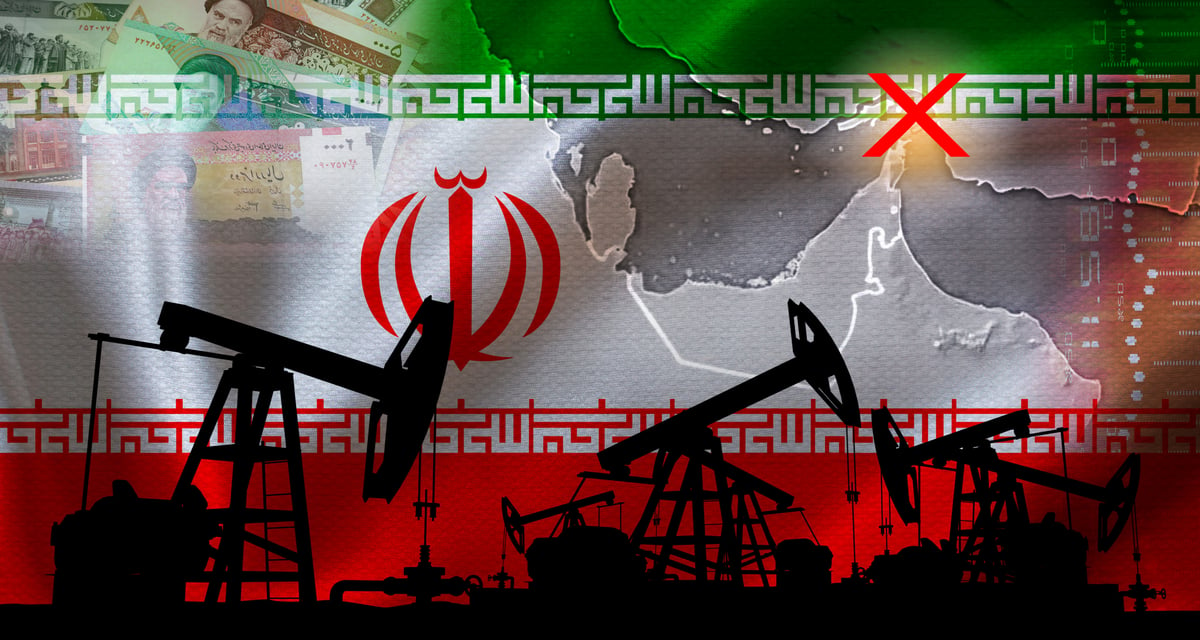
- Oil Price Surge: Iran's rejection of the U.S. 30-day ceasefire proposal has pushed Brent crude prices back above $100 per barrel, indicating market sensitivity to escalating conflict and potential further increases in energy costs.
- War Impact: Military attacks by the U.S. and Israel have prompted Iran to retaliate against the oil market, significantly reducing tanker traffic through the Strait of Hormuz, which previously handled 20% of global oil and LNG volumes, thus exacerbating energy price hikes.
- Qatar Infrastructure Damage: Iranian strikes have damaged two of Qatar's 14 LNG production facilities, leading to an expected 17% reduction in production capacity offline for repairs over the next three to five years, which will impact global LNG supply and heighten market tensions.
- Positive Outlook for Oil Stocks: With oil prices continuing to rise, companies like ExxonMobil and Chevron are expected to benefit significantly, especially if prices remain in the triple digits, leading to increased earnings expectations for these oil giants.
See More

Israeli Airstrike Kills Iranian Naval Commander
- Commander Killed: The Israeli Defense Forces confirmed a precise strike in Bandar Abbas, a strategic location in the Strait of Hormuz, resulting in the death of Iranian naval commander Alireza Tangsiri, which is seen as a significant step towards enhancing regional security.
- Maritime Terrorism Accountability: Israel accused Tangsiri of overseeing maritime terrorism against Middle Eastern countries and U.S. energy infrastructure, demonstrating Israel's determination to counter Iranian naval influence in the region.
- Ongoing Military Actions: Israeli Prime Minister Benjamin Netanyahu stated that the country's forces will continue to strike at targets of the Iranian regime, emphasizing cooperation with the U.S. to achieve common war objectives, indicating an escalation in Israel's military strategy in the region.
- Strait of Hormuz Tensions: Since February 28, shipping traffic through the Strait of Hormuz has virtually halted, with Iran retaliating against vessels attempting to pass through, highlighting the increasingly precarious security situation in the area.
See More
Iran Conflict Drives Up Oil Prices, Threatens Tax Refunds


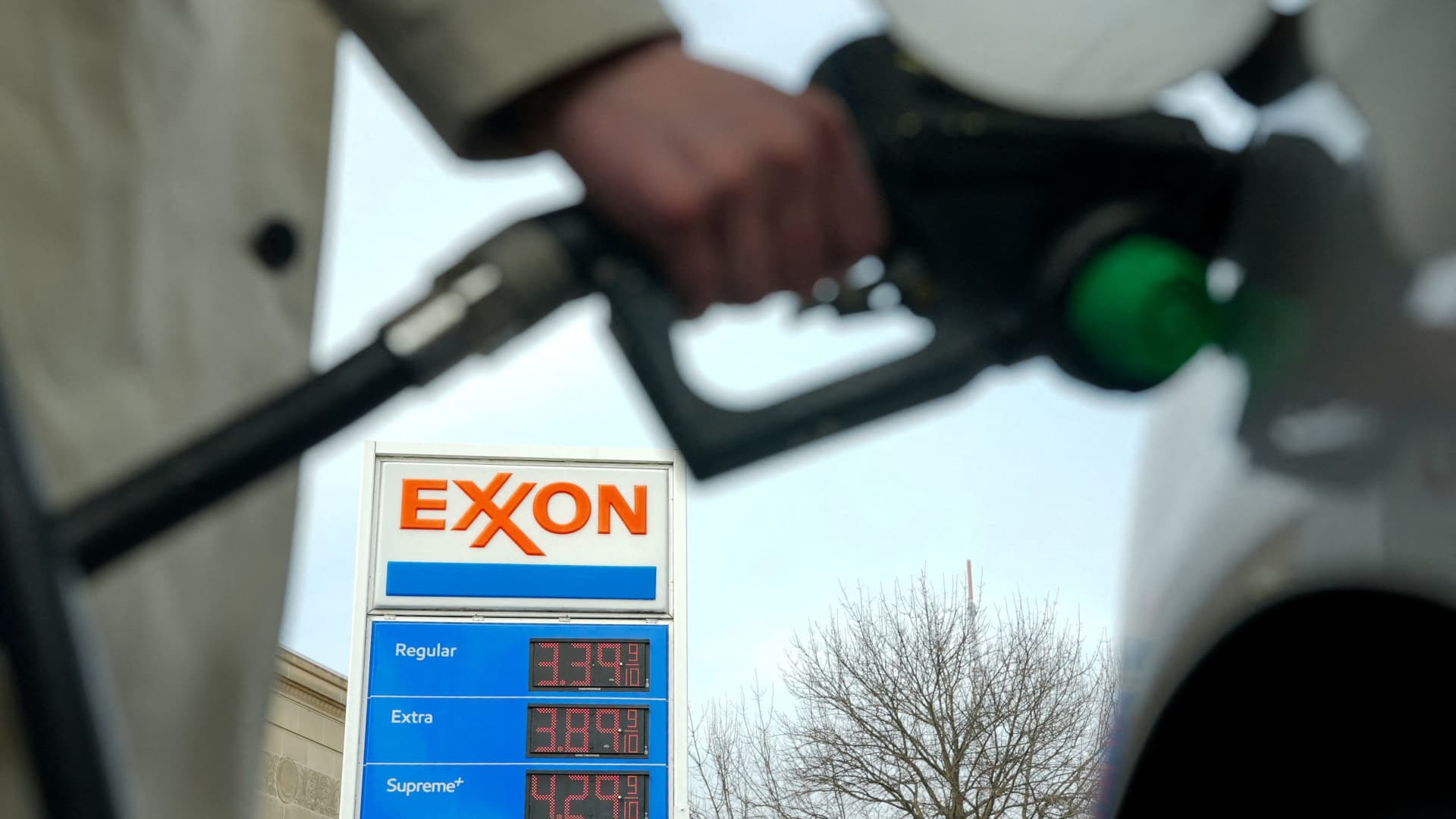
- Surging Oil Prices: The ongoing Iran conflict has stalled traffic through the Strait of Hormuz, pushing the national average gasoline price to $3.98 per gallon as of March 13, reflecting a 33% increase from the previous month, which directly impacts consumer spending capacity.
- Tax Refund Implications: According to the latest IRS data, the average tax refund for individual filers stands at $3,623, approximately $350 higher than last year; however, rising gas prices threaten to offset these gains, particularly if the conflict persists.
- Economic Forecasts: An analysis from the Stanford Institute for Economic Policy Research indicates that if the Strait of Hormuz were to close for three weeks and crude oil prices rise to $110 per barrel, retail gasoline prices could peak at $4.36 per gallon in May, potentially wiping out most tax refunds for average households.
- Consumer Spending Pressure: Oxford Economics estimates that if gas prices average $3.60 per gallon in 2026, consumer spending on fuel could nearly negate the economic boost from tax refunds, significantly affecting low-income households who have the least financial cushion.
See More
Iran Plans to Impose Tolls on Ships in Strait of Hormuz
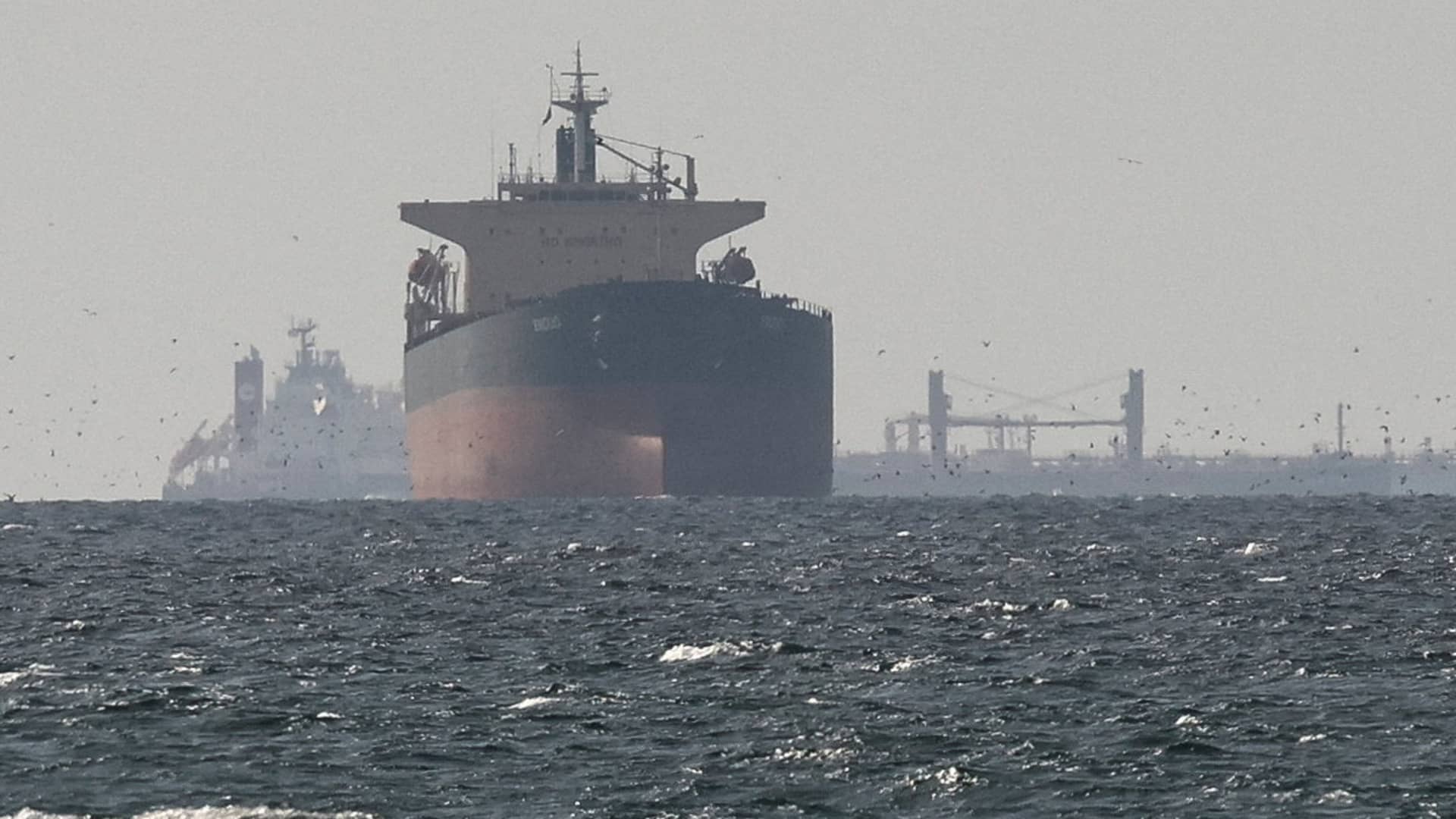
- Toll Legislation Plan: Iran is preparing legislation to impose tolls on ships passing through the Strait of Hormuz, aiming to formalize its supervision over the waterway, which could impact the safety and costs of global oil and gas transportation.
- Shipping Traffic Standstill: Since the onset of the U.S.-Israeli conflict with Iran, shipping traffic in the Strait of Hormuz has effectively come to a standstill, leading to supply constraints and pushing oil prices to $165.65 per barrel, exacerbating instability in the global energy market.
- Uncertain Peace Negotiations: Reports indicate that Iran received a 15-point peace plan from U.S. President Trump, but Iranian media claims the proposal has been dismissed, highlighting significant barriers in negotiations to end the conflict.
- Strong Regional Response: Experts assert that Gulf Cooperation Council states, including the UAE, Saudi Arabia, and Oman, will not accept Iran's proposal to establish a toll booth in the Strait of Hormuz, which could escalate regional tensions and affect future energy exports.
See More
SBM Offshore Secures ExxonMobil Contracts for Longtail FPSO
- Contract Signing: SBM Offshore has secured contracts with ExxonMobil Guyana for front-end engineering and design (FEED) studies related to a floating production, storage, and offloading vessel (FPSO), marking the release of funds to initiate FEED activities and demonstrating mutual trust and commitment in their collaboration.
- Production Capacity: The FPSO is designed to handle up to 1.2 billion standard cubic feet (bscf) of gas per day and is expected to produce approximately 250,000 barrels per day (bpd) of condensate, addressing the market's demand for high-efficiency gas handling capabilities and enhancing SBM's competitive position in the sector.
- Project Implementation: The FPSO will be spread-moored in approximately 1,750 meters of water and will provide roughly two million barrels of condensate storage capacity, with successful implementation significantly supporting ExxonMobil's long-term energy development strategy.
- Local Development: SBM Offshore plans to advance local content development by engaging local fabrication resources and integrating Guyanese engineers into project delivery and operational teams, leveraging experience gained from FPSOs like Liza Destiny to enhance project delivery capabilities.
See More
Iran Rejects US Ceasefire Offer, Oil Prices Surge Again
- Conflict Escalation Impact: Iran's rejection of the U.S. 30-day ceasefire proposal has caused Brent crude oil prices to surge back above $100 per barrel, reflecting market concerns over ongoing conflict and potentially driving oil prices higher, impacting the global energy market.
- Energy Infrastructure Damage: Iranian attacks on neighboring countries' energy infrastructure have damaged two of Qatar's 14 LNG production facilities, with an expected 17% of production capacity offline for repairs over the next three to five years, exacerbating global energy supply tensions.
- Oil Stock Upside Potential: Despite Brent crude prices rising approximately 70% this year, major oil companies like ExxonMobil and Chevron have only seen stock gains of around 35%, as the market anticipates a price drop post-conflict; however, sustained high oil prices could further boost these companies' stock prices.
- U.S. Military Options Consideration: The U.S. is weighing various military options in response to Iran's rejection, including potential strikes on its energy infrastructure, which could escalate tensions in the Persian Gulf and keep oil prices elevated, positively impacting oil stocks.
See More
Iran Rejects US Ceasefire Proposal, Oil Prices Surge Again
- Oil Price Surge: Iran's rejection of the U.S. 30-day ceasefire proposal has pushed Brent crude prices back above $100 per barrel, indicating market sensitivity to escalating conflict and potential further increases in energy costs.
- War Impact: Military attacks by the U.S. and Israel have prompted Iran to retaliate against the oil market, significantly reducing tanker traffic through the Strait of Hormuz, which previously handled 20% of global oil and LNG volumes, thus exacerbating energy price hikes.
- Qatar Infrastructure Damage: Iranian strikes have damaged two of Qatar's 14 LNG production facilities, leading to an expected 17% reduction in production capacity offline for repairs over the next three to five years, which will impact global LNG supply and heighten market tensions.
- Positive Outlook for Oil Stocks: With oil prices continuing to rise, companies like ExxonMobil and Chevron are expected to benefit significantly, especially if prices remain in the triple digits, leading to increased earnings expectations for these oil giants.
See More
Israeli Airstrike Kills Iranian Naval Commander
- Commander Killed: The Israeli Defense Forces confirmed a precise strike in Bandar Abbas, a strategic location in the Strait of Hormuz, resulting in the death of Iranian naval commander Alireza Tangsiri, which is seen as a significant step towards enhancing regional security.
- Maritime Terrorism Accountability: Israel accused Tangsiri of overseeing maritime terrorism against Middle Eastern countries and U.S. energy infrastructure, demonstrating Israel's determination to counter Iranian naval influence in the region.
- Ongoing Military Actions: Israeli Prime Minister Benjamin Netanyahu stated that the country's forces will continue to strike at targets of the Iranian regime, emphasizing cooperation with the U.S. to achieve common war objectives, indicating an escalation in Israel's military strategy in the region.
- Strait of Hormuz Tensions: Since February 28, shipping traffic through the Strait of Hormuz has virtually halted, with Iran retaliating against vessels attempting to pass through, highlighting the increasingly precarious security situation in the area.
See More
Iran Conflict Drives Up Oil Prices, Threatens Tax Refunds
- Surging Oil Prices: The ongoing Iran conflict has stalled traffic through the Strait of Hormuz, pushing the national average gasoline price to $3.98 per gallon as of March 13, reflecting a 33% increase from the previous month, which directly impacts consumer spending capacity.
- Tax Refund Implications: According to the latest IRS data, the average tax refund for individual filers stands at $3,623, approximately $350 higher than last year; however, rising gas prices threaten to offset these gains, particularly if the conflict persists.
- Economic Forecasts: An analysis from the Stanford Institute for Economic Policy Research indicates that if the Strait of Hormuz were to close for three weeks and crude oil prices rise to $110 per barrel, retail gasoline prices could peak at $4.36 per gallon in May, potentially wiping out most tax refunds for average households.
- Consumer Spending Pressure: Oxford Economics estimates that if gas prices average $3.60 per gallon in 2026, consumer spending on fuel could nearly negate the economic boost from tax refunds, significantly affecting low-income households who have the least financial cushion.
See More
Iran Plans to Impose Tolls on Ships in Strait of Hormuz
- Toll Legislation Plan: Iran is preparing legislation to impose tolls on ships passing through the Strait of Hormuz, aiming to formalize its supervision over the waterway, which could impact the safety and costs of global oil and gas transportation.
- Shipping Traffic Standstill: Since the onset of the U.S.-Israeli conflict with Iran, shipping traffic in the Strait of Hormuz has effectively come to a standstill, leading to supply constraints and pushing oil prices to $165.65 per barrel, exacerbating instability in the global energy market.
- Uncertain Peace Negotiations: Reports indicate that Iran received a 15-point peace plan from U.S. President Trump, but Iranian media claims the proposal has been dismissed, highlighting significant barriers in negotiations to end the conflict.
- Strong Regional Response: Experts assert that Gulf Cooperation Council states, including the UAE, Saudi Arabia, and Oman, will not accept Iran's proposal to establish a toll booth in the Strait of Hormuz, which could escalate regional tensions and affect future energy exports.
See More