Iran Plans to Impose Tolls on Ships in Strait of Hormuz
Written by Emily J. Thompson, Senior Investment Analyst
Updated: 1 hour ago
0mins
Source: CNBC
- Toll Legislation Plan: Iran is preparing legislation to impose tolls on ships passing through the Strait of Hormuz, aiming to formalize its supervision over the waterway, which could impact the safety and costs of global oil and gas transportation.
- Shipping Traffic Standstill: Since the onset of the U.S.-Israeli conflict with Iran, shipping traffic in the Strait of Hormuz has effectively come to a standstill, leading to supply constraints and pushing oil prices to $165.65 per barrel, exacerbating instability in the global energy market.
- Uncertain Peace Negotiations: Reports indicate that Iran received a 15-point peace plan from U.S. President Trump, but Iranian media claims the proposal has been dismissed, highlighting significant barriers in negotiations to end the conflict.
- Strong Regional Response: Experts assert that Gulf Cooperation Council states, including the UAE, Saudi Arabia, and Oman, will not accept Iran's proposal to establish a toll booth in the Strait of Hormuz, which could escalate regional tensions and affect future energy exports.
Trade with 70% Backtested Accuracy
Stop guessing "Should I Buy CVX?" and start using high-conviction signals backed by rigorous historical data.
Sign up today to access powerful investing tools and make smarter, data-driven decisions.
Analyst Views on CVX
Wall Street analysts forecast CVX stock price to fall
19 Analyst Rating
15 Buy
4 Hold
0 Sell
Strong Buy
Current: 206.790

Low
158.00
Averages
176.95
High
206.00
Current: 206.790
Low
158.00
Averages
176.95
High
206.00
About CVX
Chevron Corporation is an integrated energy company. The Company produces crude oil and natural gas; manufactures transportation fuels, lubricants, petrochemicals and additives; and develops technologies that enhance its business and industry. The Company’s segments include Upstream and Downstream. Upstream operations consist primarily of exploring for, developing, producing and transporting crude oil and natural gas; liquefaction, transportation and regasification associated with LNG; transporting crude oil by major international oil export pipelines; processing, transporting, storage and marketing of natural gas; carbon capture and storage; and a gas-to-liquids plant. Downstream operations consist primarily of the refining of crude oil into petroleum products; marketing crude oil, refined products, and lubricants; manufacturing and marketing of renewable fuels, and transporting of crude oil and refined products by pipeline, marine vessel, motor equipment and rail car.
About the author

Emily J. Thompson
Emily J. Thompson, a Chartered Financial Analyst (CFA) with 12 years in investment research, graduated with honors from the Wharton School. Specializing in industrial and technology stocks, she provides in-depth analysis for Intellectia’s earnings and market brief reports.
CHEVRON CORP AMENDS BY-LAWS TO ENABLE JOHN HESS TO PARTICIPATE FULLY ON BOARD AS A NON-EMPLOYEE DIRECTOR - SEC FILING

Chevron Corp By-Laws Amended: Chevron has amended its by-laws to allow John Hess to fully participate as a non-employee director on the board.
Non-Employee Director Participation: The amendment specifically enables non-employee directors to engage more actively in board activities, enhancing governance and oversight.
See More
Iran Plans to Impose Tolls on Ships in Strait of Hormuz

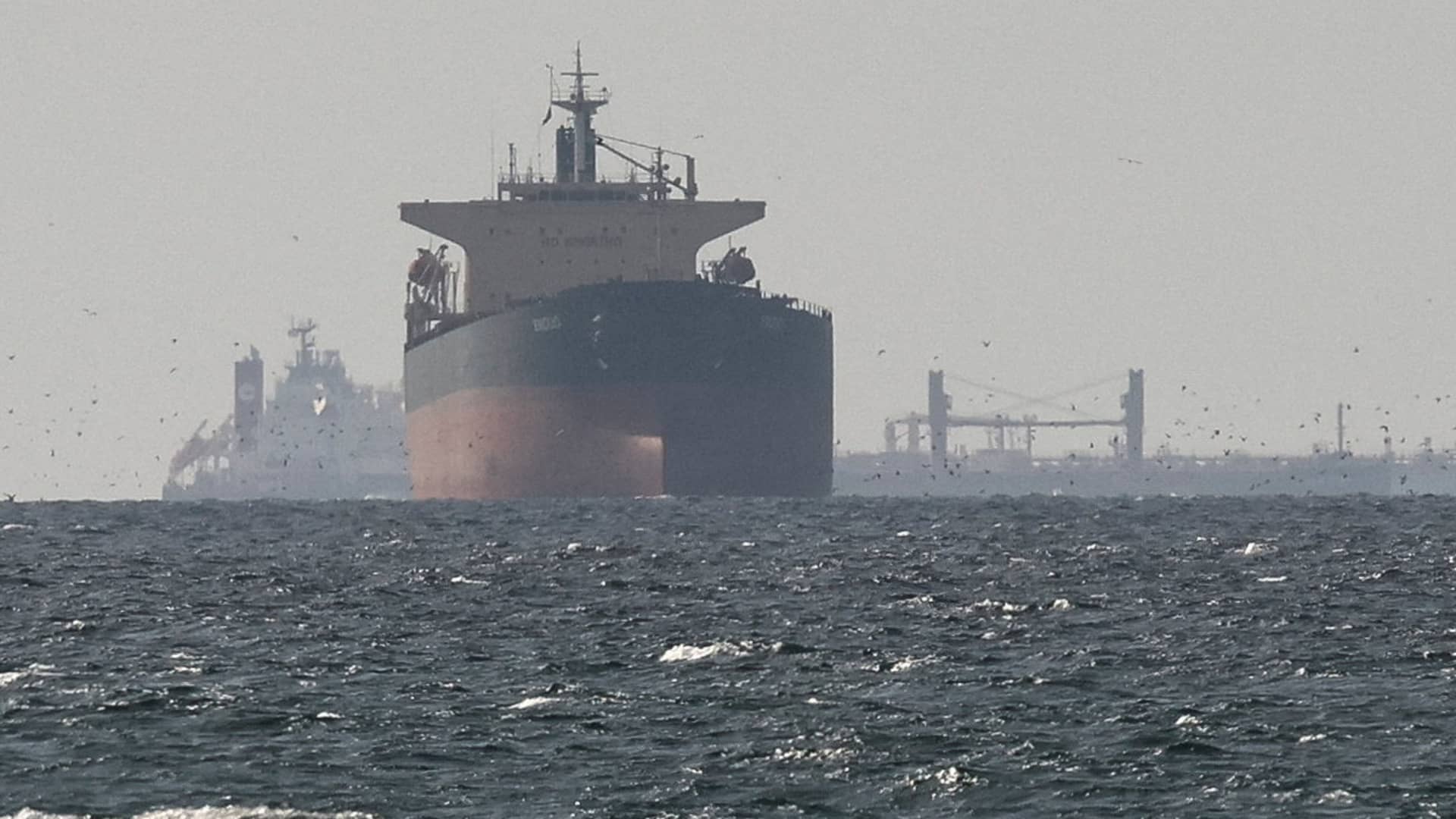
- Toll Legislation Plan: Iran is preparing legislation to impose tolls on ships passing through the Strait of Hormuz, aiming to formalize its supervision over the waterway, which could impact the safety and costs of global oil and gas transportation.
- Shipping Traffic Standstill: Since the onset of the U.S.-Israeli conflict with Iran, shipping traffic in the Strait of Hormuz has effectively come to a standstill, leading to supply constraints and pushing oil prices to $165.65 per barrel, exacerbating instability in the global energy market.
- Uncertain Peace Negotiations: Reports indicate that Iran received a 15-point peace plan from U.S. President Trump, but Iranian media claims the proposal has been dismissed, highlighting significant barriers in negotiations to end the conflict.
- Strong Regional Response: Experts assert that Gulf Cooperation Council states, including the UAE, Saudi Arabia, and Oman, will not accept Iran's proposal to establish a toll booth in the Strait of Hormuz, which could escalate regional tensions and affect future energy exports.
See More
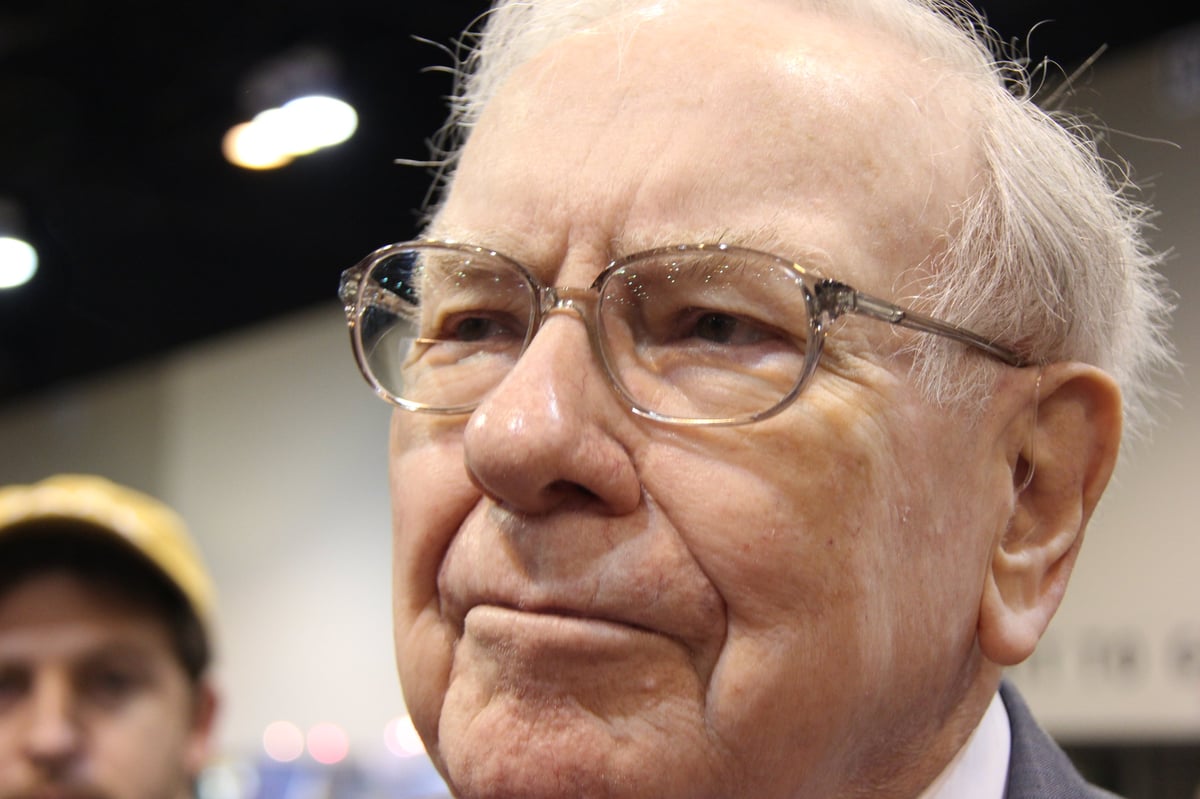
Warren Buffett Retires, Successor Takes Over Berkshire Hathaway


- Buffett's Retirement: Warren Buffett officially retired on December 31, concluding his 50-year tenure as CEO of Berkshire Hathaway, with successor Greg Abel taking over, marking the end of an era.
- Stock Buyback Strategy: Since July 2018, Berkshire Hathaway has repurchased approximately $78 billion in stock, although the buyback volume hit a record low in Q2 FY24, this strategy helps increase earnings per share and attract value-seeking investors.
- Portfolio Performance: Under Buffett's leadership, Berkshire's Class A shares appreciated nearly 6,100,000% since inception, significantly outperforming the total return of the S&P 500, showcasing exceptional investment acumen and market insight.
- Long-term Investment Philosophy: Buffett's buyback policy aims to incentivize long-term investing, and Abel is expected to continue this philosophy, likely providing ongoing returns for shareholders and further solidifying Berkshire's market position.
See More

Warren Buffett Retires, Hands Over Berkshire Hathaway to Successor Greg Abel
- Buffett's Retirement: Warren Buffett officially retired on December 31, concluding his 50-year tenure as CEO of Berkshire Hathaway, with successor Greg Abel set to continue the company's growth and ensure the continuity of its long-term strategy.
- Stock Buyback Strategy: Since July 2018, Berkshire Hathaway has repurchased $78 billion in stock, and although the repurchase volume hit a record low in Q2 FY24, this strategy continues to enhance earnings per share and attract value-seeking investors.
- Portfolio Performance: Under Buffett's leadership, Berkshire Hathaway's Class A shares appreciated nearly 6,100,000% since inception, significantly outperforming the total return of the S&P 500, showcasing its exceptional investment acumen and market position.
- Successor's Strategic Continuity: Following his appointment, Abel is expected to uphold Buffett's investment philosophy, likely enhancing shareholder value through ongoing stock buybacks and prudent financial management, thereby solidifying the company's competitive edge in the market.
See More

Market Volatility Ahead of G7 Leaders' Summit


- Increased Market Volatility: Conflicting reports regarding negotiations between the U.S. and Iran have led to market fluctuations resulting in billions, if not trillions, of dollars lost or gained over recent sessions, creating a challenging trading environment for investors.
- G7 Foreign Ministers Meeting: The G7 foreign ministers are set to meet at the Abbey of Vaux-de-Cernay in France, where despite efforts to convey a unified message, underlying tensions between European nations and NATO regarding their supportive stance on the Iran war may complicate discussions.
- Iran's Stance: Iran's foreign minister stated that while there are no intentions for direct talks with the U.S., the country is reviewing an American ceasefire proposal and has laid out conditions, including control over the Strait of Hormuz, indicating a firm position in the regional conflict.
- Postponement of U.S.-China Summit: The White House confirmed that a long-awaited meeting between President Trump and President Xi Jinping will take place in Beijing on May 14 and 15, marking a six-week postponement, which may signal a potential easing of tensions in U.S.-China relations amidst the ongoing Iran conflict.
See More
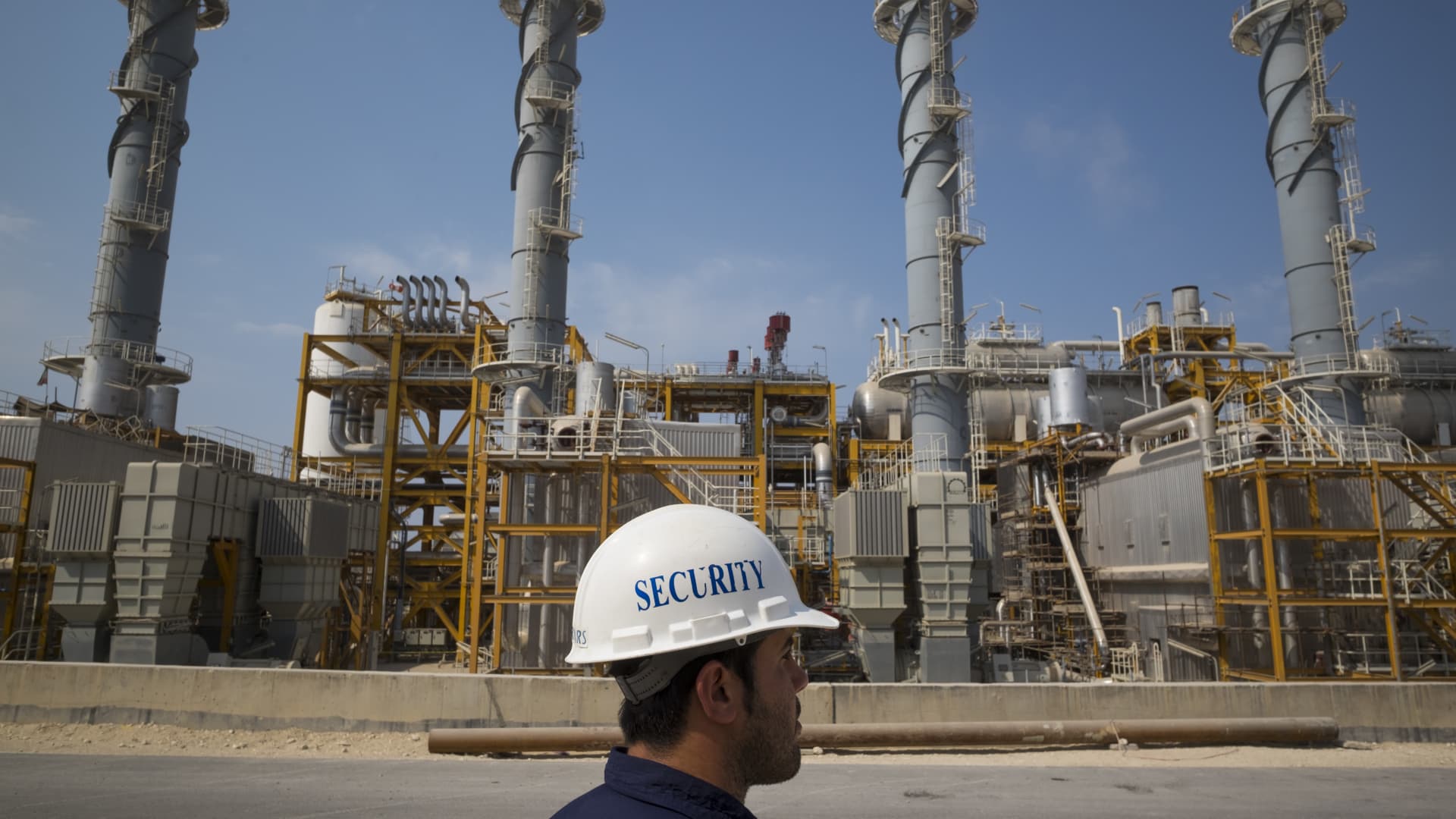
Oil Price Volatility and Market Expectations Analysis

- Increased Market Volatility: Since the onset of the U.S.-Iran war, oil prices have experienced significant volatility, with Brent crude futures hovering around $99 per barrel, reflecting a nearly 36% increase compared to pre-war levels, indicating a risk premium in the market due to the conflict.
- Futures Market Backwardation: The oil market has entered a state of backwardation, where near-term futures contracts are priced higher than those for later delivery, suggesting that the market views the current price surge as temporary and anticipates a resolution to the conflict, reflecting cautious optimism.
- Impact of Infrastructure Damage: While the market expects future oil prices to decline, the destruction of energy infrastructure during the conflict will require time to repair, potentially leading to long-term supply constraints that could affect market pricing dynamics.
- Emergence of Risk Premium: Analysts note that despite bearish expectations for future oil prices, current volatility and risk are still priced in, with Brent crude futures for December delivery priced at approximately $79.70, representing a 17% decline from current prices but still about 10% higher than pre-conflict levels.
See More
CHEVRON CORP AMENDS BY-LAWS TO ENABLE JOHN HESS TO PARTICIPATE FULLY ON BOARD AS A NON-EMPLOYEE DIRECTOR - SEC FILING
Chevron Corp By-Laws Amended: Chevron has amended its by-laws to allow John Hess to fully participate as a non-employee director on the board.
Non-Employee Director Participation: The amendment specifically enables non-employee directors to engage more actively in board activities, enhancing governance and oversight.
See More
Iran Plans to Impose Tolls on Ships in Strait of Hormuz
- Toll Legislation Plan: Iran is preparing legislation to impose tolls on ships passing through the Strait of Hormuz, aiming to formalize its supervision over the waterway, which could impact the safety and costs of global oil and gas transportation.
- Shipping Traffic Standstill: Since the onset of the U.S.-Israeli conflict with Iran, shipping traffic in the Strait of Hormuz has effectively come to a standstill, leading to supply constraints and pushing oil prices to $165.65 per barrel, exacerbating instability in the global energy market.
- Uncertain Peace Negotiations: Reports indicate that Iran received a 15-point peace plan from U.S. President Trump, but Iranian media claims the proposal has been dismissed, highlighting significant barriers in negotiations to end the conflict.
- Strong Regional Response: Experts assert that Gulf Cooperation Council states, including the UAE, Saudi Arabia, and Oman, will not accept Iran's proposal to establish a toll booth in the Strait of Hormuz, which could escalate regional tensions and affect future energy exports.
See More
Warren Buffett Retires, Successor Takes Over Berkshire Hathaway
- Buffett's Retirement: Warren Buffett officially retired on December 31, concluding his 50-year tenure as CEO of Berkshire Hathaway, with successor Greg Abel taking over, marking the end of an era.
- Stock Buyback Strategy: Since July 2018, Berkshire Hathaway has repurchased approximately $78 billion in stock, although the buyback volume hit a record low in Q2 FY24, this strategy helps increase earnings per share and attract value-seeking investors.
- Portfolio Performance: Under Buffett's leadership, Berkshire's Class A shares appreciated nearly 6,100,000% since inception, significantly outperforming the total return of the S&P 500, showcasing exceptional investment acumen and market insight.
- Long-term Investment Philosophy: Buffett's buyback policy aims to incentivize long-term investing, and Abel is expected to continue this philosophy, likely providing ongoing returns for shareholders and further solidifying Berkshire's market position.
See More
Warren Buffett Retires, Hands Over Berkshire Hathaway to Successor Greg Abel
- Buffett's Retirement: Warren Buffett officially retired on December 31, concluding his 50-year tenure as CEO of Berkshire Hathaway, with successor Greg Abel set to continue the company's growth and ensure the continuity of its long-term strategy.
- Stock Buyback Strategy: Since July 2018, Berkshire Hathaway has repurchased $78 billion in stock, and although the repurchase volume hit a record low in Q2 FY24, this strategy continues to enhance earnings per share and attract value-seeking investors.
- Portfolio Performance: Under Buffett's leadership, Berkshire Hathaway's Class A shares appreciated nearly 6,100,000% since inception, significantly outperforming the total return of the S&P 500, showcasing its exceptional investment acumen and market position.
- Successor's Strategic Continuity: Following his appointment, Abel is expected to uphold Buffett's investment philosophy, likely enhancing shareholder value through ongoing stock buybacks and prudent financial management, thereby solidifying the company's competitive edge in the market.
See More
Market Volatility Ahead of G7 Leaders' Summit
- Increased Market Volatility: Conflicting reports regarding negotiations between the U.S. and Iran have led to market fluctuations resulting in billions, if not trillions, of dollars lost or gained over recent sessions, creating a challenging trading environment for investors.
- G7 Foreign Ministers Meeting: The G7 foreign ministers are set to meet at the Abbey of Vaux-de-Cernay in France, where despite efforts to convey a unified message, underlying tensions between European nations and NATO regarding their supportive stance on the Iran war may complicate discussions.
- Iran's Stance: Iran's foreign minister stated that while there are no intentions for direct talks with the U.S., the country is reviewing an American ceasefire proposal and has laid out conditions, including control over the Strait of Hormuz, indicating a firm position in the regional conflict.
- Postponement of U.S.-China Summit: The White House confirmed that a long-awaited meeting between President Trump and President Xi Jinping will take place in Beijing on May 14 and 15, marking a six-week postponement, which may signal a potential easing of tensions in U.S.-China relations amidst the ongoing Iran conflict.
See More
Oil Price Volatility and Market Expectations Analysis
- Increased Market Volatility: Since the onset of the U.S.-Iran war, oil prices have experienced significant volatility, with Brent crude futures hovering around $99 per barrel, reflecting a nearly 36% increase compared to pre-war levels, indicating a risk premium in the market due to the conflict.
- Futures Market Backwardation: The oil market has entered a state of backwardation, where near-term futures contracts are priced higher than those for later delivery, suggesting that the market views the current price surge as temporary and anticipates a resolution to the conflict, reflecting cautious optimism.
- Impact of Infrastructure Damage: While the market expects future oil prices to decline, the destruction of energy infrastructure during the conflict will require time to repair, potentially leading to long-term supply constraints that could affect market pricing dynamics.
- Emergence of Risk Premium: Analysts note that despite bearish expectations for future oil prices, current volatility and risk are still priced in, with Brent crude futures for December delivery priced at approximately $79.70, representing a 17% decline from current prices but still about 10% higher than pre-conflict levels.
See More