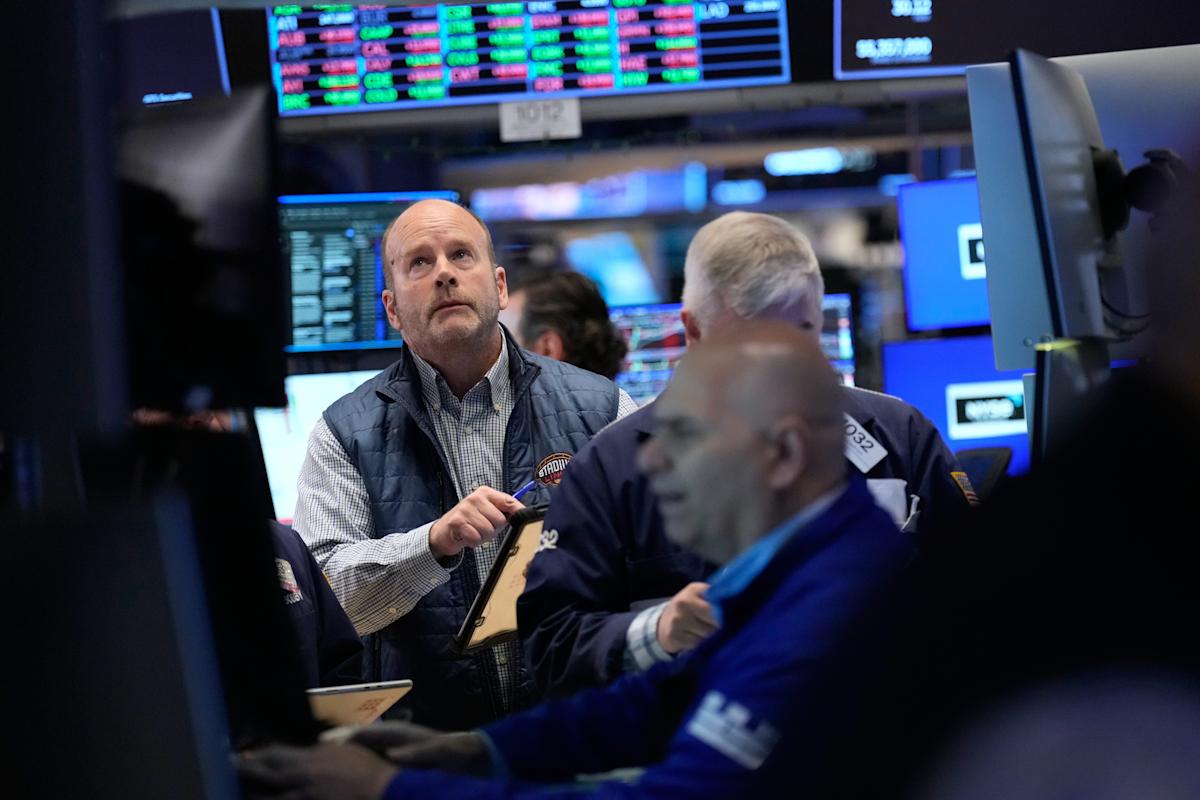
Iran Conflict Disrupts Global Oil and Stock Markets
Written by Emily J. Thompson, Senior Investment Analyst
Updated: 1 hour ago
0mins
Should l Buy MCO?
Source: Fool
- Oil Price Surge: Iranian retaliatory strikes have caused oil tanker traffic through the Strait of Hormuz to plummet to single digits daily, pushing Brent crude oil prices above $127 per barrel in early April, the highest since summer 2022, highlighting the geopolitical tensions' profound impact on global energy markets.
- Market Volatility: Although the S&P 500 index initially fell 9% at the conflict's onset, it has since regained some losses as investor confidence in a resolution grows; however, billionaire hedge fund manager Ken Griffin warns that a prolonged closure of the Strait could lead to an unavoidable global recession, potentially triggering a market crash.
- Recession Risks: Moody's chief economist Mark Zandi noted that sustained high oil prices would make a recession difficult to avoid, with historical data showing the S&P 500 has averaged a 32% decline during past recessions, indicating significant threats to the stock market from widespread economic downturns.
- Investor Outlook: Despite Wall Street setting a year-end target of 7,459 for the S&P 500, suggesting a 7% upside, analysts caution that if consumer spending slows due to high oil prices and inflation, future earnings forecasts may be revised downward, adding further pressure on the stock market.
Trade with 70% Backtested Accuracy
Stop guessing "Should I Buy MCO?" and start using high-conviction signals backed by rigorous historical data.
Sign up today to access powerful investing tools and make smarter, data-driven decisions.
Analyst Views on MCO
Wall Street analysts forecast MCO stock price to rise
10 Analyst Rating
8 Buy
2 Hold
0 Sell
Strong Buy
Current: 438.060

Low
526.00
Averages
586.50
High
660.00
Current: 438.060
Low
526.00
Averages
586.50
High
660.00
About MCO
Moody's Corporation is a global integrated risk assessment company. It is a global provider of research and insights; data and information, and decision solutions, which help companies make decisions. Its MA segment provides data, intelligence and analytical tools to help business and financial leaders make decisions. MA consists of a premier fixed income and economic research business (Research & Insights); a data business powered by databases on companies and credit (Data & Information), and three cloud-based subscription businesses serving banking, insurance and KYC workflows (Decision Solutions). Its MIS segment is a global provider of credit ratings, research, and risk analysis. It publishes credit ratings and provides assessment services on a wide range of debt obligations, programs and facilities, and the entities that issue such obligations in markets worldwide, including various corporate, financial institution and governmental obligations, and structured finance securities.
About the author

Emily J. Thompson
Emily J. Thompson, a Chartered Financial Analyst (CFA) with 12 years in investment research, graduated with honors from the Wharton School. Specializing in industrial and technology stocks, she provides in-depth analysis for Intellectia’s earnings and market brief reports.
Buffett Retires, Abel Takes Over as CEO of Berkshire Hathaway


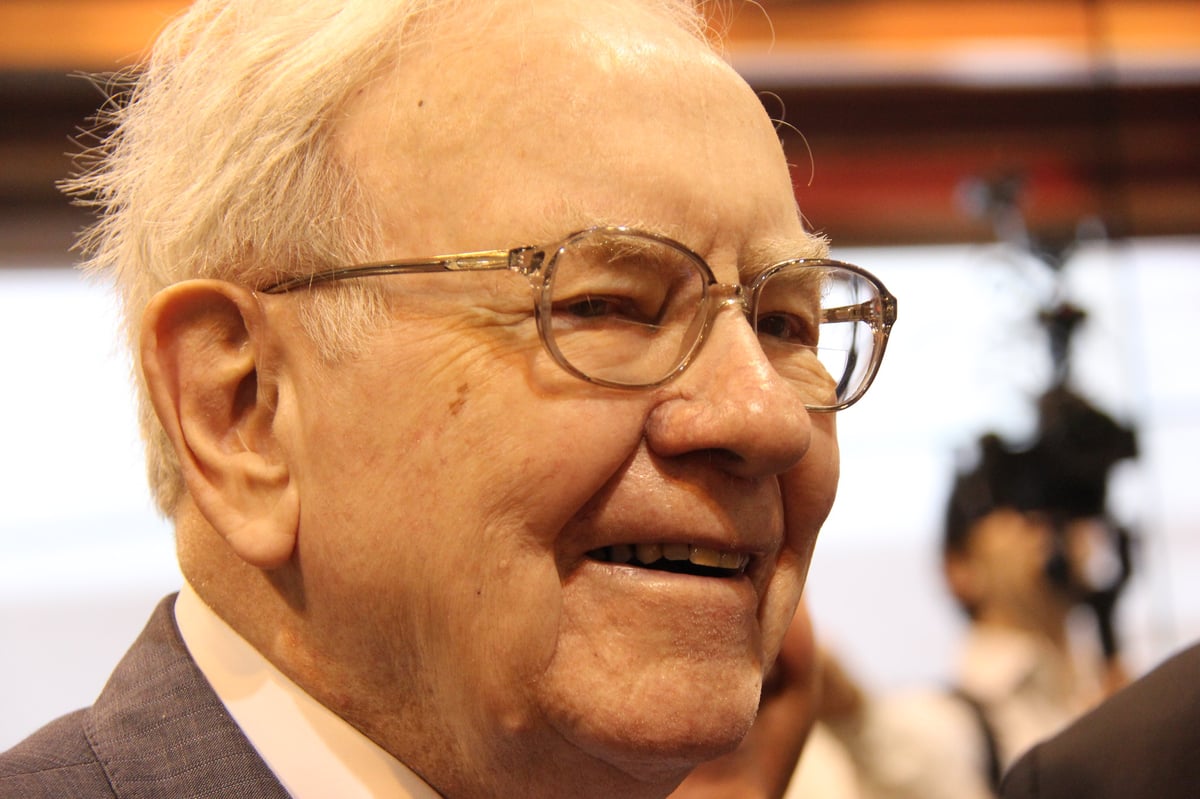
- Leadership Transition: Warren Buffett officially retired on December 31, 2025, with Greg Abel taking over the day-to-day operations of Berkshire Hathaway, managing a $318 billion investment portfolio, marking a significant shift in the company's leadership.
- Portfolio Concentration: Abel inherited a portfolio where the top ten holdings account for 79% of invested assets, with Apple representing $59.4 billion or 18.7% of total investments, indicating a strong reliance on core assets.
- Capital Return Strategy: All of Berkshire's top ten holdings pay dividends, with Coca-Cola yielding an impressive 63% annually, reflecting Abel's continuation of Buffett's focus on capital returns to enhance shareholder value.
- Value Investment Principle: Abel emphasizes the importance of value in managing the portfolio, recently selling approximately 75% of Berkshire's Apple shares, indicating that maintaining the portfolio's value is a top priority in the face of high valuations.
See More
Iran Conflict Disrupts Global Oil and Stock Markets

- Oil Price Surge: Iranian retaliatory strikes have caused oil tanker traffic through the Strait of Hormuz to plummet to single digits daily, pushing Brent crude oil prices above $127 per barrel in early April, the highest since summer 2022, highlighting the geopolitical tensions' profound impact on global energy markets.
- Market Volatility: Although the S&P 500 index initially fell 9% at the conflict's onset, it has since regained some losses as investor confidence in a resolution grows; however, billionaire hedge fund manager Ken Griffin warns that a prolonged closure of the Strait could lead to an unavoidable global recession, potentially triggering a market crash.
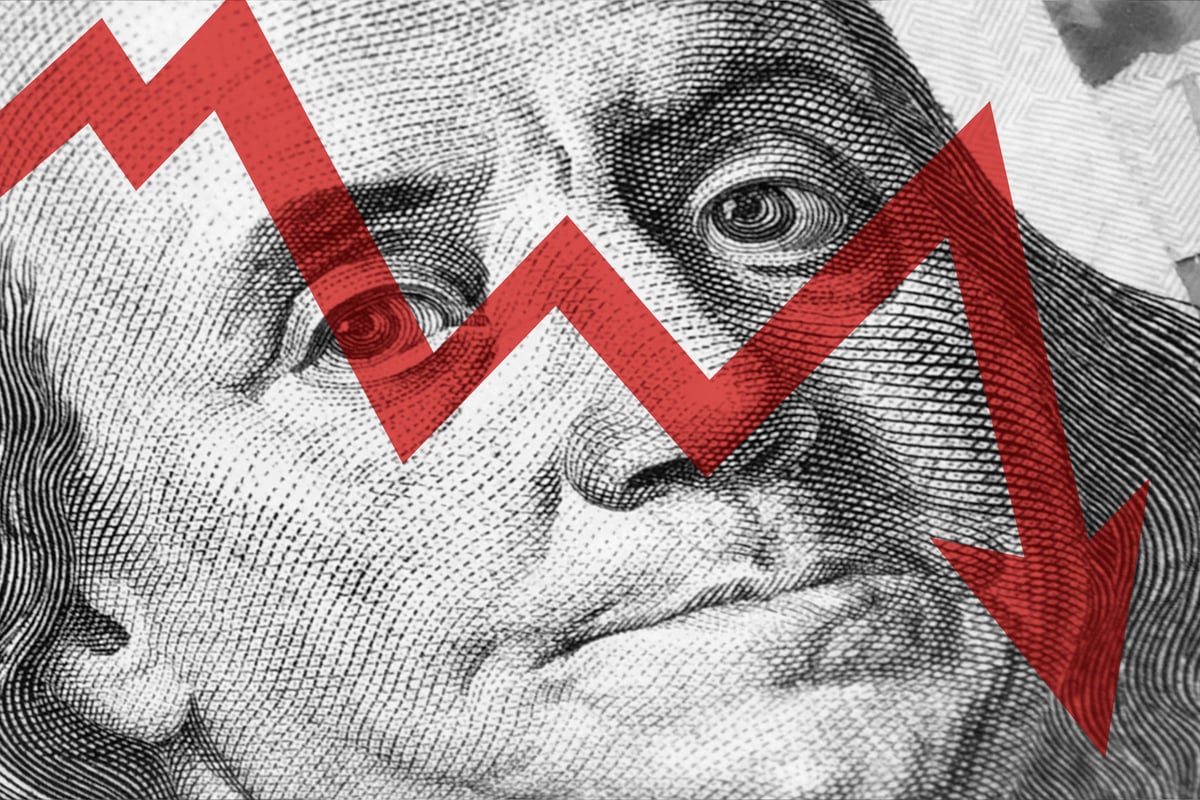
- Recession Risks: Moody's chief economist Mark Zandi noted that sustained high oil prices would make a recession difficult to avoid, with historical data showing the S&P 500 has averaged a 32% decline during past recessions, indicating significant threats to the stock market from widespread economic downturns.
- Investor Outlook: Despite Wall Street setting a year-end target of 7,459 for the S&P 500, suggesting a 7% upside, analysts caution that if consumer spending slows due to high oil prices and inflation, future earnings forecasts may be revised downward, adding further pressure on the stock market.
See More

Greg Abel Takes Over After Buffett's Retirement at Berkshire Hathaway
- Portfolio Transition: Following Warren Buffett's retirement on December 31, 2025, Greg Abel inherited a $318 billion investment portfolio, facing the challenge of a highly concentrated and brand-heavy asset base while committing to uphold Buffett's investment philosophy.
- Capital Return Strategy: All of Berkshire's top ten holdings feature robust capital return programs, with each company paying dividends; Coca-Cola boasts an impressive 63% annual yield, underscoring Abel's dedication to maintaining shareholder value.
- Long-Term Holding Strategy: In his first shareholder letter, Abel classified Apple and Moody's as 'indefinite holdings,' indicating confidence in their long-term prospects, despite Berkshire having sold approximately 75% of its Apple stake in the past two years.
- Value Investment Principle: Both Abel and Buffett emphasize the importance of securing good deals, as evidenced by Berkshire's recent reductions in holdings, reflecting sensitivity to market valuations, particularly when bank stocks trade above book value.
See More

Ken Griffin Warns: Closure of Strait of Hormuz Will Trigger Recession
- Recession Warning: Billionaire Ken Griffin warns that a global recession is inevitable if the Strait of Hormuz remains closed for another six to twelve months, which could significantly undermine market confidence and investor sentiment.
- Surging Oil Prices: The retaliatory attacks from Iran have drastically reduced the number of ships passing through the Strait of Hormuz to single digits daily, causing Brent crude oil prices to soar above $127 per barrel in early April, creating further market uncertainty and inflationary pressures.
- Historical Data Insight: Since the S&P 500's inception in 1957, the U.S. economy has faced ten recessions, with the index typically experiencing an average decline of 32% during these periods, indicating that the current market's high levels may be at risk of significant corrections.
- Market Expectations vs. Reality: While Wall Street remains optimistic about a 7% year-end target for the S&P 500, any signs of weakness in consumer spending could lead analysts to revise earnings forecasts downward, potentially exerting downward pressure on the market.
See More

AI Stock Uncertainties Dissipate as Market Recovers

- Geopolitical Risk Eases: Despite no agreement reached in the Iran conflict, market signals indicate that investors are ready to move past uncertainties, with the Nasdaq closing up over 1% after an initial drop, suggesting a diminishing response to geopolitical concerns.
- Self-Sufficient Energy Supply: As hyperscale data centers demand more energy, memory producers like Micron and SanDisk are ramping up production to meet the need for high bandwidth memory, thereby facilitating further advancements in AI technology.
- Overblown Credit Fears: Although Moody's downgraded Blue Owl Capital's credit outlook to negative, overall credit default rates remain manageable, indicating that market fears regarding private credit may be exaggerated.
- Strong Performance of AI Stocks: Applied Optoelectronics has surged 65% in the past month, while SanDisk has risen 38%, demonstrating that despite market uncertainties, certain AI stocks continue to show robust growth potential.
See More
Vicious Cycle Index Signals Economic Recession


- Vicious Cycle Index Overview: Moody's Analytics' Vicious Cycle Index (VCI) has accurately predicted 100% of U.S. recessions over the past 80 years without a single false alarm, demonstrating its effectiveness and reliability in economic forecasting.
- Unemployment Rate Indicator: The VCI is based on the Sahm Rule, which requires the three-month average unemployment rate to exceed the 12-month low by 1%, enhancing its accuracy in capturing recessions, especially in the context of declining labor force participation.
- Current Economic Condition: Chief economist Mark Zandi of Moody's Analytics believes that the U.S. economy has already entered a recession, despite the National Bureau of Economic Research not yet confirming it, with the probability of recession rising to 48.6%, surpassing predictions from other organizations.
- Investment Strategy Recommendations: Investors should consider purchasing recession-proof stocks such as Walmart, AbbVie, and American States Water, which tend to perform well during economic downturns, while also maintaining cash reserves to capitalize on potential investment opportunities.
See More
Buffett Retires, Abel Takes Over as CEO of Berkshire Hathaway
- Leadership Transition: Warren Buffett officially retired on December 31, 2025, with Greg Abel taking over the day-to-day operations of Berkshire Hathaway, managing a $318 billion investment portfolio, marking a significant shift in the company's leadership.
- Portfolio Concentration: Abel inherited a portfolio where the top ten holdings account for 79% of invested assets, with Apple representing $59.4 billion or 18.7% of total investments, indicating a strong reliance on core assets.
- Capital Return Strategy: All of Berkshire's top ten holdings pay dividends, with Coca-Cola yielding an impressive 63% annually, reflecting Abel's continuation of Buffett's focus on capital returns to enhance shareholder value.
- Value Investment Principle: Abel emphasizes the importance of value in managing the portfolio, recently selling approximately 75% of Berkshire's Apple shares, indicating that maintaining the portfolio's value is a top priority in the face of high valuations.
See More
Iran Conflict Disrupts Global Oil and Stock Markets
- Oil Price Surge: Iranian retaliatory strikes have caused oil tanker traffic through the Strait of Hormuz to plummet to single digits daily, pushing Brent crude oil prices above $127 per barrel in early April, the highest since summer 2022, highlighting the geopolitical tensions' profound impact on global energy markets.
- Market Volatility: Although the S&P 500 index initially fell 9% at the conflict's onset, it has since regained some losses as investor confidence in a resolution grows; however, billionaire hedge fund manager Ken Griffin warns that a prolonged closure of the Strait could lead to an unavoidable global recession, potentially triggering a market crash.
- Recession Risks: Moody's chief economist Mark Zandi noted that sustained high oil prices would make a recession difficult to avoid, with historical data showing the S&P 500 has averaged a 32% decline during past recessions, indicating significant threats to the stock market from widespread economic downturns.
- Investor Outlook: Despite Wall Street setting a year-end target of 7,459 for the S&P 500, suggesting a 7% upside, analysts caution that if consumer spending slows due to high oil prices and inflation, future earnings forecasts may be revised downward, adding further pressure on the stock market.
See More
Greg Abel Takes Over After Buffett's Retirement at Berkshire Hathaway
- Portfolio Transition: Following Warren Buffett's retirement on December 31, 2025, Greg Abel inherited a $318 billion investment portfolio, facing the challenge of a highly concentrated and brand-heavy asset base while committing to uphold Buffett's investment philosophy.
- Capital Return Strategy: All of Berkshire's top ten holdings feature robust capital return programs, with each company paying dividends; Coca-Cola boasts an impressive 63% annual yield, underscoring Abel's dedication to maintaining shareholder value.
- Long-Term Holding Strategy: In his first shareholder letter, Abel classified Apple and Moody's as 'indefinite holdings,' indicating confidence in their long-term prospects, despite Berkshire having sold approximately 75% of its Apple stake in the past two years.
- Value Investment Principle: Both Abel and Buffett emphasize the importance of securing good deals, as evidenced by Berkshire's recent reductions in holdings, reflecting sensitivity to market valuations, particularly when bank stocks trade above book value.
See More
Ken Griffin Warns: Closure of Strait of Hormuz Will Trigger Recession
- Recession Warning: Billionaire Ken Griffin warns that a global recession is inevitable if the Strait of Hormuz remains closed for another six to twelve months, which could significantly undermine market confidence and investor sentiment.
- Surging Oil Prices: The retaliatory attacks from Iran have drastically reduced the number of ships passing through the Strait of Hormuz to single digits daily, causing Brent crude oil prices to soar above $127 per barrel in early April, creating further market uncertainty and inflationary pressures.
- Historical Data Insight: Since the S&P 500's inception in 1957, the U.S. economy has faced ten recessions, with the index typically experiencing an average decline of 32% during these periods, indicating that the current market's high levels may be at risk of significant corrections.
- Market Expectations vs. Reality: While Wall Street remains optimistic about a 7% year-end target for the S&P 500, any signs of weakness in consumer spending could lead analysts to revise earnings forecasts downward, potentially exerting downward pressure on the market.
See More
AI Stock Uncertainties Dissipate as Market Recovers
- Geopolitical Risk Eases: Despite no agreement reached in the Iran conflict, market signals indicate that investors are ready to move past uncertainties, with the Nasdaq closing up over 1% after an initial drop, suggesting a diminishing response to geopolitical concerns.
- Self-Sufficient Energy Supply: As hyperscale data centers demand more energy, memory producers like Micron and SanDisk are ramping up production to meet the need for high bandwidth memory, thereby facilitating further advancements in AI technology.
- Overblown Credit Fears: Although Moody's downgraded Blue Owl Capital's credit outlook to negative, overall credit default rates remain manageable, indicating that market fears regarding private credit may be exaggerated.
- Strong Performance of AI Stocks: Applied Optoelectronics has surged 65% in the past month, while SanDisk has risen 38%, demonstrating that despite market uncertainties, certain AI stocks continue to show robust growth potential.
See More
Vicious Cycle Index Signals Economic Recession
- Vicious Cycle Index Overview: Moody's Analytics' Vicious Cycle Index (VCI) has accurately predicted 100% of U.S. recessions over the past 80 years without a single false alarm, demonstrating its effectiveness and reliability in economic forecasting.
- Unemployment Rate Indicator: The VCI is based on the Sahm Rule, which requires the three-month average unemployment rate to exceed the 12-month low by 1%, enhancing its accuracy in capturing recessions, especially in the context of declining labor force participation.
- Current Economic Condition: Chief economist Mark Zandi of Moody's Analytics believes that the U.S. economy has already entered a recession, despite the National Bureau of Economic Research not yet confirming it, with the probability of recession rising to 48.6%, surpassing predictions from other organizations.
- Investment Strategy Recommendations: Investors should consider purchasing recession-proof stocks such as Walmart, AbbVie, and American States Water, which tend to perform well during economic downturns, while also maintaining cash reserves to capitalize on potential investment opportunities.
See More