Iran Conflict Boosts Electric Vehicle Demand
Written by Emily J. Thompson, Senior Investment Analyst
Updated: Mar 24 2026
0mins

Should l Buy RIVN?
Source: Fool
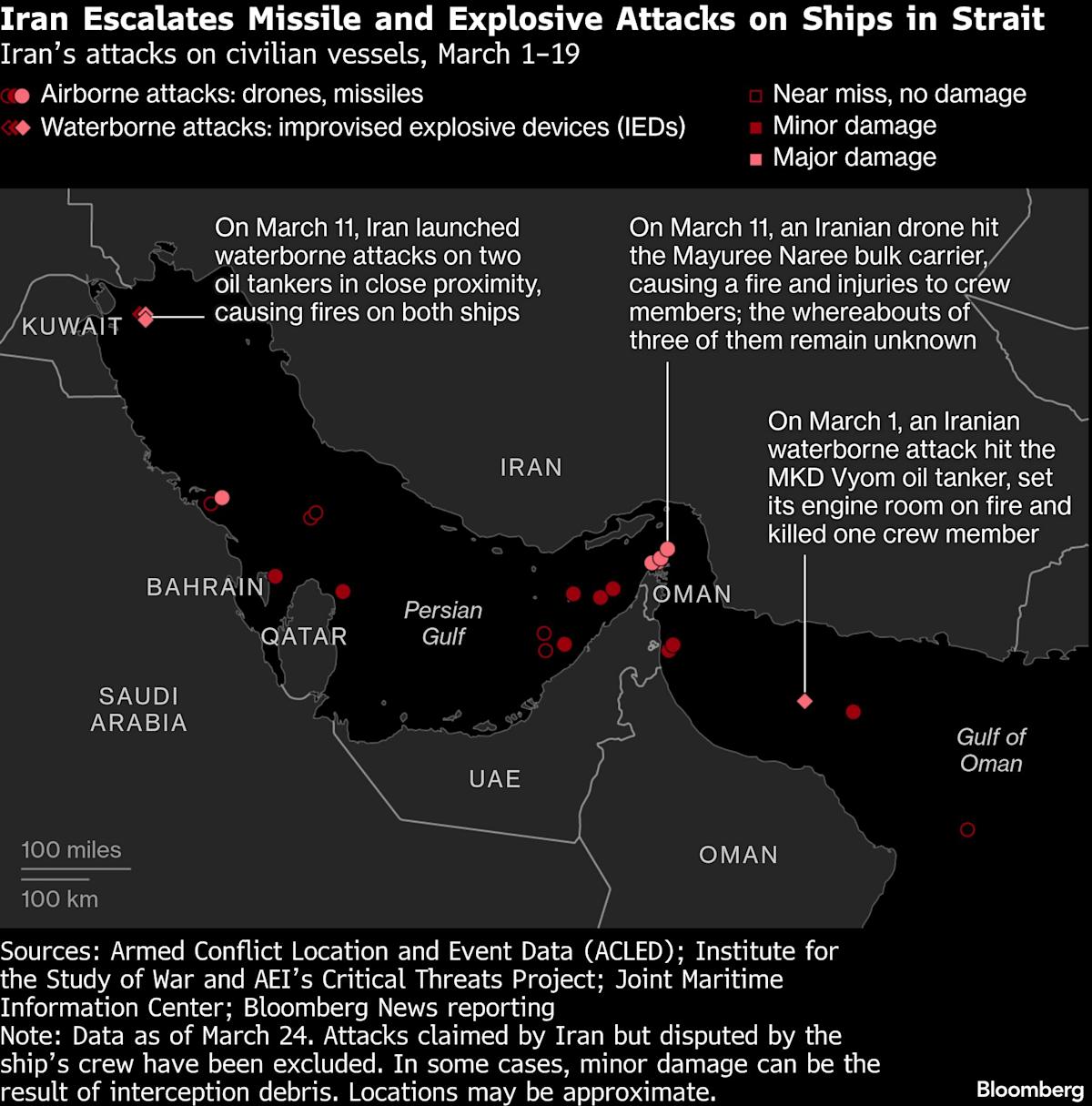
- Oil Price Surge: The war in Iran has led to soaring oil prices, significantly enhancing the value proposition of electric vehicles (EVs), with expectations of a short-term boost in EV demand that could evolve into a long-term growth cycle if the conflict escalates.
- Rivian Valuation Drop: Rivian's market cap has plummeted from $100 billion at its IPO to $18.5 billion, yet investor confidence in its growth potential is rising as market opportunities expand amidst fading competition.
- Lucid Revenue Growth: Lucid's fourth-quarter revenue surged 122% year-over-year to $522.7 million, driven by the popularity of its new Lucid Gravity SUV, although it still needs to introduce more affordable models to capture the mass market.
- Profitability Challenges: While both Rivian and Lucid are striving for profitability, Rivian's rapidly growing software and services segment, which accounted for 35% of its fourth-quarter revenue, may provide it with a clearer path to profitability compared to Lucid.
Trade with 70% Backtested Accuracy
Stop guessing "Should I Buy RIVN?" and start using high-conviction signals backed by rigorous historical data.
Sign up today to access powerful investing tools and make smarter, data-driven decisions.
Analyst Views on RIVN
Wall Street analysts forecast RIVN stock price to rise
18 Analyst Rating
8 Buy
7 Hold
3 Sell
Moderate Buy
Current: 15.050

Low
10.00
Averages
17.78
High
25.00
Current: 15.050
Low
10.00
Averages
17.78
High
25.00
About RIVN
Rivian Automotive, Inc. is an automotive technology company, which is engaged in developing and manufacturing category-defining electric vehicles (EVs) as well as vertically integrated technologies and services. The Company’s R1 platform consists of two vehicles: the R1T, a two-row five-passenger pickup truck, and the R1S, a three-row seven-passenger sport utility vehicle (SUV). In the commercial market, the Company offers a Rivian Commercial Vehicle (RCV) platform. The vehicle on this platform is the Electric Delivery Van (EDV), designed and engineered by Rivian in collaboration with Amazon. The Company also offers FleetOS, its proprietary, end-to-end centralized fleet management subscription platform. It also offers a variety of services, including vehicle repair and maintenance, financing, insurance, joint venture, software subscriptions, and vehicle accessories, among others. Its other services include vehicle electrical architecture and software development services, and more.
About the author

Emily J. Thompson
Emily J. Thompson, a Chartered Financial Analyst (CFA) with 12 years in investment research, graduated with honors from the Wharton School. Specializing in industrial and technology stocks, she provides in-depth analysis for Intellectia’s earnings and market brief reports.
Rivian Automotive's Strategic Shift and Market Challenges


- Strategic Transformation: Rivian achieved its first full-year gross profit in 2025 by focusing on cost-cutting and factory retooling in preparation for the upcoming R2 model, despite declines in production and deliveries leading to muted market reactions.
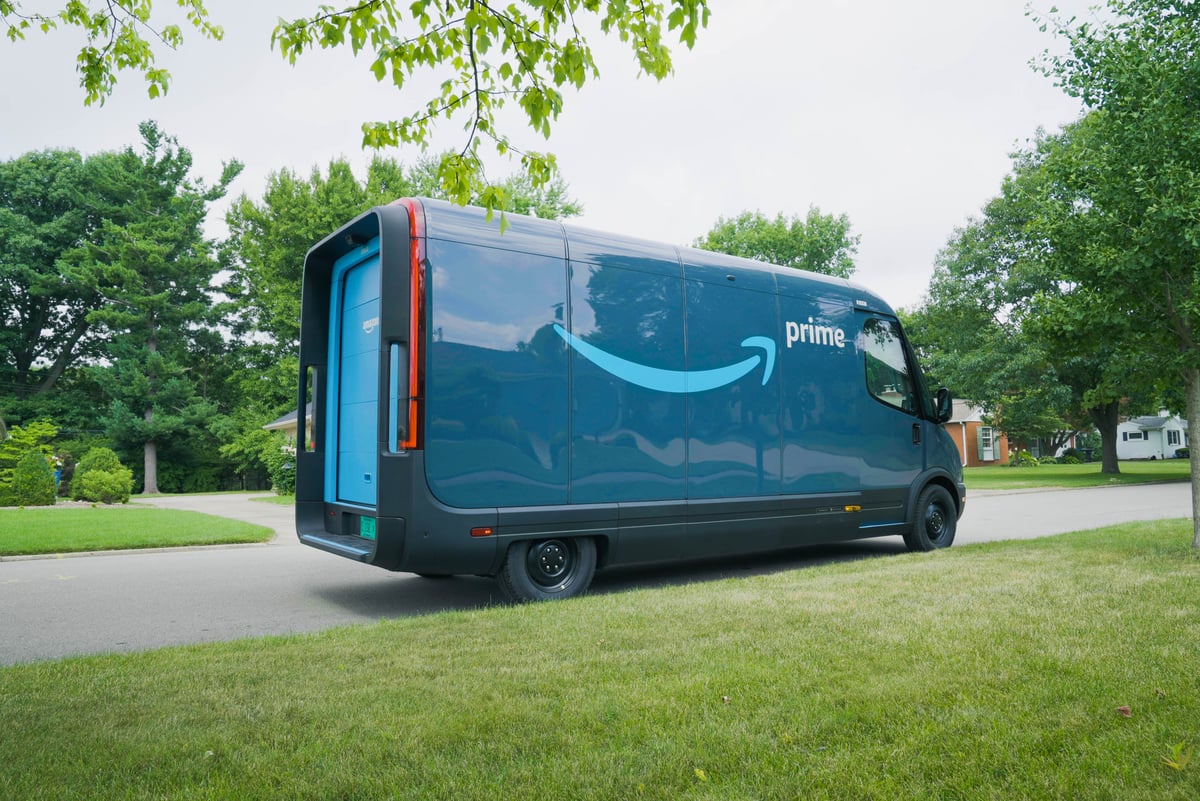
- Amazon Order Impact: Amazon's order for 100,000 electric delivery vans established Rivian's market presence, with a four-year exclusivity agreement amended in 2023 to allow sales to other customers, although component shortages hindered order fulfillment.
- Market Competition Pressure: Rivian's electric delivery vans are priced around $80,000, while Ford's E-Transit is offered in the mid-$50,000s, coupled with Ford's established service infrastructure, which Rivian is still developing, reducing its market appeal.
- Product Performance Enhancement: Rivian plans to increase the electric delivery van's range by 30% through a larger battery pack and introduce all-wheel drive, aiming to improve product performance to attract more buyers and reshape its market image.
See More

Aurora Leads the Charge in Autonomous Trucking


- Industry Pioneer: Aurora Innovation has successfully validated driverless operations between Dallas and Houston since deploying its first autonomous trucks in April last year, marking its leadership in the autonomous trucking sector and is expected to drive significant business growth.
- Business Expansion: By validating autonomous freight movement on the 1,000-mile route from Fort Worth to Phoenix, Aurora has surpassed 'hours of service' limitations and anticipates operating over 200 driverless trucks by year-end, projecting annual revenue to reach $80 million.
- Technological Innovation: QuantumScape has accelerated its manufacturing speed by 25 times through its Cobra process and launched a new automated pilot line, aiming to commercialize solid-state batteries, which could play a crucial role in the convergence of electric and driverless vehicles.
- Market Opportunity: Uber Technologies has established partnerships with over 20 autonomous vehicle tech companies, leveraging its strong market share and user base to mitigate development risks, and is expected to enhance profitability of its existing business through the utilization of driverless vehicles.
See More

Rapid Growth in the Driverless Vehicle Industry
- Pioneering Autonomous Trucks: Aurora Innovation has validated driverless operations between Dallas and Houston since its first deployment in April last year, and it expects a 400% revenue increase to a forecasted $14 million to $16 million by 2026, showcasing strong growth potential in the autonomous freight market.
- Outstanding Safety Record: As of January 2026, Aurora has logged over 250,000 driverless miles with zero collisions attributed to the Aurora Driver, establishing a solid foundation for future business expansion and enhancing investor confidence.
- Uber's Capital-Light Strategy: Uber Technologies leverages its dominant position in rideshare and delivery, partnering with autonomous tech firms like Aurora and Waymo to mitigate development risks while aiming to enhance profitability through driverless vehicles, making it an attractive option for risk-averse investors.
- Quantum Battery Technology Breakthrough: QuantumScape is developing solid-state battery technology that could significantly improve EV battery density and safety; despite facing fierce competition, its partnership with Volkswagen Group and accelerated production capabilities position it uniquely in the autonomous EV market.
See More

Micron Technology Reports Blowout Earnings, Stock Reaction Muted


- Impressive Earnings: Micron Technology's latest earnings report revealed quarterly revenue nearing $24 billion, nearly tripling year-over-year and exceeding market expectations by nearly $4 billion; however, the stock fell about 2.8%, indicating market caution regarding future growth.
- Doubling Gross Margin: The company's gross margin doubled year-over-year to approximately 74%, an extraordinary feat for a mature company, reflecting significant pricing power amid surging demand for AI infrastructure.
- Strong Guidance: Micron's revenue guidance for the current quarter is set at $33.5 billion, well above analysts' expectations of $24.3 billion, suggesting a nearly 50% gross margin and indicating continued benefits from the AI investment surge.
- Strategic Customer Agreements: Micron is entering into long-term strategic agreements with customers, marking its first five-year contracts, which will provide greater business predictability and could alter the cyclical nature of the memory chip industry.
See More

Micron Technologies Surpasses Earnings Expectations Amid AI Demand Surge
- Impressive Earnings: Micron Technologies reported nearly $24 billion in revenue for the latest quarter, nearly tripling year-over-year and exceeding market expectations by approximately $4 billion, with gross margins doubling to 74%, reflecting strong market demand and pricing power.
- Strong Future Guidance: The company guided for $33.5 billion in revenue for the upcoming quarter, significantly above analysts' expectations of $24.3 billion, indicating robust confidence in AI infrastructure investments that could drive sustained future growth.
- Strategic Customer Agreements: Micron is entering long-term strategic agreements with customers, including its first five-year contract, enhancing visibility into future business and potentially altering the cyclical nature of the memory market, thereby boosting the company's competitive edge.
- Cautious Market Reaction: Despite the strong earnings report, Micron's stock fell by 2.8%, partly due to market concerns over potential Fed interest rate hikes and geopolitical tensions in the Middle East, reflecting investor caution regarding future demand.
See More
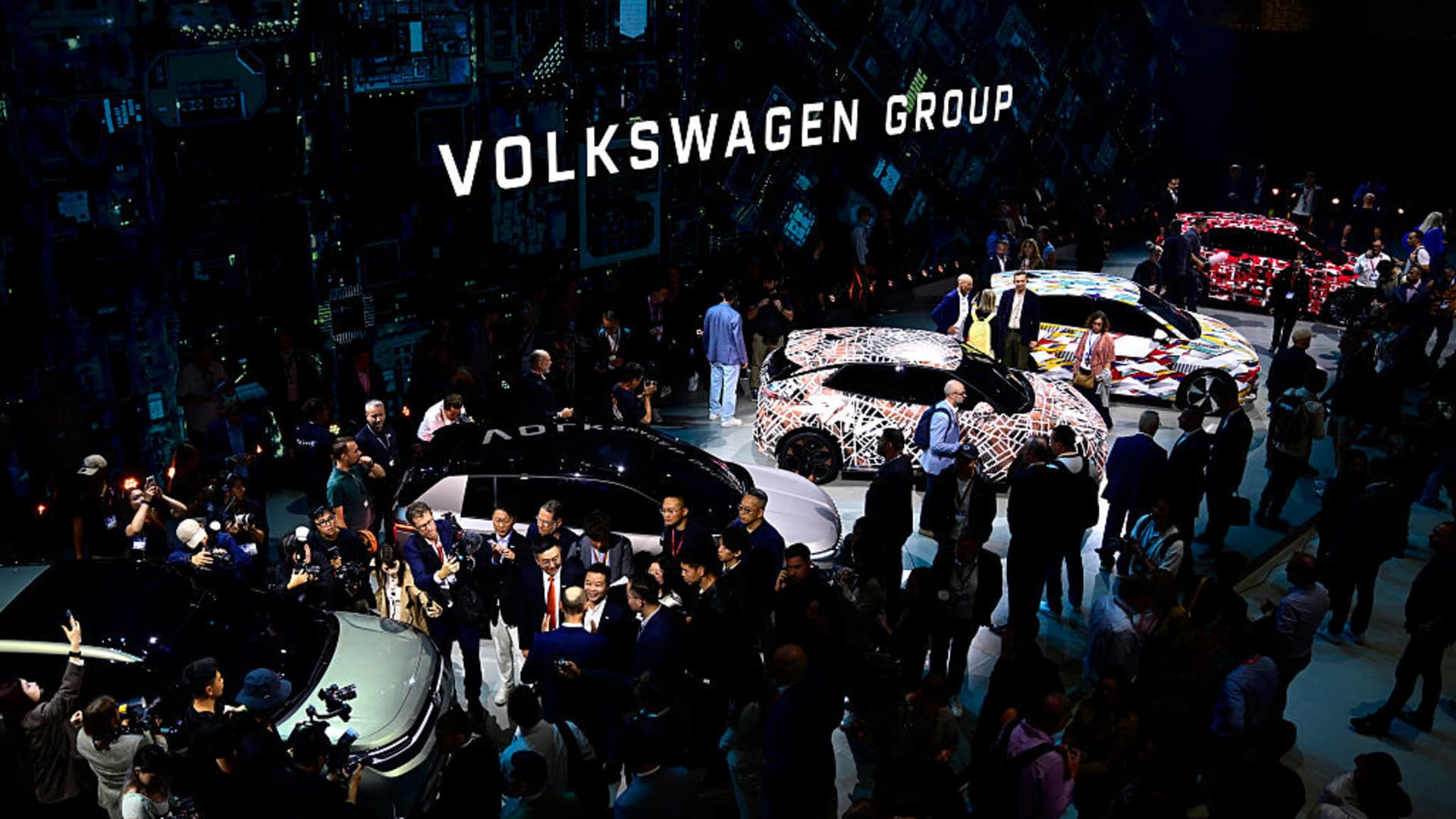
Volkswagen Partners with Xpeng to Accelerate Tech Transformation


- Intensified Market Competition: Volkswagen's profits in China fell approximately 45% in 2025, from $2 billion to $1.1 billion, highlighting fierce competition from local firms that forces a reassessment of market strategies to maintain share.
- Deepened Technological Collaboration: The partnership with Xpeng enables Volkswagen to rapidly build hardware and software architecture in China, particularly the CEA architecture completed in 18 months, significantly shortening new vehicle development cycles and enhancing market responsiveness.
- Product Innovation Speed: The jointly developed ID.UNYX 08 vehicle was produced in 24 months, a speed deemed 'unheard of' in the Western automotive industry, reflecting the high efficiency of Chinese manufacturing capabilities.
- Global Expansion Strategy: Xpeng's launch of new models in Mexico indicates its intent to compete globally, potentially posing a greater threat to Volkswagen and other non-Chinese automakers, especially in the competition for high-value technology components.
See More
Rivian Automotive's Strategic Shift and Market Challenges
- Strategic Transformation: Rivian achieved its first full-year gross profit in 2025 by focusing on cost-cutting and factory retooling in preparation for the upcoming R2 model, despite declines in production and deliveries leading to muted market reactions.
- Amazon Order Impact: Amazon's order for 100,000 electric delivery vans established Rivian's market presence, with a four-year exclusivity agreement amended in 2023 to allow sales to other customers, although component shortages hindered order fulfillment.
- Market Competition Pressure: Rivian's electric delivery vans are priced around $80,000, while Ford's E-Transit is offered in the mid-$50,000s, coupled with Ford's established service infrastructure, which Rivian is still developing, reducing its market appeal.
- Product Performance Enhancement: Rivian plans to increase the electric delivery van's range by 30% through a larger battery pack and introduce all-wheel drive, aiming to improve product performance to attract more buyers and reshape its market image.
See More
Aurora Leads the Charge in Autonomous Trucking
- Industry Pioneer: Aurora Innovation has successfully validated driverless operations between Dallas and Houston since deploying its first autonomous trucks in April last year, marking its leadership in the autonomous trucking sector and is expected to drive significant business growth.
- Business Expansion: By validating autonomous freight movement on the 1,000-mile route from Fort Worth to Phoenix, Aurora has surpassed 'hours of service' limitations and anticipates operating over 200 driverless trucks by year-end, projecting annual revenue to reach $80 million.
- Technological Innovation: QuantumScape has accelerated its manufacturing speed by 25 times through its Cobra process and launched a new automated pilot line, aiming to commercialize solid-state batteries, which could play a crucial role in the convergence of electric and driverless vehicles.
- Market Opportunity: Uber Technologies has established partnerships with over 20 autonomous vehicle tech companies, leveraging its strong market share and user base to mitigate development risks, and is expected to enhance profitability of its existing business through the utilization of driverless vehicles.
See More
Rapid Growth in the Driverless Vehicle Industry
- Pioneering Autonomous Trucks: Aurora Innovation has validated driverless operations between Dallas and Houston since its first deployment in April last year, and it expects a 400% revenue increase to a forecasted $14 million to $16 million by 2026, showcasing strong growth potential in the autonomous freight market.
- Outstanding Safety Record: As of January 2026, Aurora has logged over 250,000 driverless miles with zero collisions attributed to the Aurora Driver, establishing a solid foundation for future business expansion and enhancing investor confidence.
- Uber's Capital-Light Strategy: Uber Technologies leverages its dominant position in rideshare and delivery, partnering with autonomous tech firms like Aurora and Waymo to mitigate development risks while aiming to enhance profitability through driverless vehicles, making it an attractive option for risk-averse investors.
- Quantum Battery Technology Breakthrough: QuantumScape is developing solid-state battery technology that could significantly improve EV battery density and safety; despite facing fierce competition, its partnership with Volkswagen Group and accelerated production capabilities position it uniquely in the autonomous EV market.
See More
Micron Technology Reports Blowout Earnings, Stock Reaction Muted
- Impressive Earnings: Micron Technology's latest earnings report revealed quarterly revenue nearing $24 billion, nearly tripling year-over-year and exceeding market expectations by nearly $4 billion; however, the stock fell about 2.8%, indicating market caution regarding future growth.
- Doubling Gross Margin: The company's gross margin doubled year-over-year to approximately 74%, an extraordinary feat for a mature company, reflecting significant pricing power amid surging demand for AI infrastructure.
- Strong Guidance: Micron's revenue guidance for the current quarter is set at $33.5 billion, well above analysts' expectations of $24.3 billion, suggesting a nearly 50% gross margin and indicating continued benefits from the AI investment surge.
- Strategic Customer Agreements: Micron is entering into long-term strategic agreements with customers, marking its first five-year contracts, which will provide greater business predictability and could alter the cyclical nature of the memory chip industry.
See More
Micron Technologies Surpasses Earnings Expectations Amid AI Demand Surge
- Impressive Earnings: Micron Technologies reported nearly $24 billion in revenue for the latest quarter, nearly tripling year-over-year and exceeding market expectations by approximately $4 billion, with gross margins doubling to 74%, reflecting strong market demand and pricing power.
- Strong Future Guidance: The company guided for $33.5 billion in revenue for the upcoming quarter, significantly above analysts' expectations of $24.3 billion, indicating robust confidence in AI infrastructure investments that could drive sustained future growth.
- Strategic Customer Agreements: Micron is entering long-term strategic agreements with customers, including its first five-year contract, enhancing visibility into future business and potentially altering the cyclical nature of the memory market, thereby boosting the company's competitive edge.
- Cautious Market Reaction: Despite the strong earnings report, Micron's stock fell by 2.8%, partly due to market concerns over potential Fed interest rate hikes and geopolitical tensions in the Middle East, reflecting investor caution regarding future demand.
See More
Volkswagen Partners with Xpeng to Accelerate Tech Transformation
- Intensified Market Competition: Volkswagen's profits in China fell approximately 45% in 2025, from $2 billion to $1.1 billion, highlighting fierce competition from local firms that forces a reassessment of market strategies to maintain share.
- Deepened Technological Collaboration: The partnership with Xpeng enables Volkswagen to rapidly build hardware and software architecture in China, particularly the CEA architecture completed in 18 months, significantly shortening new vehicle development cycles and enhancing market responsiveness.
- Product Innovation Speed: The jointly developed ID.UNYX 08 vehicle was produced in 24 months, a speed deemed 'unheard of' in the Western automotive industry, reflecting the high efficiency of Chinese manufacturing capabilities.
- Global Expansion Strategy: Xpeng's launch of new models in Mexico indicates its intent to compete globally, potentially posing a greater threat to Volkswagen and other non-Chinese automakers, especially in the competition for high-value technology components.
See More