Investment Opportunities in AI-Driven Market
Written by Emily J. Thompson, Senior Investment Analyst
Updated: Mar 08 2026
0mins

Source: Fool
- TSMC's Market Leadership: Taiwan Semiconductor Manufacturing has established itself as the market leader in advanced chip manufacturing due to its technological expertise and scale, and is expected to benefit significantly from the AI data center boom over the next two years, particularly in the production of graphics processing units (GPUs) and other AI chips.
- Profitability and Capacity Utilization: TSMC's factories need to operate at nearly full capacity to be profitable, with a current market cap of $1.8 trillion and a gross margin of 58.73%, demonstrating its strong profitability and competitive position in a high-demand environment.
- ServiceNow's Growth Potential: Despite challenges in the software-as-a-service (SaaS) sector, ServiceNow is expected to rebound in the coming years due to its platform that unifies customer data with workflows, currently valued at $130 billion with a gross margin of 77.53%.
- AI Innovation and Acquisition Strategy: ServiceNow's generative AI suite, Now Assist, has been well-received by customers, and its new Control Tower aims to serve as an orchestration layer for AI; recent acquisitions of Armis and Veza further enhance its security, positioning it as a leader in the future AI market.
Trade with 70% Backtested Accuracy
Stop guessing "Should I Buy TSM?" and start using high-conviction signals backed by rigorous historical data.
Sign up today to access powerful investing tools and make smarter, data-driven decisions.
Analyst Views on TSM
Wall Street analysts forecast TSM stock price to fall
8 Analyst Rating
7 Buy
1 Hold
0 Sell
Strong Buy
Current: 396.060

Low
63.24
Averages
313.46
High
390.00
Current: 396.060
Low
63.24
Averages
313.46
High
390.00
About TSM
Taiwan Semiconductor Manufacturing Co Ltd is a Taiwan-based integrated circuit foundry service provider. The Company is primarily engaged in integrated circuit manufacturing services. It offers advanced process technologies, specialised process solutions, advanced photomask and silicon stacking, and packaging-related technologies, while supporting a comprehensive design ecosystem. The Company's products serve diverse electronic sectors including artificial intelligence, high-performance computing, wired and wireless communications, automotive and industrial equipment, personal computing, information applications, consumer electronics, smart internet of things, and wearable devices.
About the author

Emily J. Thompson
Emily J. Thompson, a Chartered Financial Analyst (CFA) with 12 years in investment research, graduated with honors from the Wharton School. Specializing in industrial and technology stocks, she provides in-depth analysis for Intellectia’s earnings and market brief reports.
TSMC Exits Investment in Arm Holdings

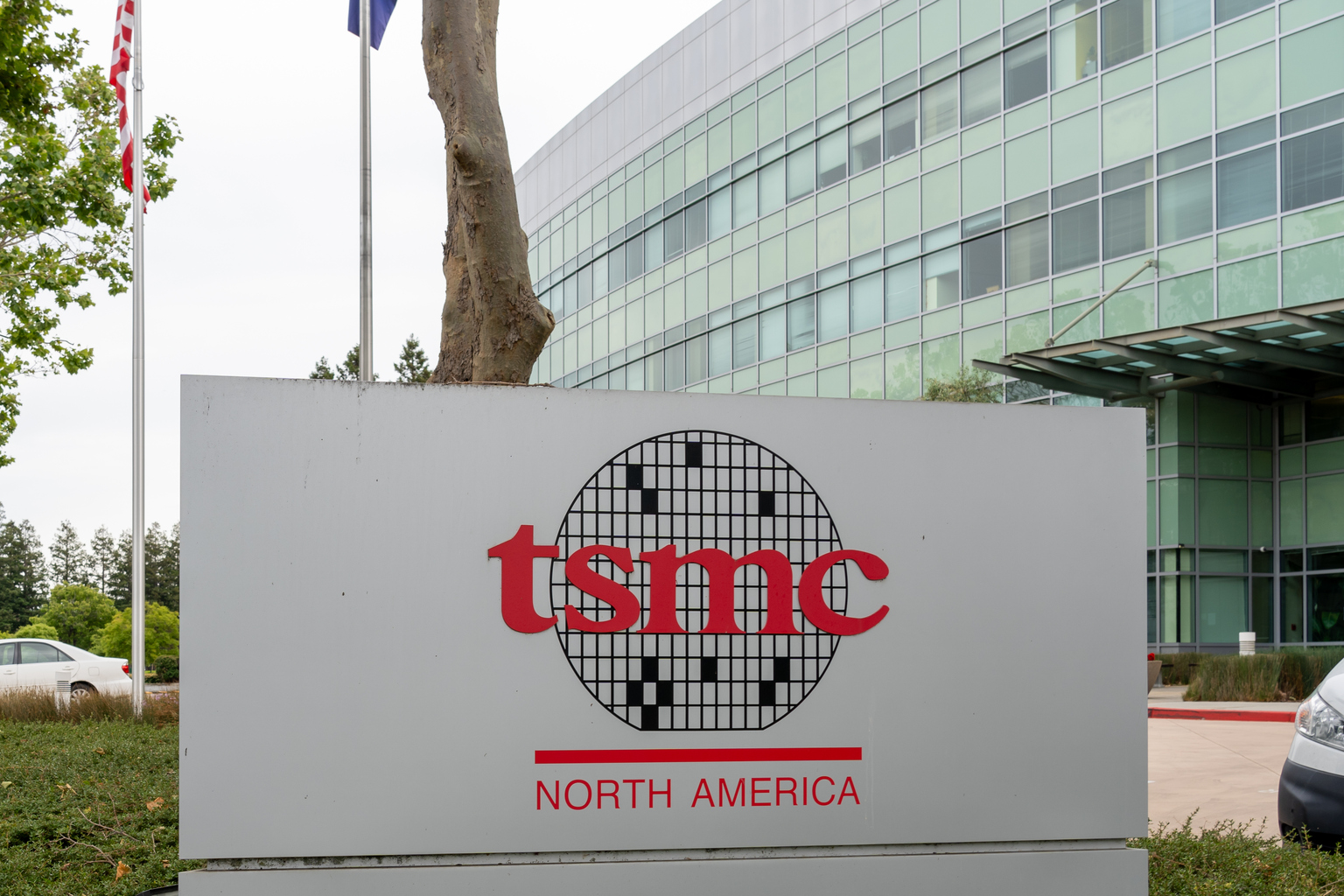
- Complete Exit: TSMC, through its subsidiary TSMC Partners, sold 1.11 million shares of Arm Holdings between April 28 and 29 at $207.65 per share, generating approximately $231 million in proceeds, marking a complete exit from the UK-based chip designer and reflecting its strategic direction towards portfolio optimization.
- Significant Earnings Impact: The transaction resulted in a $174 million impact on TSMC's earnings, illustrating how the company is enhancing financial flexibility by divesting non-core assets during its portfolio adjustment, thereby freeing up capital for future growth opportunities.
- Strategic Optimization Initiative: TSMC stated that this sale is part of a broader equity investment disposal strategy aimed at improving overall operational efficiency through portfolio optimization, ensuring resources are concentrated on more promising technology sectors, particularly in the rapidly evolving AI market.
- Market Outlook Uncertainty: While TSMC signals strong growth in the AI sector, conflicts in the Middle East are weighing on the company's financials, potentially clouding future market outlook and raising investor concerns about the company's long-term profitability.
See More

Taiwan Semiconductor: A Prime Investment in AI Sector
- AI Growth Forecast: TSMC's fourth-quarter conference revealed an expected compound annual growth rate of mid to high 50% for its AI business from 2024 to 2029, highlighting its robust growth potential and solidifying its market leadership.
- Significant Revenue Growth: The company reported a 41% year-over-year revenue growth and revised its 2026 total revenue growth forecast to exceed 30%, reflecting strong demand for its chips and boosting investor confidence.
- Industry Influence: As the primary logic chip manufacturer, TSMC's rapid growth is likely to positively impact other AI companies, with strong earnings expected from Nvidia and Broadcom in the first quarter, further driving industry development.
- Investment Value: Although TSMC's forward P/E ratio stands at 25, its industry dominance, substantial growth potential, and strong execution track record make this price worthwhile, positioning it as a suitable long-term investment.
See More

Importance of TSMC for Stock Market Investors
- Market Influence: TSMC, as the world's largest semiconductor foundry, showed a 0.53% increase in its stock price during afternoon trading on April 28, 2026, reflecting market confidence in its future growth.
- Investor Focus: Given TSMC's pivotal role in the semiconductor industry, investors generally view it as a barometer for market health, where any price fluctuations could significantly impact overall market sentiment.
- Industry Leader: TSMC's technological innovations and production capabilities solidify its dominant position in the global semiconductor market, further establishing it as a focal point for investor attention.
- Future Outlook: With the ongoing global demand for semiconductors, TSMC's stock price movements will continue to attract investor interest, serving as a crucial indicator for assessing market trends.
See More
Intel's Stock Soars 114%, Marking a Historic Market Comeback

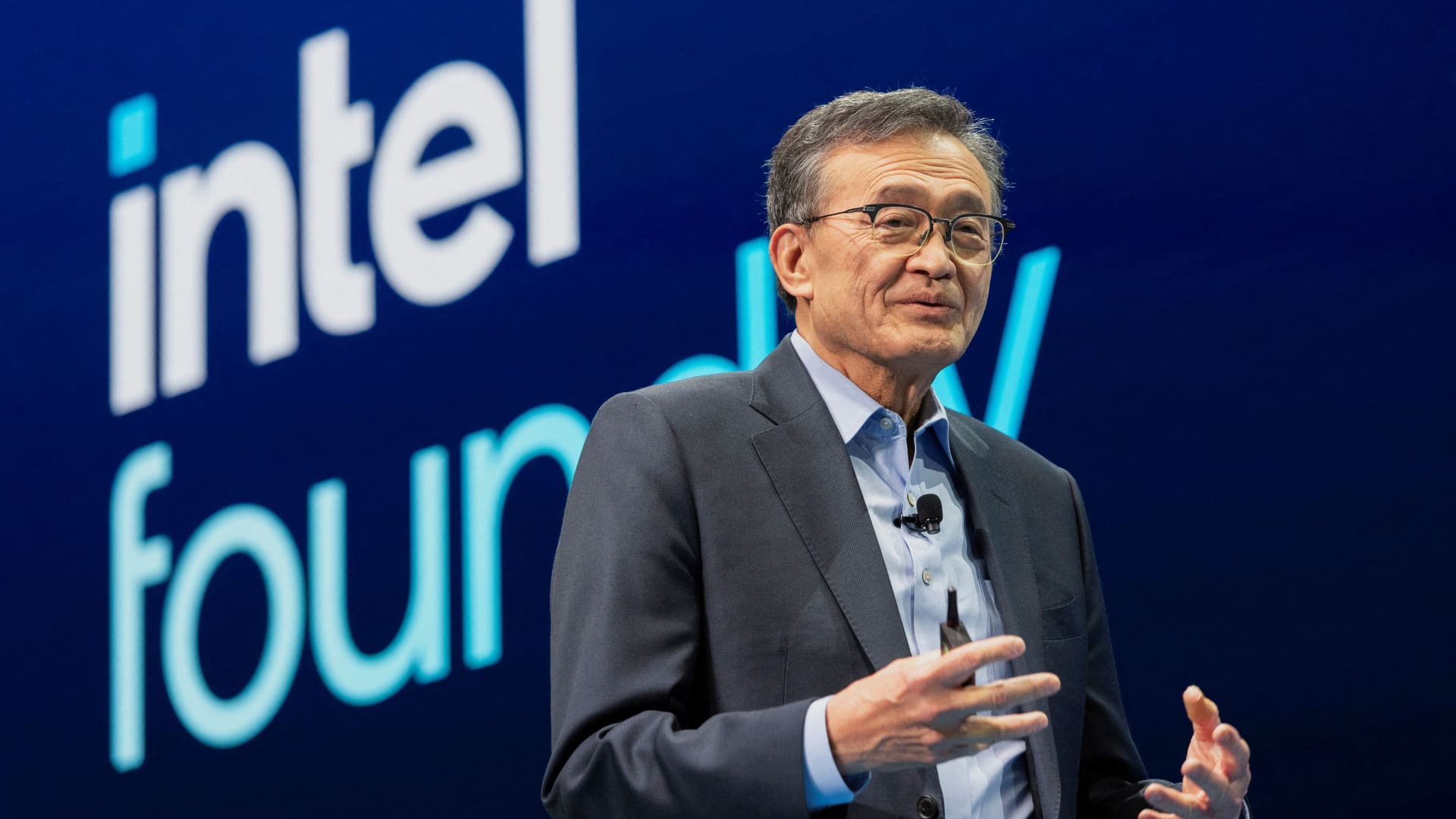
- Stock Surge: Intel's stock skyrocketed by 114% in April, marking its best monthly performance ever and reaching a new high for the first time since 2000, reflecting strong market confidence in its turnaround strategy.
- Surge in Demand: With a resurgence in AI demand, Intel's central processing unit (CPU) demand exceeds supply, and the CPU market is projected to double by 2030, reinforcing Intel's core position in the AI era.
- Strategic Investment: The U.S. government invested $8.9 billion in Intel through the CHIPS Act, becoming its largest shareholder, with the current stake valued at over $40 billion, highlighting the importance placed on the U.S. semiconductor industry.
- Manufacturing Capability Boost: Intel's new Arizona plant is producing 18A chips, signaling a recovery in its manufacturing capabilities, while its collaboration with Tesla provides new growth opportunities for future chip production.
See More
Intel Shares Surge 114%, Reaching Historic Highs
- Stock Surge: Intel's stock skyrocketed by 114% in April, pushing its market cap past $470 billion, marking the best month in its 55-year history on Nasdaq and reflecting strong market confidence in its turnaround efforts.
- Performance Recovery: Following a staggering 60% drop in 2024, Intel's stock has nearly quintupled, indicating investor optimism driven by the promising demand for its new 18A chips, particularly as data center CPU demand exceeds supply.
- Strategic Investment: The U.S. government invested $8.9 billion in Intel through the CHIPS Act, becoming its largest shareholder, with the current stake valued at over $40 billion, highlighting the government's commitment to reshaping the semiconductor industry.
- Manufacturing Capability Boost: Intel is set to collaborate with Musk's Terafab in Texas to design and manufacture ultra-high-performance chips, further solidifying its market position in advanced packaging and manufacturing, which is expected to drive significant revenue growth in the future.
See More

Investors' Optimism Amid Market Highs


- Market Optimism: In 2026, despite facing multiple market headwinds, the S&P 500 has reached a new all-time high, reflecting investor optimism driven by strong earnings expectations and hopes for a quick resolution to the Iran conflict, which has led to rapid market recoveries.
- Investor Strategy Warning: Billionaire investor Howard Marks cautions that mindlessly buying stocks during price dips may lead to long-term overpayment, emphasizing that the current market is not on sale and that true investment opportunities often arise during panic.
- Valuation Analysis: The S&P 500's price-to-earnings (P/E) ratio is significantly above historical averages, particularly for AI-driven tech stocks; however, Marks argues that high P/E ratios do not necessarily indicate overvaluation and should be assessed in the context of competitive advantages.
- Structural Advantages: Hedge fund manager Bill Ackman notes that the concentration of performance among a few high-quality mega-cap companies reflects durable structural advantages, asserting that the market's P/E multiple is justified and may remain sustainably higher than historical averages.
See More
TSMC Exits Investment in Arm Holdings
- Complete Exit: TSMC, through its subsidiary TSMC Partners, sold 1.11 million shares of Arm Holdings between April 28 and 29 at $207.65 per share, generating approximately $231 million in proceeds, marking a complete exit from the UK-based chip designer and reflecting its strategic direction towards portfolio optimization.
- Significant Earnings Impact: The transaction resulted in a $174 million impact on TSMC's earnings, illustrating how the company is enhancing financial flexibility by divesting non-core assets during its portfolio adjustment, thereby freeing up capital for future growth opportunities.
- Strategic Optimization Initiative: TSMC stated that this sale is part of a broader equity investment disposal strategy aimed at improving overall operational efficiency through portfolio optimization, ensuring resources are concentrated on more promising technology sectors, particularly in the rapidly evolving AI market.
- Market Outlook Uncertainty: While TSMC signals strong growth in the AI sector, conflicts in the Middle East are weighing on the company's financials, potentially clouding future market outlook and raising investor concerns about the company's long-term profitability.
See More
Taiwan Semiconductor: A Prime Investment in AI Sector
- AI Growth Forecast: TSMC's fourth-quarter conference revealed an expected compound annual growth rate of mid to high 50% for its AI business from 2024 to 2029, highlighting its robust growth potential and solidifying its market leadership.
- Significant Revenue Growth: The company reported a 41% year-over-year revenue growth and revised its 2026 total revenue growth forecast to exceed 30%, reflecting strong demand for its chips and boosting investor confidence.
- Industry Influence: As the primary logic chip manufacturer, TSMC's rapid growth is likely to positively impact other AI companies, with strong earnings expected from Nvidia and Broadcom in the first quarter, further driving industry development.
- Investment Value: Although TSMC's forward P/E ratio stands at 25, its industry dominance, substantial growth potential, and strong execution track record make this price worthwhile, positioning it as a suitable long-term investment.
See More
Importance of TSMC for Stock Market Investors
- Market Influence: TSMC, as the world's largest semiconductor foundry, showed a 0.53% increase in its stock price during afternoon trading on April 28, 2026, reflecting market confidence in its future growth.
- Investor Focus: Given TSMC's pivotal role in the semiconductor industry, investors generally view it as a barometer for market health, where any price fluctuations could significantly impact overall market sentiment.
- Industry Leader: TSMC's technological innovations and production capabilities solidify its dominant position in the global semiconductor market, further establishing it as a focal point for investor attention.
- Future Outlook: With the ongoing global demand for semiconductors, TSMC's stock price movements will continue to attract investor interest, serving as a crucial indicator for assessing market trends.
See More
Intel's Stock Soars 114%, Marking a Historic Market Comeback
- Stock Surge: Intel's stock skyrocketed by 114% in April, marking its best monthly performance ever and reaching a new high for the first time since 2000, reflecting strong market confidence in its turnaround strategy.
- Surge in Demand: With a resurgence in AI demand, Intel's central processing unit (CPU) demand exceeds supply, and the CPU market is projected to double by 2030, reinforcing Intel's core position in the AI era.
- Strategic Investment: The U.S. government invested $8.9 billion in Intel through the CHIPS Act, becoming its largest shareholder, with the current stake valued at over $40 billion, highlighting the importance placed on the U.S. semiconductor industry.
- Manufacturing Capability Boost: Intel's new Arizona plant is producing 18A chips, signaling a recovery in its manufacturing capabilities, while its collaboration with Tesla provides new growth opportunities for future chip production.
See More
Intel Shares Surge 114%, Reaching Historic Highs
- Stock Surge: Intel's stock skyrocketed by 114% in April, pushing its market cap past $470 billion, marking the best month in its 55-year history on Nasdaq and reflecting strong market confidence in its turnaround efforts.
- Performance Recovery: Following a staggering 60% drop in 2024, Intel's stock has nearly quintupled, indicating investor optimism driven by the promising demand for its new 18A chips, particularly as data center CPU demand exceeds supply.
- Strategic Investment: The U.S. government invested $8.9 billion in Intel through the CHIPS Act, becoming its largest shareholder, with the current stake valued at over $40 billion, highlighting the government's commitment to reshaping the semiconductor industry.
- Manufacturing Capability Boost: Intel is set to collaborate with Musk's Terafab in Texas to design and manufacture ultra-high-performance chips, further solidifying its market position in advanced packaging and manufacturing, which is expected to drive significant revenue growth in the future.
See More
Investors' Optimism Amid Market Highs
- Market Optimism: In 2026, despite facing multiple market headwinds, the S&P 500 has reached a new all-time high, reflecting investor optimism driven by strong earnings expectations and hopes for a quick resolution to the Iran conflict, which has led to rapid market recoveries.
- Investor Strategy Warning: Billionaire investor Howard Marks cautions that mindlessly buying stocks during price dips may lead to long-term overpayment, emphasizing that the current market is not on sale and that true investment opportunities often arise during panic.
- Valuation Analysis: The S&P 500's price-to-earnings (P/E) ratio is significantly above historical averages, particularly for AI-driven tech stocks; however, Marks argues that high P/E ratios do not necessarily indicate overvaluation and should be assessed in the context of competitive advantages.
- Structural Advantages: Hedge fund manager Bill Ackman notes that the concentration of performance among a few high-quality mega-cap companies reflects durable structural advantages, asserting that the market's P/E multiple is justified and may remain sustainably higher than historical averages.
See More