Investment Opportunities Amid High Oil Prices
Written by Emily J. Thompson, Senior Investment Analyst
Updated: Mar 22 2026
0mins


Source: NASDAQ.COM
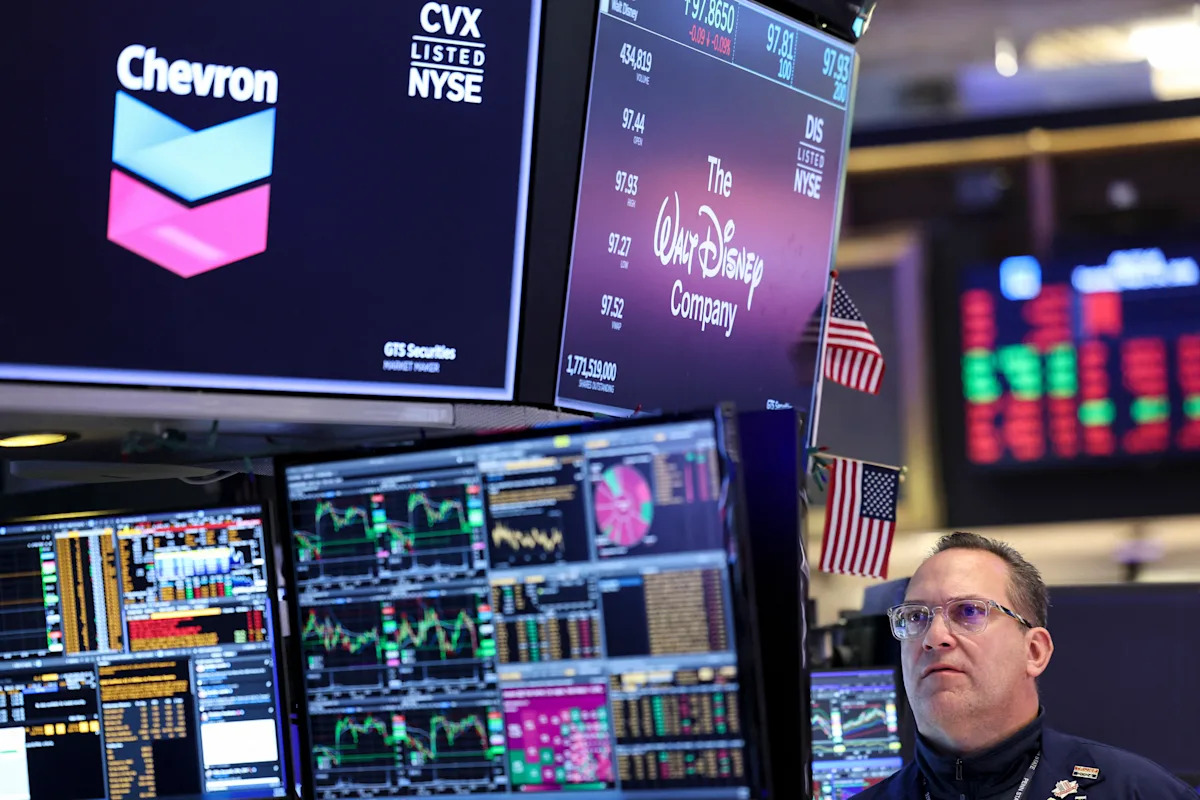
- Energy Price Risk Management: With oil prices nearing $100 per barrel, investing in Equinor, PBF Energy, and Chevron offers investors a diversified set of themes to mitigate potential high energy price risks, thereby enhancing portfolio resilience.
- Market Demand Shifts: The International Energy Agency estimates that 80% of oil and 90% of LNG passing through the Strait of Hormuz is destined for Asia, and a closure of this strait would lead Asian countries to compete for energy supplies, further driving up prices for Europe and impacting the global market.
- PBF Energy's Strong Performance: PBF Energy's 3-2-1 crack spread has widened from $19.80 per barrel at the start of the year to $52 currently, showcasing its robust performance in the refining sector, although high oil prices may lead to demand destruction, potentially affecting its stock price.
- Equinor's Rising Earnings Expectations: According to S&P Global Market Intelligence, Equinor's 2026 earnings per share forecast has been raised from $2.66 to $3.26, reflecting market optimism about its future profitability, while its 3.9% dividend yield also adds extra appeal for investors.
Trade with 70% Backtested Accuracy
Stop guessing "Should I Buy CVX?" and start using high-conviction signals backed by rigorous historical data.
Sign up today to access powerful investing tools and make smarter, data-driven decisions.
Analyst Views on CVX
Wall Street analysts forecast CVX stock price to fall
19 Analyst Rating
15 Buy
4 Hold
0 Sell
Strong Buy
Current: 207.790

Low
158.00
Averages
176.95
High
206.00
Current: 207.790
Low
158.00
Averages
176.95
High
206.00
About CVX
Chevron Corporation is an integrated energy company. The Company produces crude oil and natural gas; manufactures transportation fuels, lubricants, petrochemicals and additives; and develops technologies that enhance its business and industry. The Company’s segments include Upstream and Downstream. Upstream operations consist primarily of exploring for, developing, producing and transporting crude oil and natural gas; liquefaction, transportation and regasification associated with LNG; transporting crude oil by major international oil export pipelines; processing, transporting, storage and marketing of natural gas; carbon capture and storage; and a gas-to-liquids plant. Downstream operations consist primarily of the refining of crude oil into petroleum products; marketing crude oil, refined products, and lubricants; manufacturing and marketing of renewable fuels, and transporting of crude oil and refined products by pipeline, marine vessel, motor equipment and rail car.
About the author

Emily J. Thompson
Emily J. Thompson, a Chartered Financial Analyst (CFA) with 12 years in investment research, graduated with honors from the Wharton School. Specializing in industrial and technology stocks, she provides in-depth analysis for Intellectia’s earnings and market brief reports.
Houthi Missile Strike on Israel Drives Oil Prices Higher


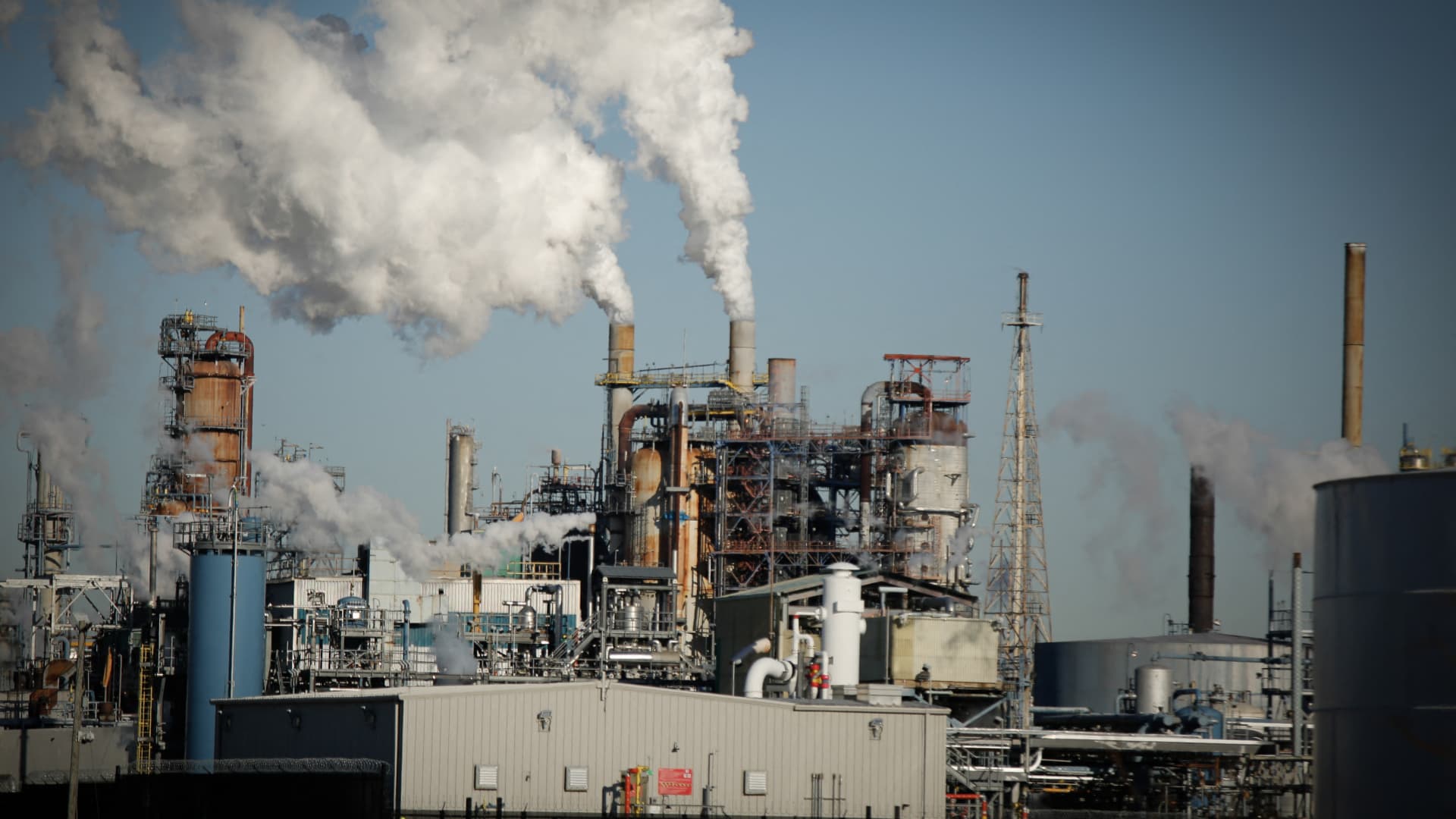
- Oil Price Surge: Following the Houthi missile strike on Israel, Brent crude futures rose by 2.92% to $115.86 per barrel, while WTI futures increased by 3.20% to $102.80 per barrel, indicating a market response to heightened geopolitical risks.
- Conflict Escalation: The Houthis' direct involvement in the U.S.-Israel war against Iran marks a significant escalation, as they targeted sensitive Israeli military sites, potentially leading to increased expectations for oil prices since the conflict began on February 28.
- Market Sentiment: Ed Yardeni of Yardeni Research noted that global equities are beginning to reflect a
See More

Middle East War Escalation Impacts Asia-Pacific Markets

- Middle East Tensions: Yemen's Houthi movement has directly engaged in the U.S.-Israeli war against Iran by launching ballistic missiles at sensitive Israeli military sites, indicating a significant escalation that could heighten regional instability.
- Rising Oil Prices: West Texas Intermediate crude futures increased by 2.58% to $102.19 per barrel during early Asia trading hours, reflecting market reactions to the escalating tensions in the Middle East, which may lead to higher energy costs.
- Declining Asia-Pacific Markets: Australia's S&P/ASX 200 index slid 0.94% in early trading, while Japan's Nikkei 225 futures indicated a downward trend, suggesting investor concerns about market outlook, which could impact future investment decisions.
- U.S. Futures Decline: Dow Jones Industrial Average futures dropped by 253 points, or 0.6%, marking a bearish sentiment in the market, especially after the Dow fell into correction territory last week, potentially leading to further erosion of investor confidence.
See More
Iran War's Impact on Markets and Oil Prices
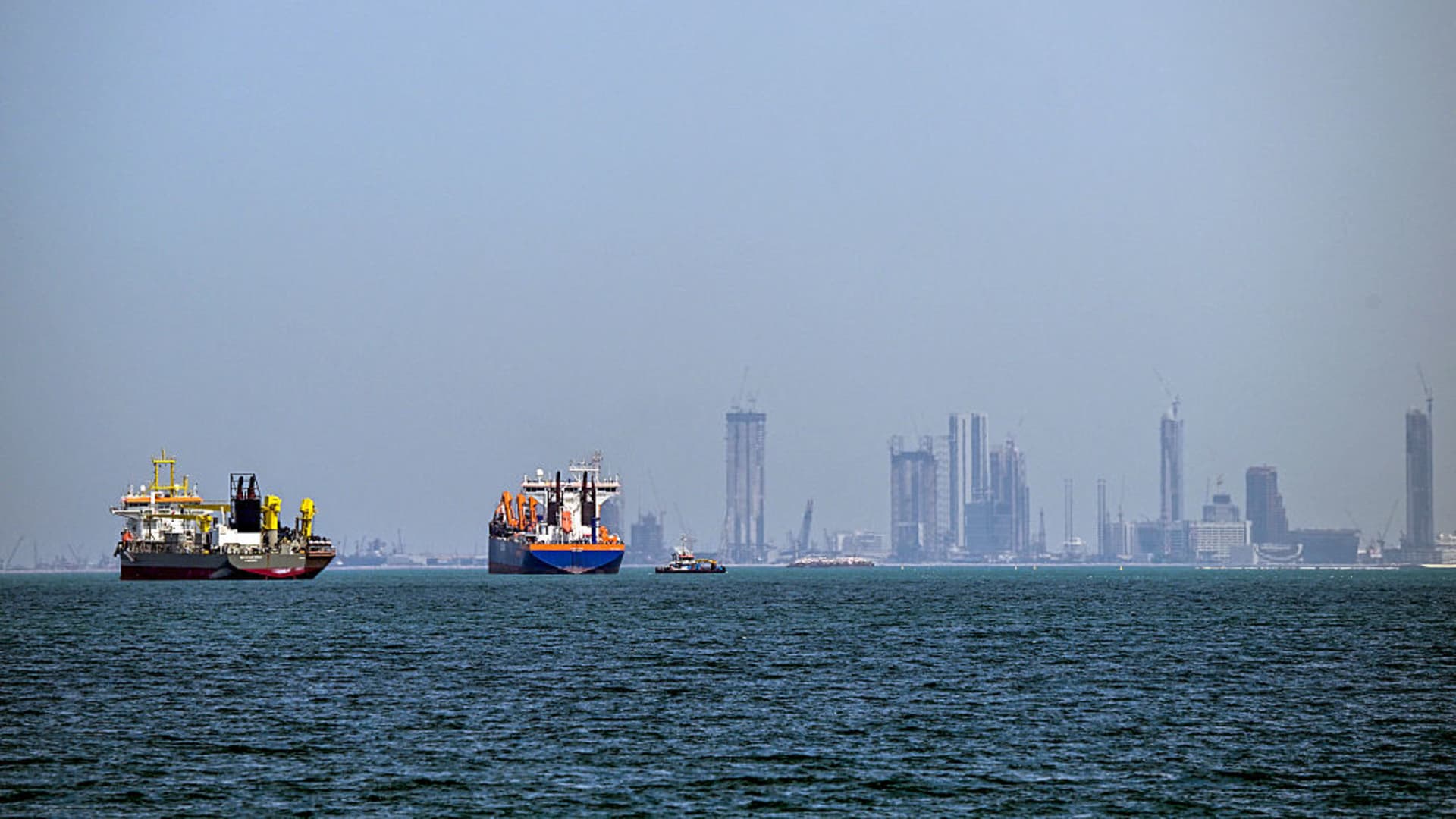
- Market Shock from War: Since the outbreak of the Iran war on February 28, West Texas Intermediate (WTI) crude oil prices have surged by 48.67% to $99.64 per barrel, raising inflation concerns and exposing investors to a potential 20% market decline risk.
- Rising Treasury Yields: The 10-year and 30-year Treasury yields are climbing due to war-driven inflation expectations, impacting borrowing costs and exacerbating investor panic, particularly for long-term investors facing a challenging environment.
- Tech Sector Turmoil: Amid market volatility, tech stocks, especially the 'Magnificent Seven', have faced significant declines, with Intuit, Applovin, and Gartner dropping 37%, 43.4%, and 38% respectively, highlighting the sector's vulnerability to changing market sentiments and AI competition.
- Shift in Investor Sentiment: As uncertainty looms over the market's future, investors feel increasingly helpless, with many opting to exit, particularly in light of the potential for rising oil prices, leading to a substantial loss of confidence in equities.
See More
Berkshire's Disappointing Performance Raises Concerns

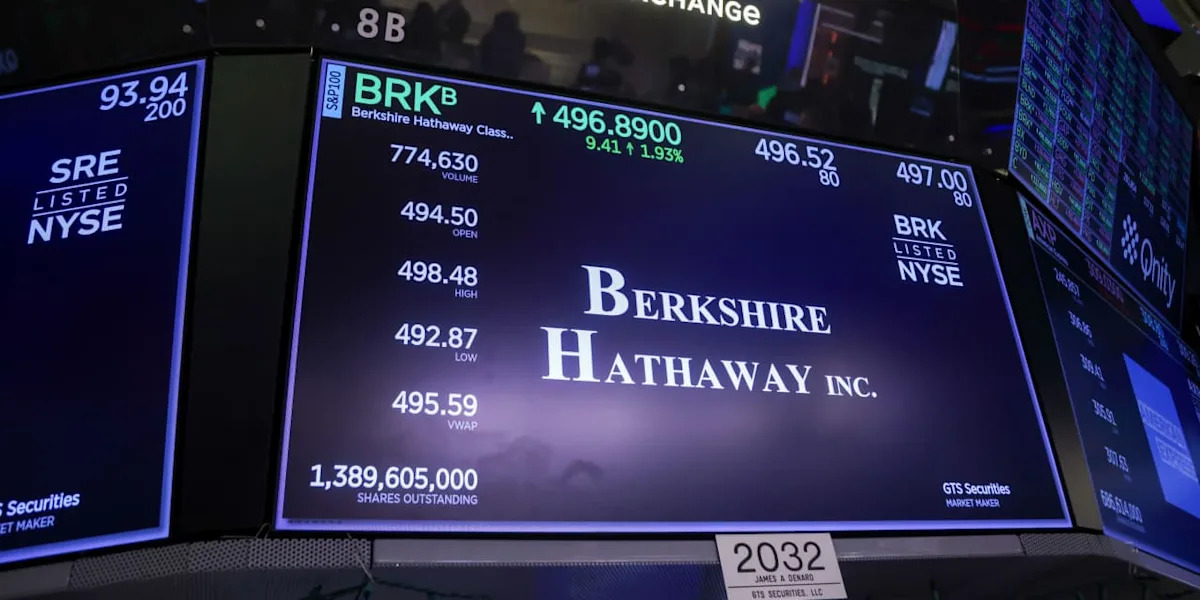
- Defensive Stock Performance: As arguably the most defensive mega-cap stock in the market, Berkshire's disappointing performance reflects investor concerns about its future growth potential, which could lead to capital outflows.
- Market Reaction: Investors have reacted strongly to Berkshire's underperformance, which may affect its stock price stability and further undermine confidence in defensive investments.
- Industry Impact: Berkshire's lackluster performance could trigger a ripple effect on other defensive stocks, prompting a reevaluation of the overall market's stance on defensive investments and impacting valuations of related companies.
- Strategic Adjustment Necessity: In light of current market challenges, Berkshire may need to reassess its investment strategy to restore investor confidence and enhance future performance outcomes.
See More
Buffett's Bold Bet on Oil Stocks Shows Promising Outlook
- Buffett's Investment Strategy: Buffett's pre-retirement investments in Occidental Petroleum and Chevron, which account for 27% and 6.5% of their shares respectively, have made them Berkshire's sixth and fourth largest holdings, reflecting his confidence in the oil market.
- Occidental's Financial Performance: Occidental is projected to generate $1.2 billion of additional free cash flow this year without any increase in oil prices, thanks to successful asset sales and debt reduction strategies, enhancing its viability in a low oil price environment.
- Chevron's Growth Potential: Chevron expects to generate $12.5 billion of incremental free cash flow at $70 oil by divesting lower-margin assets and investing in higher-margin projects, further strengthening its robust balance sheet.
- Future Outlook: Both companies are on track to produce even larger free cash flows amid rising oil prices, validating Buffett's investment decisions and demonstrating the safety of oil stocks in an uncertain market.
See More

Buffett Bets Big on Oil Giants Chevron and Occidental
- Buffett's Investment Strategy: Warren Buffett's Berkshire Hathaway has acquired 6.5% of Chevron and 27% of Occidental Petroleum, making them the fourth and sixth largest holdings, respectively, reflecting confidence in the oil sector amid soaring crude prices.
- Occidental's Financial Performance: Occidental is projected to generate $1.2 billion in additional free cash flow this year without an increase in oil prices, and with rising prices, this figure is expected to increase significantly, providing funds for debt repayment and stock buybacks, showcasing its resilience in a low-price environment.
- Chevron's Growth Potential: Chevron anticipates generating $12.5 billion in incremental free cash flow this year at $70 oil, and with higher prices, its cash flow will further increase, enhancing its capacity for capital projects and shareholder returns.
- Optimistic Industry Outlook: Both companies demonstrate strong performance in low oil price environments, reaffirming Buffett's foresight in the oil sector, and as crude prices continue to rise, they are expected to achieve even higher free cash flows, further solidifying their market positions.
See More
Houthi Missile Strike on Israel Drives Oil Prices Higher
- Oil Price Surge: Following the Houthi missile strike on Israel, Brent crude futures rose by 2.92% to $115.86 per barrel, while WTI futures increased by 3.20% to $102.80 per barrel, indicating a market response to heightened geopolitical risks.
- Conflict Escalation: The Houthis' direct involvement in the U.S.-Israel war against Iran marks a significant escalation, as they targeted sensitive Israeli military sites, potentially leading to increased expectations for oil prices since the conflict began on February 28.
- Market Sentiment: Ed Yardeni of Yardeni Research noted that global equities are beginning to reflect a
See More
Middle East War Escalation Impacts Asia-Pacific Markets
- Middle East Tensions: Yemen's Houthi movement has directly engaged in the U.S.-Israeli war against Iran by launching ballistic missiles at sensitive Israeli military sites, indicating a significant escalation that could heighten regional instability.
- Rising Oil Prices: West Texas Intermediate crude futures increased by 2.58% to $102.19 per barrel during early Asia trading hours, reflecting market reactions to the escalating tensions in the Middle East, which may lead to higher energy costs.
- Declining Asia-Pacific Markets: Australia's S&P/ASX 200 index slid 0.94% in early trading, while Japan's Nikkei 225 futures indicated a downward trend, suggesting investor concerns about market outlook, which could impact future investment decisions.
- U.S. Futures Decline: Dow Jones Industrial Average futures dropped by 253 points, or 0.6%, marking a bearish sentiment in the market, especially after the Dow fell into correction territory last week, potentially leading to further erosion of investor confidence.
See More
Iran War's Impact on Markets and Oil Prices
- Market Shock from War: Since the outbreak of the Iran war on February 28, West Texas Intermediate (WTI) crude oil prices have surged by 48.67% to $99.64 per barrel, raising inflation concerns and exposing investors to a potential 20% market decline risk.
- Rising Treasury Yields: The 10-year and 30-year Treasury yields are climbing due to war-driven inflation expectations, impacting borrowing costs and exacerbating investor panic, particularly for long-term investors facing a challenging environment.
- Tech Sector Turmoil: Amid market volatility, tech stocks, especially the 'Magnificent Seven', have faced significant declines, with Intuit, Applovin, and Gartner dropping 37%, 43.4%, and 38% respectively, highlighting the sector's vulnerability to changing market sentiments and AI competition.
- Shift in Investor Sentiment: As uncertainty looms over the market's future, investors feel increasingly helpless, with many opting to exit, particularly in light of the potential for rising oil prices, leading to a substantial loss of confidence in equities.
See More
Berkshire's Disappointing Performance Raises Concerns
- Defensive Stock Performance: As arguably the most defensive mega-cap stock in the market, Berkshire's disappointing performance reflects investor concerns about its future growth potential, which could lead to capital outflows.
- Market Reaction: Investors have reacted strongly to Berkshire's underperformance, which may affect its stock price stability and further undermine confidence in defensive investments.
- Industry Impact: Berkshire's lackluster performance could trigger a ripple effect on other defensive stocks, prompting a reevaluation of the overall market's stance on defensive investments and impacting valuations of related companies.
- Strategic Adjustment Necessity: In light of current market challenges, Berkshire may need to reassess its investment strategy to restore investor confidence and enhance future performance outcomes.
See More
Buffett's Bold Bet on Oil Stocks Shows Promising Outlook
- Buffett's Investment Strategy: Buffett's pre-retirement investments in Occidental Petroleum and Chevron, which account for 27% and 6.5% of their shares respectively, have made them Berkshire's sixth and fourth largest holdings, reflecting his confidence in the oil market.
- Occidental's Financial Performance: Occidental is projected to generate $1.2 billion of additional free cash flow this year without any increase in oil prices, thanks to successful asset sales and debt reduction strategies, enhancing its viability in a low oil price environment.
- Chevron's Growth Potential: Chevron expects to generate $12.5 billion of incremental free cash flow at $70 oil by divesting lower-margin assets and investing in higher-margin projects, further strengthening its robust balance sheet.
- Future Outlook: Both companies are on track to produce even larger free cash flows amid rising oil prices, validating Buffett's investment decisions and demonstrating the safety of oil stocks in an uncertain market.
See More
Buffett Bets Big on Oil Giants Chevron and Occidental
- Buffett's Investment Strategy: Warren Buffett's Berkshire Hathaway has acquired 6.5% of Chevron and 27% of Occidental Petroleum, making them the fourth and sixth largest holdings, respectively, reflecting confidence in the oil sector amid soaring crude prices.
- Occidental's Financial Performance: Occidental is projected to generate $1.2 billion in additional free cash flow this year without an increase in oil prices, and with rising prices, this figure is expected to increase significantly, providing funds for debt repayment and stock buybacks, showcasing its resilience in a low-price environment.
- Chevron's Growth Potential: Chevron anticipates generating $12.5 billion in incremental free cash flow this year at $70 oil, and with higher prices, its cash flow will further increase, enhancing its capacity for capital projects and shareholder returns.
- Optimistic Industry Outlook: Both companies demonstrate strong performance in low oil price environments, reaffirming Buffett's foresight in the oil sector, and as crude prices continue to rise, they are expected to achieve even higher free cash flows, further solidifying their market positions.
See More