Intel's Stock Doubles as Government Investment Boosts Strategic Importance
Written by Emily J. Thompson, Senior Investment Analyst
Updated: Jan 10 2026
0mins
Should l Buy INTC?
Source: Fool
- Government Investment Impact: In August, the U.S. government purchased 433.3 million shares of Intel at $20.47 each, acquiring a 9.9% stake, and with the stock now trading above $45, this reflects the strategic importance of government backing.
- Performance Improvement: Intel reported third-quarter revenue of $13.7 billion, a 3% year-over-year increase, with a significant improvement in gross margin and a reduction in operating expenses, pushing operating margins back into positive territory, indicating a solid business recovery.
- Increased Market Confidence: Following a public endorsement from Trump after meeting with CEO Lip-Bu Tan, market sentiment for Intel has surged, driving stock prices higher and highlighting the positive impact of political support on investor confidence.
- Future Outlook: Intel expects demand to continue outpacing supply until 2026, and while challenges remain, the company's efforts to manufacture advanced chips in-house could enhance its competitive position, potentially rewarding shareholders if successful.
Trade with 70% Backtested Accuracy
Stop guessing "Should I Buy INTC?" and start using high-conviction signals backed by rigorous historical data.
Sign up today to access powerful investing tools and make smarter, data-driven decisions.
Analyst Views on INTC
Wall Street analysts forecast INTC stock price to fall
29 Analyst Rating
5 Buy
19 Hold
5 Sell
Hold
Current: 45.250

Low
20.00
Averages
39.30
High
52.00
Current: 45.250
Low
20.00
Averages
39.30
High
52.00
About INTC
Intel Corporation is a global designer and manufacturer of semiconductor products. The Company operates through three segments: Intel Products, Intel Foundry, and All Other. Its Intel Products segment includes Client Computing Group (CCG), Data Center and AI (DCAI), Network and Edge (NEX). The CCG is bringing together the operating system, system architecture, hardware, and software application integration to enable PC experiences. DCAI delivers workload-optimized solutions to cloud service providers and enterprises, along with silicon devices for communications service providers, network and edge, and HPC customers. NEX helps networks and edge compute systems from fixed-function hardware to general-purpose compute, acceleration, and networking devices running cloud native software on programmable hardware. The Intel Foundry segment comprises technology development, manufacturing and foundry services. All Other segments include Altera, Mobileye, Other.
About the author

Emily J. Thompson
Emily J. Thompson, a Chartered Financial Analyst (CFA) with 12 years in investment research, graduated with honors from the Wharton School. Specializing in industrial and technology stocks, she provides in-depth analysis for Intellectia’s earnings and market brief reports.
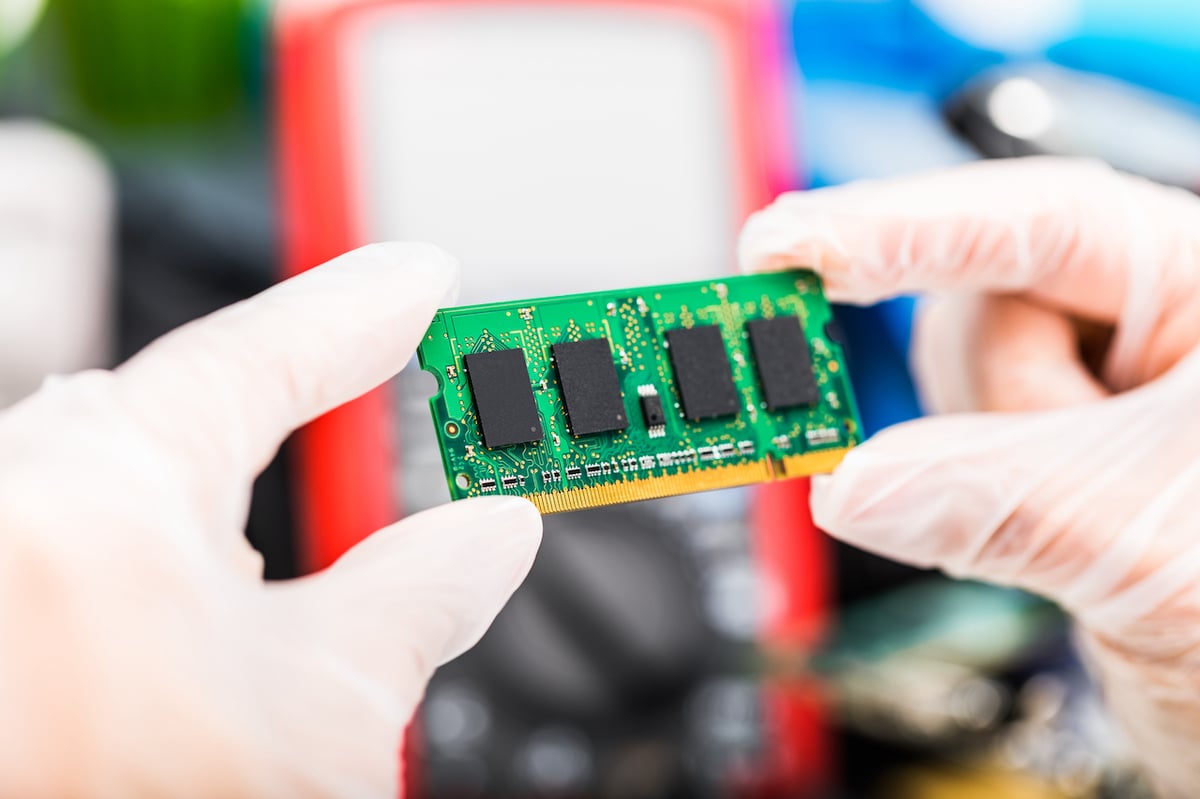
Samsung Becomes South Korea's First Trillion-Dollar Company

- Market Cap Milestone: Samsung crossed the $1 trillion market cap on February 26, 2026, becoming the first South Korean company to achieve this milestone, and despite a subsequent drop to $779 billion, it is expected to regain its trillion-dollar status, indicating strong market resilience.
- Surging Memory Demand: The demand for Samsung's memory hardware, particularly RAM and DRAM, is extremely high due to AI needs, with TrendForce forecasting a 50%-55% increase in DRAM prices in Q1 2026, which will further drive revenue growth for Samsung.
- Strong Financial Performance: Samsung reported Q4 2025 revenue of 93.8 trillion won ($63.2 billion), a 23.7% increase year-over-year, with full-year revenue reaching 333.6 trillion won ($224.8 billion), up 28%, showcasing its robust performance in the memory market.
- Significant Profit Growth: Samsung's earnings per share grew by 33.4%, with a net profit margin of 13.6%, and its memory segment became the fastest-growing revenue source, accounting for nearly one-third of total revenue in 2025, indicating continued profitability enhancement in the future.
See More

US Stocks Decline as Oil Prices Rebound Amid Middle East Tensions


- Market Weakness: The S&P 500 index fell by 0.61%, the Dow Jones Industrial Average dropped by 0.26%, and the Nasdaq 100 index decreased by 0.62%, reflecting investor concerns over Middle Eastern tensions that have driven stocks to 3.5-month lows.
- Oil Price Rebound: Crude oil prices surged over 3% as Iran escalated attacks in the Strait of Hormuz, which not only heightened inflation fears but also threatened global energy supply stability, impacting market confidence.
- Mixed Economic Data: January personal spending rose by 0.4%, surpassing expectations, while capital goods new orders remained unchanged, indicating economic recovery's fragility that could influence Federal Reserve policy decisions.
- Corporate Earnings Overview: With over 98% of S&P 500 companies reporting, 74% exceeded expectations, although overall earnings growth remains challenged, with Q4 earnings projected to rise by 8.4%, demonstrating market resilience amidst uncertainties.
See More

Nvidia Stock Dips Slightly as Market Eyes GTC 2026 Conference


- Stock Movement: Nvidia (NVDA) closed at $180.25 on Friday, down 1.58%, reflecting market anticipation for the upcoming GTC 2026 conference and ongoing demand signals for Blackwell and Vera Rubin AI chips.
- Volume Analysis: Trading volume reached 159.7 million shares, nearly 9.2% below the three-month average of 175.8 million shares, indicating a decline in market participation that could impact short-term stock performance.
- Market Reaction: Within the semiconductor sector, Nvidia's peers showed mixed results, with AMD's stock falling 2.20% to $193.39 while Intel's rose 1.14% to $45.77, reflecting differing demand expectations across companies.
- GTC Conference Outlook: The upcoming GTC 2026 conference will bring together developers, researchers, and business leaders, with investors keenly watching CEO Jensen Huang's keynote for insights into demand and supply capacity for the Vera Rubin AI data center platform.
See More

Nvidia Stock Dips Slightly as Market Awaits GTC Conference Insights
- Stock Fluctuation: Nvidia closed at $180.25 on Friday, down 1.58%, reflecting market concerns surrounding the upcoming GTC 2026 conference and ongoing demand signals for Blackwell and Vera Rubin AI chips.
- Trading Volume Analysis: The trading volume reached 159.7 million shares, nearly 9.2% below the three-month average of 175.8 million shares, indicating a decline in market participation that could affect short-term stock performance.
- GTC Conference Outlook: The GTC 2026 conference begins on Monday, with investors keenly awaiting CEO Jensen Huang's keynote for insights into demand and supply capacity for the Vera Rubin AI data center platform, as strong demand expectations could drive stock prices higher.
- Investor Caution: Despite optimistic demand forecasts from analysts, concerns over circular financing persist, prompting investors to consider the Motley Fool's recommendation of other top 10 stocks, with Nvidia not included, potentially impacting investor confidence.
See More
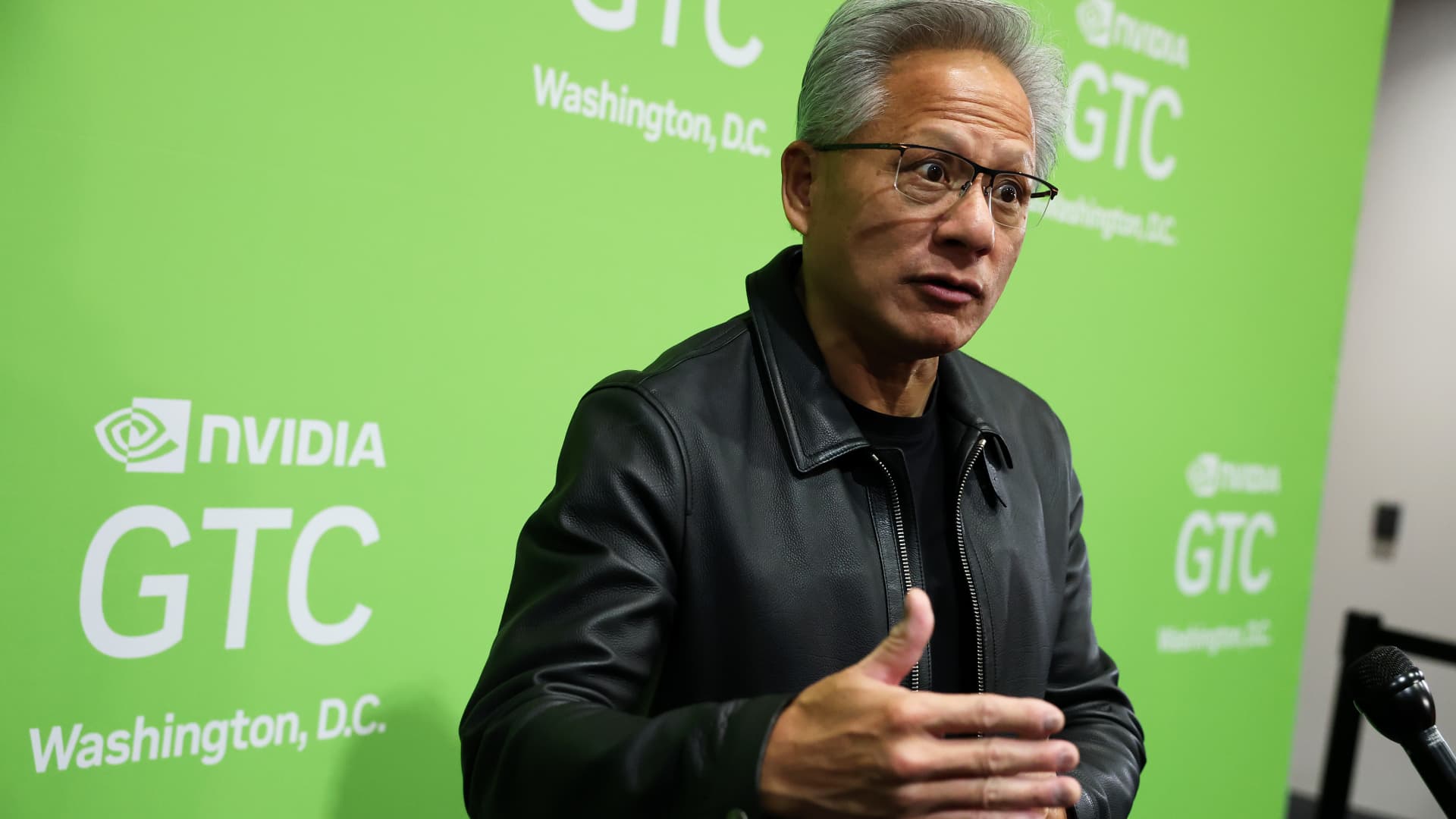
Nvidia's New CPUs Propel AI Wave Forward

- CPU Market Renaissance: Nvidia's upcoming Vera CPU is set to drive the CPU market growth from $27 billion in 2025 to $60 billion by 2030, highlighting the immense demand for computing power driven by AI and agentic applications, thereby reinforcing Nvidia's market leadership in data centers.
- Surge in Data Center Revenue: Nvidia reported data center revenue exceeding $62 billion in the latest quarter, a 75% increase year-over-year, indicating the company's significant share in the AI-driven computing demand and its potential to continue benefiting from the growing need for high-performance computing.
- Supply Chain Challenges: While AMD and Intel face supply shortages with delivery times extending to six months, Nvidia's robust supply chain management has ensured stable CPU supply, demonstrating its adaptability and competitive edge in a rapidly changing market.
- Platform Agnostic Strategy: Nvidia's CPU design focuses on optimizing collaboration with GPUs, and despite competition from in-house Arm architecture processors from its customers, Nvidia maintains a platform-agnostic strategy to secure a strong position across diverse workloads.
See More
Nvidia's CPU Strategy Shift and Market Opportunities

- CPU Market Renaissance: Nvidia is set to deploy its next-generation CPU, Vera, on a large scale by 2027, with the CPU market projected to grow from $27 billion in 2025 to $60 billion by 2030, indicating significant market potential driven by surging AI workflows.
- Data Center Revenue Surge: Nvidia reported over $62 billion in data center revenue for the latest quarter, a 75% increase year-over-year, highlighting the strong demand in the AI sector that is significantly boosting the company's overall performance.
- Supply Chain Challenges: AMD and Intel have warned of CPU delivery lead times extending to six months and prices rising over 10%, reflecting unprecedented demand surges and supply chain pressures that could impact future production capabilities.
- Technical Optimization: Nvidia's CPU design focuses on enhancing single-threaded performance to better support its GPUs' AI workloads, and although it has fewer cores than competitors, this targeted optimization allows it to excel in specific applications.
See More
Samsung Becomes South Korea's First Trillion-Dollar Company
- Market Cap Milestone: Samsung crossed the $1 trillion market cap on February 26, 2026, becoming the first South Korean company to achieve this milestone, and despite a subsequent drop to $779 billion, it is expected to regain its trillion-dollar status, indicating strong market resilience.
- Surging Memory Demand: The demand for Samsung's memory hardware, particularly RAM and DRAM, is extremely high due to AI needs, with TrendForce forecasting a 50%-55% increase in DRAM prices in Q1 2026, which will further drive revenue growth for Samsung.
- Strong Financial Performance: Samsung reported Q4 2025 revenue of 93.8 trillion won ($63.2 billion), a 23.7% increase year-over-year, with full-year revenue reaching 333.6 trillion won ($224.8 billion), up 28%, showcasing its robust performance in the memory market.
- Significant Profit Growth: Samsung's earnings per share grew by 33.4%, with a net profit margin of 13.6%, and its memory segment became the fastest-growing revenue source, accounting for nearly one-third of total revenue in 2025, indicating continued profitability enhancement in the future.
See More
US Stocks Decline as Oil Prices Rebound Amid Middle East Tensions
- Market Weakness: The S&P 500 index fell by 0.61%, the Dow Jones Industrial Average dropped by 0.26%, and the Nasdaq 100 index decreased by 0.62%, reflecting investor concerns over Middle Eastern tensions that have driven stocks to 3.5-month lows.
- Oil Price Rebound: Crude oil prices surged over 3% as Iran escalated attacks in the Strait of Hormuz, which not only heightened inflation fears but also threatened global energy supply stability, impacting market confidence.
- Mixed Economic Data: January personal spending rose by 0.4%, surpassing expectations, while capital goods new orders remained unchanged, indicating economic recovery's fragility that could influence Federal Reserve policy decisions.
- Corporate Earnings Overview: With over 98% of S&P 500 companies reporting, 74% exceeded expectations, although overall earnings growth remains challenged, with Q4 earnings projected to rise by 8.4%, demonstrating market resilience amidst uncertainties.
See More
Nvidia Stock Dips Slightly as Market Eyes GTC 2026 Conference
- Stock Movement: Nvidia (NVDA) closed at $180.25 on Friday, down 1.58%, reflecting market anticipation for the upcoming GTC 2026 conference and ongoing demand signals for Blackwell and Vera Rubin AI chips.
- Volume Analysis: Trading volume reached 159.7 million shares, nearly 9.2% below the three-month average of 175.8 million shares, indicating a decline in market participation that could impact short-term stock performance.
- Market Reaction: Within the semiconductor sector, Nvidia's peers showed mixed results, with AMD's stock falling 2.20% to $193.39 while Intel's rose 1.14% to $45.77, reflecting differing demand expectations across companies.
- GTC Conference Outlook: The upcoming GTC 2026 conference will bring together developers, researchers, and business leaders, with investors keenly watching CEO Jensen Huang's keynote for insights into demand and supply capacity for the Vera Rubin AI data center platform.
See More
Nvidia Stock Dips Slightly as Market Awaits GTC Conference Insights
- Stock Fluctuation: Nvidia closed at $180.25 on Friday, down 1.58%, reflecting market concerns surrounding the upcoming GTC 2026 conference and ongoing demand signals for Blackwell and Vera Rubin AI chips.
- Trading Volume Analysis: The trading volume reached 159.7 million shares, nearly 9.2% below the three-month average of 175.8 million shares, indicating a decline in market participation that could affect short-term stock performance.
- GTC Conference Outlook: The GTC 2026 conference begins on Monday, with investors keenly awaiting CEO Jensen Huang's keynote for insights into demand and supply capacity for the Vera Rubin AI data center platform, as strong demand expectations could drive stock prices higher.
- Investor Caution: Despite optimistic demand forecasts from analysts, concerns over circular financing persist, prompting investors to consider the Motley Fool's recommendation of other top 10 stocks, with Nvidia not included, potentially impacting investor confidence.
See More
Nvidia's New CPUs Propel AI Wave Forward
- CPU Market Renaissance: Nvidia's upcoming Vera CPU is set to drive the CPU market growth from $27 billion in 2025 to $60 billion by 2030, highlighting the immense demand for computing power driven by AI and agentic applications, thereby reinforcing Nvidia's market leadership in data centers.
- Surge in Data Center Revenue: Nvidia reported data center revenue exceeding $62 billion in the latest quarter, a 75% increase year-over-year, indicating the company's significant share in the AI-driven computing demand and its potential to continue benefiting from the growing need for high-performance computing.
- Supply Chain Challenges: While AMD and Intel face supply shortages with delivery times extending to six months, Nvidia's robust supply chain management has ensured stable CPU supply, demonstrating its adaptability and competitive edge in a rapidly changing market.
- Platform Agnostic Strategy: Nvidia's CPU design focuses on optimizing collaboration with GPUs, and despite competition from in-house Arm architecture processors from its customers, Nvidia maintains a platform-agnostic strategy to secure a strong position across diverse workloads.
See More
Nvidia's CPU Strategy Shift and Market Opportunities
- CPU Market Renaissance: Nvidia is set to deploy its next-generation CPU, Vera, on a large scale by 2027, with the CPU market projected to grow from $27 billion in 2025 to $60 billion by 2030, indicating significant market potential driven by surging AI workflows.
- Data Center Revenue Surge: Nvidia reported over $62 billion in data center revenue for the latest quarter, a 75% increase year-over-year, highlighting the strong demand in the AI sector that is significantly boosting the company's overall performance.
- Supply Chain Challenges: AMD and Intel have warned of CPU delivery lead times extending to six months and prices rising over 10%, reflecting unprecedented demand surges and supply chain pressures that could impact future production capabilities.
- Technical Optimization: Nvidia's CPU design focuses on enhancing single-threaded performance to better support its GPUs' AI workloads, and although it has fewer cores than competitors, this targeted optimization allows it to excel in specific applications.
See More