

Intel's $8.5B Government Windfall Fails To Stop 15,000 Layoffs At Chipmaker
Written by Emily J. Thompson, Senior Investment Analyst
Updated: Aug 07 2024
0mins


Source: Benzinga
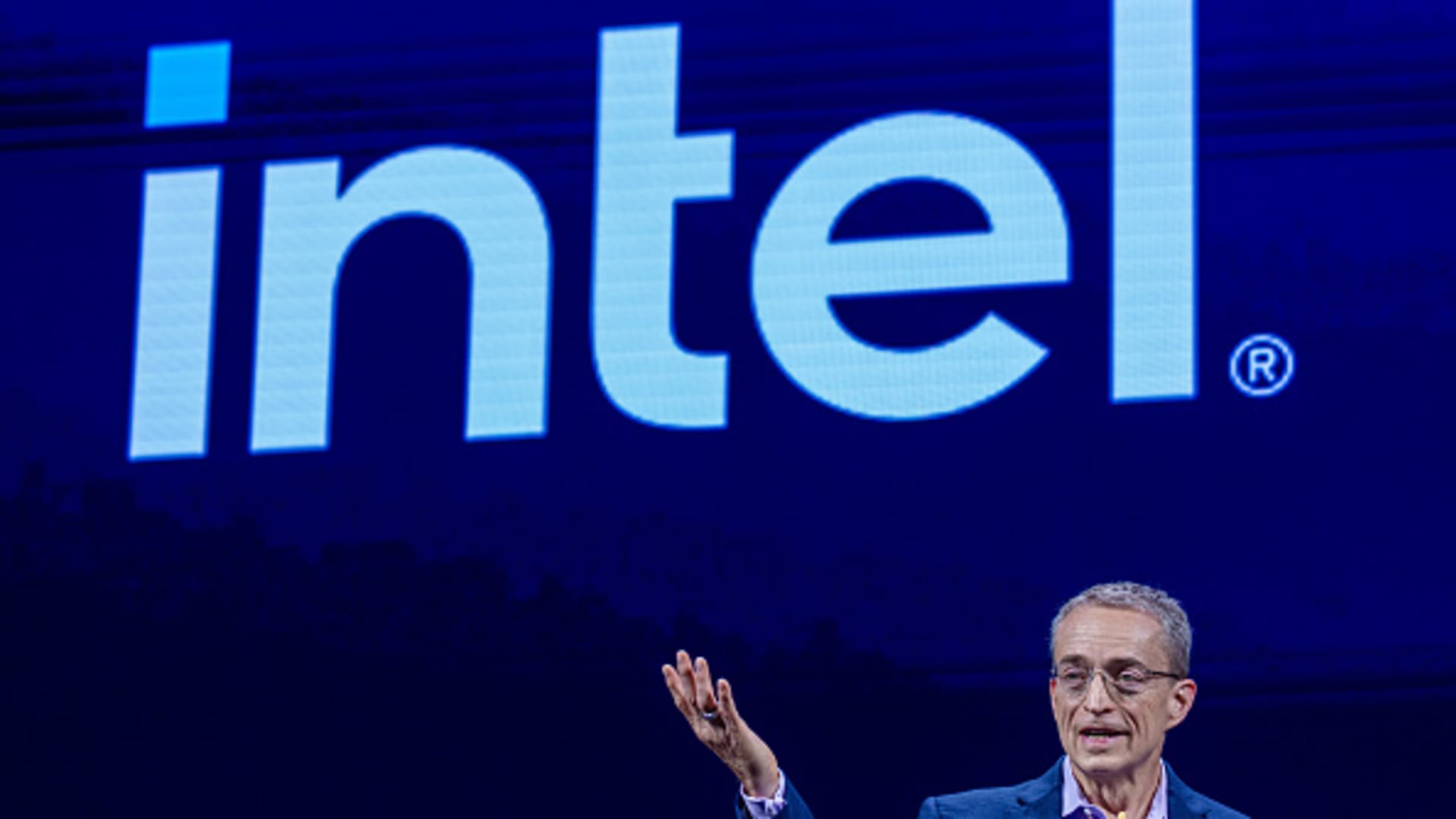
Intel Workforce Reduction: Intel Corp plans to cut 15% of its workforce, approximately 15,000 jobs, as part of a restructuring plan after receiving $8.5 billion in federal grants from the CHIPS and Science Act aimed at boosting semiconductor development.
Financial Challenges: The company's CEO stated that the decision is necessary due to disappointing revenue growth and high costs, with second-quarter revenue reported at $12.8 billion, down 1% from the previous year, and a loss per share of $0.38.
Trade with 70% Backtested Accuracy
Stop guessing "Should I Buy INTC?" and start using high-conviction signals backed by rigorous historical data.
Sign up today to access powerful investing tools and make smarter, data-driven decisions.
Analyst Views on INTC
Wall Street analysts forecast INTC stock price to fall
29 Analyst Rating
5 Buy
19 Hold
5 Sell
Hold
Current: 121.100

Low
20.00
Averages
39.30
High
52.00
Current: 121.100
Low
20.00
Averages
39.30
High
52.00
About INTC
Intel Corporation is a global designer and manufacturer of semiconductor products. The Company's segments include Intel Products, Intel Foundry, and All Other. Its Intel Products comprise Client Computing Group (CCG) and Data Center and AI (DCAI). CCG delivers platforms and processors that power PCs and edge devices, enabling enhanced performance, connectivity and user experience for consumer and commercial markets with capabilities that also support retail, industrial robotics and AI ecosystems at the edge. DCAI delivers workload-optimized solutions based upon its x86 architecture for data centers, including CPUs, AI accelerators, NICs, IPUs and custom ASICs, enabling performance and scalability for cloud, enterprise, telecommunication and HPC environments. The Intel Foundry segment comprises technology development, manufacturing and foundry services, developing new semiconductor process technologies and advanced packaging technologies. All Other segments include Mobileye and Other.
About the author

Emily J. Thompson
Emily J. Thompson, a Chartered Financial Analyst (CFA) with 12 years in investment research, graduated with honors from the Wharton School. Specializing in industrial and technology stocks, she provides in-depth analysis for Intellectia’s earnings and market brief reports.
Trump Announces Apple and Intel Collaboration on Chip Development


- Apple and Intel Collaboration: President Trump announced that Apple will collaborate with Intel on semiconductor development and production in the U.S., leading to a nearly 5% increase in Intel's stock, indicating market prioritization of domestic chip capabilities and potential long-term production demand.
- AI Cloud Platform Partnership: HPE and Nvidia were selected to support Vultr's AI cloud platform, and although HPE and Nvidia stocks fell by 3% and 0.8% respectively, this partnership highlights the growing focus on AI computing power and infrastructure, which could reshape future market dynamics.
- Acquisitions and Expansion: RUM Group completed its acquisition of Germany-based AI infrastructure provider Northern Data and launched the Quake AI platform, with RUM's stock declining by 5% but message volume surging by 86%, reflecting market interest in its expansion strategy.
- Advancements in Autonomous and Space Technologies: Uber expanded its robotaxi collaboration with WeRide into Switzerland, while Tesla received support from a Texas official for its autonomous vehicle ambitions; despite stock declines, these technological advancements may lay the groundwork for future market opportunities.
See More

Intel Stock Hits All-Time High, CEO Targets Tenfold Growth

- Stock Surge: Intel's stock surged over 10% last week, closing at an all-time high, reflecting strong investor confidence in the company's growth potential, particularly following the announcement of a new partnership with Apple.
- CEO Growth Target: Intel CEO Lip-Bu Tan stated in a podcast that he aims for a tenfold return over the next five to ten years, emphasizing advanced packaging technology as a key growth driver, showcasing the company's commitment to innovation.
- Rising Market Demand: Analysts noted that Intel is expected to gradually capture 10% to 15% of the advanced packaging market, particularly amid surging demand for AI data center chips, further solidifying its market position.
- Retail Investor Sentiment Shift: On Stocktwits, Intel saw a significant increase in message volume, with retail investors expressing optimism about the company's turnaround, indicating strong market confidence in its future performance, especially with a 263% year-to-date stock increase.
See More

US-Iran Negotiations and Market Reactions
- US-Iran Negotiation Progress: US Vice President J.D. Vance met with Iranian officials in Switzerland to discuss strategies for maintaining the ceasefire, amidst a backdrop where 65% of Americans disapprove of President Trump's handling of Iran, potentially impacting future negotiations.
- Market Sentiment Volatility: Market sentiment weakened as Iran restricted traffic through the Strait of Hormuz, leading to a 0.12% drop in Dow futures, a 0.21% decline in S&P 500 futures, and a 0.22% decrease in Nasdaq 100 futures, reflecting investor concerns over the situation.
- Oil Price Increase: Amid escalating tensions, Brent crude futures rose to around $80.25 per barrel, while WTI crude futures climbed 1.20% to approximately $77.52 per barrel, indicating market worries about potential supply disruptions.
- Economic Data Focus: Markets will closely watch May's core Personal Consumption Expenditures data, the Fed's preferred inflation gauge, especially after the Fed kept interest rates unchanged, with expectations of a rate hike in 2026 that could influence future market trends.
See More

Semiconductor Stocks Hit 52-Week Highs Ahead of S&P 500 Inclusion
- Marvell Stock Surge: Marvell's stock reached a record high of $329.88 ahead of its S&P 500 inclusion, as investors express confidence in its role as a critical supplier of custom silicon and networking technologies, which are expected to drive growth in AI deployments.
- Intel's Manufacturing Momentum: Intel's stock climbed to $135.48 after President Trump announced a partnership with Apple to design advanced semiconductors, boosting market optimism regarding its domestic manufacturing expansion; Mizuho raised its price target to $135, indicating potential for long-term market growth.
- Micron's Market Strength: Micron's stock hit an all-time high of $1,149.43, fueled by Apple's comments on rising memory costs, which heightened investor optimism about its earnings potential; Rosenblatt and Wedbush raised their price targets to $1,200 and $1,300 respectively, reflecting favorable supply-demand conditions in the memory market.
- Investor Sentiment Fluctuations: While Marvell and Micron shares rose over 7% and 8% respectively, retail sentiment on Stocktwits for Marvell shifted from neutral to bearish, indicating concerns about short-term volatility despite strong stock performance.
See More
Intel Stock Hits All-Time High Amid Apple Collaboration

- Stock Surge: Intel's stock surged 10.75% to an all-time high of $134.12 after President Trump announced a potential collaboration with Apple, indicating a renewed market confidence in Intel's foundry comeback.
- Foundry Revenue Growth: Intel's foundry segment generated $5.4 billion in revenue in Q1, up 16% year-over-year, although only $174 million came from external customers, highlighting the need for Intel to expand its external client base.
- Competitive Landscape: Despite Intel's resurgence, TSMC maintains about 70% of the foundry market, with Q1 revenue rising 41% to $35.9 billion, underscoring its dominance in advanced manufacturing technology.
- Future Outlook: Intel's CEO anticipates early design commitments from external customers by the second half of 2026, which could bolster long-term growth, but the company still faces significant competitive pressures in the market.
See More
Intel's Foundry Business Gains Traction with Apple Chip Agreement
- Collaboration with Apple: Intel's reported chipmaking agreement with Apple, although unconfirmed, has driven the stock to an all-time high on Thursday, reflecting market confidence in Intel's turnaround efforts.
- Revenue Growth: Intel's foundry segment generated $5.4 billion in revenue in Q1, a 16% year-over-year increase, yet only $174 million came from external customers, indicating a heavy reliance on internal production that needs to shift towards external client acquisition.
- Intensifying Market Competition: Taiwan Semiconductor controls 70% of the pure-play foundry market and over 90% of advanced process production, presenting a significant challenge for Intel as it seeks to penetrate TSMC's dominant position despite improvements in its manufacturing capabilities.
- Future Outlook: Intel's CEO anticipates early design commitments from external customers by the second half of 2026, and successfully attracting more clients could significantly enhance its foundry business's long-term growth and market share.
See More
Trump Announces Apple and Intel Collaboration on Chip Development
- Apple and Intel Collaboration: President Trump announced that Apple will collaborate with Intel on semiconductor development and production in the U.S., leading to a nearly 5% increase in Intel's stock, indicating market prioritization of domestic chip capabilities and potential long-term production demand.
- AI Cloud Platform Partnership: HPE and Nvidia were selected to support Vultr's AI cloud platform, and although HPE and Nvidia stocks fell by 3% and 0.8% respectively, this partnership highlights the growing focus on AI computing power and infrastructure, which could reshape future market dynamics.
- Acquisitions and Expansion: RUM Group completed its acquisition of Germany-based AI infrastructure provider Northern Data and launched the Quake AI platform, with RUM's stock declining by 5% but message volume surging by 86%, reflecting market interest in its expansion strategy.
- Advancements in Autonomous and Space Technologies: Uber expanded its robotaxi collaboration with WeRide into Switzerland, while Tesla received support from a Texas official for its autonomous vehicle ambitions; despite stock declines, these technological advancements may lay the groundwork for future market opportunities.
See More
Intel Stock Hits All-Time High, CEO Targets Tenfold Growth
- Stock Surge: Intel's stock surged over 10% last week, closing at an all-time high, reflecting strong investor confidence in the company's growth potential, particularly following the announcement of a new partnership with Apple.
- CEO Growth Target: Intel CEO Lip-Bu Tan stated in a podcast that he aims for a tenfold return over the next five to ten years, emphasizing advanced packaging technology as a key growth driver, showcasing the company's commitment to innovation.
- Rising Market Demand: Analysts noted that Intel is expected to gradually capture 10% to 15% of the advanced packaging market, particularly amid surging demand for AI data center chips, further solidifying its market position.
- Retail Investor Sentiment Shift: On Stocktwits, Intel saw a significant increase in message volume, with retail investors expressing optimism about the company's turnaround, indicating strong market confidence in its future performance, especially with a 263% year-to-date stock increase.
See More
US-Iran Negotiations and Market Reactions
- US-Iran Negotiation Progress: US Vice President J.D. Vance met with Iranian officials in Switzerland to discuss strategies for maintaining the ceasefire, amidst a backdrop where 65% of Americans disapprove of President Trump's handling of Iran, potentially impacting future negotiations.
- Market Sentiment Volatility: Market sentiment weakened as Iran restricted traffic through the Strait of Hormuz, leading to a 0.12% drop in Dow futures, a 0.21% decline in S&P 500 futures, and a 0.22% decrease in Nasdaq 100 futures, reflecting investor concerns over the situation.
- Oil Price Increase: Amid escalating tensions, Brent crude futures rose to around $80.25 per barrel, while WTI crude futures climbed 1.20% to approximately $77.52 per barrel, indicating market worries about potential supply disruptions.
- Economic Data Focus: Markets will closely watch May's core Personal Consumption Expenditures data, the Fed's preferred inflation gauge, especially after the Fed kept interest rates unchanged, with expectations of a rate hike in 2026 that could influence future market trends.
See More
Semiconductor Stocks Hit 52-Week Highs Ahead of S&P 500 Inclusion
- Marvell Stock Surge: Marvell's stock reached a record high of $329.88 ahead of its S&P 500 inclusion, as investors express confidence in its role as a critical supplier of custom silicon and networking technologies, which are expected to drive growth in AI deployments.
- Intel's Manufacturing Momentum: Intel's stock climbed to $135.48 after President Trump announced a partnership with Apple to design advanced semiconductors, boosting market optimism regarding its domestic manufacturing expansion; Mizuho raised its price target to $135, indicating potential for long-term market growth.
- Micron's Market Strength: Micron's stock hit an all-time high of $1,149.43, fueled by Apple's comments on rising memory costs, which heightened investor optimism about its earnings potential; Rosenblatt and Wedbush raised their price targets to $1,200 and $1,300 respectively, reflecting favorable supply-demand conditions in the memory market.
- Investor Sentiment Fluctuations: While Marvell and Micron shares rose over 7% and 8% respectively, retail sentiment on Stocktwits for Marvell shifted from neutral to bearish, indicating concerns about short-term volatility despite strong stock performance.
See More
Intel Stock Hits All-Time High Amid Apple Collaboration
- Stock Surge: Intel's stock surged 10.75% to an all-time high of $134.12 after President Trump announced a potential collaboration with Apple, indicating a renewed market confidence in Intel's foundry comeback.
- Foundry Revenue Growth: Intel's foundry segment generated $5.4 billion in revenue in Q1, up 16% year-over-year, although only $174 million came from external customers, highlighting the need for Intel to expand its external client base.
- Competitive Landscape: Despite Intel's resurgence, TSMC maintains about 70% of the foundry market, with Q1 revenue rising 41% to $35.9 billion, underscoring its dominance in advanced manufacturing technology.
- Future Outlook: Intel's CEO anticipates early design commitments from external customers by the second half of 2026, which could bolster long-term growth, but the company still faces significant competitive pressures in the market.
See More
Intel's Foundry Business Gains Traction with Apple Chip Agreement
- Collaboration with Apple: Intel's reported chipmaking agreement with Apple, although unconfirmed, has driven the stock to an all-time high on Thursday, reflecting market confidence in Intel's turnaround efforts.
- Revenue Growth: Intel's foundry segment generated $5.4 billion in revenue in Q1, a 16% year-over-year increase, yet only $174 million came from external customers, indicating a heavy reliance on internal production that needs to shift towards external client acquisition.
- Intensifying Market Competition: Taiwan Semiconductor controls 70% of the pure-play foundry market and over 90% of advanced process production, presenting a significant challenge for Intel as it seeks to penetrate TSMC's dominant position despite improvements in its manufacturing capabilities.
- Future Outlook: Intel's CEO anticipates early design commitments from external customers by the second half of 2026, and successfully attracting more clients could significantly enhance its foundry business's long-term growth and market share.
See More




