Intel Launches New AI Processors to Make PCs More Affordable
Written by Emily J. Thompson, Senior Investment Analyst
Updated: 5 days ago
0mins
Should l Buy INTC?
Source: Yahoo Finance
- Clear Market Positioning: Intel's newly launched Core Series 3 processors are designed for kids, families, schools, and small enterprises, aiming to meet the demand for powerful devices at lower prices, thereby expanding its reach in the AI hardware market.
- Significant Performance Boost: These new processors claim to handle 40 platform TOPS, showcasing their strong capabilities in AI applications, which further enhances Intel's appeal in a competitive market.
- Extensive Partner Network: Intel's processors will be adopted by major manufacturers such as Dell, HP, Lenovo, Acer, Asus, and Samsung, and this broad partnership will facilitate rapid market entry and boost sales.
- Far-reaching Strategic Implications: By introducing new functionalities into more affordable laptops and PCs, Intel aims not only to secure a foothold in the AI market but also to maintain relevance in the mainstream PC market, ensuring its long-term growth potential.
Trade with 70% Backtested Accuracy
Stop guessing "Should I Buy INTC?" and start using high-conviction signals backed by rigorous historical data.
Sign up today to access powerful investing tools and make smarter, data-driven decisions.
Analyst Views on INTC
Wall Street analysts forecast INTC stock price to fall
29 Analyst Rating
5 Buy
19 Hold
5 Sell
Hold
Current: 66.260

Low
20.00
Averages
39.30
High
52.00
Current: 66.260
Low
20.00
Averages
39.30
High
52.00
About INTC
Intel Corporation is a global designer and manufacturer of semiconductor products. The Company operates through three segments: Intel Products, Intel Foundry, and All Other. Its Intel Products segment includes Client Computing Group (CCG), Data Center and AI (DCAI), Network and Edge (NEX). The CCG is bringing together the operating system, system architecture, hardware, and software application integration to enable PC experiences. DCAI delivers workload-optimized solutions to cloud service providers and enterprises, along with silicon devices for communications service providers, network and edge, and HPC customers. NEX helps networks and edge compute systems from fixed-function hardware to general-purpose compute, acceleration, and networking devices running cloud native software on programmable hardware. The Intel Foundry segment comprises technology development, manufacturing and foundry services. All Other segments include Altera, Mobileye, Other.
About the author

Emily J. Thompson
Emily J. Thompson, a Chartered Financial Analyst (CFA) with 12 years in investment research, graduated with honors from the Wharton School. Specializing in industrial and technology stocks, she provides in-depth analysis for Intellectia’s earnings and market brief reports.

Intel Gains from Rising AI CPU Demand, Morgan Stanley Prefers Memory Stocks

- AI Demand Boosts CPU Market: With rising AI demand, Intel (INTC) and AMD (AMD) are positioned as key beneficiaries, particularly in the server segment, which is expected to significantly enhance their market performance, although the broader investment narrative has not fully centered around this segment.
- Morgan Stanley's Investment Preference: Morgan Stanley believes that while Intel and AMD play crucial roles in AI-driven CPU demand, they favor U.S. memory stocks, particularly Micron (MU) and Sandisk (SNDK), indicating a more optimistic outlook on memory demand.
- Intel Price Target Increase: Morgan Stanley raised Intel's price target from $41 to $56 and boosted its 2027 EPS estimate from $0.97 to $1.34, surpassing the market consensus of $1.03, reflecting analysts' confidence in its future profitability.
- Earnings Expectations and Stock Performance: Intel is set to report Q1 results on April 23, with expectations of $0.01 EPS on $12.42 billion in revenue, and shares have already climbed over 60% since the last earnings release, indicating growing market optimism about its recovery.
See More
Intel Set to Benefit from Billions in Manufacturing Investments
- Massive Investment: Intel is set to invest tens of billions in its manufacturing capabilities, a move that is expected to significantly enhance production efficiency and market competitiveness, ultimately leading to substantial returns for the company.
- Positive Market Reaction: Following the afternoon stock prices on April 16, 2026, Intel's shares rose by 3.90%, indicating investor optimism regarding the company's future growth potential and bolstering market confidence.
- Enhanced Manufacturing Capacity: These investments will enable Intel to expand its semiconductor production capabilities to meet the increasing market demand, particularly in high-performance computing and artificial intelligence, ensuring its leadership position at the forefront of technology.
- Strategic Implications: This investment represents not only an upgrade to existing facilities but also lays the groundwork for Intel's long-term competitiveness in the global semiconductor market, positioning the company favorably in future technological contests.
See More
Honeywell's Quantum Unit Quantinuum Files for IPO

- IPO Filing: Honeywell's quantum computing unit, Quantinuum, confidentially submitted a draft registration statement to the SEC on February 17, 2026, indicating the company's confidence in the market despite the absence of share quantity and price range details.
- Market Valuation: Quantinuum was valued at $10 billion in a September 2023 fundraising round, and while Honeywell refrained from disclosing financial specifics related to the potential offering, this valuation underscores the market's recognition of quantum computing technology.
- Company Background: Formed in 2021 through the merger of a Honeywell spinout and Cambridge Quantum, Quantinuum is led by CEO Rajeeb Hazra, a former Intel executive, with Honeywell's CEO Vimal Kapur serving as chair, showcasing a strong leadership team.
- Technology Adoption: The technology developed by Quantinuum has been adopted by prominent companies such as Airbus, BMW Group, HSBC, and JPMorgan Chase, indicating its significant potential in addressing complex problems that traditional supercomputers cannot solve.
See More

Trump Administration Considers Aid for Spirit Airlines Facing Liquidation

- Bankruptcy Risk Intensifies: Spirit Airlines has filed for Chapter 11 bankruptcy for the second time in less than a year, facing liquidation risks that compel the company to seek government financing to sustain operations, with potential job losses of 14,000 severely impacting the airline industry's employment landscape.
- Government Aid Discussions: President Trump has expressed a desire for government intervention, highlighting Spirit's plight and calling for assistance, reflecting the administration's recognition of the aviation sector's recovery needs, especially in a challenging economic environment.
- Industry Context: The U.S. airline industry accepted over $50 billion in taxpayer aid during the pandemic, although these funds were not allocated specifically to Spirit; however, the overall recovery of the industry hinges on government support, and Spirit's situation may trigger broader industry scrutiny.
- Fuel Cost Pressures: Since filing for bankruptcy, jet fuel prices have nearly doubled in some U.S. regions, further exacerbating Spirit Airlines' operational cost challenges, making competition in the low-fare market increasingly difficult and forcing the company to adjust routes and services to attract higher-spending customers.
See More
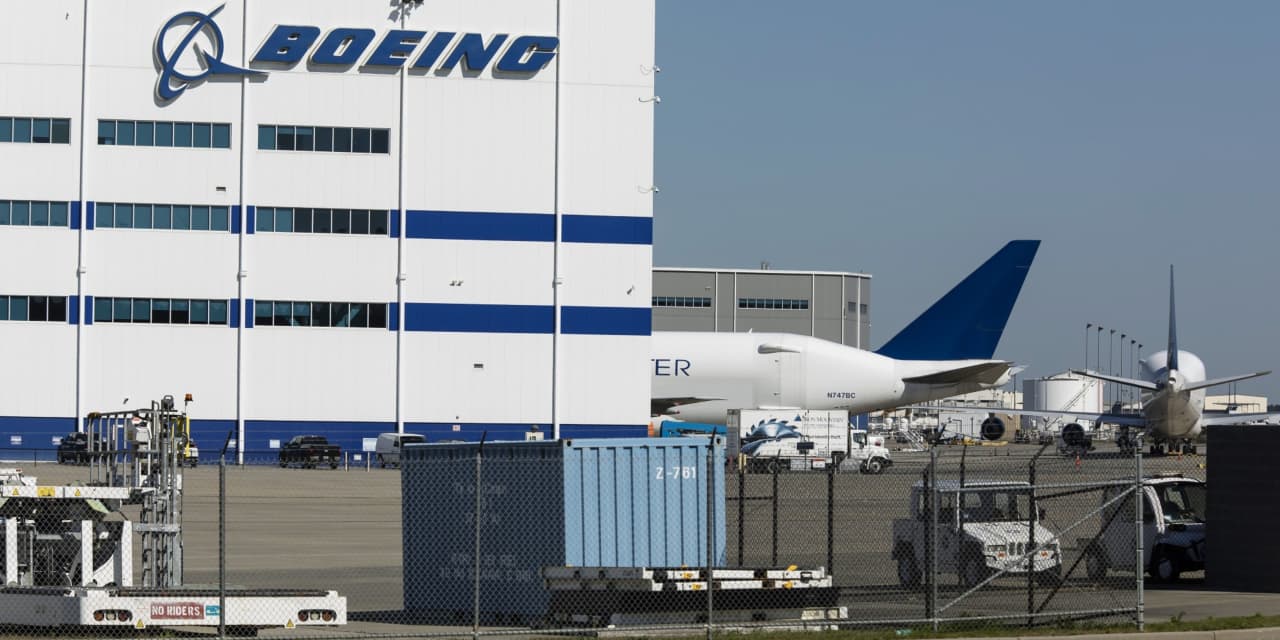
Wall Street Hits Record Highs Amid Iran Conflict Risks

- Market Valuation Appeal: The S&P 500's current P/E ratio of 20.8 is near its lowest in a year, indicating that U.S. stocks are more attractive compared to the 22 times earnings at the start of 2026, drawing investors seeking opportunities amid uncertainty.
- Rising Energy Price Concerns: Approximately two-thirds of S&P 500 companies have expressed concerns about energy prices in their earnings calls since April, a significant increase from 17% in the January-March period, highlighting the potential economic impact of high oil prices.
- Cautious Corporate Outlook: GE Aerospace's CEO indicated that the company could have raised its forecast if not for current uncertainties, reflecting concerns in the airline industry about maintenance and spending cuts, which led to a 6% drop in GE's stock price.
- AI Expectations Driving Market: Despite risks from high energy prices, analysts have raised their earnings growth expectations for 2026 from 16% in January to nearly 20%, primarily driven by technology companies, showcasing optimism surrounding artificial intelligence.
See More

Intel's Stock Surges 248%, Signaling Evolution in AI Ecosystem

- Intel's Stock Performance: Intel's stock has surged approximately 248% over the past year, significantly outperforming Taiwan Semiconductor's 149% and Nvidia's 106% gains, indicating a potential shift in leadership within the AI chip market.
- Capacity Expansion Signals: Intel has ramped up chipmaking equipment orders by over 50% year-over-year at the start of 2026, with its 18A process node entering high-volume production at around 10,000 wafer starts per week, signaling an acceleration in capacity buildout.
- TSMC's Strategic Investment: Taiwan Semiconductor's investment plans in the U.S. have increased from $65 billion to $165 billion, with plans to build six new fabs, highlighting its critical role and competitive strength in the AI expansion.
- Nvidia and Intel Partnership: Nvidia made a $5 billion strategic investment in Intel in early 2026, indicating a diversification strategy in its supply chain, which could reshape future market dynamics despite not currently manufacturing GPUs with Intel.
See More
Intel Gains from Rising AI CPU Demand, Morgan Stanley Prefers Memory Stocks
- AI Demand Boosts CPU Market: With rising AI demand, Intel (INTC) and AMD (AMD) are positioned as key beneficiaries, particularly in the server segment, which is expected to significantly enhance their market performance, although the broader investment narrative has not fully centered around this segment.
- Morgan Stanley's Investment Preference: Morgan Stanley believes that while Intel and AMD play crucial roles in AI-driven CPU demand, they favor U.S. memory stocks, particularly Micron (MU) and Sandisk (SNDK), indicating a more optimistic outlook on memory demand.
- Intel Price Target Increase: Morgan Stanley raised Intel's price target from $41 to $56 and boosted its 2027 EPS estimate from $0.97 to $1.34, surpassing the market consensus of $1.03, reflecting analysts' confidence in its future profitability.
- Earnings Expectations and Stock Performance: Intel is set to report Q1 results on April 23, with expectations of $0.01 EPS on $12.42 billion in revenue, and shares have already climbed over 60% since the last earnings release, indicating growing market optimism about its recovery.
See More
Intel Set to Benefit from Billions in Manufacturing Investments
- Massive Investment: Intel is set to invest tens of billions in its manufacturing capabilities, a move that is expected to significantly enhance production efficiency and market competitiveness, ultimately leading to substantial returns for the company.
- Positive Market Reaction: Following the afternoon stock prices on April 16, 2026, Intel's shares rose by 3.90%, indicating investor optimism regarding the company's future growth potential and bolstering market confidence.
- Enhanced Manufacturing Capacity: These investments will enable Intel to expand its semiconductor production capabilities to meet the increasing market demand, particularly in high-performance computing and artificial intelligence, ensuring its leadership position at the forefront of technology.
- Strategic Implications: This investment represents not only an upgrade to existing facilities but also lays the groundwork for Intel's long-term competitiveness in the global semiconductor market, positioning the company favorably in future technological contests.
See More
Honeywell's Quantum Unit Quantinuum Files for IPO
- IPO Filing: Honeywell's quantum computing unit, Quantinuum, confidentially submitted a draft registration statement to the SEC on February 17, 2026, indicating the company's confidence in the market despite the absence of share quantity and price range details.
- Market Valuation: Quantinuum was valued at $10 billion in a September 2023 fundraising round, and while Honeywell refrained from disclosing financial specifics related to the potential offering, this valuation underscores the market's recognition of quantum computing technology.
- Company Background: Formed in 2021 through the merger of a Honeywell spinout and Cambridge Quantum, Quantinuum is led by CEO Rajeeb Hazra, a former Intel executive, with Honeywell's CEO Vimal Kapur serving as chair, showcasing a strong leadership team.
- Technology Adoption: The technology developed by Quantinuum has been adopted by prominent companies such as Airbus, BMW Group, HSBC, and JPMorgan Chase, indicating its significant potential in addressing complex problems that traditional supercomputers cannot solve.
See More
Trump Administration Considers Aid for Spirit Airlines Facing Liquidation
- Bankruptcy Risk Intensifies: Spirit Airlines has filed for Chapter 11 bankruptcy for the second time in less than a year, facing liquidation risks that compel the company to seek government financing to sustain operations, with potential job losses of 14,000 severely impacting the airline industry's employment landscape.
- Government Aid Discussions: President Trump has expressed a desire for government intervention, highlighting Spirit's plight and calling for assistance, reflecting the administration's recognition of the aviation sector's recovery needs, especially in a challenging economic environment.
- Industry Context: The U.S. airline industry accepted over $50 billion in taxpayer aid during the pandemic, although these funds were not allocated specifically to Spirit; however, the overall recovery of the industry hinges on government support, and Spirit's situation may trigger broader industry scrutiny.
- Fuel Cost Pressures: Since filing for bankruptcy, jet fuel prices have nearly doubled in some U.S. regions, further exacerbating Spirit Airlines' operational cost challenges, making competition in the low-fare market increasingly difficult and forcing the company to adjust routes and services to attract higher-spending customers.
See More
Wall Street Hits Record Highs Amid Iran Conflict Risks
- Market Valuation Appeal: The S&P 500's current P/E ratio of 20.8 is near its lowest in a year, indicating that U.S. stocks are more attractive compared to the 22 times earnings at the start of 2026, drawing investors seeking opportunities amid uncertainty.
- Rising Energy Price Concerns: Approximately two-thirds of S&P 500 companies have expressed concerns about energy prices in their earnings calls since April, a significant increase from 17% in the January-March period, highlighting the potential economic impact of high oil prices.
- Cautious Corporate Outlook: GE Aerospace's CEO indicated that the company could have raised its forecast if not for current uncertainties, reflecting concerns in the airline industry about maintenance and spending cuts, which led to a 6% drop in GE's stock price.
- AI Expectations Driving Market: Despite risks from high energy prices, analysts have raised their earnings growth expectations for 2026 from 16% in January to nearly 20%, primarily driven by technology companies, showcasing optimism surrounding artificial intelligence.
See More
Intel's Stock Surges 248%, Signaling Evolution in AI Ecosystem
- Intel's Stock Performance: Intel's stock has surged approximately 248% over the past year, significantly outperforming Taiwan Semiconductor's 149% and Nvidia's 106% gains, indicating a potential shift in leadership within the AI chip market.
- Capacity Expansion Signals: Intel has ramped up chipmaking equipment orders by over 50% year-over-year at the start of 2026, with its 18A process node entering high-volume production at around 10,000 wafer starts per week, signaling an acceleration in capacity buildout.
- TSMC's Strategic Investment: Taiwan Semiconductor's investment plans in the U.S. have increased from $65 billion to $165 billion, with plans to build six new fabs, highlighting its critical role and competitive strength in the AI expansion.
- Nvidia and Intel Partnership: Nvidia made a $5 billion strategic investment in Intel in early 2026, indicating a diversification strategy in its supply chain, which could reshape future market dynamics despite not currently manufacturing GPUs with Intel.
See More