Intel Appoints New Executives to Drive Innovation
Written by Emily J. Thompson, Senior Investment Analyst
Updated: May 04 2026
0mins
Source: Newsfilter
- Leadership Changes: Intel has appointed Alex Katouzian as executive vice president and general manager of the Client Computing and Physical AI Group, aiming to align the company's client computing business with emerging physical AI systems, thereby fostering innovation in robotics and autonomous machines.
- Strengthening Technology Strategy: Pushkar Ranade has been appointed as chief technology officer, tasked with advancing the company's technology strategy and leading critical technology projects, particularly in emerging areas like quantum computing and neuromorphic computing, ensuring alignment between technology development and business priorities.
- Innovation Drive: Katouzian stated that Intel is laying the groundwork for AI-driven transformation, planning to lead in AI PCs and edge computing, thus accelerating the future development of physical AI systems, showcasing the company's ambition in technological innovation.
- Executive Reporting Structure: Both Katouzian and Ranade will report directly to CEO Lip-Bu Tan, ensuring a high degree of alignment between the company's technology and business strategies to drive overall business growth and market competitiveness.
Trade with 70% Backtested Accuracy
Stop guessing "Should I Buy INTC?" and start using high-conviction signals backed by rigorous historical data.
Sign up today to access powerful investing tools and make smarter, data-driven decisions.
Analyst Views on INTC
Wall Street analysts forecast INTC stock price to fall
29 Analyst Rating
5 Buy
19 Hold
5 Sell
Hold
Current: 121.100

Low
20.00
Averages
39.30
High
52.00
Current: 121.100
Low
20.00
Averages
39.30
High
52.00
About INTC
Intel Corporation is a global designer and manufacturer of semiconductor products. The Company's segments include Intel Products, Intel Foundry, and All Other. Its Intel Products comprise Client Computing Group (CCG) and Data Center and AI (DCAI). CCG delivers platforms and processors that power PCs and edge devices, enabling enhanced performance, connectivity and user experience for consumer and commercial markets with capabilities that also support retail, industrial robotics and AI ecosystems at the edge. DCAI delivers workload-optimized solutions based upon its x86 architecture for data centers, including CPUs, AI accelerators, NICs, IPUs and custom ASICs, enabling performance and scalability for cloud, enterprise, telecommunication and HPC environments. The Intel Foundry segment comprises technology development, manufacturing and foundry services, developing new semiconductor process technologies and advanced packaging technologies. All Other segments include Mobileye and Other.
About the author

Emily J. Thompson
Emily J. Thompson, a Chartered Financial Analyst (CFA) with 12 years in investment research, graduated with honors from the Wharton School. Specializing in industrial and technology stocks, she provides in-depth analysis for Intellectia’s earnings and market brief reports.
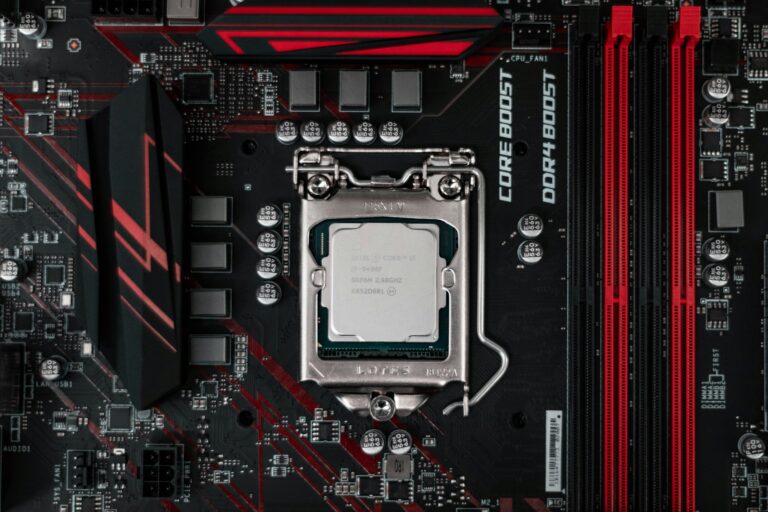
Intel's 18A Manufacturing Process Enters Risk Production Amid Strong Demand

- New Process Launch: Intel announced that its 18A manufacturing process has entered risk production, indicating the company's commitment to manufacturing and potentially attracting external customer interest, thereby enhancing its market competitiveness.
- Performance Improvement: Compared to 18A, the 18A-P delivers a 9% performance increase at the same power level or an 18% reduction in power consumption at the same processing speed, which will enhance product market appeal and meet customer demand for high-performance chips.
- Strong Customer Demand: In the first quarter, demand for Intel's central processors surged, particularly from companies offering AI services, leading to sales of chips that were originally slated for write-off, demonstrating strong market demand for its products.
- Revenue Forecast Upgrade: Intel forecasts second-quarter revenue between $13.8 billion and $14.8 billion, exceeding the market estimate of $13.07 billion, reflecting the company's robust performance in the rapidly growing AI market.
See More

Nvidia and AMD Compete in the AI Revolution


- Significant Revenue Growth: Nvidia and AMD reported revenue increases of 85% and 38% respectively in the latest quarter, showcasing their strong performance in the AI sector and further solidifying their market positions.
- Market Leadership: Nvidia maintains its lead in AI chip design due to its first-mover advantage in the data center GPU market, consistently updating its products, and is expected to continue dominating the GPU market.
- CPU Market Competition: While AMD holds a leadership position in the CPU market, Nvidia's introduction of its first standalone data center CPU indicates its intent to expand in the AI space, potentially gaining an edge in future competition.
- Robotics Technology Outlook: Nvidia's full-stack solutions in robotics have attracted over 2 million developers, positioning the company to capitalize on a $40 trillion market opportunity, while AMD demonstrates strong potential in medical and industrial robotics through its adaptive system-on-chip solutions.
See More
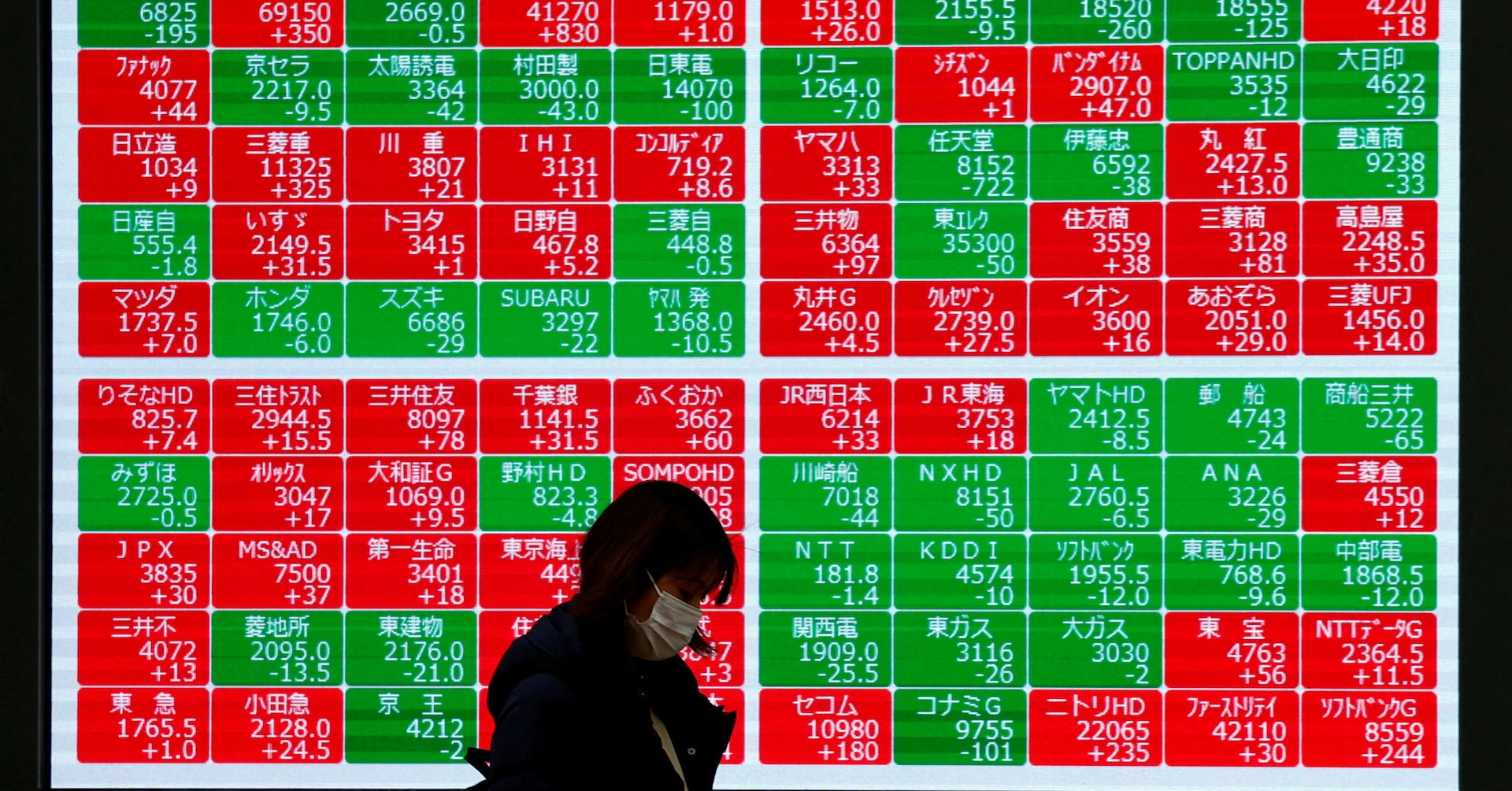
Nvidia and AMD Compete in the AI Era
- Significant Revenue Growth: Nvidia and AMD reported revenue increases of 85% and 38% respectively in the latest quarter, reflecting strong demand in the AI market and driving both companies' stock prices up over 300% in the past three years, underscoring their leadership in the industry.
- GPU Market Competition: Nvidia has maintained its lead in the AI sector due to its early entry and continuous innovation in the data center GPU market, while AMD, despite its CPU dominance, has yet to surpass Nvidia in the GPU space, highlighting the intense competition.
- CPU Market Potential: As AI technology evolves, the importance of CPUs is increasing; Nvidia has launched its first standalone data center CPU and plans to release a superchip integrating GPU and CPU in the second half of the year, indicating its intent to capture market share in CPUs, although AMD still holds an advantage.
- Robotics Technology Outlook: Nvidia's full-stack solutions in robotics position it favorably for future AI growth, particularly with its Jetson Thor robotics computer used by over 2 million developers, while AMD showcases potential in surgical robots through its adaptive system-on-chip solutions, reflecting differing strategies in this high-growth market.
See More

IQM Quantum Computers Appoints New Executives Ahead of Nasdaq Listing


- Executive Appointments: IQM Quantum Computers has appointed Craig Ciesla as Chief Technology Officer and Inés de Vega as Chief Scientist, aiming to strengthen the company's technological leadership in preparation for its upcoming Nasdaq listing.
- Technology Strategy Advancement: With over 25 years of experience in deep tech, Ciesla will be responsible for driving the implementation of IQM's technology strategy, playing a crucial role in accelerating the development of fault-tolerant quantum computing.
- Market Leadership: Having sold 23 quantum computers, IQM has established itself as a leader in superconducting quantum computing, and Ciesla's addition is expected to further solidify its market position in high-performance computing.
- Funding Progress: As the merger with Real Asset Acquisition Corp. advances, IQM successfully completed a $146 million PIPE financing in June, reflecting strong market confidence in its future growth.
See More

Japan and South Korea Stocks Hit Record Highs Amid Middle East Peace

- Strong Market Performance: Japan's Nikkei index rose 0.8%, hitting a new record for the fifth consecutive session with a weekly gain of 8.5%, reflecting strong market confidence in economic recovery.
- Oil Price Decline Impact: Brent crude futures fell 1% on Friday to $79.03 per barrel, marking a 9.5% decline for the week, which alleviated inflation concerns and boosted market optimism.
- Dollar Strength Resurgence: The U.S. dollar index rose 1% on Friday to 100.78, pushing the yen down to 161.26, the lowest in two years, intensifying speculation about potential Japanese intervention.
- Federal Reserve Policy Impact: Nine of the 19 Fed officials indicated potential rate hikes this year, causing short-term Treasury yields to rise 9 basis points to 4.1790%, reflecting increased market confidence in the Fed's inflation-fighting credibility.
See More

Trump Claims Apple to Collaborate with Intel on Chips
- Stock Surge: Intel's shares jumped about 11% on Thursday, pushing its market value past $670 billion, reflecting market optimism following Trump's social media claim about a collaboration with Apple, despite no confirmation from either company.
- Unclear Collaboration Details: While Trump stated that Apple has agreed to work with Intel on chip design and manufacturing, both companies have refrained from making any formal comments, leaving investors cautious about the authenticity and potential impact of this collaboration.
- Financial Recovery: Intel reported a 7% year-over-year revenue increase to $13.6 billion in Q1 2026, with its data center and AI business growing by 22%, indicating a gradual recovery after years of decline; however, external customers still represent a small portion of its foundry revenue.
- Valuation Challenges: With a market cap exceeding $674 billion and trailing revenue of about $53 billion, Intel's stock trades at over 13 times sales, raising concerns among investors about its high valuation despite operational improvements, particularly in light of the unconfirmed nature of the Apple collaboration.
See More
Intel's 18A Manufacturing Process Enters Risk Production Amid Strong Demand
- New Process Launch: Intel announced that its 18A manufacturing process has entered risk production, indicating the company's commitment to manufacturing and potentially attracting external customer interest, thereby enhancing its market competitiveness.
- Performance Improvement: Compared to 18A, the 18A-P delivers a 9% performance increase at the same power level or an 18% reduction in power consumption at the same processing speed, which will enhance product market appeal and meet customer demand for high-performance chips.
- Strong Customer Demand: In the first quarter, demand for Intel's central processors surged, particularly from companies offering AI services, leading to sales of chips that were originally slated for write-off, demonstrating strong market demand for its products.
- Revenue Forecast Upgrade: Intel forecasts second-quarter revenue between $13.8 billion and $14.8 billion, exceeding the market estimate of $13.07 billion, reflecting the company's robust performance in the rapidly growing AI market.
See More
Nvidia and AMD Compete in the AI Revolution
- Significant Revenue Growth: Nvidia and AMD reported revenue increases of 85% and 38% respectively in the latest quarter, showcasing their strong performance in the AI sector and further solidifying their market positions.
- Market Leadership: Nvidia maintains its lead in AI chip design due to its first-mover advantage in the data center GPU market, consistently updating its products, and is expected to continue dominating the GPU market.
- CPU Market Competition: While AMD holds a leadership position in the CPU market, Nvidia's introduction of its first standalone data center CPU indicates its intent to expand in the AI space, potentially gaining an edge in future competition.
- Robotics Technology Outlook: Nvidia's full-stack solutions in robotics have attracted over 2 million developers, positioning the company to capitalize on a $40 trillion market opportunity, while AMD demonstrates strong potential in medical and industrial robotics through its adaptive system-on-chip solutions.
See More
Nvidia and AMD Compete in the AI Era
- Significant Revenue Growth: Nvidia and AMD reported revenue increases of 85% and 38% respectively in the latest quarter, reflecting strong demand in the AI market and driving both companies' stock prices up over 300% in the past three years, underscoring their leadership in the industry.
- GPU Market Competition: Nvidia has maintained its lead in the AI sector due to its early entry and continuous innovation in the data center GPU market, while AMD, despite its CPU dominance, has yet to surpass Nvidia in the GPU space, highlighting the intense competition.
- CPU Market Potential: As AI technology evolves, the importance of CPUs is increasing; Nvidia has launched its first standalone data center CPU and plans to release a superchip integrating GPU and CPU in the second half of the year, indicating its intent to capture market share in CPUs, although AMD still holds an advantage.
- Robotics Technology Outlook: Nvidia's full-stack solutions in robotics position it favorably for future AI growth, particularly with its Jetson Thor robotics computer used by over 2 million developers, while AMD showcases potential in surgical robots through its adaptive system-on-chip solutions, reflecting differing strategies in this high-growth market.
See More
IQM Quantum Computers Appoints New Executives Ahead of Nasdaq Listing
- Executive Appointments: IQM Quantum Computers has appointed Craig Ciesla as Chief Technology Officer and Inés de Vega as Chief Scientist, aiming to strengthen the company's technological leadership in preparation for its upcoming Nasdaq listing.
- Technology Strategy Advancement: With over 25 years of experience in deep tech, Ciesla will be responsible for driving the implementation of IQM's technology strategy, playing a crucial role in accelerating the development of fault-tolerant quantum computing.
- Market Leadership: Having sold 23 quantum computers, IQM has established itself as a leader in superconducting quantum computing, and Ciesla's addition is expected to further solidify its market position in high-performance computing.
- Funding Progress: As the merger with Real Asset Acquisition Corp. advances, IQM successfully completed a $146 million PIPE financing in June, reflecting strong market confidence in its future growth.
See More
Japan and South Korea Stocks Hit Record Highs Amid Middle East Peace
- Strong Market Performance: Japan's Nikkei index rose 0.8%, hitting a new record for the fifth consecutive session with a weekly gain of 8.5%, reflecting strong market confidence in economic recovery.
- Oil Price Decline Impact: Brent crude futures fell 1% on Friday to $79.03 per barrel, marking a 9.5% decline for the week, which alleviated inflation concerns and boosted market optimism.
- Dollar Strength Resurgence: The U.S. dollar index rose 1% on Friday to 100.78, pushing the yen down to 161.26, the lowest in two years, intensifying speculation about potential Japanese intervention.
- Federal Reserve Policy Impact: Nine of the 19 Fed officials indicated potential rate hikes this year, causing short-term Treasury yields to rise 9 basis points to 4.1790%, reflecting increased market confidence in the Fed's inflation-fighting credibility.
See More
Trump Claims Apple to Collaborate with Intel on Chips
- Stock Surge: Intel's shares jumped about 11% on Thursday, pushing its market value past $670 billion, reflecting market optimism following Trump's social media claim about a collaboration with Apple, despite no confirmation from either company.
- Unclear Collaboration Details: While Trump stated that Apple has agreed to work with Intel on chip design and manufacturing, both companies have refrained from making any formal comments, leaving investors cautious about the authenticity and potential impact of this collaboration.
- Financial Recovery: Intel reported a 7% year-over-year revenue increase to $13.6 billion in Q1 2026, with its data center and AI business growing by 22%, indicating a gradual recovery after years of decline; however, external customers still represent a small portion of its foundry revenue.
- Valuation Challenges: With a market cap exceeding $674 billion and trailing revenue of about $53 billion, Intel's stock trades at over 13 times sales, raising concerns among investors about its high valuation despite operational improvements, particularly in light of the unconfirmed nature of the Apple collaboration.
See More